

Antique Carvers
Antique carvers are substantial seated pieces with supportive armrests, originating from centuries of skilled cabinet making to anchor a dining table or study.
Antique Carvers
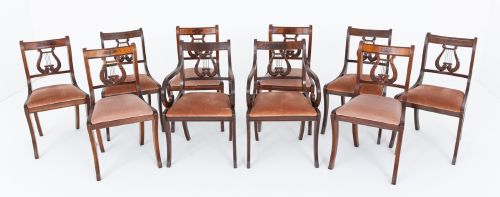
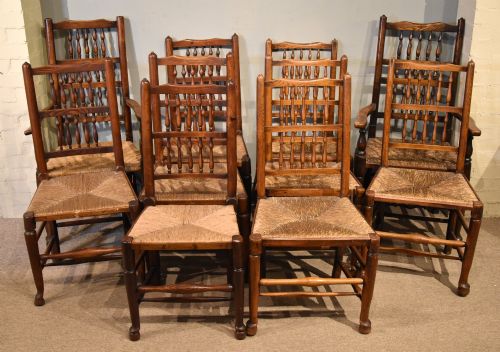
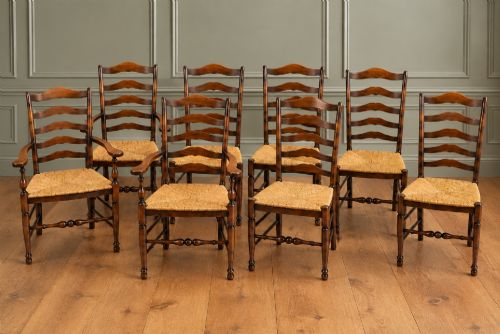
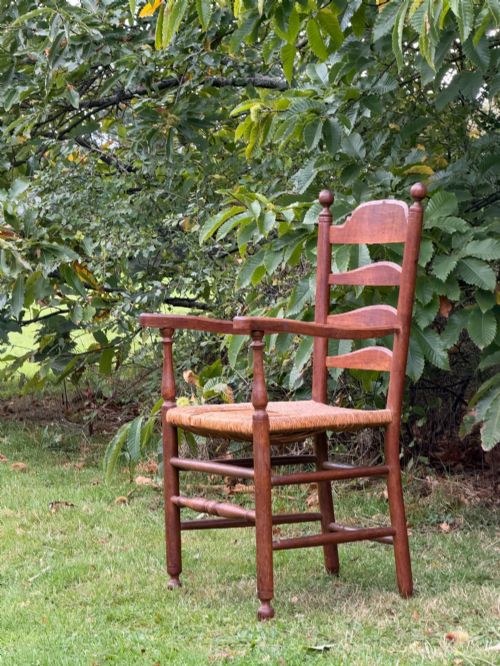
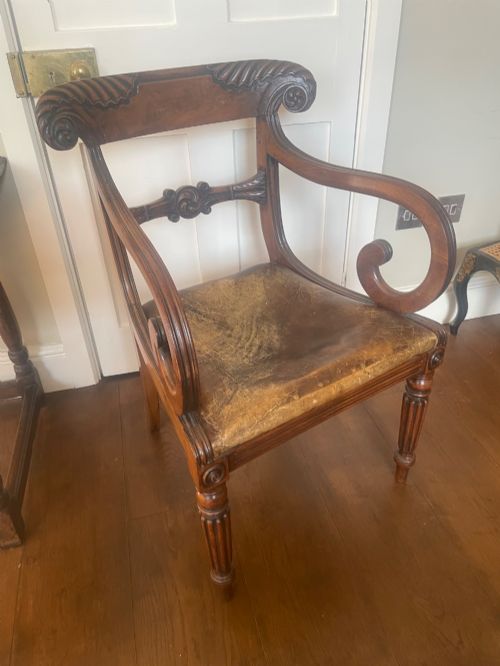
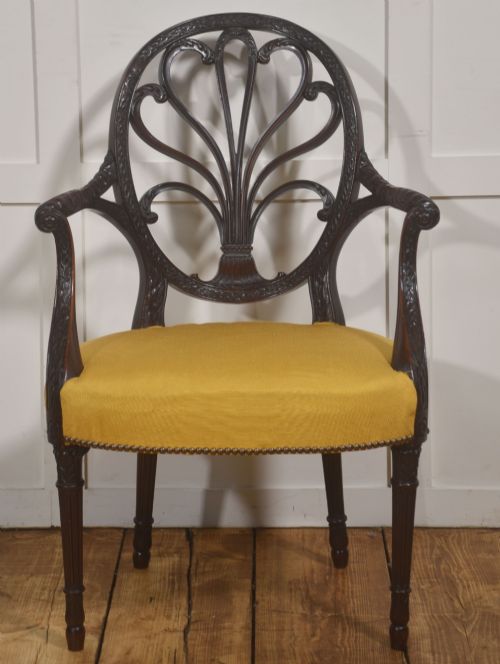
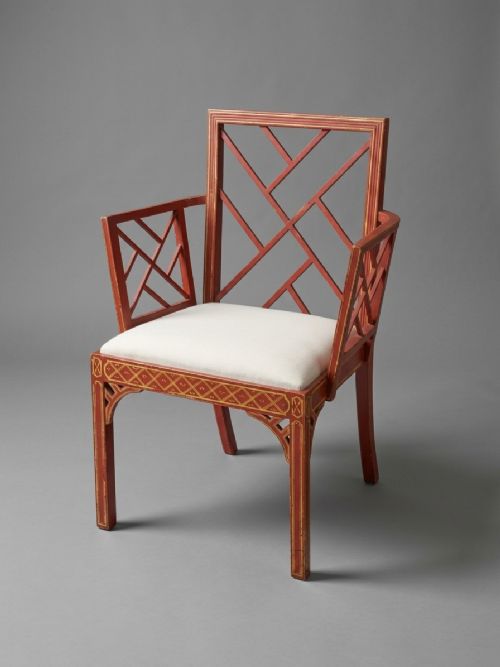
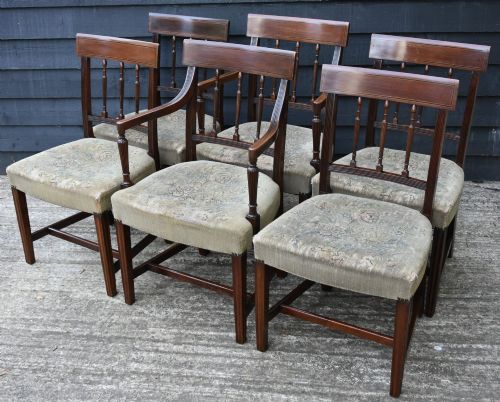
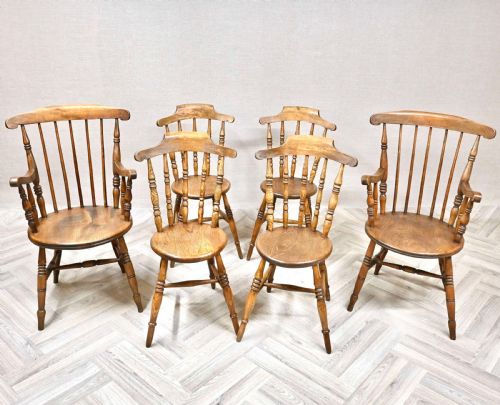
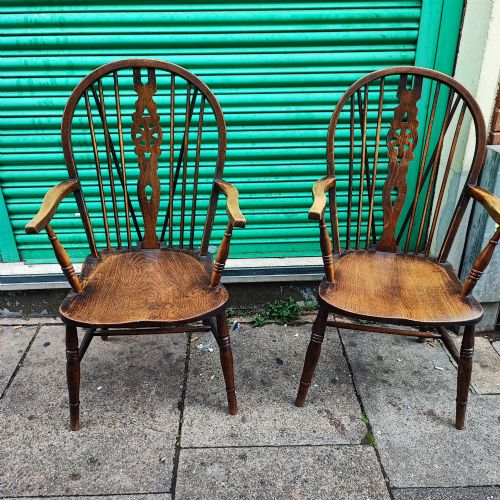
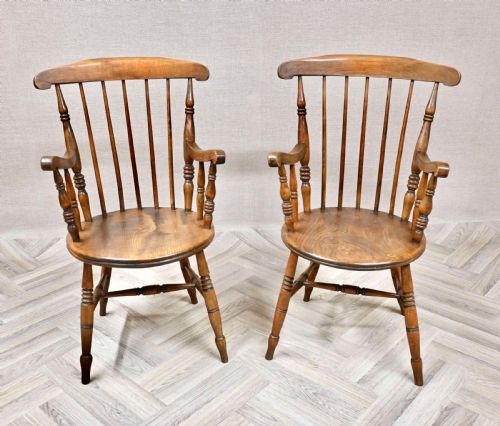
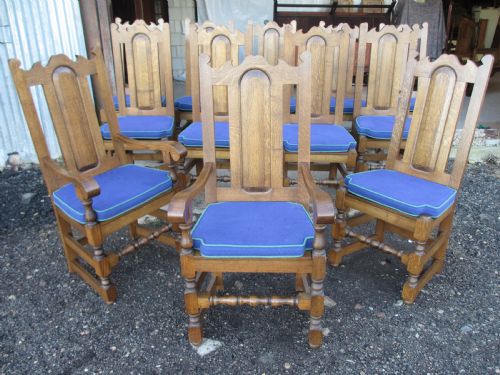
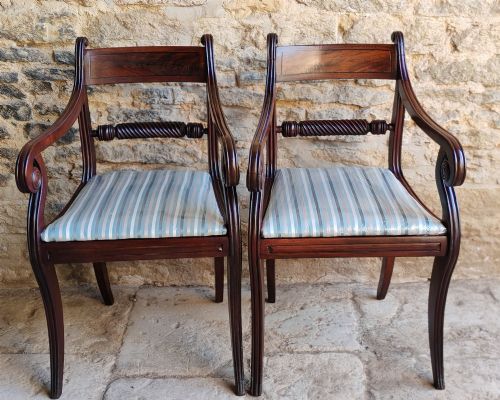
When you search for antique carvers, you encounter open armchairs designed to sit at the head and foot of a dining table alongside matching side chairs. The form encompasses robust country windsors, elegant mahogany shield backs from the Georgian era, and carved walnut or rosewood Victorian iterations.
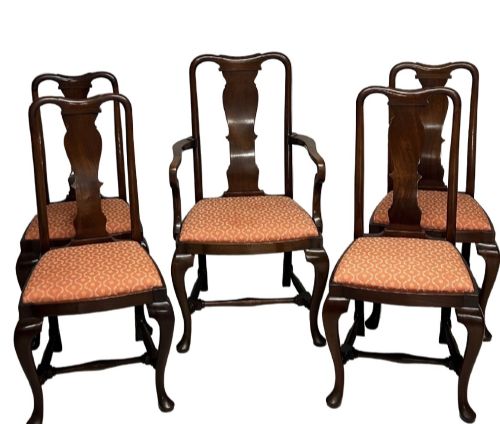
Many listings present these armchairs as part of larger dining sets containing both standard chairs and a pair of carvers. You also find individual desk chairs and library armchairs built with the same characteristic elbow supports.
Materials and construction
Cabinet makers utilised dense hardwoods including mahogany, oak, walnut, and elm, often combining timbers such as ash and beech within regional Windsor frames. Frames rely on traditional joinery techniques like mortise and tenon joints to secure the stress points where arms meet the upright stiles.
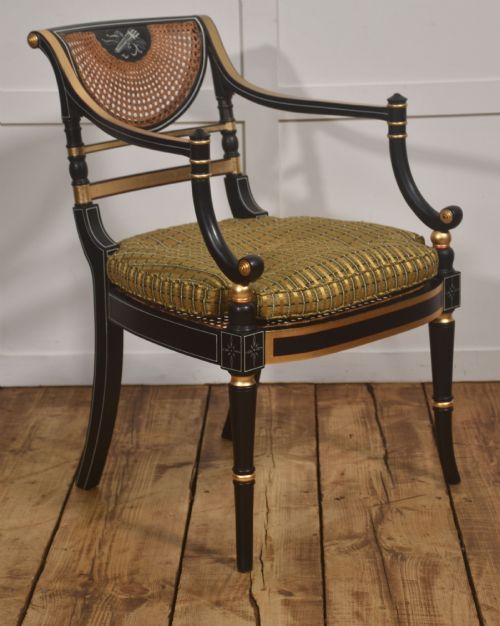
Upholstered versions feature seats pad-filled with horsehair or material webbing, then covered in leather, velvet, or woven fabric. Surface finishes range from polished french polish on formal mahogany to painted lacquer and plain waxed elm on country pieces.
Antique Carvers Retail Price Guide 2026
Typical asking prices for carvers among the pieces listed under this phrase on Sellingantiques today, from the lower quarter to the upper quarter. They describe what is for sale here now, not the wider market.
Materials recorded across the inventory include mahogany, oak, elm, yew wood, pitch pine, walnut, rosewood, leather, velvet, rush, and brass.
Judging the standard
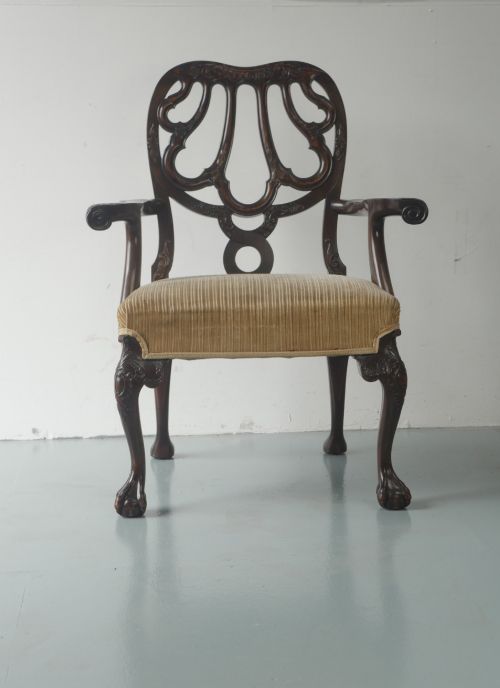
The distinction between ordinary and exceptional carvers rests on the crispness of hand-carved splats, arm terminals, and reeded legs. Superior examples exhibit balanced proportions and careful timber selection, whereas lesser pieces show mechanical repetition or blunt detailing in the woodwork.
Integrity of the structural frame dictates longevity, separating sturdy antiques from those compromised by loose joints or excessive timber shrinkage. Original surface patination and untouched timber figure elevate an armchair far above items stripped and refinished in modern workshops.
Maple and Co·Heals of London·Goodyers London
The Antique Carvers Glossary
- Carver
- An armchair designed to match a set of dining chairs, traditionally placed at the ends of a dining table. The term distinguishes the armed seat from the smaller side chairs in the set.
- Shield back
- A chair back shaped like a heraldic shield, popularised by designers like Hepplewhite during the late eighteenth century. The timber frame encloses a pierced splat often carved with wheat ears or drapery.
- Stick back
- A chair construction method where turned spindles are inserted directly into a solid wooden seat and curved crest rail. This method defines traditional regional windsor and country chairs.
- Elbow chair
- An alternative historical term for an armchair, particularly those used at a desk or dining table. It highlights the functional presence of armrests to support the sitter's elbows.
- Splines
- Thin pieces of wood inserted across the grain to reinforce a joint or repair a split. Their presence indicates historical conservation work by skilled restorers.
Antique Carvers: Frequently Asked Questions
What is an antique carver chair?
An antique carver is an armchair designed to match a set of dining chairs, historically positioned at the head of a dining table. They feature supportive armrests and often share the decorative stylistic motifs of the period in which they were built.
Cabinet makers produced these chairs across the eighteenth, nineteenth, and early twentieth centuries in forms ranging from formal mahogany Chippendale styles to rustic elm country windsors.
How do I use antique carvers today?
These armchairs function naturally at the head and foot of a modern dining table, pairing with simpler side chairs or standing alone. Their supportive arms also make them suitable as desk chairs in a study or reading chairs in a living space.
Placing them away from direct heat sources and sunlight protects the polished timber and historic upholstery materials from drying out or fading over time.
How can I tell the period of a chair?
Dating relies on observing the timber species, structural construction methods, and decorative carving styles associated with specific eras like the Georgian, Regency, or Victorian periods. For instance, shield back designs point towards the late eighteenth century, while heavy carved walnut often signals the Victorian era.
Tool marks left by hand saws on hidden underside surfaces also help differentiate genuinely old frames from later twentieth-century revival pieces.
Are carvers sold as pairs or singles?
Carvers frequently appear as matched pairs intended for the ends of a dining table, or as part of a larger suite that includes standard dining chairs. Single carvers also turn up independently as desk chairs or reading seats.
When buying from a large set, checking that the timber grain and arm height match the accompanying side chairs ensures visual harmony in a dining room.