

Antique Carved Seating
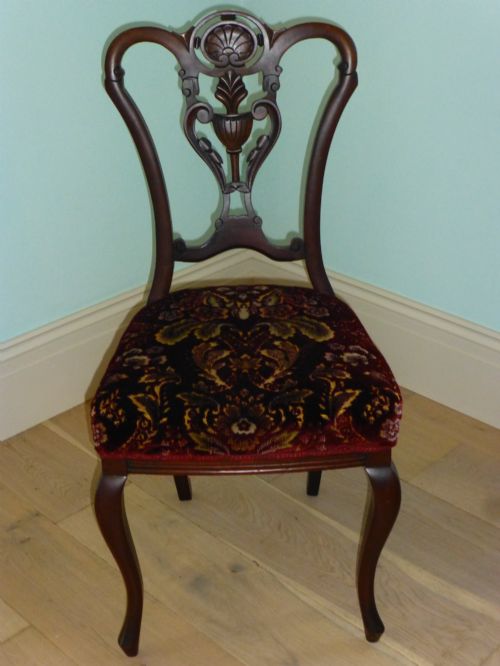
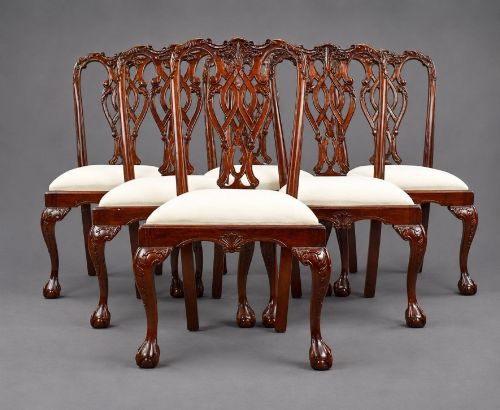
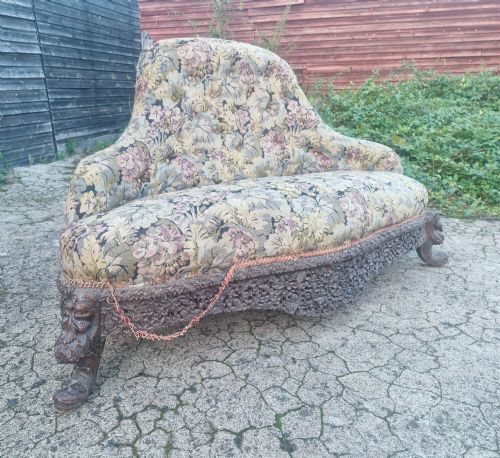
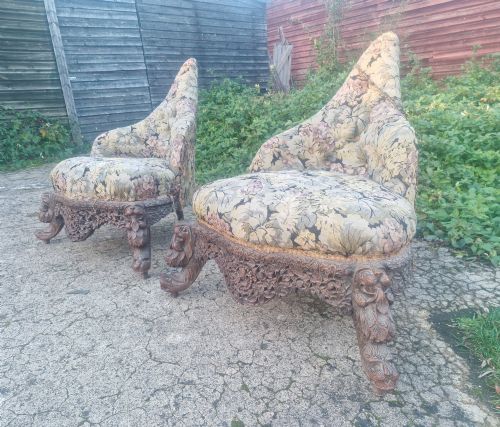
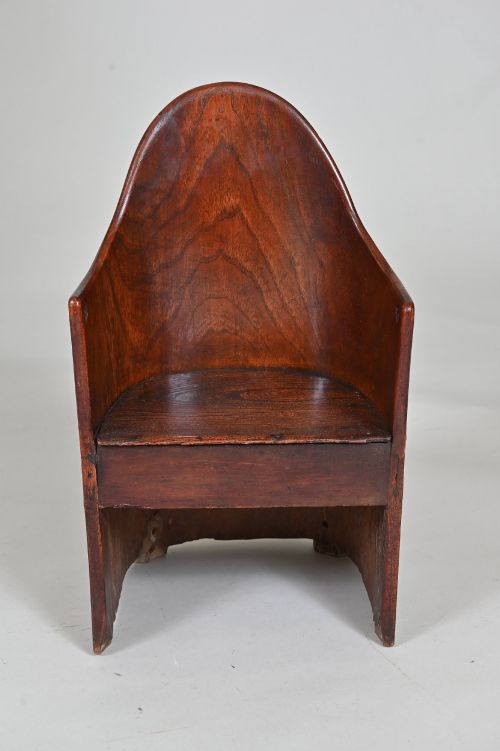
These pieces of antique carved seating comprise chairs, benches, and stools formed in mahogany, oak, and walnut during the Georgian, Regency, and Victorian eras.
Antique Carved Seating
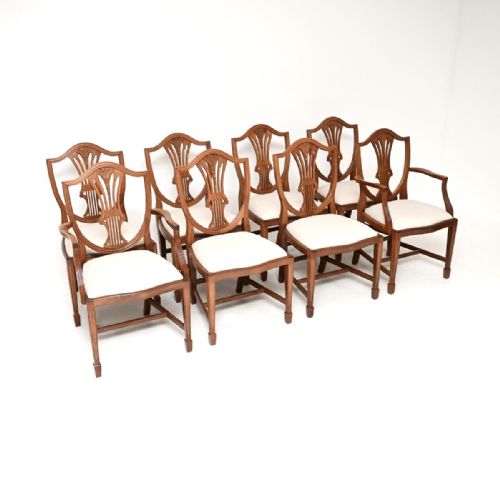
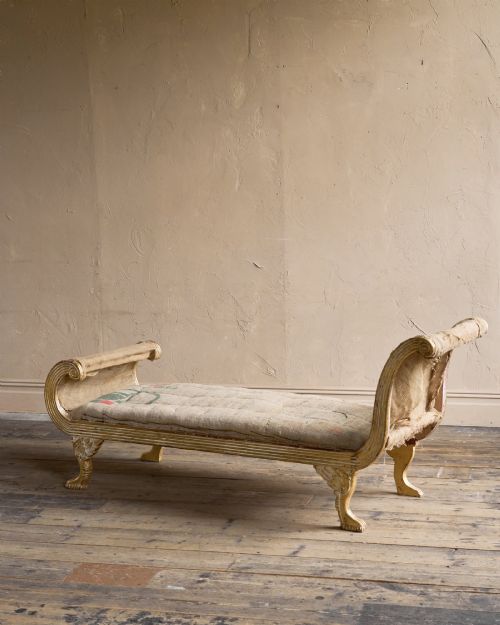
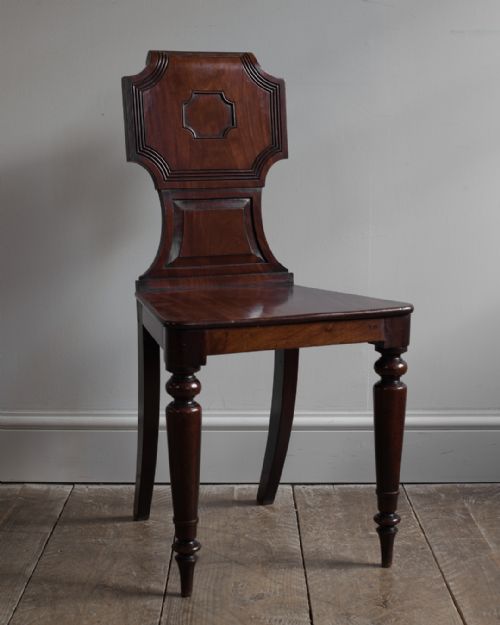
Antique carved seating encompasses chairs, benches, stools, and settees produced across the Georgian, Regency, and Victorian periods, alongside later nineteenth and early twentieth century interpretations of earlier styles. Buyers seeking antique carved seating will encounter single hall chairs, matching sets of dining chairs, and occasional armchairs fashioned from solid timbers like mahogany, oak, and walnut.
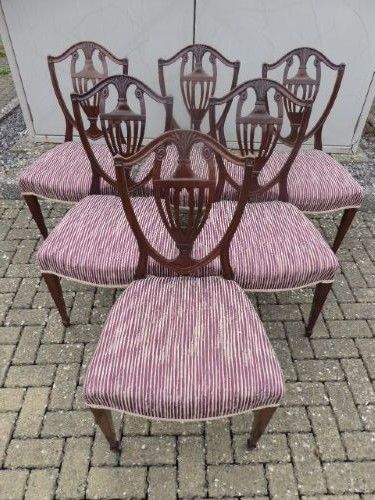
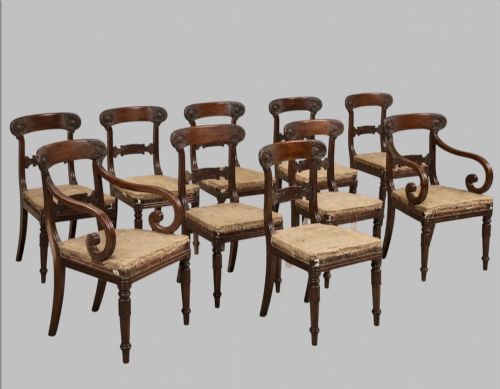
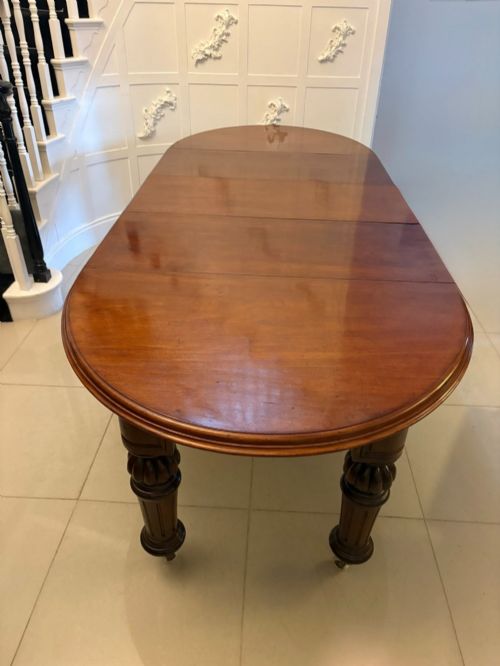
The selection on this page leans heavily toward nineteenth-century dining sets in mahogany and oak, alongside hall benches, music chairs, and specialised seating such as Windsor chairs and revolving desk armchairs. Forms range from simple French farmhouse dining chairs to elaborate sets with shield backs or barley twist legs, reflecting both everyday domestic utility and formal parlour display.
Materials and construction
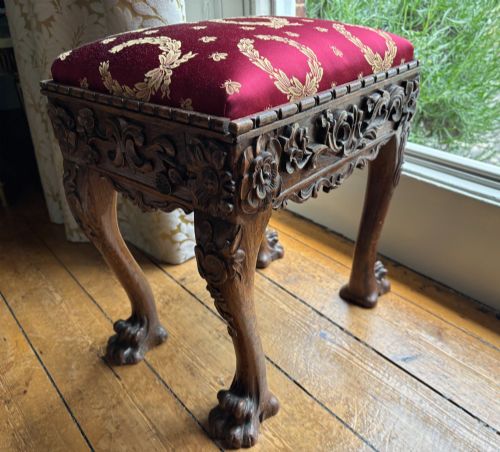
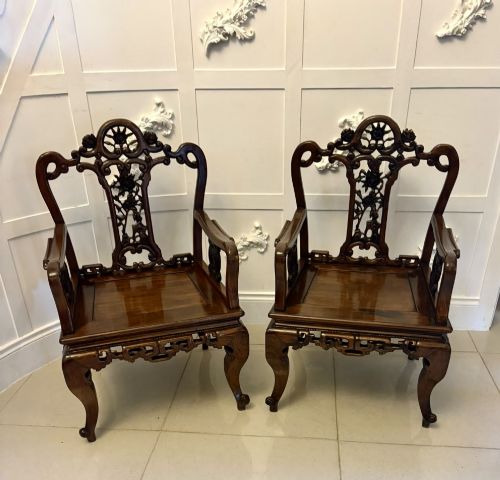
Makers constructed these seats using dense hardwoods, predominantly mahogany, oak, and walnut, frequently supported by regional secondary timbers such as beech, ash, and elm in vernacular pieces like Windsor chairs. Carving was executed directly into the solid timber frame, defining details from cabriole legs to armorial painted backs and elaborate crest rails.
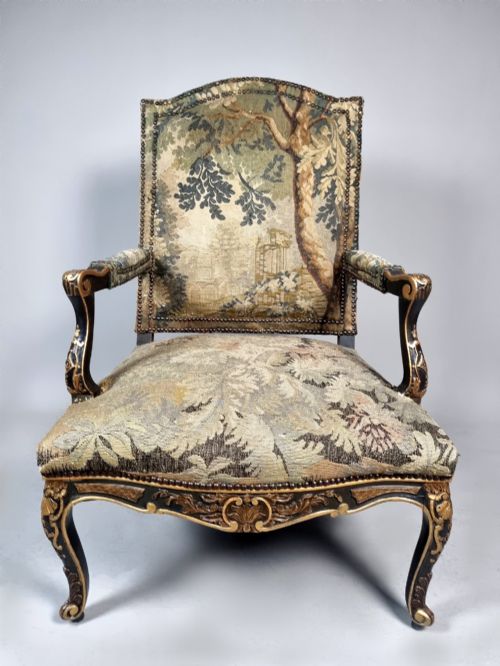
Upholstery methods varied from drop-in seats and original tan leather panels to intricate needlework, fabric, cane, and velvet surfaces enclosed by brass detailing or giltwood frames. Joinery relied on traditional pinned mortise and tenon joints, particularly in robust oak hall benches and dining sets, ensuring structural stability across centuries of use.
Antique Carved Seating Retail Price Guide 2026
Typical asking prices for carved seating among the pieces listed under this phrase on Sellingantiques today, from the lower quarter to the upper quarter. They describe what is for sale here now, not the wider market.
Listings feature oak, mahogany, walnut, rosewood, and burr maple, alongside fabric, cane, brass, and velvet upholstery materials.
Assessing quality and execution
The distinction between standard and superior pieces rests on the crispness and depth of the timber carving, where hand-chiselled details exhibit sharpness and proportion absent in mechanical production. Burr veneers, exhibited in maple and walnut variations, demonstrate careful selection and matching of grain across prominent surfaces like chair backs and stool tops.
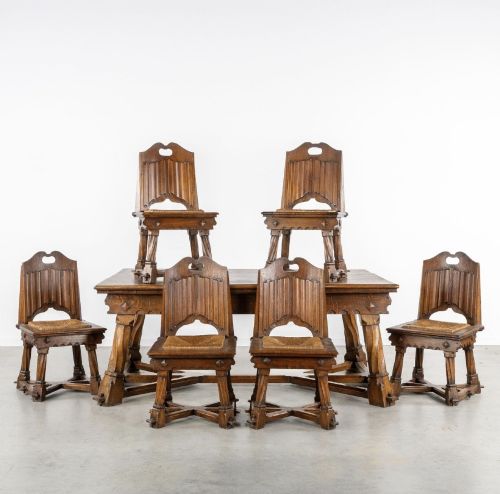
Uniformity across large sets of dining chairs, particularly those numbering six to twelve pieces, marks out higher execution, as does the retention of original elements such as leather upholstery, turned stretchers, and brass fittings. Subtleties in design, including reeded legs, crisply carved shield backs, and integrated armorial painting, elevate individual examples above standard utility furniture.
Gillows·Bruce James Talbert
The Antique Carved Seating Glossary
- Carver
- An armchair designed to match a set of dining side chairs, usually positioned at the head of a dining table.
- Shield back
- A chair back shaped in the outline of a shield, popular in Georgian and Hepplewhite style dining seats.
- Barley twist
- A turned wooden support resembling a twisted rope, common on the legs and stretchers of Victorian oak seating.
- Bergere
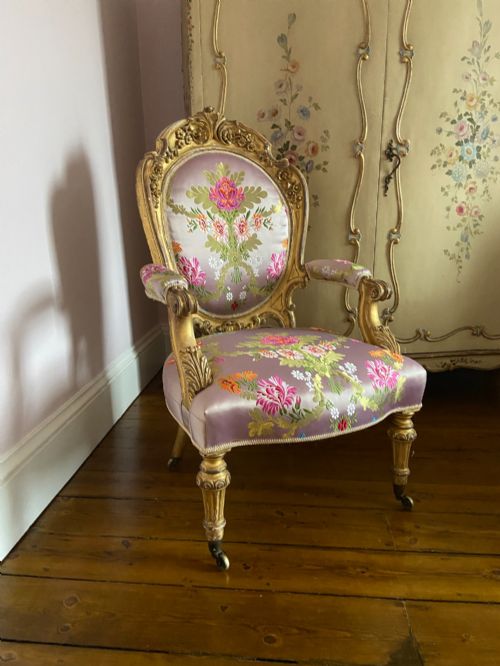
- An enclosed upholstered armchair with exposed wooden frames, frequently gilded or polished in French designs.
- Scabello
- A Renaissance style chair featuring solid panel supports rather than conventional legs, seen in Irish oak examples.
Antique Carved Seating: Frequently Asked Questions
What is a carver chair?
A carver is an armchair styled to match a set of dining side chairs. These were traditionally placed at either end of a dining table.
In larger dining sets, you will frequently find ten standard chairs accompanied by two matching carvers.
How do I date an oak hall bench?
Oak hall benches can be dated by examining their structural joinery, carving styles, and proportion. Pieces from the Victorian era often feature heavy barley twist supports or deep relief carving.
Earlier Georgian examples display simpler, more robust architectural lines intended for formal entryways.
Were dining sets originally made in large numbers?
Dining chairs were produced in sets ranging from four to twelve pieces to accommodate formal household dining. Surviving sets of ten or twelve chairs remain particularly sought after by collectors.
Matching carvers were frequently included to complete the dining arrangement.
What woods were used for antique seating?
Primary woods included dense hardwoods like mahogany, oak, walnut, and rosewood. These timbers provided the strength required for intricate hand carving.
Secondary timbers such as beech, ash, and elm were often utilised in vernacular seating like Windsor chairs.