



Antique Carved Relief
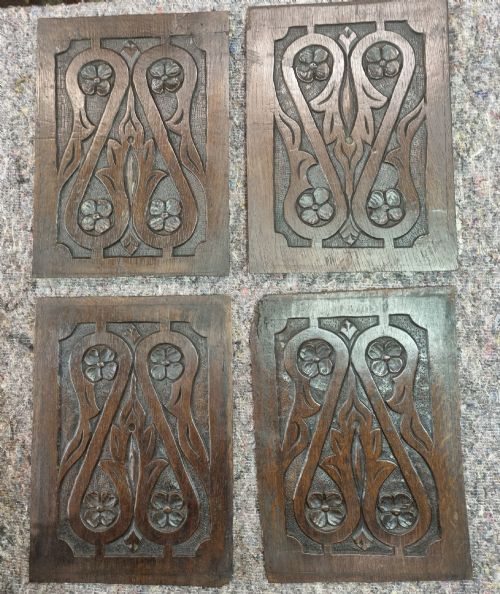
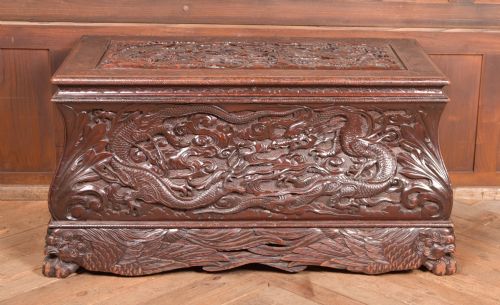
These antique carved relief pieces bring depth and texture to a room, showing centuries of skilled handling in timber, metal and stone.
Antique Carved Relief
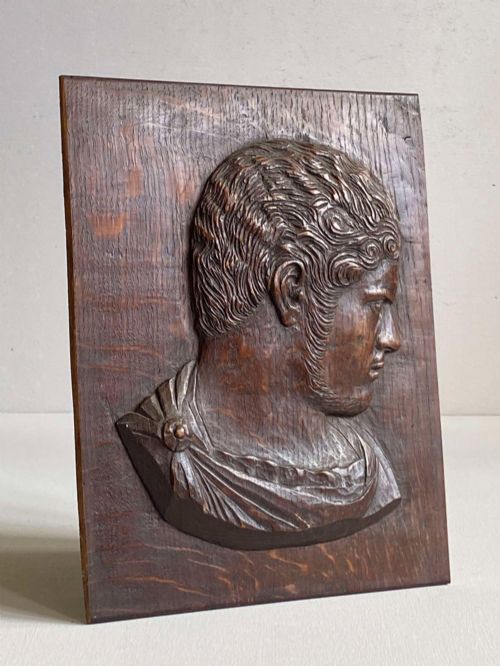
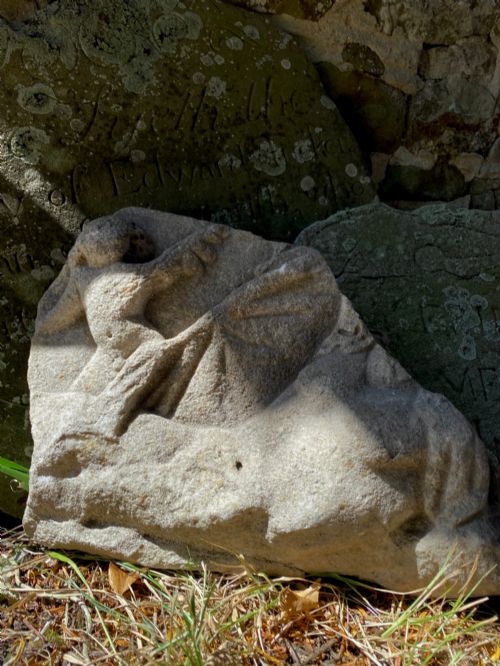
An antique carved relief brings architectural depth to walls and furniture, shifting away from flat surfaces to tell a story in three dimensions. When looking for antique carved relief pieces, buyers frequently encounter panels, plaques and structural elements fashioned from timber or cast in metal.
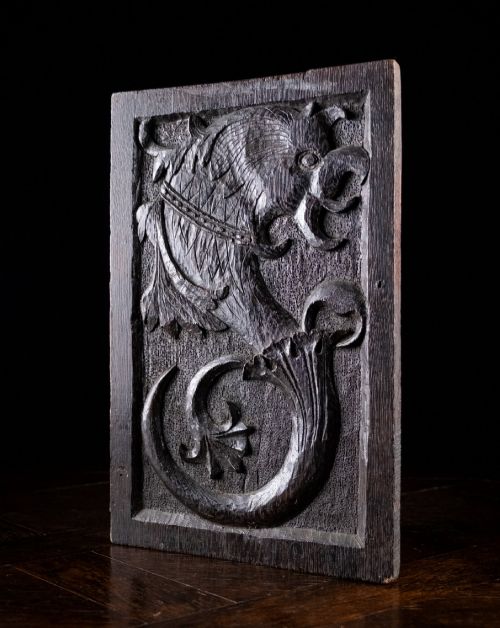
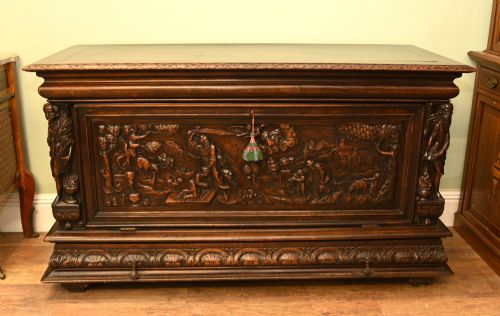
The selection ranges from early oak panels depicting tavern scenes and religious subjects to later walnut coffers and display cabinets. Pieces span several centuries, with particular strength in seventeenth- and eighteenth-century oak alongside nineteenth-century revival work.
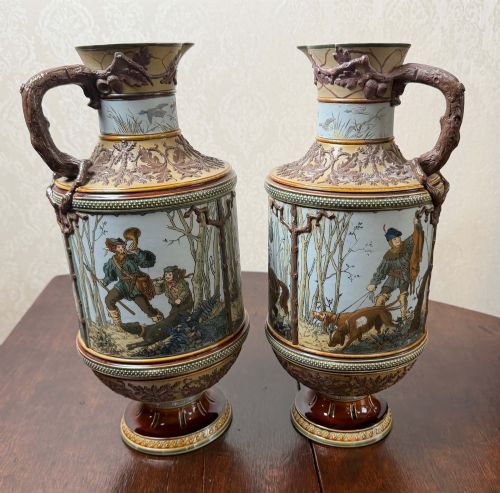
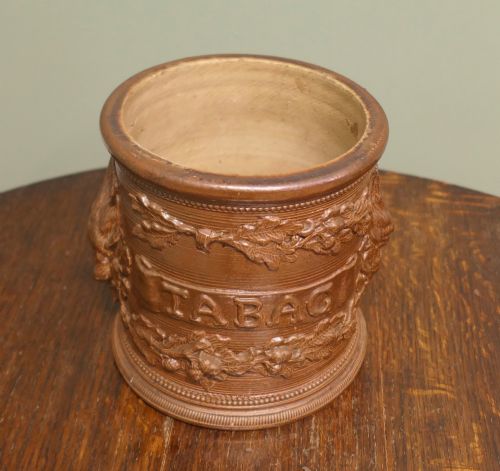
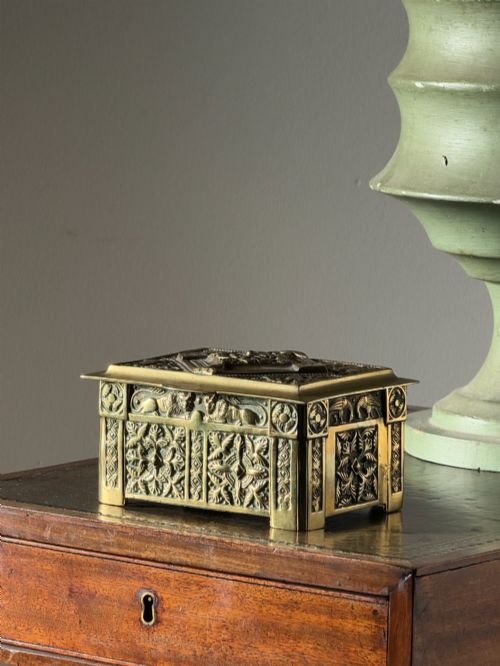
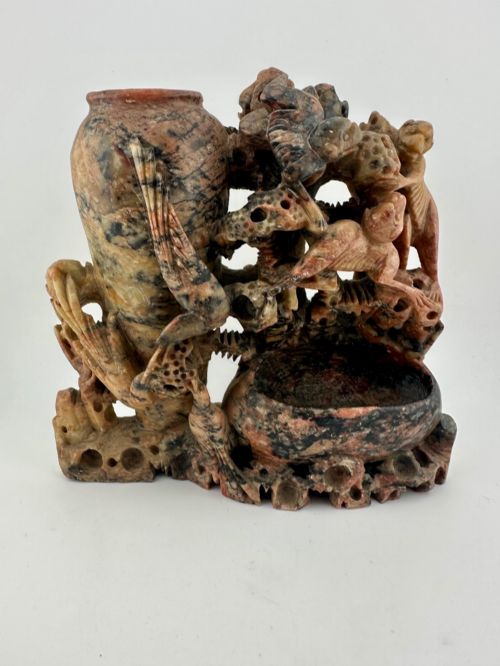
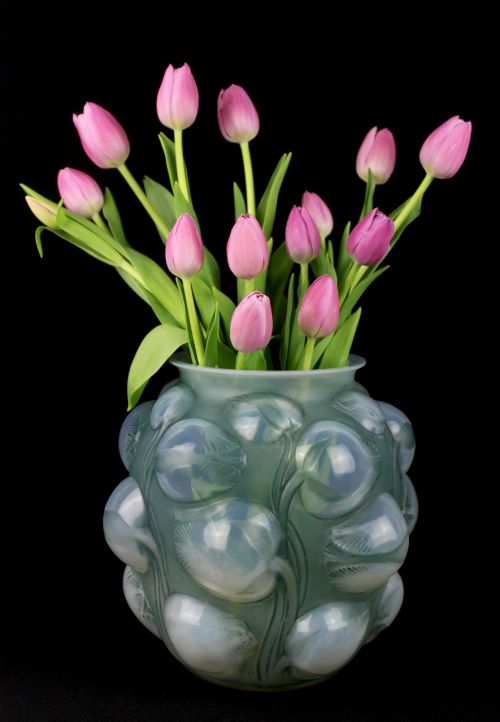
Beyond wall art, the form appears on domestic furnishings and decorative vessels where raised ornamentation defines the surface. Figures emerge from the background through high relief or shallow carving, creating play of light and shadow across the material.
How They Were Made
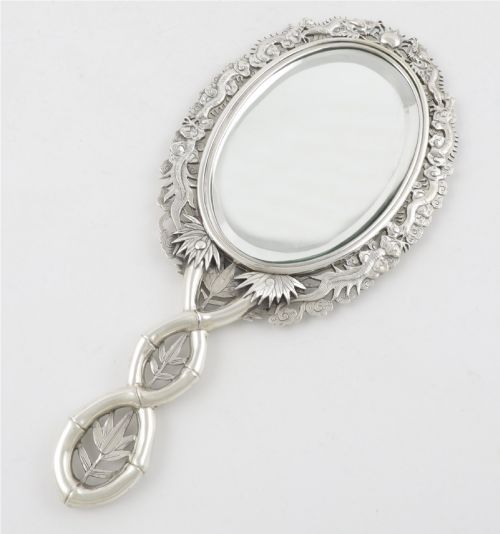
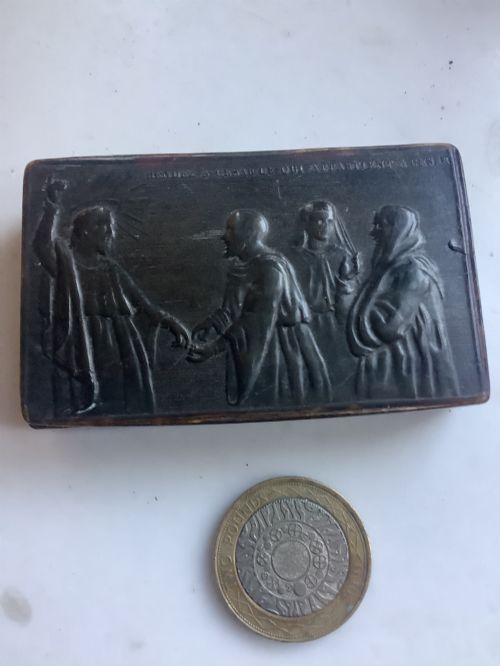
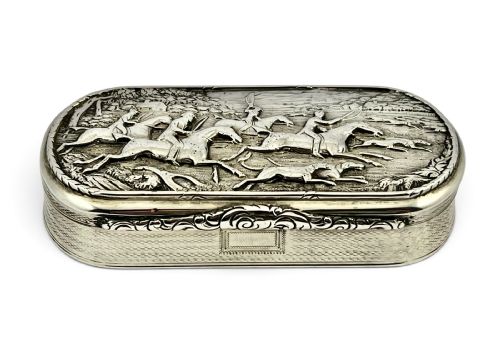
Makers shaped these pieces primarily using dense hardwoods like oak and walnut, cutting away the background material to leave the design standing proud. Artisans also worked in bronze, brass and silver, utilising casting and repousse techniques to raise the metal into detailed pictorial scenes.
Hand tools including gouges and chisels left distinct marks across wooden surfaces, while metalwork relied on hammering from the reverse side to push the relief forward. Finishing involved natural waxes and polishes that highlighted the grain of the timber or the warm patina of the metal.
Antique Carved Relief Retail Price Guide 2026
Typical asking prices for carved relief among the pieces listed under this phrase on Sellingantiques today, from the lower quarter to the upper quarter. They describe what is for sale here now, not the wider market.
Listings feature materials spanning oak, walnut, bronze, brass, and sterling silver across multiple centuries.
What Varies in Quality
The distinction between ordinary and exceptional work lies in the depth of undercut and the naturalism of the figures. Superior carvings display crisp definition in facial expressions and drapery, where lesser examples blur into flat, generalised shapes.
Proportion and harmony across the composition dictate the visual success of a panel or vessel. Skilled carvers understood how the grain of the wood or the weight of the bronze would support the relief without splitting or crowding the design.
Gillows
The Antique Carved Relief Glossary
- Relief
- A sculptural technique where the sculpted elements remain attached to a solid background of the same material.
- High-relief
- A form of relief where more than half of the sculpted form projects from the background, creating strong shadows.
- Repousse
- A metalworking technique where a malleable metal is ornamented by hammering from the reverse side.
- Linenfold
- A style of wood carving that mimics folded linen, commonly seen on Tudor and seventeenth-century panels.
Antique Carved Relief: Frequently Asked Questions
How do I clean antique carved relief wood?
Dust gently with a soft, dry brush to keep particles out of the recesses. Avoid wet cloths or modern cleaning sprays that can strip the historic finish.
Apply a microcrystalline wax sparingly if the timber appears dry. Buff lightly with a clean cloth to restore a natural sheen.
Can heavy wall panels be hung safely?
Assess the weight of the timber and the strength of your wall before mounting. Oak panels carry substantial weight and require secure fixings into structural studs.
Employ professional framing or mounting brackets designed for heavy antique woodwork. Ensure the weight distributes evenly across the hanging hardware.
Where should I place these pieces at home?
Position wooden reliefs away from direct sunlight and radiators to prevent warping or splitting. Stable indoor humidity preserves the integrity of old timber and metal.
Mount panels at eye level where grazing light can catch the carved details. Display metal vessels on sturdy surfaces where handling does not risk damage.
How can I tell older panels from later copies?
Examine the back of the wood for tool marks, oxidation and signs of age matching the front. Machine sawing and modern fixings indicate later reproduction work rather than period craftsmanship.
Look at the wear patterns and the shrinkage of the timber along the grain. Genuine age shows in the softening of sharp edges and the deep patina built through years of handling.