

Antique Carved Putto
An antique carved putto brings winged classical charm into a room, taking the form of wooden wall brackets, mirrors, and sculptural figures.
Antique Carved Putto
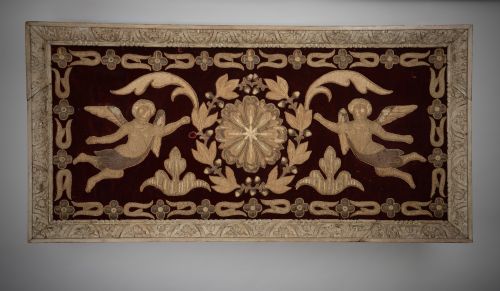
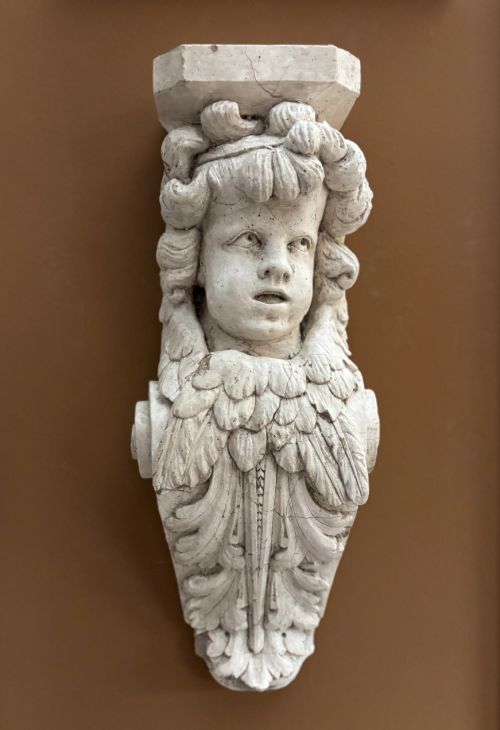
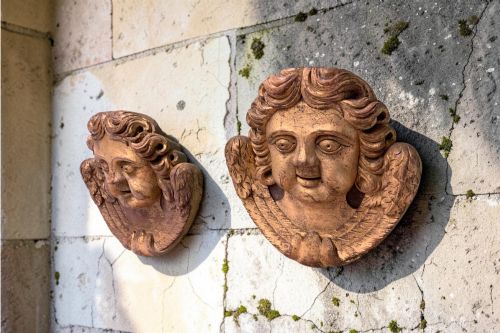
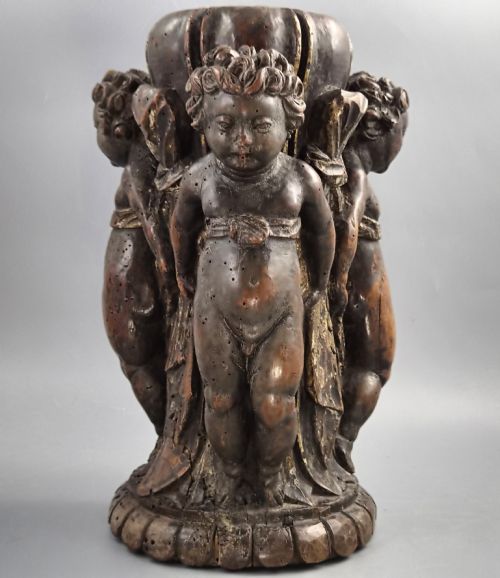
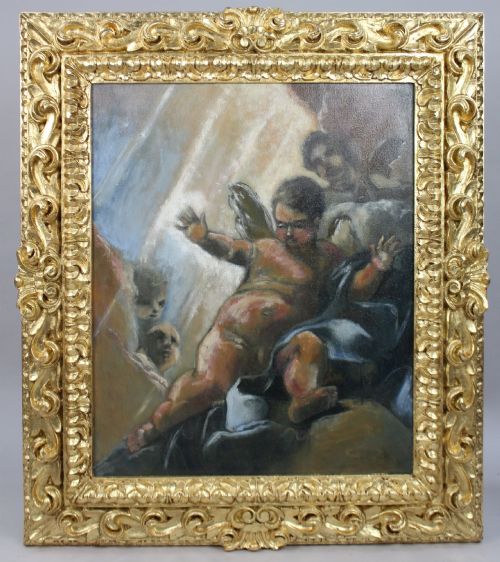
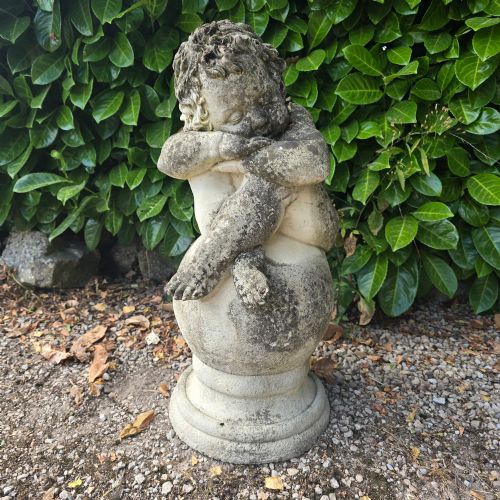
When you search for an antique carved putto, you enter a world of winged figures drawn from classical and religious art, spanning the seventeenth to the early twentieth century. These pieces appear most frequently as wooden wall brackets, architectural fragments, church carvings, and giltwood mirror pediments.
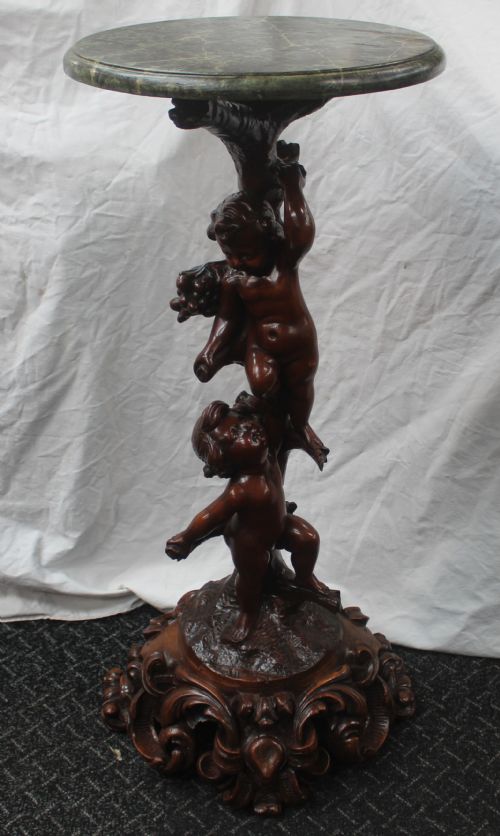
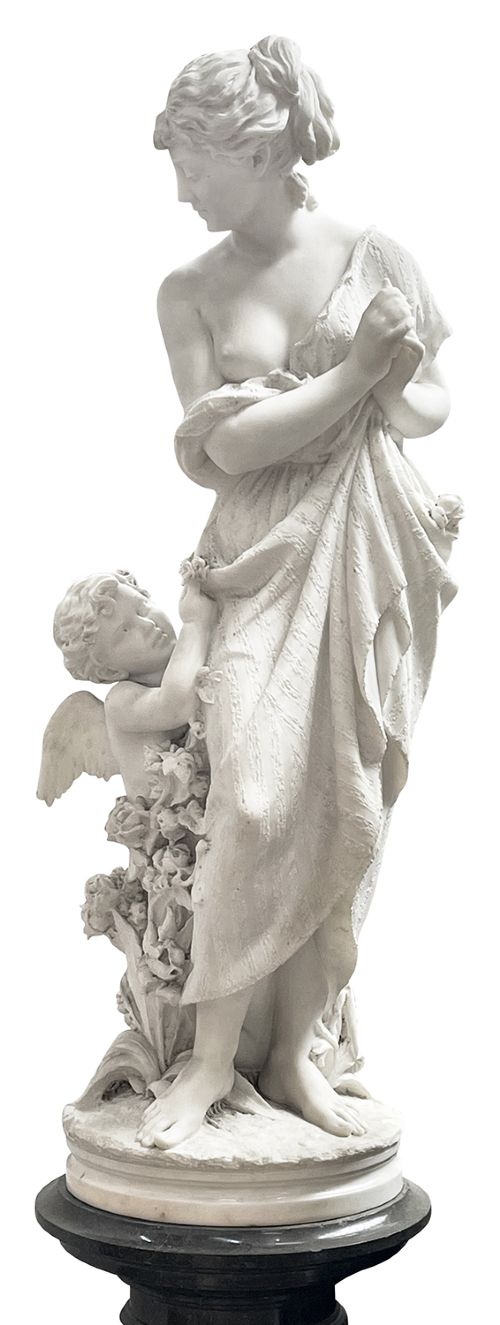
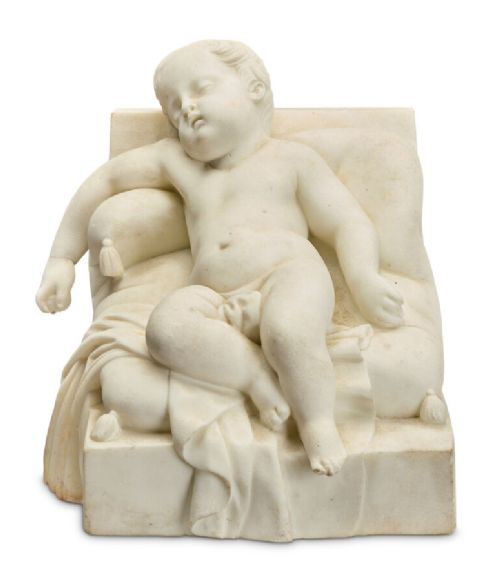
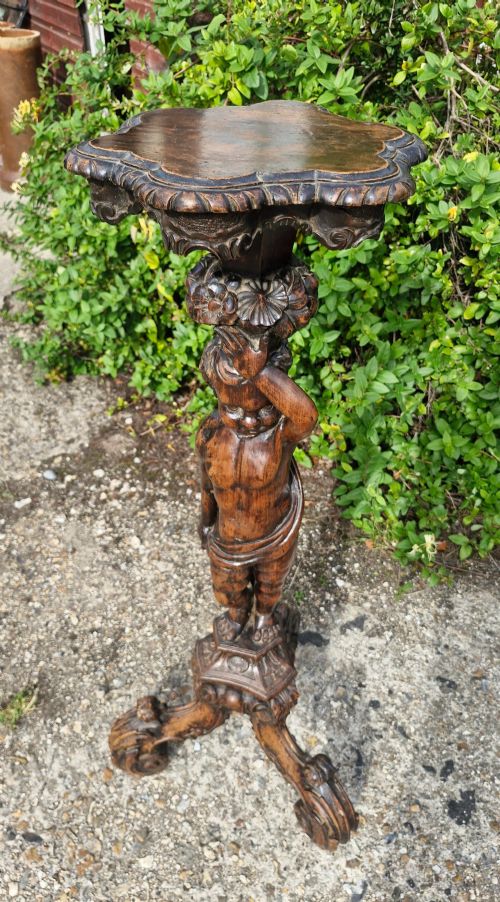
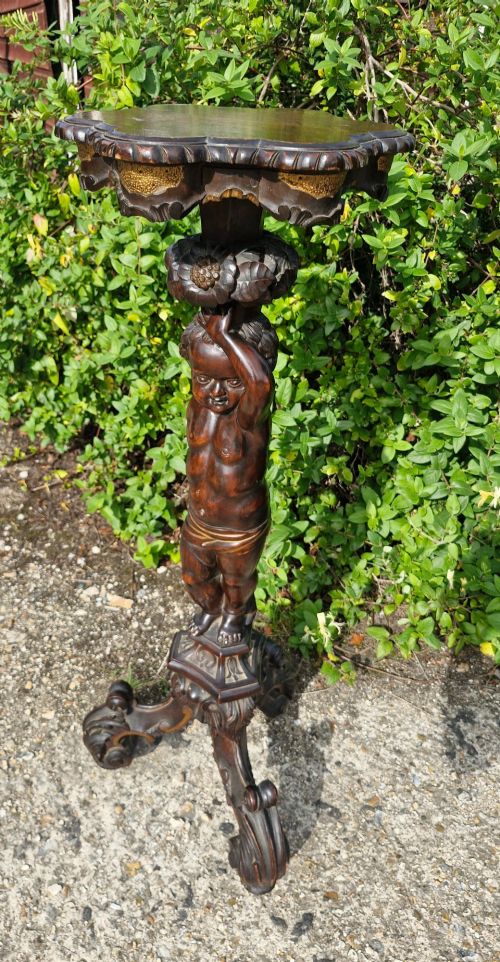
Italian and French workshops dominate the selection, producing figures in walnut, lime wood, and oak that often retain their original polychrome or gold leaf surfaces. Alongside free-standing sculptures and marble figures, you will encounter wall lights, torchiere bases, and architectural ornaments designed to integrate with grand interior schemes.
How they were made
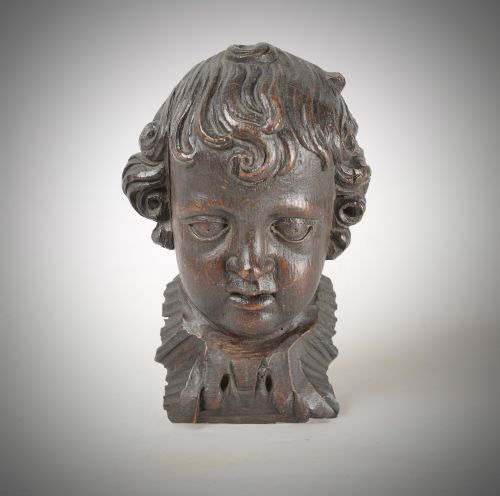
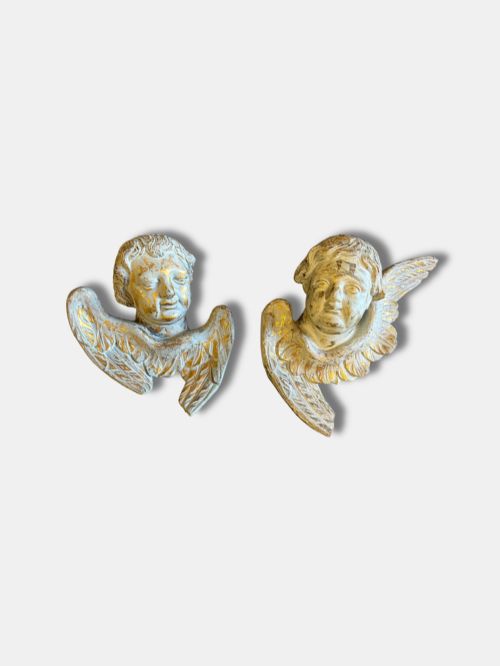
Carvers shaped these figures primarily from dense timbers such as walnut, oak, and lime wood, utilising hand chisels and gouges to achieve fluid muscle and feather detail. Wood was frequently joined with gesso to create a smooth substrate for subsequent gilding with gold leaf or application of polychrome paint.
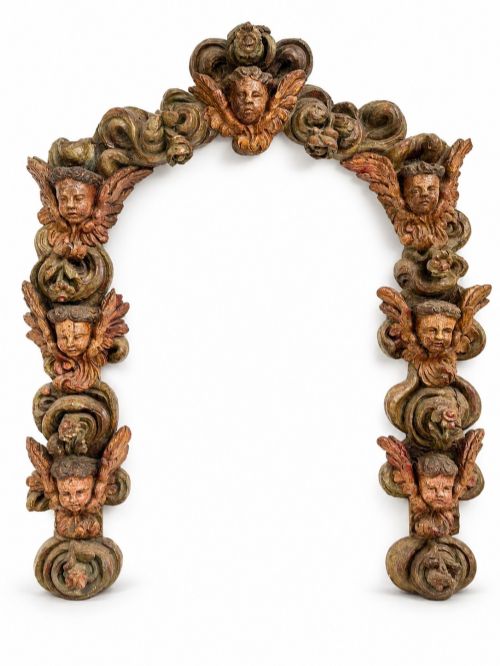
Many mirror frames and wall brackets combine carved wooden elements with moulded gesso decorations, finished in silver gilt or burnished gold. Architectural pieces often show the marks of hand adzes and saws on the reverse, indicating their origin as church furnishings or over-door panels.
Antique Carved Putto Retail Price Guide 2026
Typical asking prices for carved putto among the pieces listed under this phrase on Sellingantiques today, from the lower quarter to the upper quarter. They describe what is for sale here now, not the wider market.
What varies in quality
Quality rests entirely in the anatomical confidence of the carving and the vitality given to the expression of the face and limbs. Superior examples display deep undercut work where wings and curls detach cleanly from the background timber, avoiding the stiff proportions seen in lesser production pieces.
The integrity of the original surface finish dictates value, as authentic seventeenth and eighteenth century gilding or polychrome holds far more character than later overpainting. Well-preserved gesso grounds on mirrors and brackets retain crisp edge definition that worn or heavily restored surfaces lack.
Andrea Brustolon·Grinling Gibbons·Antonio Canova
The Antique Carved Putto Glossary
- Putto
- A plump, often winged male child figure derived from classical art. Sculptors and carvers utilised this motif extensively across Italian and French decorative pieces.
- Giltwood
- Timber coated with a thin layer of gold leaf over a prepared gesso ground. This technique creates a luminous surface common on antique mirrors and wall brackets.
- Polychrome
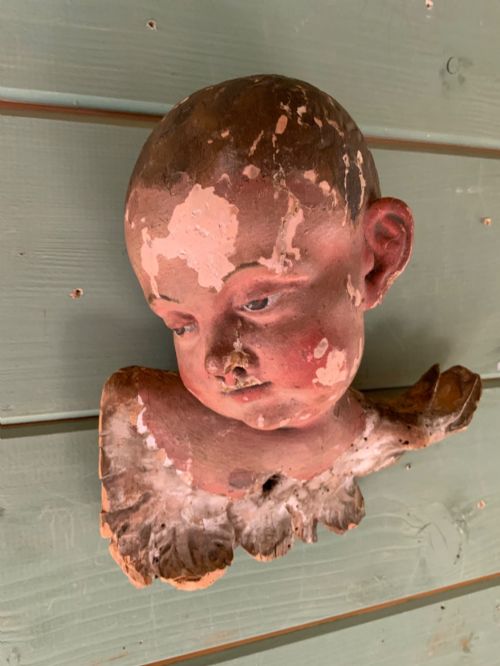
- Decoration applied in several colours on wood or stone sculpture. This surface treatment gives antique cherub heads and figures their lifelike appearance.
- Gesso
- A plaster mixture applied to wood surfaces to provide a smooth base for gilding or painting. Carvers relied on this compound to crisp up fine details.
- Torchiere
- A tall stand or candlestick base intended to hold a light source. Baroque examples frequently incorporate carved putti figures into their structural supports.
Antique Carved Putto: Frequently Asked Questions
What is the difference between a putto and a cherub?
A putto originates from classical mythology as a winged infant, whereas a cherub stems from biblical tradition with higher celestial rank. In antique furniture and art markets, dealers frequently use both terms interchangeably for carved child figures.
Buyers will find that Italian and French pieces from the seventeenth to the nineteenth century label these winged infant motifs under either name depending on whether the context is secular or ecclesiastical.
Are these carvings from churches or homes?
Antique carved putti originate from both domestic interiors and religious buildings such as French and Italian churches. Church survivals often include architectural fragments, altarpieces, and choir stall elements featuring angel heads.
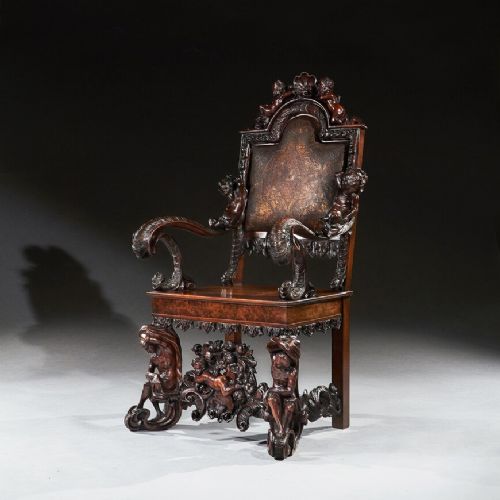
Domestic pieces tend to comprise mirror frames, overmantels, furniture mounts, and wall lights created for grand salons and country houses during the baroque and revival periods.
How should I clean antique giltwood and carved wood?
Dust giltwood frames and carved wooden figures gently with a soft, dry artist brush or ostrich feather duster. Avoid using water, chemical sprays, or modern furniture polishes on antique gold leaf or exposed timber.
Water and harsh cleaners will dissolve delicate gesso grounds and lift fragile gold leaf from the wooden substrate, permanently damaging the historic surface.