
Antique Carved Column
These pieces gather the classical architecture of the past into functional supports, mirror frames and pedestals that bring sculptural weight to a room.
Antique Carved Column
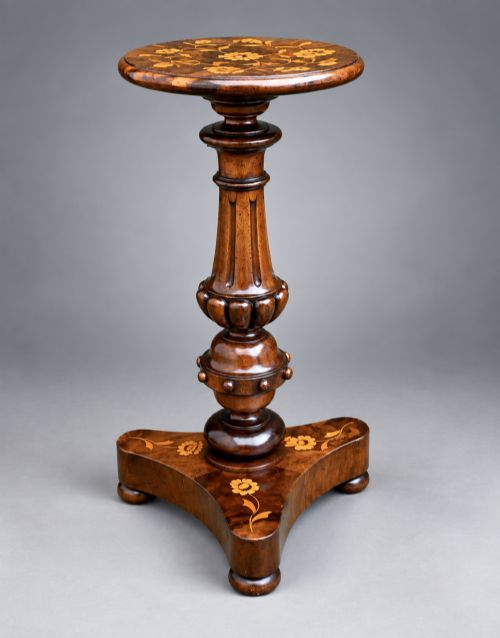
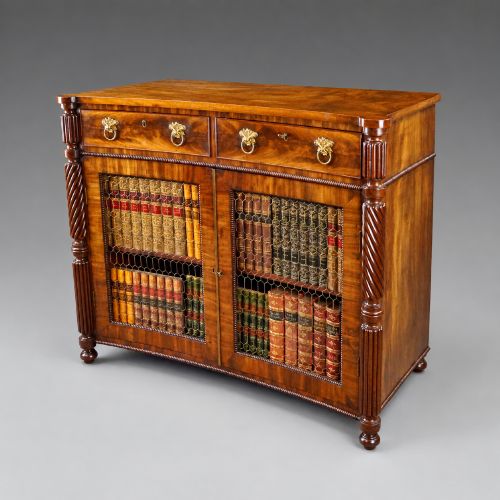
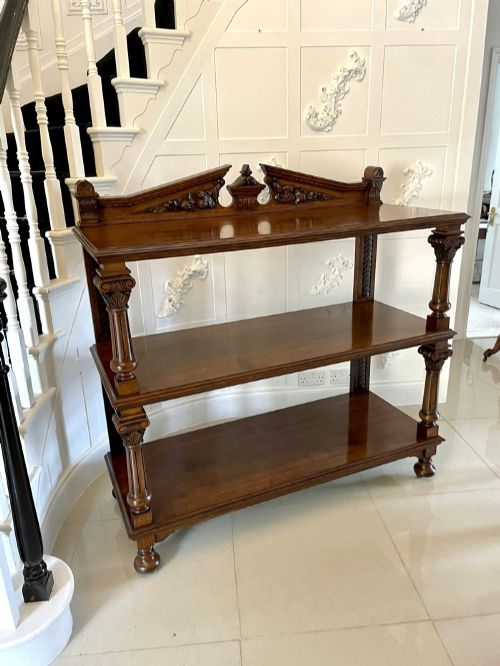
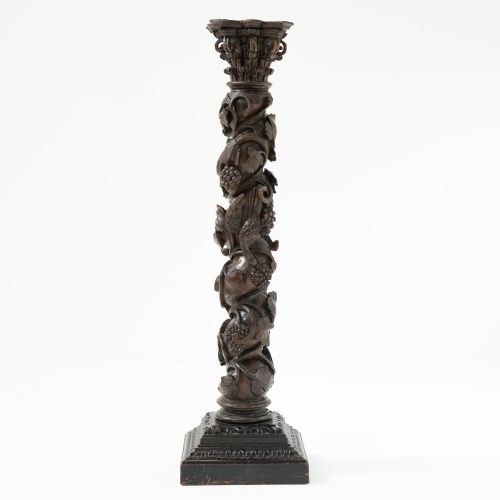
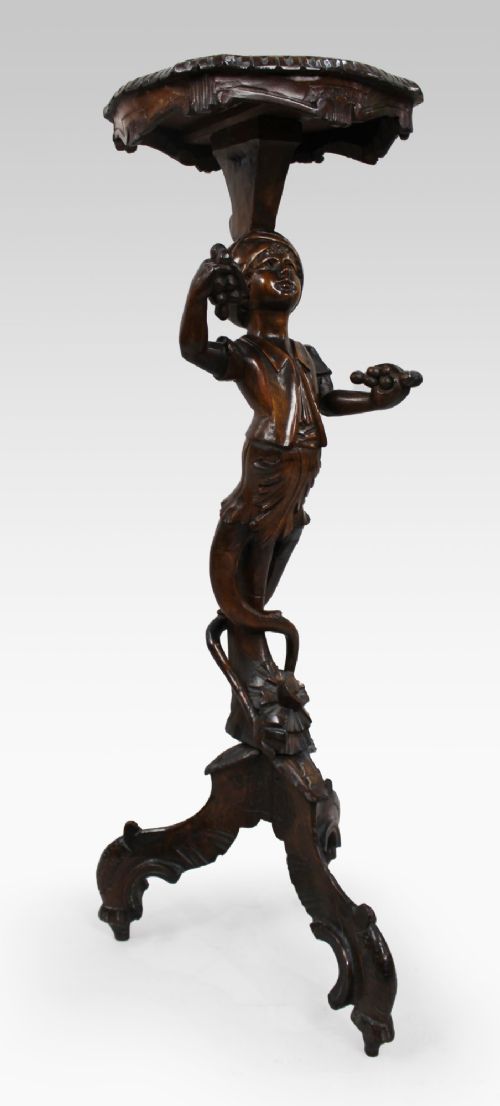
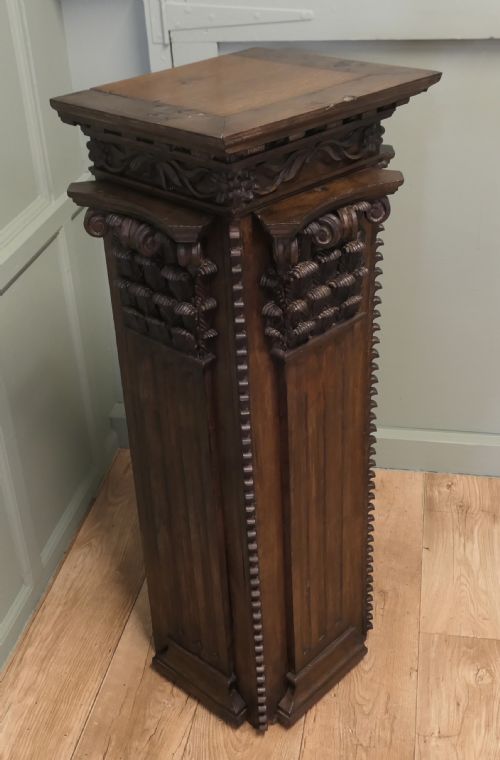
An antique carved column selection brings together structural pillars, display pedestals and architectural mirror frames spanning the nineteenth century and earlier. Pieces range from solid oak floor stands and walnut torchiere bases to gilt and gesso overmantle mirrors framed by classical pilasters.
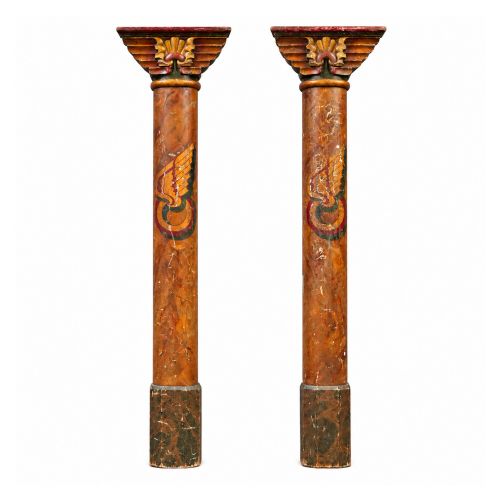
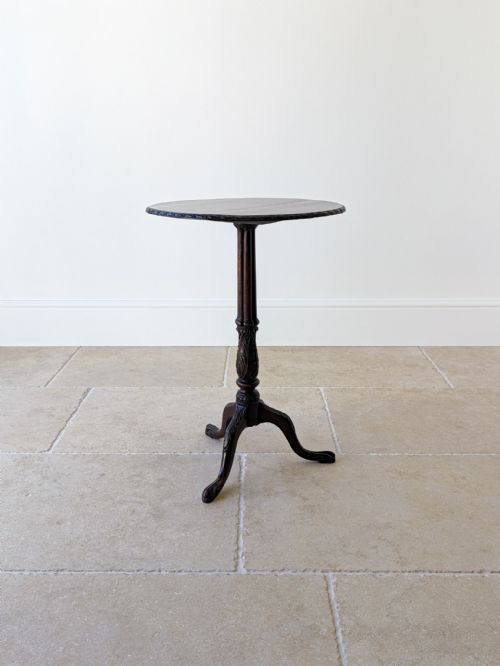
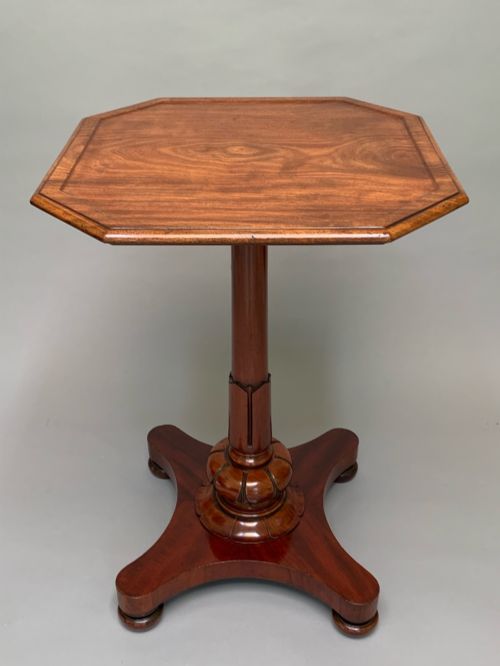
Buyers encounter architectural elements repurposed from buildings alongside freestanding plant stands, torchieres and table lamp bases carved from mahogany and walnut. The selection includes solitary supports, matched pairs and decorative half columns designed to anchor interior spaces.
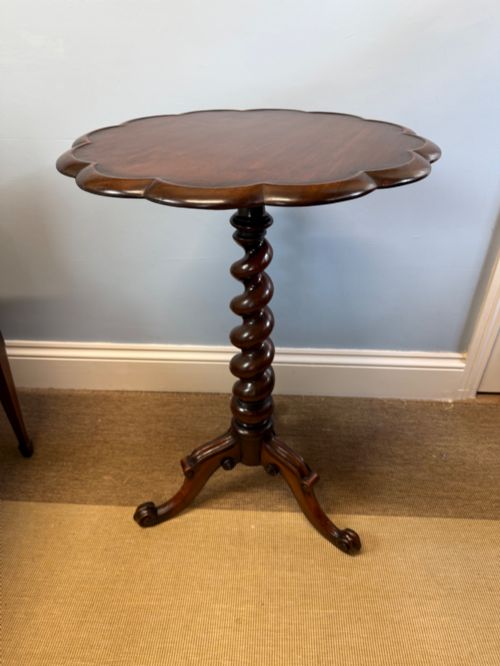
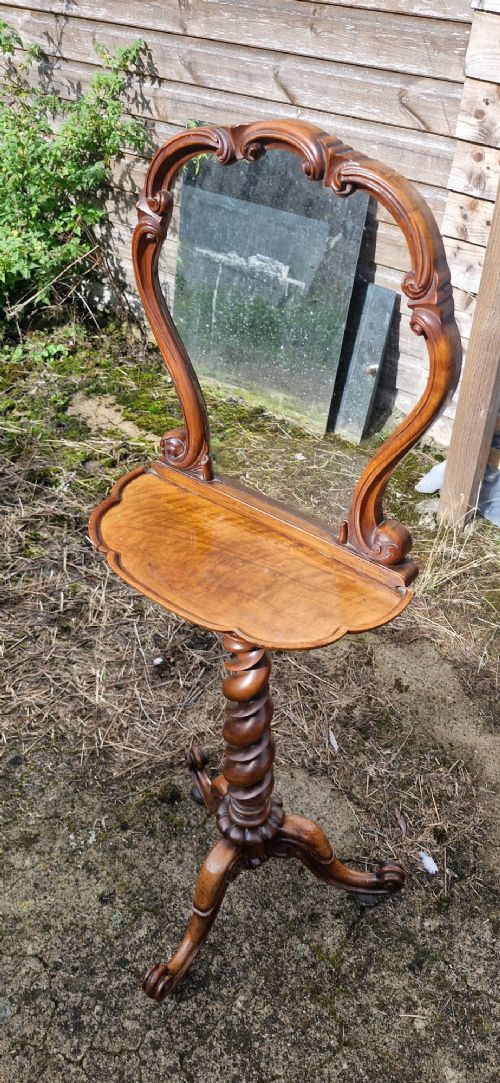
Origins stretch across English, French and Italian workshops, incorporating styles from the neoclassical and Gothic revival periods. Whether taking the form of a twisted solomonic shaft or a reeded Corinthian pillar, each item demonstrates the enduring influence of classical building traditions.
Materials and construction methods
Makers relied primarily on dense timbers such as mahogany, oak and walnut, often turning them on lathes to create smooth shafts or twisting rope patterns. Carved wood details were shaped by hand before being assembled into structural supports or decorative furniture bases.
Gesso and gilt finishes frequently coat the wooden surfaces of architectural mirror frames, providing a smooth base for gold leaf or painted treatments. Stonework and marble appear in structural pillars and display pedestals, offering a heavier alternative to timber.
Judging execution and finish
The standard of a piece rests on the crispness of the hand-carved detailing, particularly around the capitals and fluting where inferior work appears shallow or rounded. Well-executed examples maintain sharp profiles and balanced proportions across the entire shaft.
Surface preservation distinguishes finer specimens, noting whether original gilt, paint or polished timber finishes remain intact rather than heavily obscured by later interventions. Solid timber construction and stable joinery ensure the piece supports its intended weight without structural compromise.
The Antique Carved Column Glossary
- Torchiere
- A tall stand or floor lamp designed to hold a light source atop a slender column. These pieces elevate illumination and serve as vertical focal points in a room.
- Capital
- The uppermost member of a column, typically decorated with carved foliage or scrolls. It sits directly beneath the load-bearing surface or frame.
- Solomonic
- A column shaft characterised by a distinctive spiral twist running from base to capital. This form derives from classical architecture and creates dynamic movement.
- Gesso
- A plaster-like mixture applied to wood surfaces as a preparation for painting or gilding. It allows craftsmen to model intricate relief ornamentation.
- Corinthian
- A classical order of architecture recognised by ornate capitals adorned with stylised acanthus leaves. It represents the most decorative of the ancient Greek and Roman column styles.
Antique Carved Column: Frequently Asked Questions
How were antique columns used?
These items served various structural and decorative purposes in historic interiors, functioning as load-bearing supports, display pedestals for art, and frames for large overmantle mirrors.
Freestanding torchieres and plant stands held lighting and flora, while architectural fragments were incorporated into rooms to introduce a sense of classical proportion.
Where should I place a column?
Columns and pedestals perform well in corners, empty wall spaces or flanking doorways where their vertical lines draw the eye upward and add architectural depth.
Smaller table lamps and torchieres sit comfortably on side tables, while large mirror frames require sturdy wall fixings to support their substantial timber and gesso weight.
How do I identify the period?
Dating relies on observing the combination of timber species, carving styles and surface finishes, comparing them against documented design movements like the Regency or Victorian eras.
Hand-tool marks, the composition of the gesso, and the specific interpretation of classical motifs provide clues to whether a piece originates from the nineteenth century or earlier.
Are pairs common?
Matched pairs frequently occur in architectural elements such as half columns, fireplace surrounds and architectural pillars intended to frame a central view or mirror.
Finding symmetrical pairs becomes less common with freestanding furniture pieces like torchiere stands and occasional tables, which more often survive as single examples.