

Antique Carved Clock
An antique carved clock brings mechanical precision and deep wooden texture together, offering a functional centrepiece shaped by centuries of cabinet-making.
Antique Carved Clock
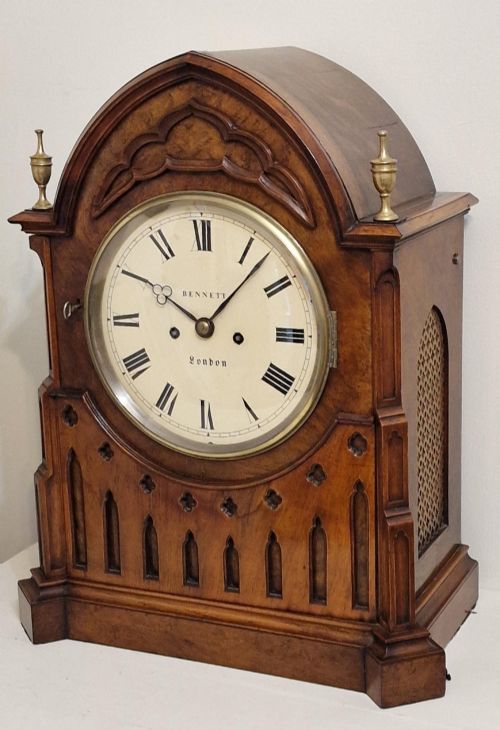
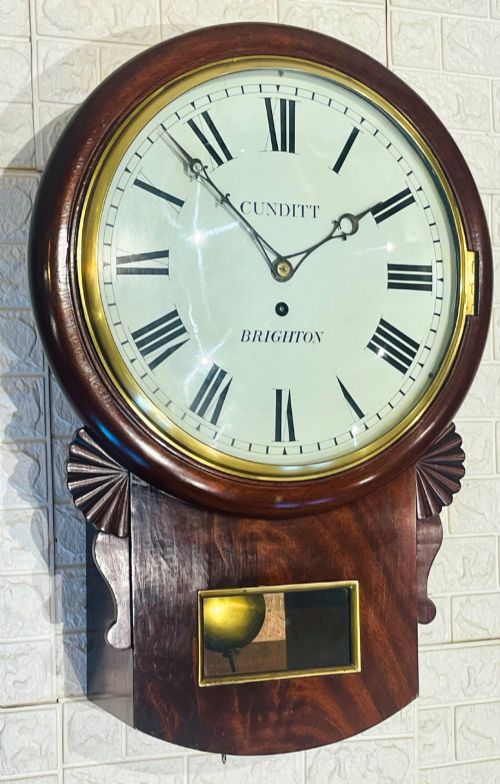
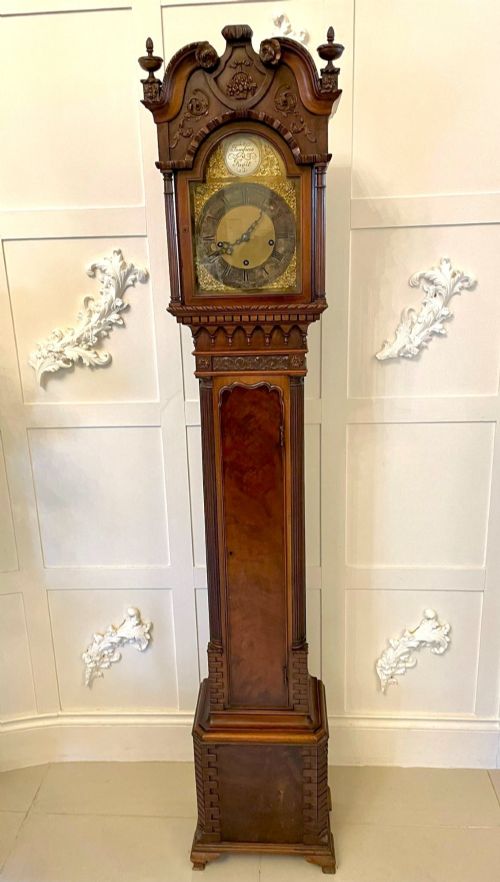
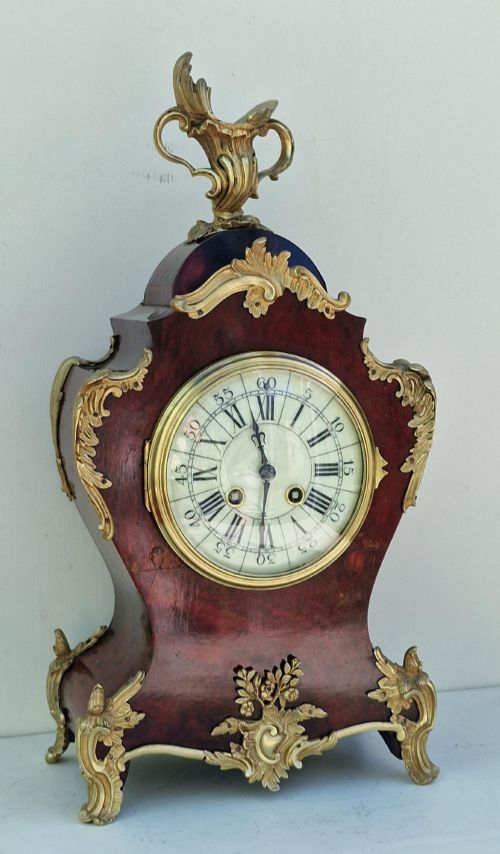
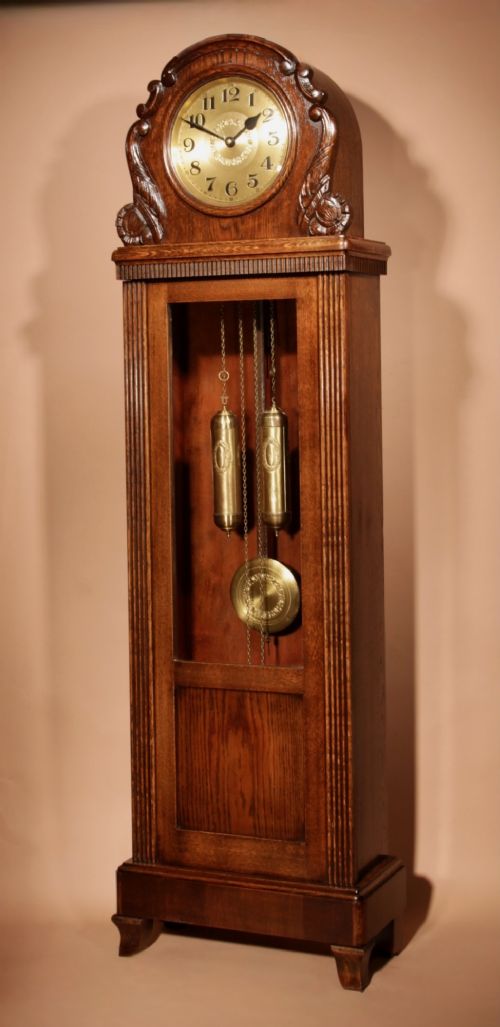
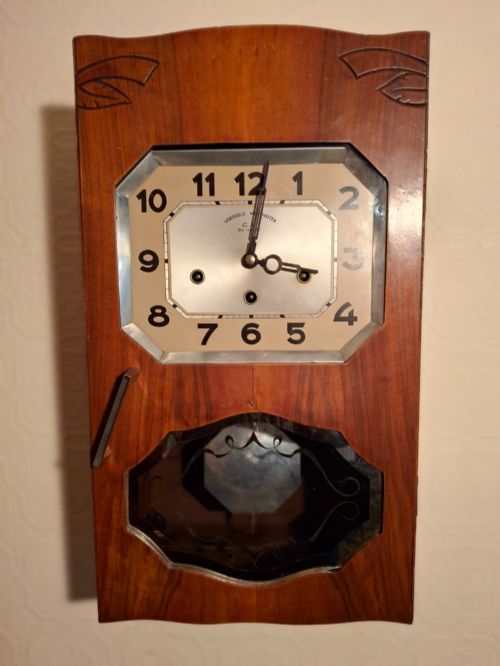
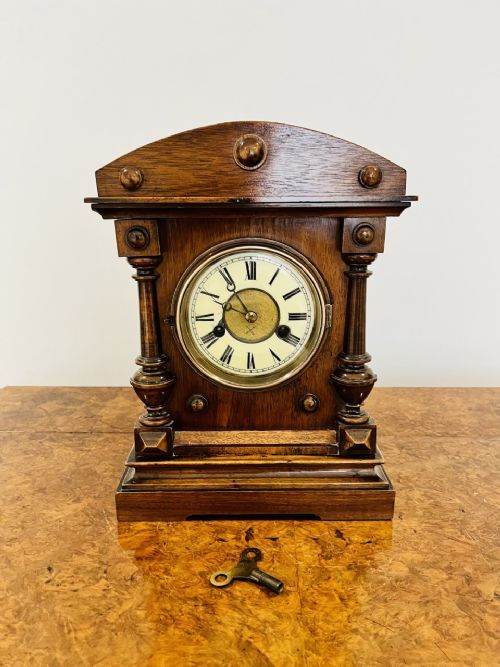
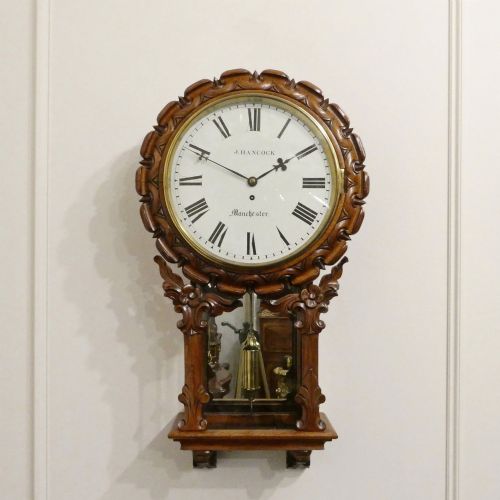
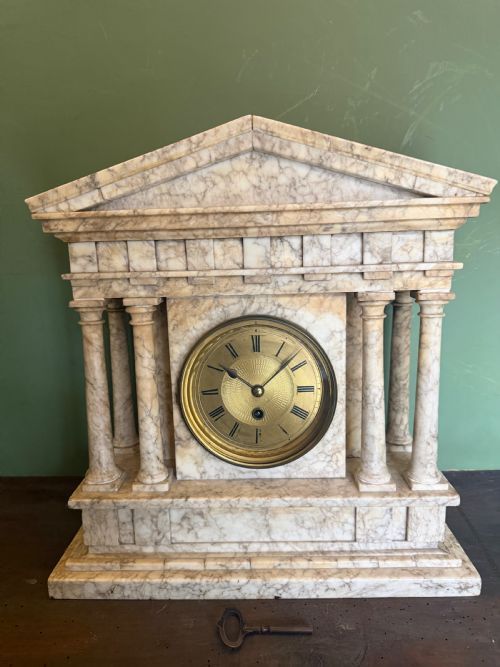
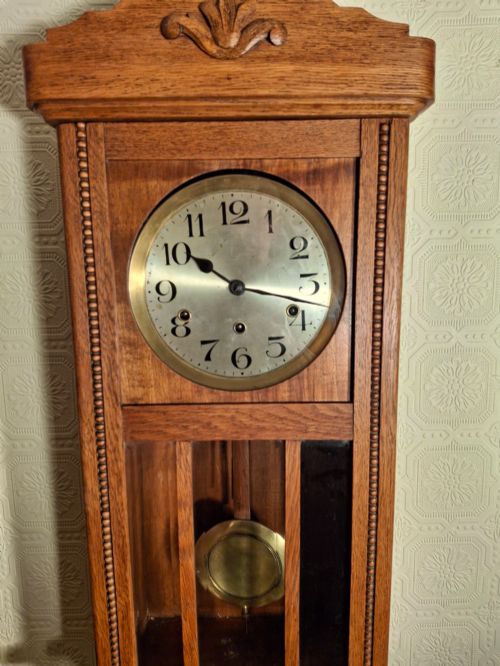
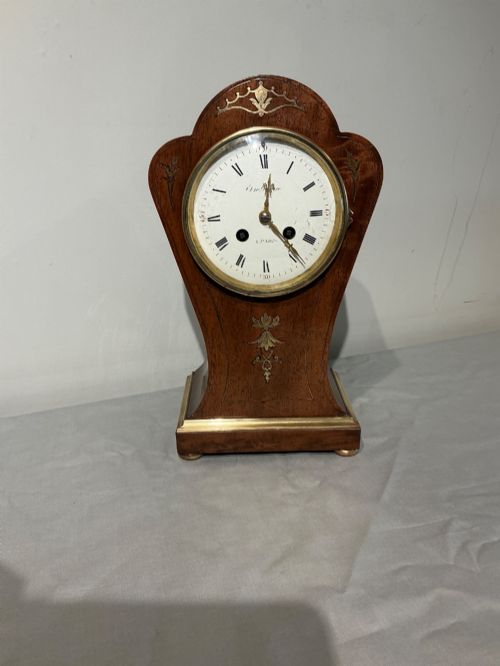
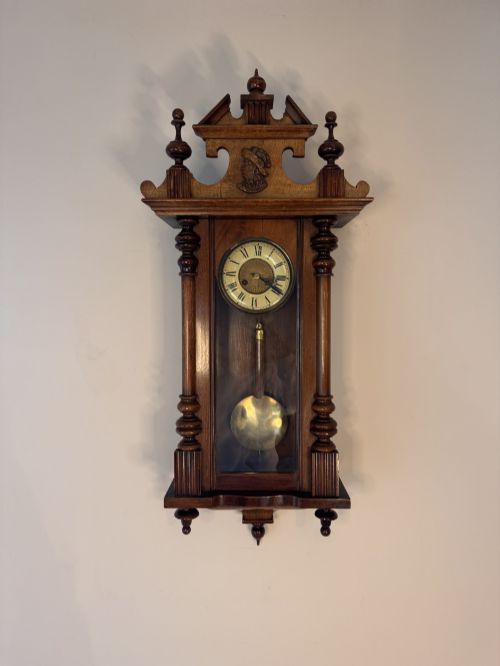
An antique carved clock encompasses wall clocks, mantel clocks, and longcase clocks spanning the eighteenth century to the early twentieth century. These timepieces display decorative woodwork across styles ranging from Georgian and Victorian to Art Deco and Black Forest designs.
Regional variations appear frequently, including Scottish drumhead grandfather clocks, German wall regulators, and Swiss or German cuckoo clocks. Each form reflects the domestic interior habits and horological trades of its period of origin.
How They Were Made
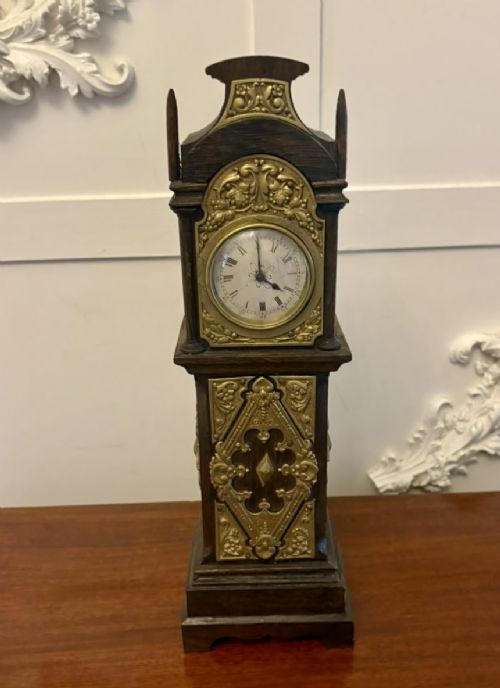
Cabinet makers constructed the timber cases using solid oak, mahogany, and walnut, often applying ebonised finishes or brass face detailing. Woodcarvers worked directly into the housing surfaces to create architectural fretwork, floral motifs, and Black Forest animal carvings.
Clockmakers fitted mechanical movements driven by weights, springs, or fusee mechanisms, paired with metal dials, brass faces, and glass bezels. These internal gear trains governed strike sequences, chime rods, and pendulum swings.
Antique Carved Clock Retail Price Guide 2026
Typical asking prices for carved clock among the pieces listed under this phrase on Sellingantiques today, from the lower quarter to the upper quarter. They describe what is for sale here now, not the wider market.
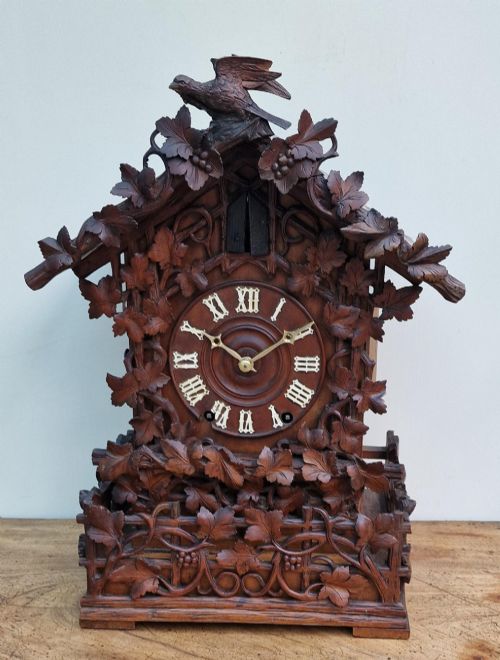
Black Forest cuckoo clocks bring miniature mechanical forest birds into the parlour, chirping through hand-carved oak leaves.
What Varies in Quality
The distinction between tiers rests upon the crispness of the timber carving and the architectural ambition of the case construction. Deep relief work and well-proportioned fretwork separate standard production models from exhibition pieces.
Movement complexity and signature marks alter the standing of a clock. Signed dials from known makers and multi-train chiming mechanisms indicate higher workshop standards.
Jn° Smith Macclesfd·Richard Corless of Stockport·Brockbanks & Atkins·Walker and Hall·Winterhalder·Andrew Thom·H.A.C.·Lenzkirch·Odo
The Antique Carved Clock Glossary
- Fusee
- A conical pulley connected to the mainspring by a cord or chain that equalises the power output as the spring unwinds. This mechanism improves timekeeping accuracy across the duration of the wind.
- Longcase clock
- A tall floor-standing timepiece housed in a wooden trunk with a weighted pendulum and dial at the top. These pieces are also known colloquially as grandfather or grandmother clocks depending on their height.
- Bracket clock
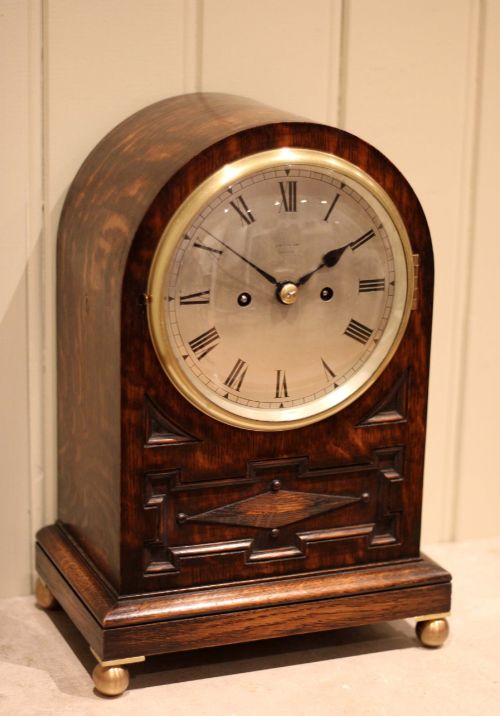
- A portable table or mantel clock originally designed to sit on a wall bracket. They commonly possess carrying handles and glazed side panels.
- Cuckoo clock
- A striking clock that uses bellows and whistles to imitate the call of a bird through a small opening in the carved wooden case. Originating in the Black Forest, they typically feature prominent leaf and animal woodcarvings.
- Drop dial clock
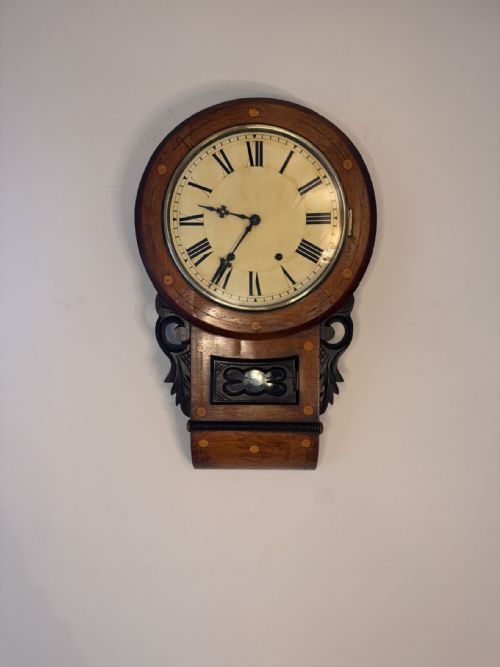
- A wall clock featuring a circular dial mounted above a short wooden trunk that encloses a pendulum. They found widespread service in railway stations, offices, and domestic hallways.
Antique Carved Clock: Frequently Asked Questions
How do I wind a mechanical antique clock?
Most mechanical clocks require a key or crank inserted into winding holes on the dial to tension the springs or lift the driving weights. Care must be taken not to overwind the mechanism.
Different movements require winding at intervals ranging from eight days to fourteen days. Following the specific rhythm of the movement prevents damage to the gear train.
Where should I place a longcase clock?
Longcase clocks need a stable, dry interior wall away from direct sunlight, heating vents, and damp floorboards. Standing them on level ground ensures the pendulum swings evenly.
Securing the tall wooden trunk to the wall using discreet brackets prevents tipping. A stable environment protects the wood grain and keeps the escapement functioning properly.
How do I tell an 18th-century clock from a Victorian one?
Eighteenth-century examples often display brass dials with subsidiary seconds and calendar rings housed in substantial oak or walnut longcase frames. Dial engraving and cabinet joinery reflect Georgian proportions and regional workshop methods.
Victorian pieces introduce factory-stamped movements, ebonised woods, and diverse revival styles such as Gothic and Jacobean. The use of stamped brass components and machine-cut gears becomes more prevalent in this later era.
Can I keep a cuckoo clock running daily?
A cuckoo clock can run daily if the weights are pulled regularly and the movement is clean. The bellows and bird mechanism require unobstructed clearance behind the carved wooden case.
Setting up the clock involves hanging the weights at balanced heights and regulating the wooden pendulum. Regular positioning keeps the bird calling accurately on the hour and half-hour.