



Antique Carry Box
These antique carry box examples are robust portable containers built from wood, leather, and metal to transport domestic, legal, or professional goods.
Antique Carry Box
When you search for an antique carry box, you encounter a varied selection of utilitarian containers spanning the Georgian, Victorian, and 1920 periods. These practical objects take many forms, including butler's trays, cutlery caddies, medical chests, trunks, and artist paint boxes.
The pieces on this page originate from English, French, Dutch, and Japanese workshops, reflecting both domestic household service and specialised professions. You are most likely to meet wooden work boxes, leather cases, and metal-bound storage pieces equipped with handles for genuine portability.
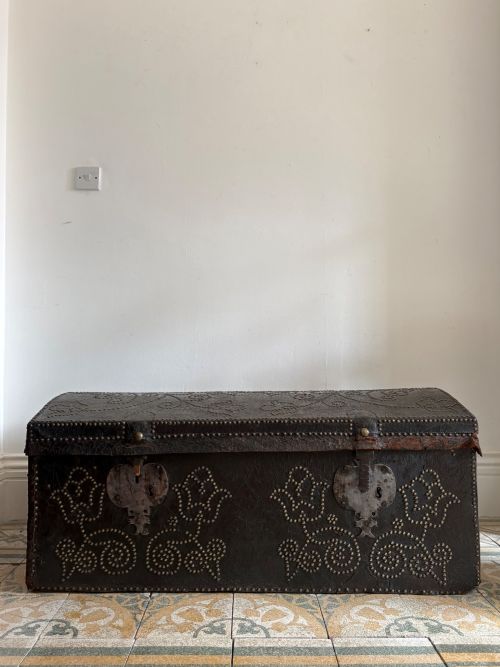
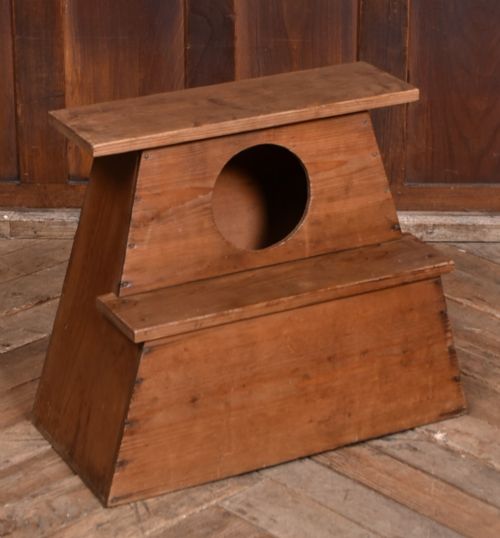
Utility defines this group, ranging from large dome-top leather trunks with carry handles to small picnic cases and vendor stools. Each item was constructed to move essential tools, provisions, or documents from place to place.
Materials and construction
Makers utilised durable hardwoods such as oak, walnut, fruitwood, elm, and rosewood, alongside pine and sturdy leather. Metal elements like brass carrying hoops, iron hasps, and decorative studs reinforce the structural integrity of these portable containers.
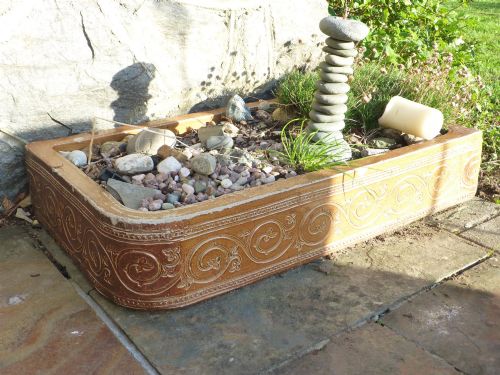
Specialist items incorporate specific regional techniques, such as salt-glazed stoneware for planters, toleware for kitchen buckets, and intricate Tunbridge inlay on Victorian sewing machine cases. Handles are integrated securely into the design, whether forged in iron or fashioned from the primary wood of the box.
Antique Carry Box Retail Price Guide 2026
Typical asking prices for carry box among the pieces listed under this phrase on Sellingantiques today, from the lower quarter to the upper quarter. They describe what is for sale here now, not the wider market.
Listings feature wood, leather, ceramic, and iron materials across 18th Century, Georgian, Victorian, and 1920 periods.
Factors of quality
Quality in an antique carry box depends upon the selection of timber, the precision of the joinery, and the retention of original hardware like brass handles and iron hasps. Superior examples display thoughtful construction designed to withstand the rigours of frequent transport.
The presence of maker details, such as stamped signatures on leather cases or specialised internal fittings for medical equipment and artist paints, elevates a piece. Finer items balance robust utility with refined decorative finishes like inlay or quality turned wooden carrying elements.
Guichard Carriès·Ravenscroft Law·John Pound·Winsor & Newton·Faudels of London
The Antique Carry Box Glossary
- Toleware
- Painted or lacquered metalware, commonly iron or steel, used for household buckets and utilitarian containers. It provides a durable, wipe-clean surface.
- Tunbridge inlay
- A form of woodworking where small pieces of naturally coloured woods are arranged to form mosaic pictures or geometric patterns on boxes.
- Salt-glazed stoneware
- Pottery fired at high temperatures with salt thrown into the kiln, creating a dense, glossy, slightly textured finish suitable for heavy-duty troughs.
- Canterbury
- A low stand featuring partitions, originally designed to hold sheet music or folios, typically fitted with a carrying handle on top.
- Hasps
- Fastening devices consisting of a slotted plate over a staple, secured by a pin or padlock to keep box lids firmly shut during transit.
Antique Carry Box: Frequently Asked Questions
What were antique carry boxes used for?
These containers served specific functional roles in daily life, transporting legal papers, medical supplies, artist materials, cutlery, and personal belongings. Their robust handles and sturdy construction allowed professionals and households to move necessary goods securely.
Over time, many transitioned from active service in country houses and offices to decorative storage roles. Their original partitioning often reveals the exact tools or documents they were tailored to hold.
How do I care for a wooden carry box?
Keep wooden boxes away from direct heat sources and fluctuating humidity to prevent the timber from warping or splitting. Regular, light applications of traditional wax help nourish the surface and maintain the finish without building up heavy residues.
Handle brass and iron hardware gently during cleaning, ensuring moisture does not linger on metal parts or leather hinges. Preserving the natural patina requires minimal intervention and gentle dusting.
How can I tell the period of a carry box?
Dating relies on observing construction methods, timber choices, and hardware styles associated with Georgian, Victorian, or 1920s manufacturing. Georgian pieces often display different dovetailing and wood preparation compared to later Victorian or early twentieth-century examples.
Maker marks, stamped names, and associated historical context provide concrete clues to production dates. Examining the interior fittings and locks also helps narrow down the era of manufacture.
Are these boxes still practical for daily use?
Many of these containers retain their structural integrity and function well as storage for modern items like stationery, art supplies, or household sundries. Their durable construction makes them remarkably resilient despite their age.
Care should be taken with delicate linings or historical finishes if utilising them heavily. Selecting a box suited to its intended new purpose ensures it remains both useful and preserved.