
Antique Carriage Timepiece
An antique carriage timepiece is a portable mechanical clock designed for travel, combining precision brass work with glass panels for easy viewing on the move.
Antique Carriage Timepiece
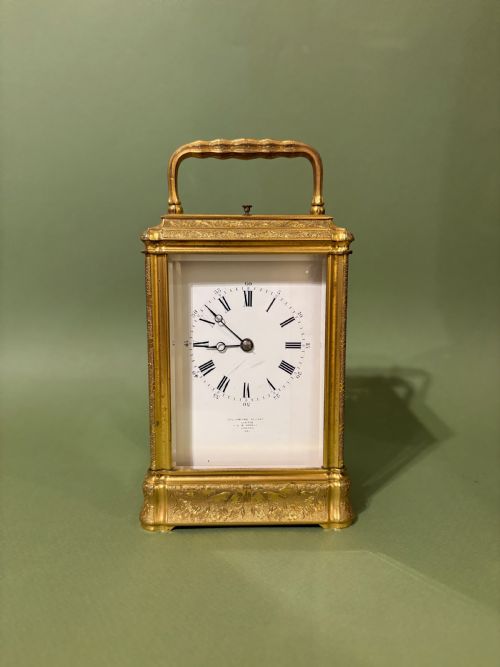
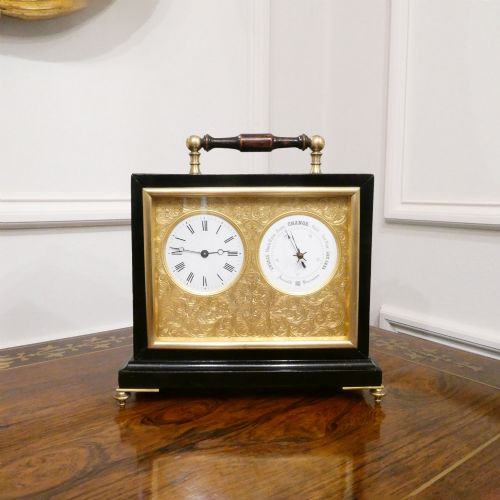
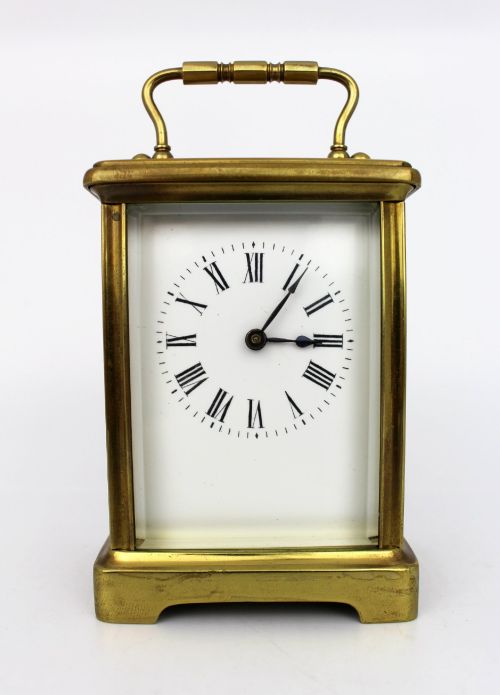
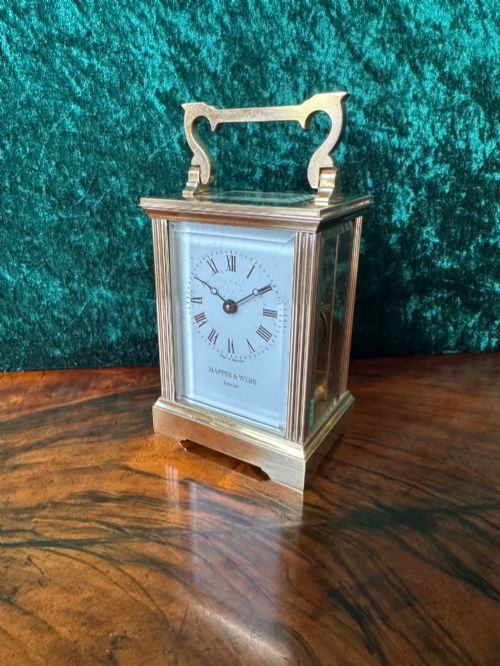
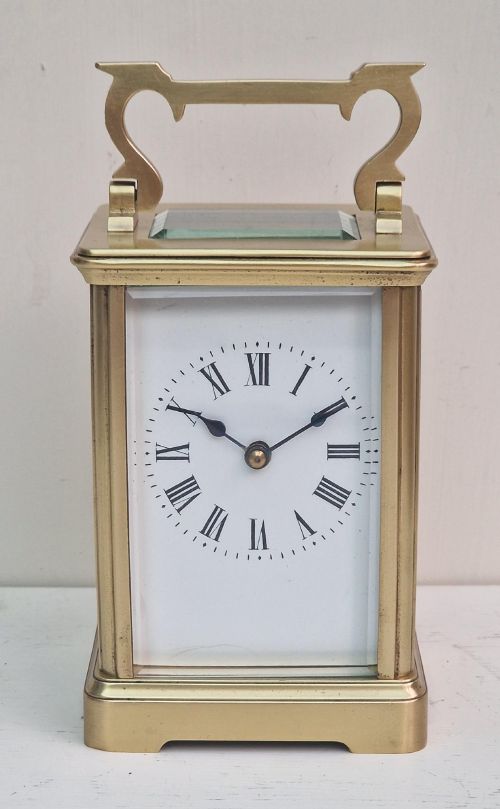
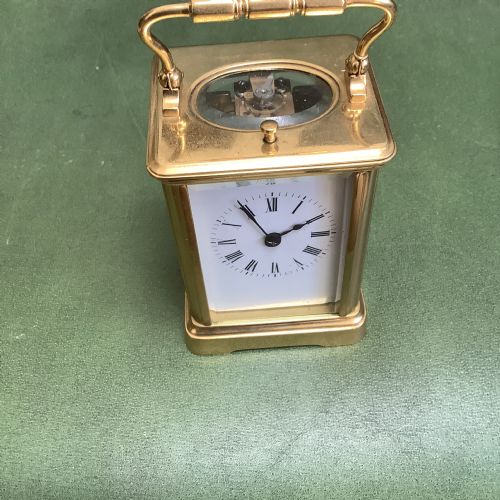
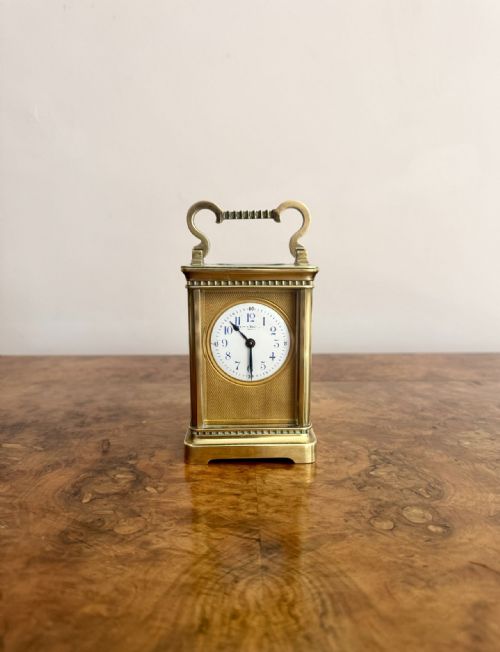
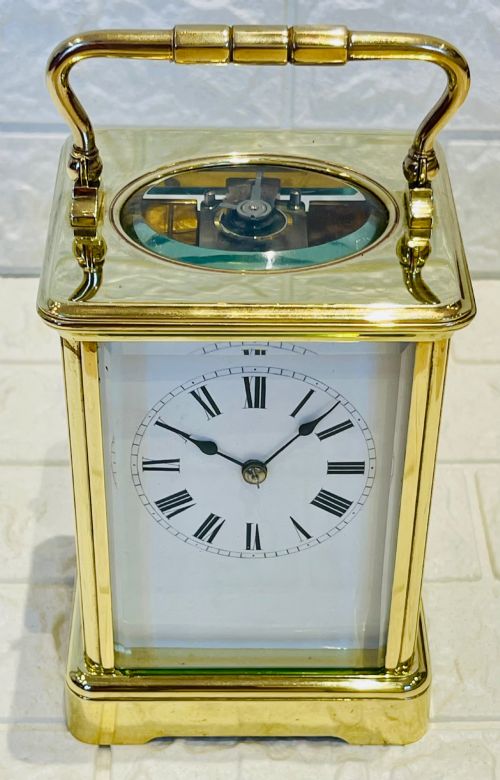
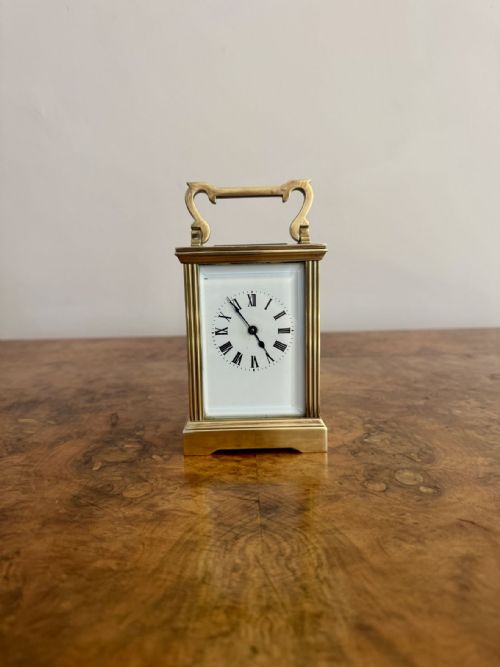
When you search for an antique carriage timepiece, you encounter portable mechanical clocks produced predominantly during the nineteenth and early twentieth centuries. These objects typically feature rectangular metal frameworks inset with glass panels that reveal the internal escapement and gear train. French workshops and English makers alike produced these designs to serve travellers who required accurate timekeeping away from stationary mantel clocks.
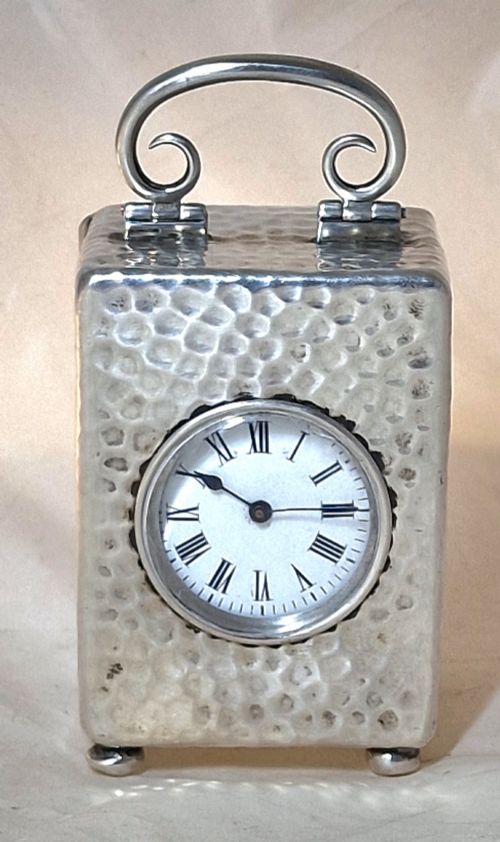
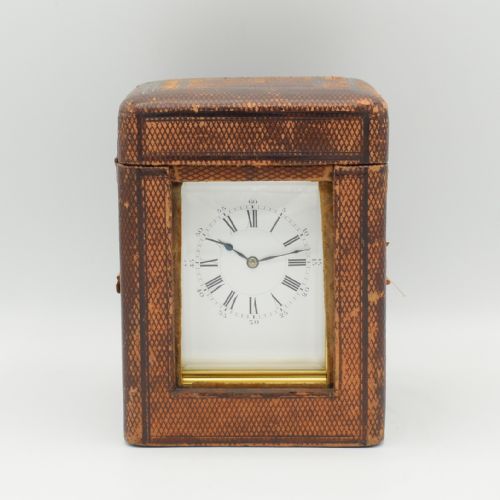
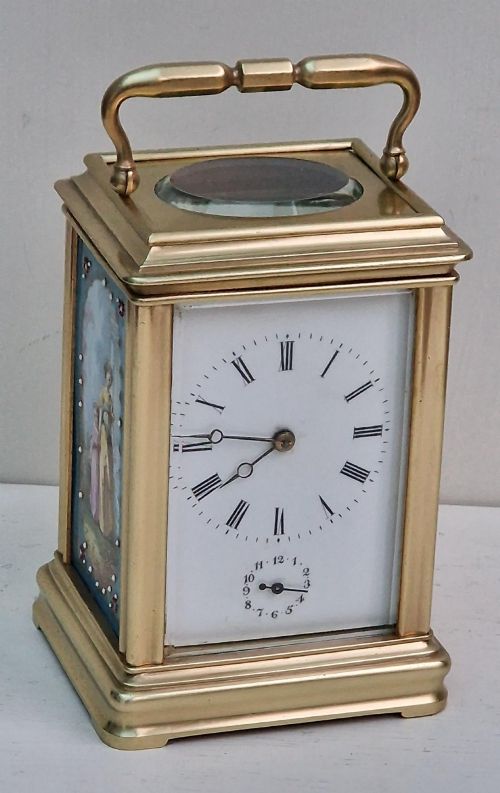
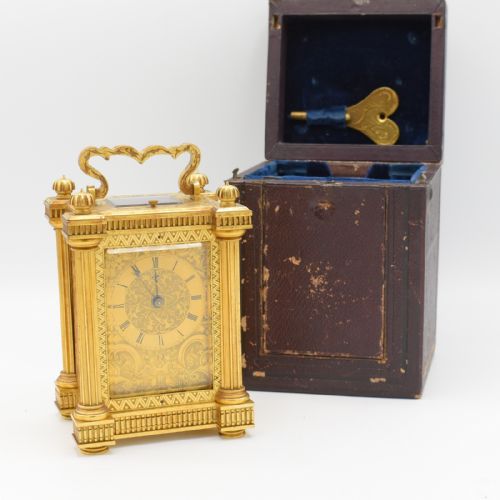
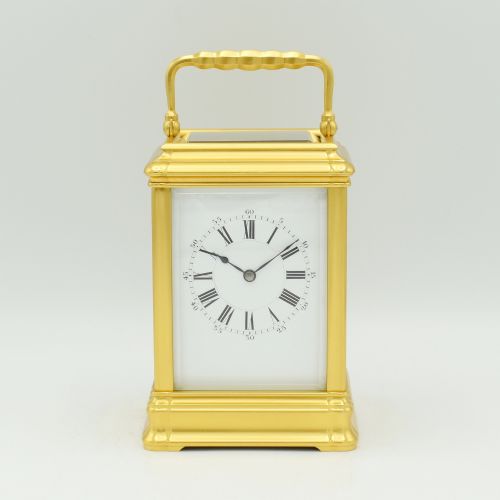
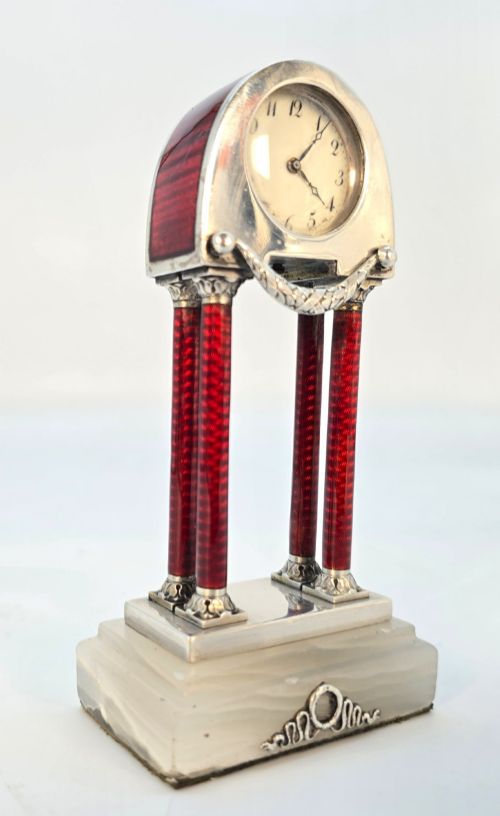
The version you are most likely to meet on this page is the brass cased French or English example dating from the Victorian or Edwardian eras. Many include protective leather travel cases alongside winding keys, while others take diminutive forms known as miniature or boudoir timepieces. Makers varied these formats with porcelain panels, silver mounts, or striking mechanisms according to the taste of the period.
Materials and construction methods
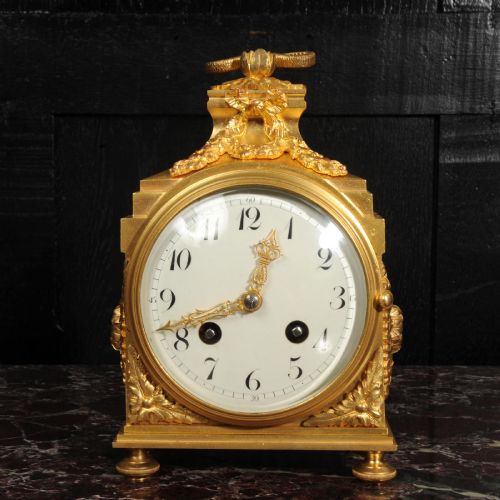
These pieces rely heavily upon cast and polished brass, gilt bronze, and sterling silver to form the structural cases that house delicate mechanical movements. Craftsmen fitted bevelling to glass panels so that users could observe the balance wheel and escapement from multiple angles without opening the casing. More decorative examples incorporate fired enamel, porcelain panels, or inlaid rosewood to add colour and texture to the exterior.
Makers housed the gear trains within substantial metal plates driven by mainsprings, often incorporating platforms for the escapement to maintain accuracy during transport. Premium iterations received mercury gilding or fine hand engraving across the brass surfaces, while travel cases used stitched leather lined with velvet or silk to cushion the clock.
Listings feature brass, gilt bronze, sterling silver, and glass constructions from the Victorian and Edwardian periods.
Distinctions in craftsmanship
Quality in an antique carriage timepiece rests upon the crispness of the brass casting, the depth of any hand engraving, and the refinement of the movement within. Examples by renowned makers exhibit superior finishing on internal components and heavier, more rigid metal frames that maintain alignment over decades of use. Simpler mass-produced models rely on plain cases and standard movements with less hand-finishing.
The presence of original fitted travel cases, matching winding keys, and specialised complications such as repeaters or alarms elevates the standing of a piece. Materials also mark the range, moving from standard brass up to sterling silver hallmarked cases or finely painted porcelain inserts executed by skilled artisans.
Henri Jacot·Howell & James·Georg Adam Scheid·Pickford of London·Drocourt Paris·T. Martin & Co·C. Detouche Paris·John Morley·Antoine Redier of Paris·Duverdrey & Bloquel
The Antique Carriage Timepiece Glossary
- Gorge case
- A stepped brass carriage clock case design featuring distinct curved mouldings at the top and bottom frame members. This classical architectural profile remains typical of fine nineteenth-century French production.
- Repeater
- A mechanism that chimes the hours and quarters upon demand when a lever or button on the case is pressed. This complication allowed users to check the time in darkness.
- Platform escapement
- The small horizontal assembly mounted on top of the movement containing the balance wheel and hairspring. It replaced the pendulum to permit portable timekeeping.
- Pendule d'Officier
- A military style of portable clock produced for officers on campaign, often featuring robust brass cases and distinct dial layouts. They represent an early phase in the evolution of transportable clocks.
Antique Carriage Timepiece: Frequently Asked Questions
What is a carriage timepiece?
A carriage timepiece is a portable mechanical clock created for travel during the nineteenth and twentieth centuries. They feature glass panels and robust metal cases designed to withstand movement while keeping accurate time.
Unlike striking clocks, a timepiece indicates the hours without chiming mechanisms. Their compact proportions made them suitable for packing into leather travel cases.
How do I wind a carriage clock?
Winding requires a matching key inserted into the arbours located on the underside or backplate of the movement. Turn the key gently until you feel resistance from the mainspring.
Avoid overwinding the spring, as this can damage the internal components. Regular winding at consistent intervals helps maintain steady timekeeping.
What is the difference between a timepiece and a clock?
In horology, a timepiece refers specifically to a mechanism that measures and displays the time without sounding hours or quarters. A clock typically includes striking, repeating, or alarm functions alongside the basic timekeeping train.
Carriage timepieces focus strictly on visual time display, resulting in simpler internal layouts compared to their striking counterparts.
How should I care for an antique carriage clock?
Keep the clock in a stable environment away from direct sunlight, excessive moisture, and rapid temperature fluctuations. Placing it on a secure, level surface prevents vibrations from disrupting the balance wheel.
Professional servicing every few years ensures the internal lubricants remain clean and the gear trains operate without undue wear.