





Antique Carpenter Box
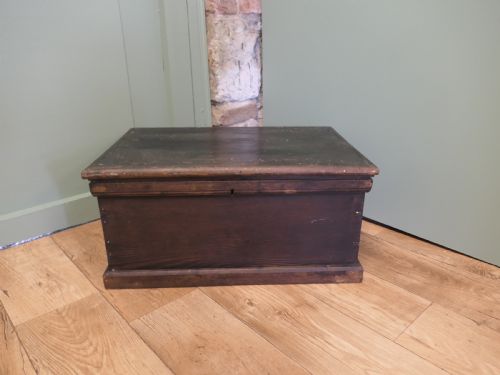
An antique carpenter box is a sturdy wooden receptacle built for holding working tools, offering robust construction and honest utility that suits modern interiors.
Antique Carpenter Box
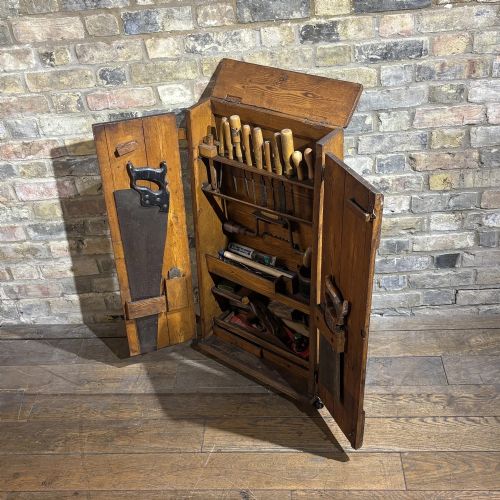
When you search for an antique carpenter box, you encounter hardworking storage containers designed for tradesmen and craftsmen. These trunks and chests range from portable cabinets to heavy floor-standing tool chests intended for daily site work.
The pieces on this page are predominantly pine, elm, and oak items originating from the Georgian, Victorian, and Edwardian eras. You also find specialised forms such as shipwright trunks and Japanese tansu chests alongside associated iron hardware.
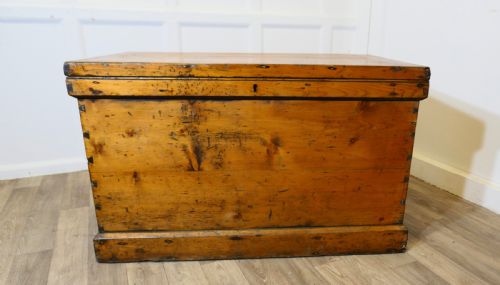
Most examples prioritize function over ornament, featuring dovetailed joints, robust timber walls, and heavy-duty iron or steel locks. They serve well today as coffee tables, blanket storage, or practical statement pieces in industrial loft settings.
How they were made
Construction relies on solid timbers like pine, pitch pine, oak, elm, and wood, chosen for their ability to withstand heavy daily use. Carpenters and joiners utilised robust corner joints and internal till trays to keep hand tools organised during transit.
Metal reinforcement was essential for longevity, incorporating iron and steel locks, keys, hinges, and rope handles for lifting heavy loads. Surfaces were frequently left natural, ebonised, or darkened through decades of workshop use and oil exposure.
Antique Carpenter Box Retail Price Guide 2026
Typical asking prices for carpenter box among the pieces listed under this phrase on Sellingantiques today, from the lower quarter to the upper quarter. They describe what is for sale here now, not the wider market.
Some work trunks survived decades of sawdust and plane shavings only to end up repurposed as living room coffee tables.
What varies in quality
Quality in a carpenter box rests upon the integrity of the timber selection and the precision of the joinery. Finer examples display tight dovetailing, intact original ironwork, and functional working locks with matching keys.
The presence of specialised internal fittings, such as partitioned till boxes and dedicated tool racks, distinguishes standard utility chests from superior cabinet maker pieces. Patina accumulated from genuine workshop service also separates utilitarian survivors from neglected items.
The Antique Carpenter Box Glossary
- Till
- A small internal sliding tray or compartment built inside a chest to hold smaller tools, nails, and measuring instruments. It usually sits near the top edge for easy access.
- Dovetail
- A strong wood joint formed by interlocking wedge-shaped fingers, commonly used at the corners of better-made chests. This method resists pulling apart under heavy loads.
- Tansu
- A traditional Japanese mobile storage chest built from timber with distinct metal hardware. These pieces often feature multiple internal drawers and locking bars.
- Ebonised
- Wood treated with a chemical stain or finish to imitate ebony. This dark, formal surface treatment appears on select English nineteenth-century work trunks.
Antique Carpenter Box: Frequently Asked Questions
What is an antique carpenter box used for today?
These robust wooden containers serve primarily as decorative storage trunks and sturdy coffee tables in living spaces. Their deep interiors swallow blankets, books, and household clutter while adding industrial character to a room.
Collectors also utilise smaller portable cabinets and tool chests to display vintage hand tools or stationery. The heavy timber construction ensures they easily withstand everyday domestic use.
How do I date a Victorian tool chest?
Dating relies on examining the timber species, construction methods, and hardware style. Pieces from the nineteenth century often feature hand-cut dovetails, thick pine or oak boards, and heavy iron rim locks.
Makers frequently incorporated specific fastener types and patinations typical of the period. Comparing the structural hardware to dated examples helps narrow down the decade of manufacture.
Are these chests suitable for coffee tables?
Large nineteenth-century pine and oak chests make ideal coffee tables due to their flat tops and low proportions. Their durable wooden surfaces handle daily living without difficulty.
Buyers often select lower, wider models specifically to sit before a sofa. The internal storage space provides a practical bonus for hiding away living room items.
What woods were used to build them?
Pine, pitch pine, oak, and elm form the primary structural materials for these utilitarian boxes. Carpenters selected these domestic timbers for their strength, availability, and resilience against daily knocks.
Selected items feature ebonised finishes or iron and steel reinforcement for added durability. Rope handles frequently appear on heavier trunks designed for transport.