

Antique Cane Bedroom Chair
An antique cane bedroom chair brings lightness and texture to a room, using woven seats and backs developed across the nineteenth and early twentieth centuries.
Antique Cane Bedroom Chair
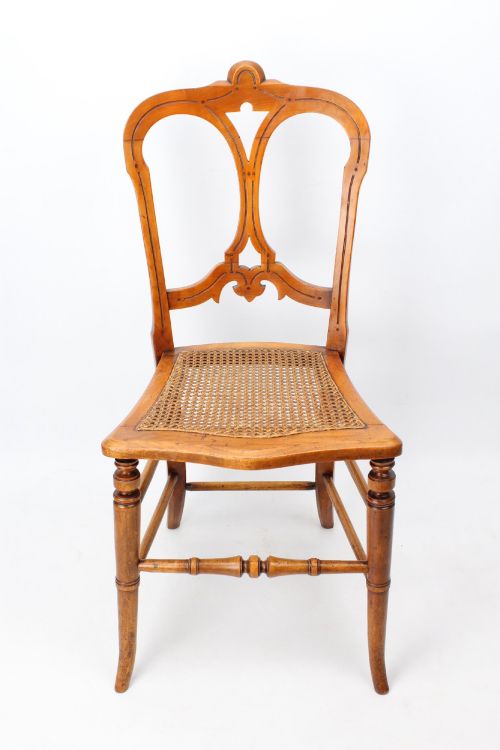
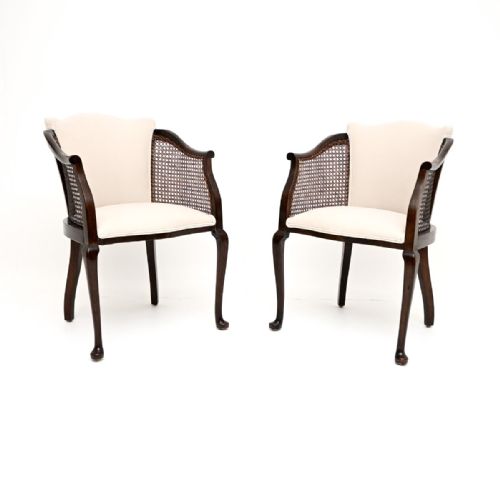
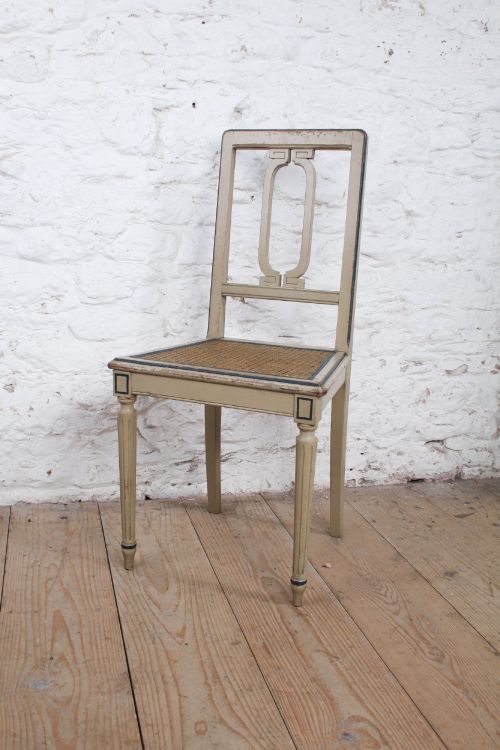
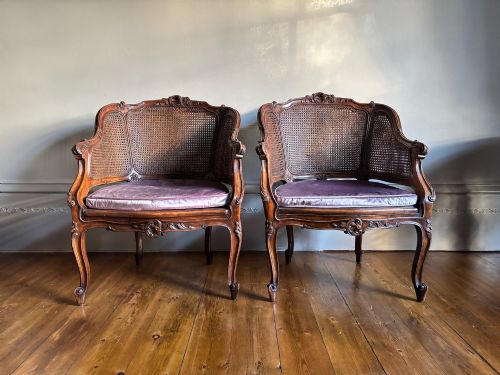
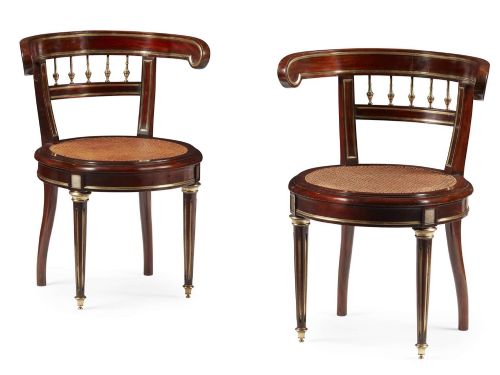
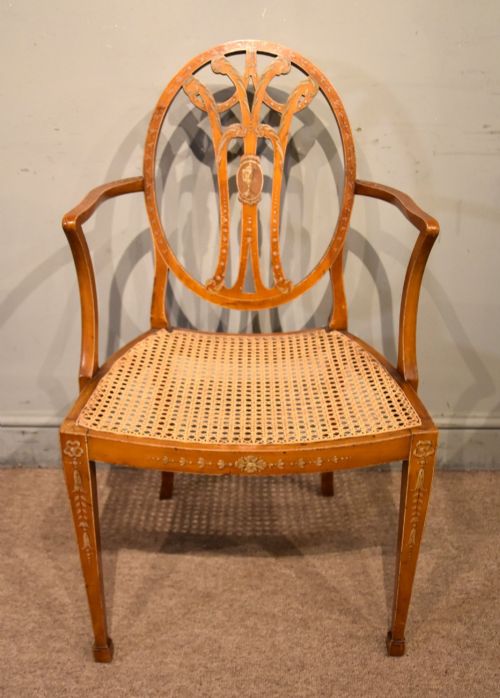
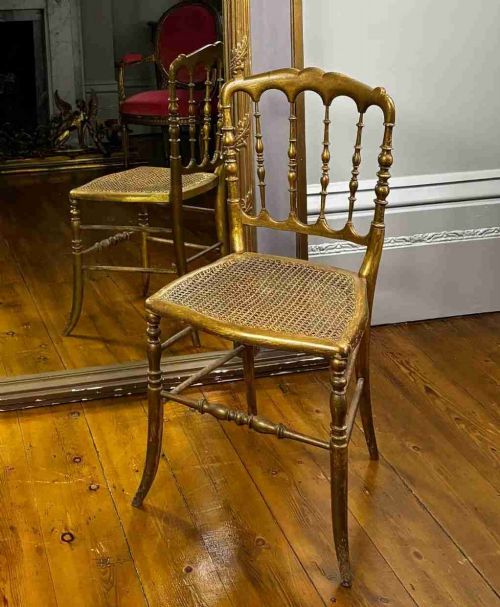
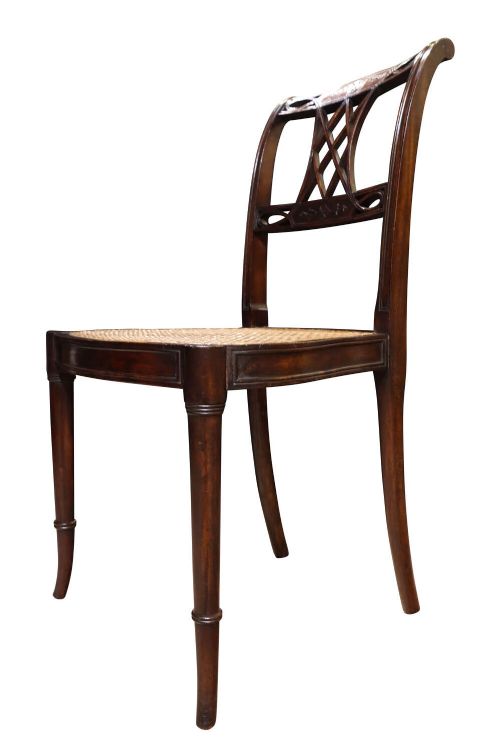
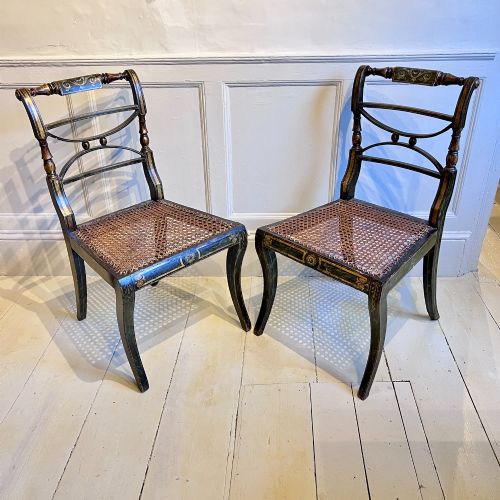
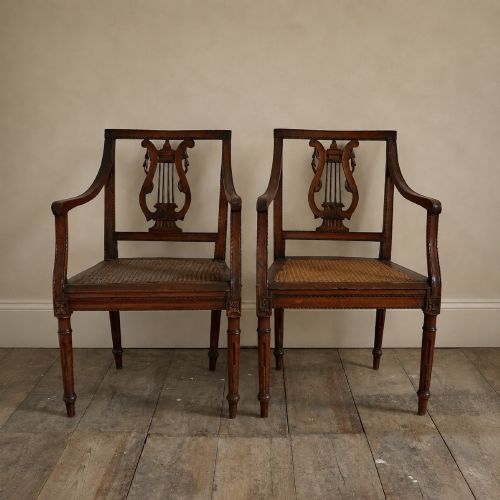
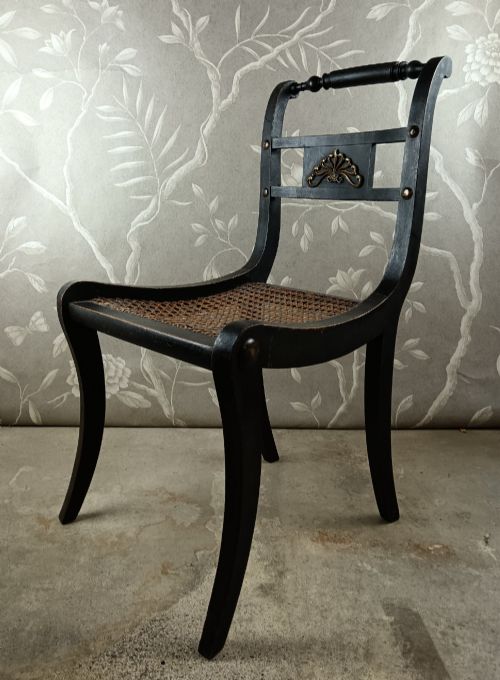
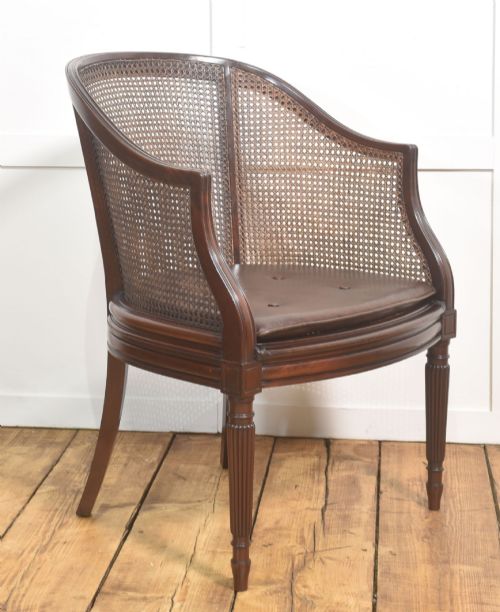
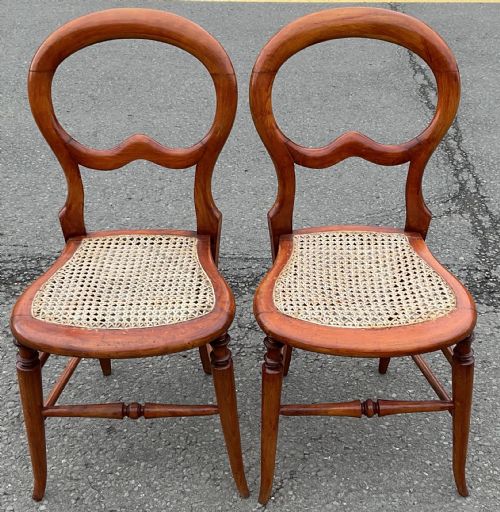
An antique cane bedroom chair is a light seating form designed for private rooms, frequently appearing in forms like side chairs, armchairs, occasional chairs and bergere styles. You will encounter pieces spanning the Regency, Victorian and Edwardian periods, running from roughly 1800 into the 1920s.
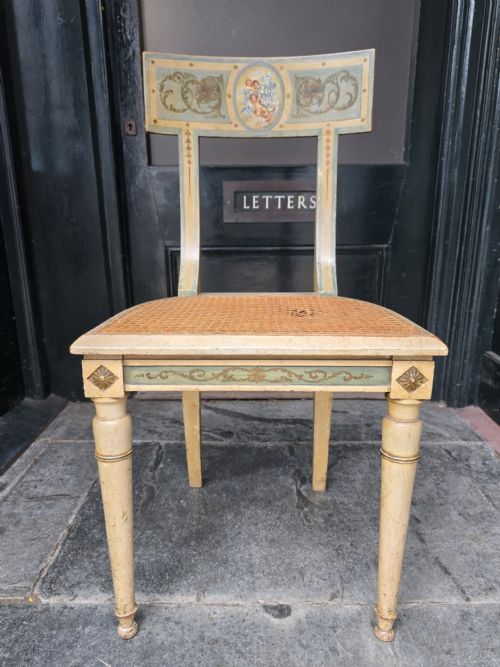
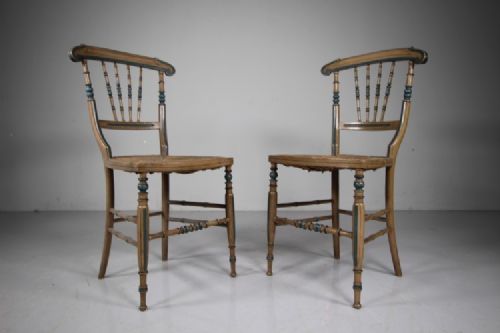
The materials span mahogany, walnut, oak, satinwood and rosewood alongside painted and gilt surfaces, often featuring woven cane seats or split cane backs. The selection mirrors how makers adapted classical and revival styles for domestic quarters through the nineteenth century.
How they were made
Timbers such as mahogany, beech, oak and rosewood were turned, carved or simulated to imitate exotic grains like rosewood, while frames received painted, gilt or scumble finishes. Artisans built structural rigidity into side chairs and armchairs to support the tension of woven cane.
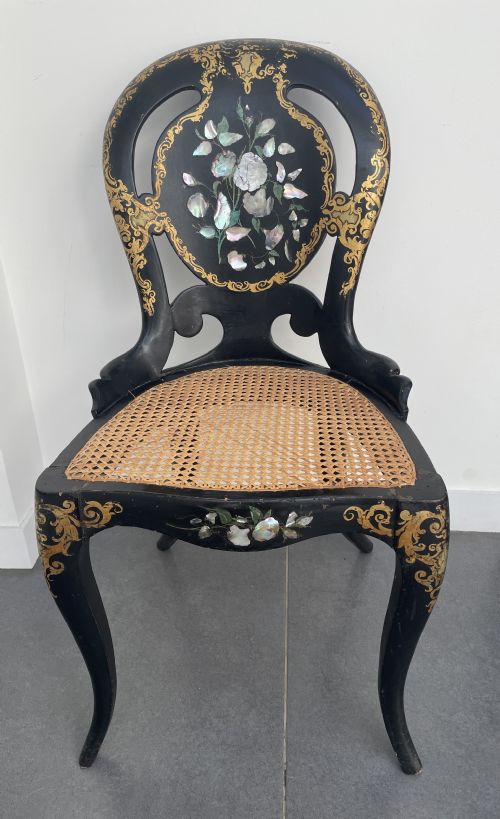
Cane strands were hand-woven through holes drilled in the seat rails or frame channels, creating a resilient, breathable mesh. Cabinetmakers also incorporated decorative elements like mother of pearl inlay, brass mounts and bamboo turnings alongside traditional joinery.
Antique Cane Bedroom Chair Retail Price Guide 2026
Typical asking prices for cane bedroom chair among the pieces listed under this phrase on Sellingantiques today, from the lower quarter to the upper quarter. They describe what is for sale here now, not the wider market.
The documented periods span the Regency era through Victorian styles up to 1920.
What varies in quality
Quality rests in the crispness of the timber carving, the refinement of painted or gilt decoration, and the integrity of the frame construction. Pieces displaying hand-carved details or precise faux bamboo turnings sit apart from simpler commercial output.
The tightness and uniformity of the cane weaving also dictate the standard of the piece, as well as whether the cane survives in original state. Heavier, richly figured woods like Indian rosewood or finely patinated original paint distinguish finer examples from standard bedroom furniture.
The Antique Cane Bedroom Chair Glossary
- Bergere
- An enclosed upholstered or caned armchair with closed sides, originating in France and adopted widely in Regency and later periods.
- Cane
- Strips of woven rattan material used to create flexible, breathable panels for seats and backs.
- Giltwood
- Timber carved and coated with gold leaf or metallic paint to simulate solid gold, popular in salon and decorative seating.
- Scumble
- A decorative paint technique applied to imitate wood grain or create textured, mottled surface patterns on simpler timbers.
- Sabre leg
- A concave, outwardly curved chair leg tapering towards the foot, characteristic of Regency design.
Antique Cane Bedroom Chair: Frequently Asked Questions
How do I date an antique cane chair?
Dating relies on stylistic markers such as Regency sabre legs, Victorian papier mache or Edwardian inlaid mahogany, combined with construction methods like machine-woven versus hand-drilled cane work.
Comparing the timber species and surface finishes against known period tolerances helps narrow the decade of manufacture.
Where were these chairs used?
These pieces were made primarily for bedrooms, dressing rooms and private sitting spaces, where lighter furniture was preferred for manoeuvrability and personal comfort.
Their compact footprints and breathable cane seats made them practical for daily private use.
Are painted finishes original?
Many pieces retain their original scumble paint, gilt, or decorative motifs applied during the nineteenth century, while others show later painted layers.
Examining the wear patterns and underlying preparation layers helps determine whether a finish dates to the period of manufacture.
How do I care for cane seats?
Caned panels require moderate humidity to prevent the natural rattan from becoming brittle and snapping under tension.
Light dusting and occasional gentle damp wiping keep the fibres supple without saturating the surrounding wooden frame.