
Antique Candelabra Centrepiece
An antique candelabra centrepiece brings formal tables alive with height, branching arms and the soft flicker of candlelight.
Antique Candelabra Centrepiece
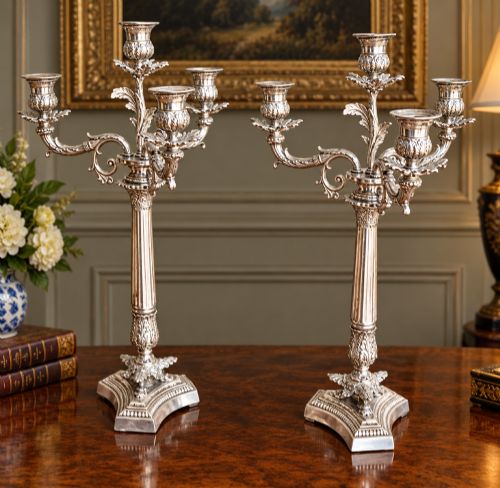
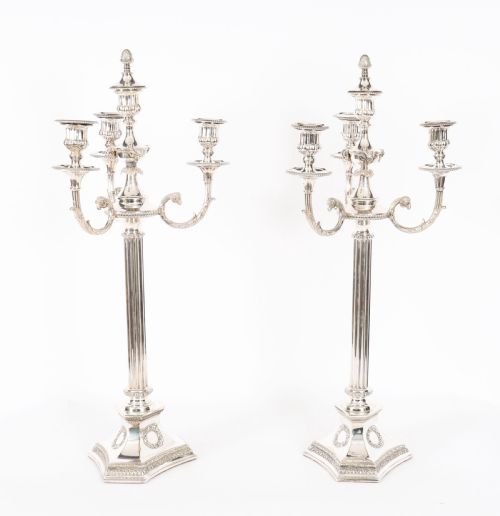
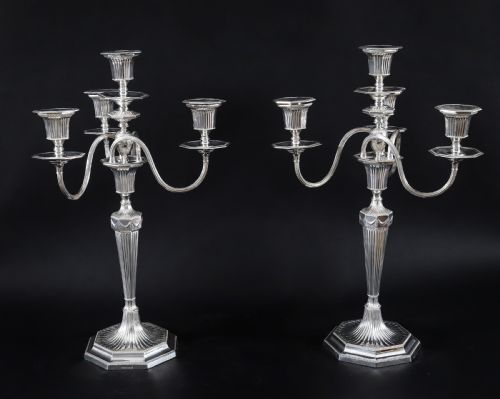
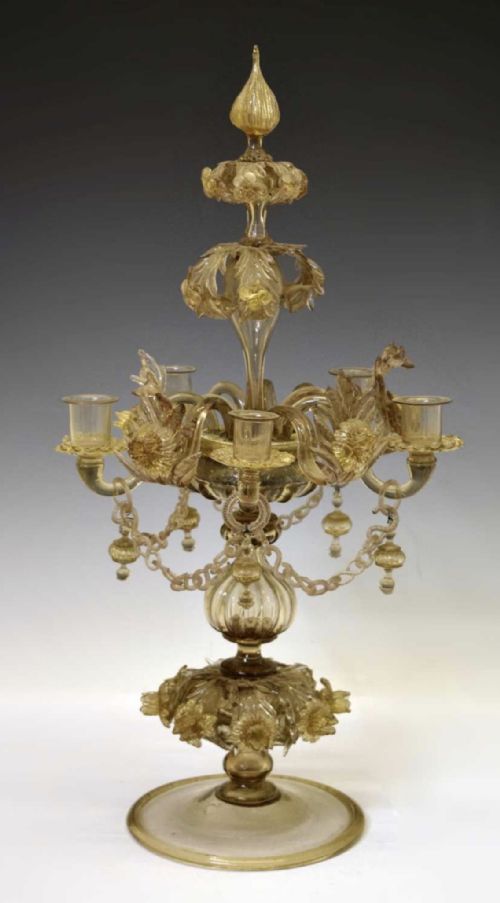
An antique candelabra centrepiece is a striking dining table focal point designed to hold multiple candles, often accompanied by matching dishes, cut glass inserts or epergne elements.
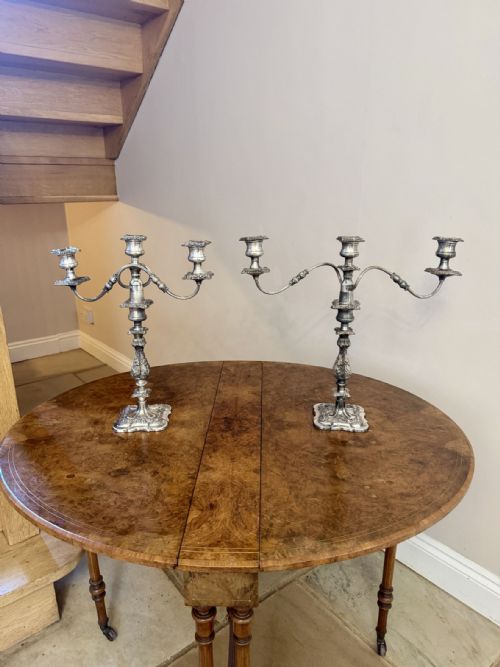
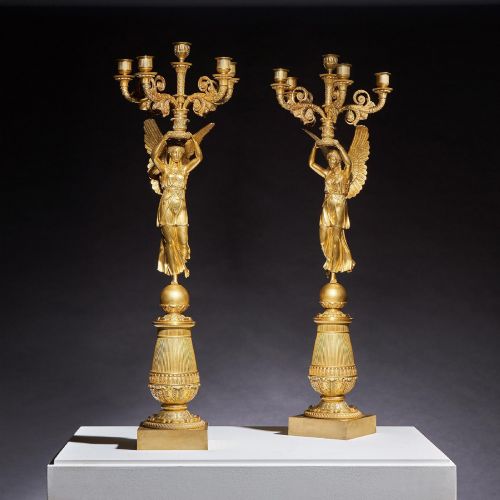
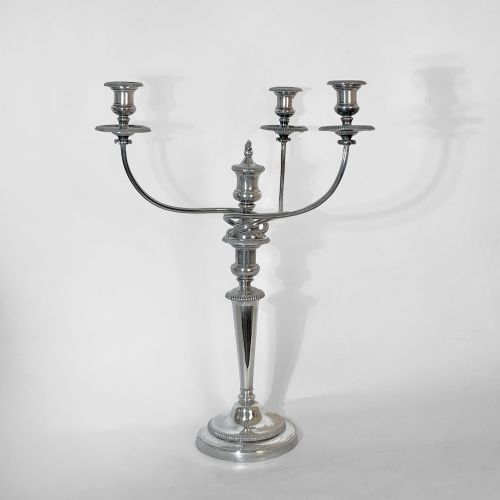
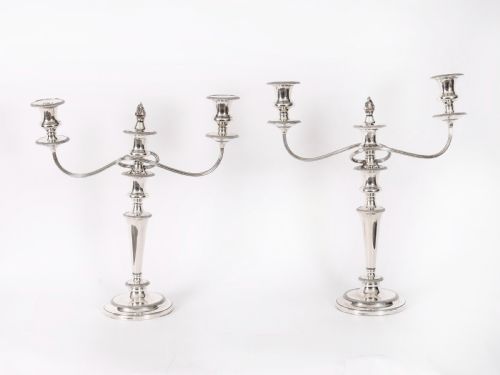
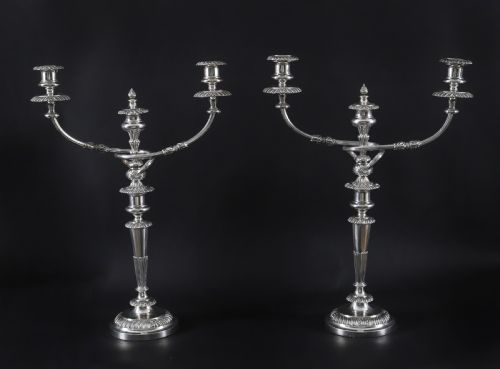
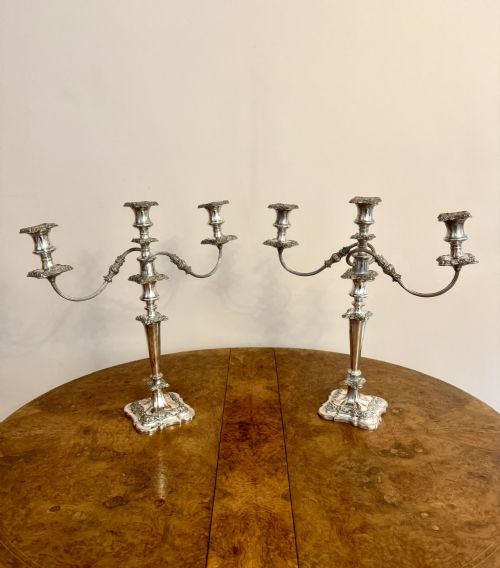
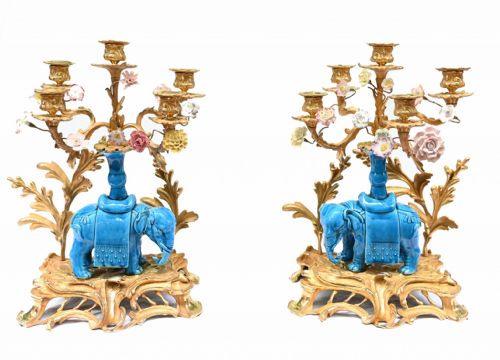
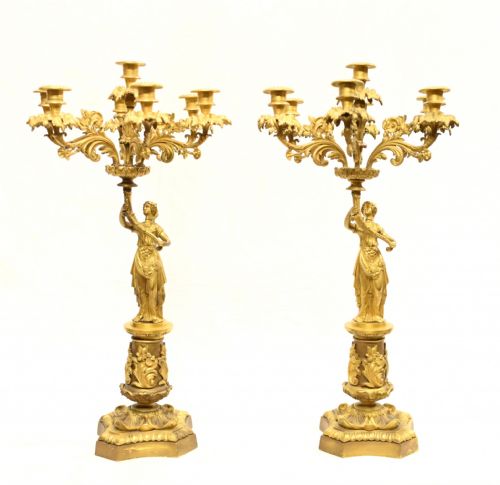
Most examples found here date from the nineteenth century, ranging from ornate Victorian silver-plated multi-branch designs to Regency Sheffield plate and French ormolu works.
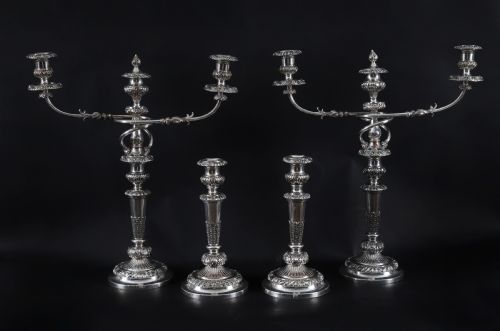
These pieces vary from low two-branch table models to grand suites and multi-light arrangements featuring detachable sconces for easier cleaning and maintenance.
Materials and construction methods
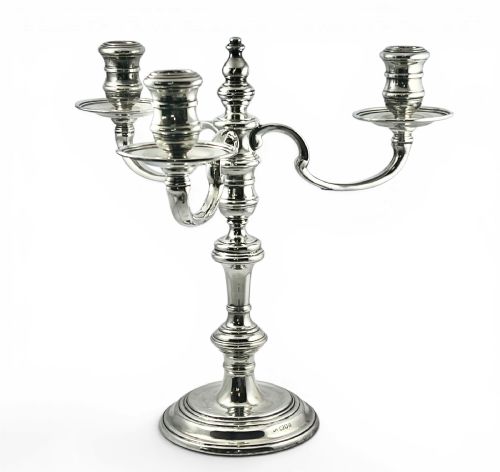
Silversmiths utilised silver plate, Old Sheffield plate and sterling silver over copper or base metals, often employing heavy casting for structural stability.
French and continental workshops relied on gilt bronze, ormolu, brass and cast bronze, frequently combining these metals with white marble bases or hand-cut glass drops.
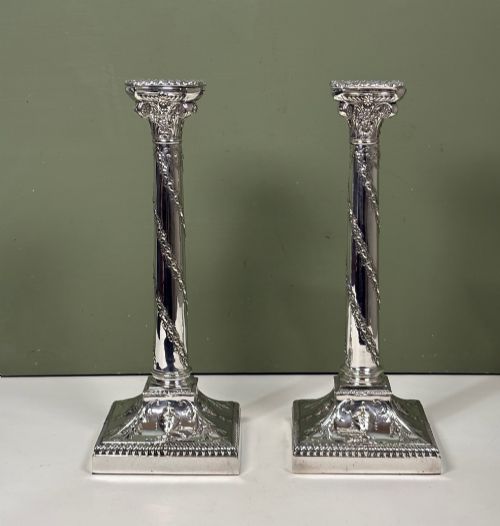
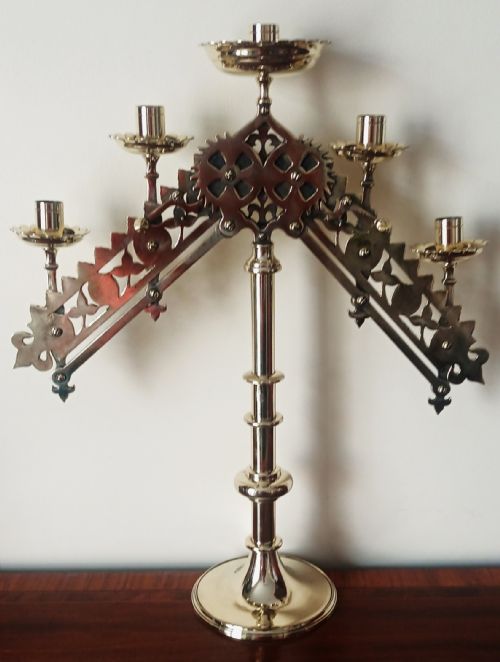
Designers incorporated articulated joints, screw-fitting branches and modular components that allowed single candlesticks to convert into branching candelabra suites.
Listings feature items spanning the eighteenth through to the mid-twentieth century, dominated by Victorian silver plate and French gilt bronze.
Distinctions in craftsmanship and design
Superior examples display crisp, hand-chased detail across foliate motifs, puttis and figures, whereas lesser pieces rely on softer, mass-produced cast definition.
The weight and balance of the branches dictate stability; high-grade items remain upright and rigid when fully loaded with heavy sconces and candles.
Original matching components, such as correct detachable drip pans and uncompromised silver plating or mercury gilding, elevate a piece above assembled or heavily replated alternatives.
Pierre Philippe Thomire·Hawksworth Eyre·Garrard and Co·Matthew Boulton·Elkington
The Antique Candelabra Centrepiece Glossary
- Sconces
- The removable cups or nozzles at the top of each branch that catch dripping wax and hold the candles securely in place.
- Sheffield Plate
- An early fused metal technique where a thin sheet of sterling silver is fused to a thicker copper base before shaping.
- Gilt Bronze
- Bronze metal treated with a fine layer of gold applied through mercury amalgamation or modern electroplating methods.
- Table Garniture
- A matched set of decorative objects for the dining table, typically combining a central candelabra with accompanying side pieces or dishes.
- Epergne
- An elaborate tabletop centrepiece featuring a central bowl or basket surrounded by smaller hanging dishes or branching candle holders.
Antique Candelabra Centrepiece: Frequently Asked Questions
What is a candelabra centrepiece used for?
These large table fittings served as the visual anchor for formal dining rooms during dinner parties and evening banquets. They provided elevated illumination down the centre of the table while displaying fruit, flowers or sweetmeats in integrated dishes.
Today, they function primarily as statement dining table decorations or sideboard ornaments. Collectors frequently use them to anchor traditional tablescapes during evening gatherings.
How do I care for silver plated candelabras?
Maintenance requires gentle cleaning with a soft cloth and dedicated silver polish designed to preserve thin plated surfaces. Avoid harsh chemical dips that strip underlying base metals from older pieces.
Keep wax removal simple by using warm water rather than scraping tools that might scratch the silver or ormolu. Storing them in dry environments prevents verdigris on brass and bronze components.
How can I tell Victorian from Georgian pieces?
Georgian pieces from the eighteenth century typically exhibit restrained neoclassical lines, simpler Sheffield plate construction and classical motifs like urns and lyres. Victorian examples from the mid to late nineteenth century lean towards heavier ornamentation, ornate Rococo Revival scrolling and complex branching.
Maker marks, screw thread types and base weights also help distinguish the eras. Examining the construction of the drip pans and socket joins reveals period manufacturing shifts.
Can these candelabras hold standard candles?
Older socket sizes often differ from modern commercial candle dimensions due to nineteenth-century sizing conventions. Many pieces feature slightly tapered or narrower sconce cups.
Using candle fitters, beeswax strips or specially sized candles ensures the tapers stand straight and secure without damaging the antique metal or glass nozzles.