

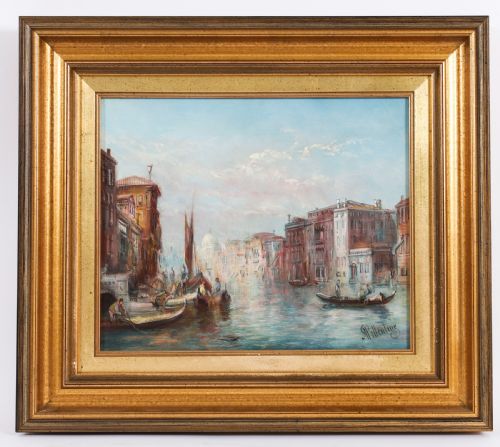
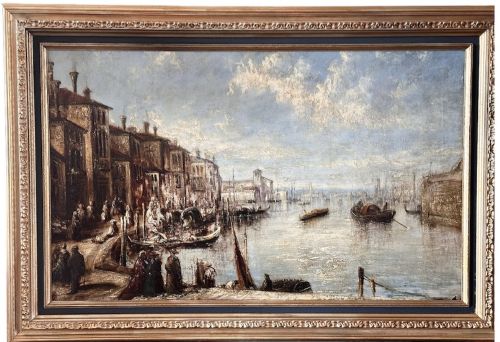


Antique Canal Scene
An antique canal scene brings the quiet movement of water and historic architecture directly into a room through oil and watercolour.
Antique Canal Scene
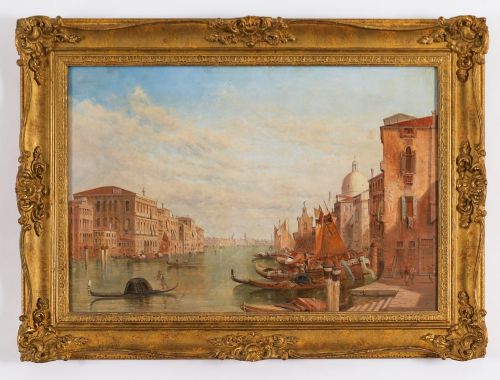
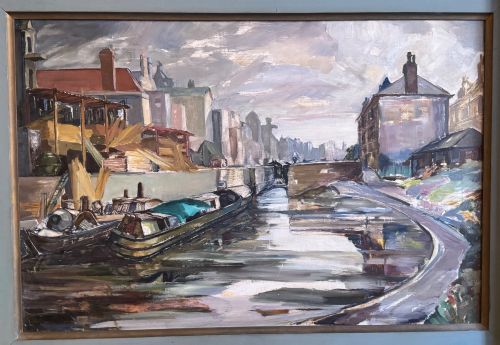
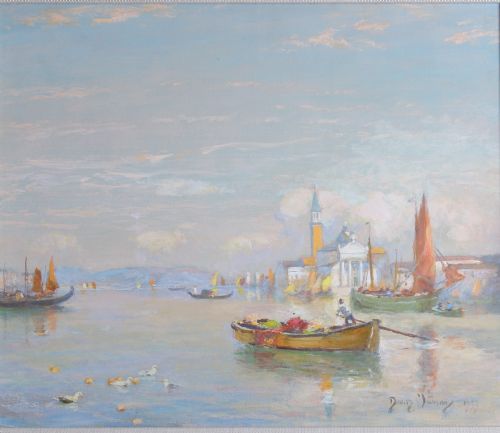
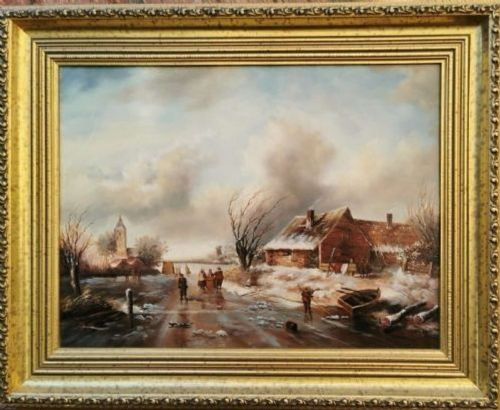
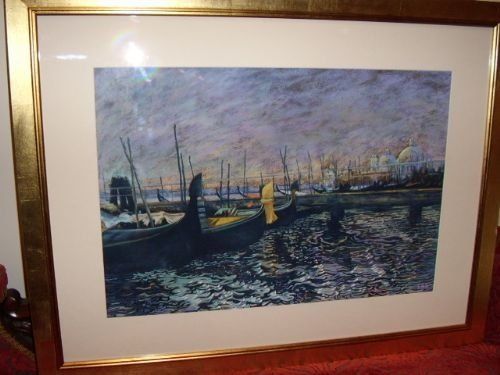
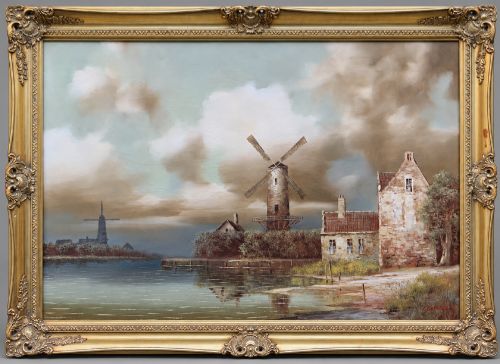
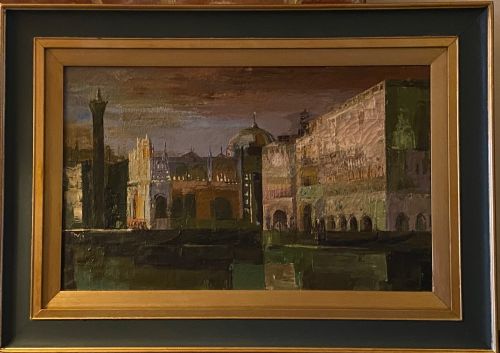
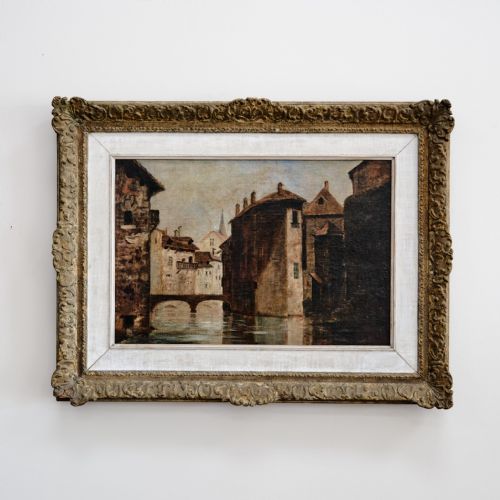
When searching for an antique canal scene, collectors encounter painted views spanning from the nineteenth century through the mid-twentieth century. These works capture urban waterways, locks, and barges across British, Dutch, French, and Venetian settings.
The most common formats on this page are oil paintings on canvas and delicate watercolours on paper. Many retain their original frames, ranging from simple wood surrounds to ornate giltwood and gesso mouldings.
Materials and techniques
Painters utilised oil paint on prepared canvas or applied watercolour washes to heavy paper, often supported by card or wood panels. Pigments were worked with brushes and sometimes palette knives to capture the reflective quality of water and stone.
Framing materials such as carved gesso over wood provided structural protection while enhancing the visual depth of the paintings.
Antique Canal Scene Retail Price Guide 2026
Typical asking prices for canal scene among the pieces listed under this phrase on Sellingantiques today, from the lower quarter to the upper quarter. They describe what is for sale here now, not the wider market.
Several Victorian artists painted the exact same Venetian bridge without ever meeting, relying on identical postcard angles.
Judging execution and atmosphere
Quality rests in the handling of light and perspective, where superior works render the atmosphere of damp air and shimmering water with confident brushwork. Weaker examples rely on stiff geometry and flat colour without depth.
The fidelity of architectural details in canal structures and the natural movement of figures or vessels distinguish accomplished artists from routine commercial producers.
Sir David Murray RA·Alfred Pollentine·Francis Moltino·Edwin Lord Weeks·Thomas Baker of Leamington·Fred Lawson·Claude Jousset·Frederick Tully Lott·Antoine Bouvard Senior·William Raymond Dommersen·Vittore Zanetti Zilla·Herbert Royle·Frank Wasley·Thomas Pyne·William Knox·Ludwig Hermann
The Antique Canal Scene Glossary
- Oil on Canvas
- Pigment mixed with drying oil applied to a woven fabric stretched across a wooden frame. This medium allowed artists to build rich textures and deep tones over longer drying periods.
- Giltwood
- Wood carved and coated with gold leaf or a gold-coloured metallic finish. It forms the decorative surface of many traditional picture frames.
- Gesso
- A plaster-like mixture applied to wood or canvas to prepare a smooth surface for painting or to build up relief details on frames.
- Watercolour
- Pigments suspended in a water-soluble binder applied to paper. It creates transparent washes that rely on the white of the paper for luminosity.
Antique Canal Scene: Frequently Asked Questions
What subjects appear in these paintings?
These works depict European waterways, featuring Venetian lagoons, Dutch windmills, industrial docks, and quiet rural locks.
Venice and Bruges views dominate the selection alongside local British river scenes.
How should these paintings be hung?
Keep works away from direct sunlight and damp walls to protect the canvas and watercolour paper from deterioration.
Ensure stable indoor temperatures to prevent the cracking of gesso frames and oil paint.
How are periods identified?
Dating relies on stretcher construction, framing styles, artist signatures, and the type of canvas or paper utilised.
Costumes of figures and architectural details also point to specific decades between the nineteenth and mid-twentieth centuries.
Are watercolours as durable as oils?
Watercolours require glass protection and acid-free mounting to prevent fading from light exposure over time.
Oil paintings on canvas offer greater resilience against environmental factors but still benefit from stable conditions.