

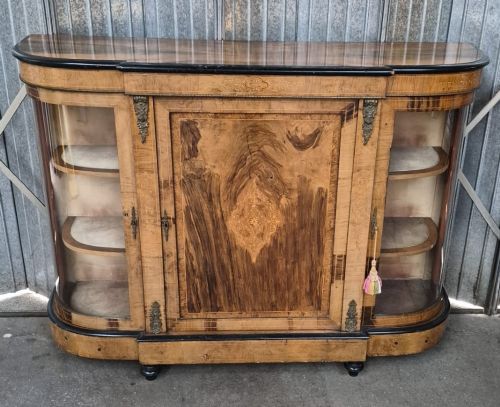

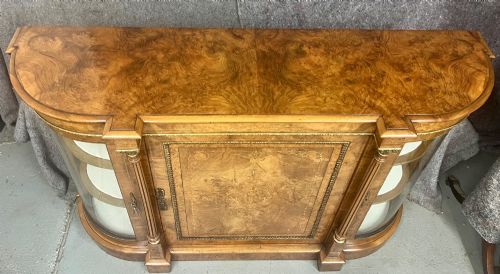
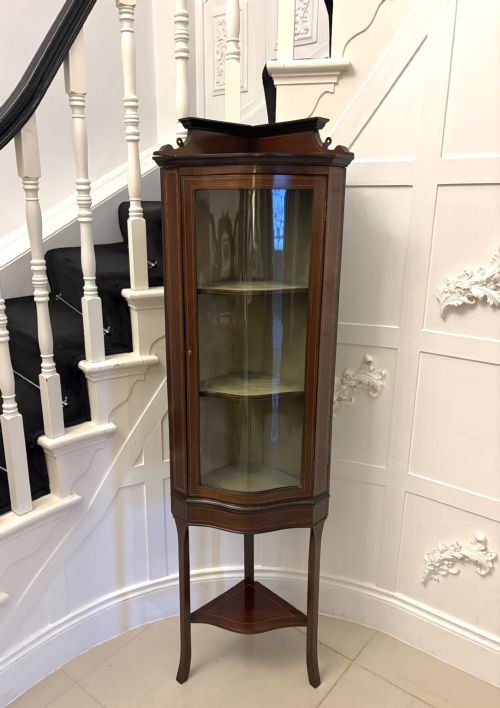
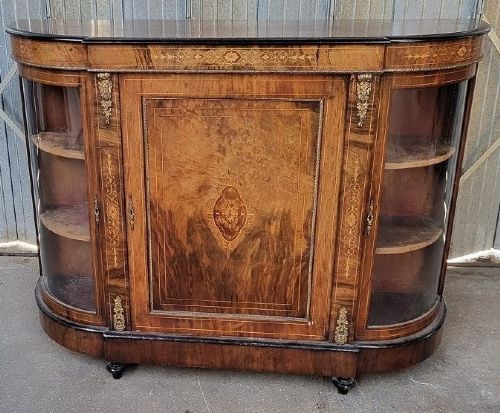
Antique Cabinet with Curved Glass
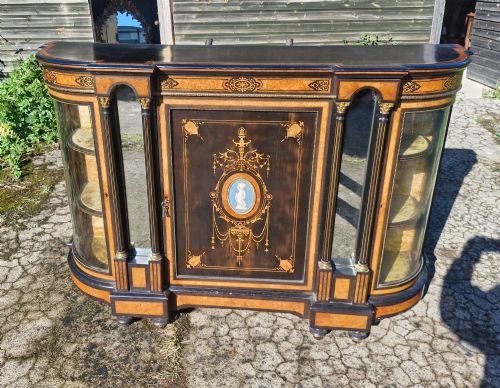
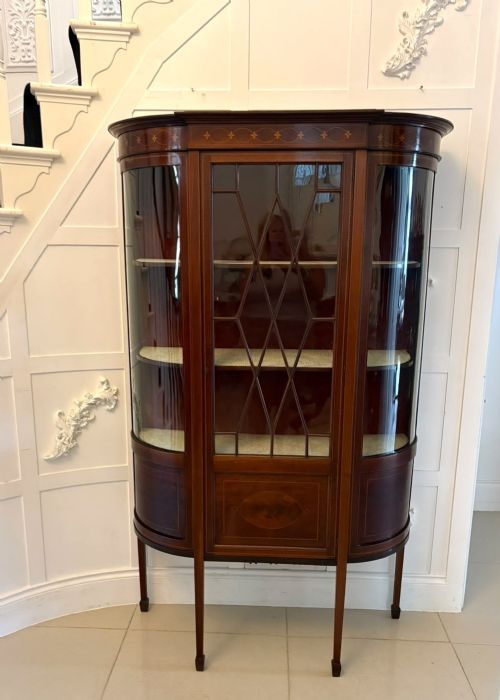
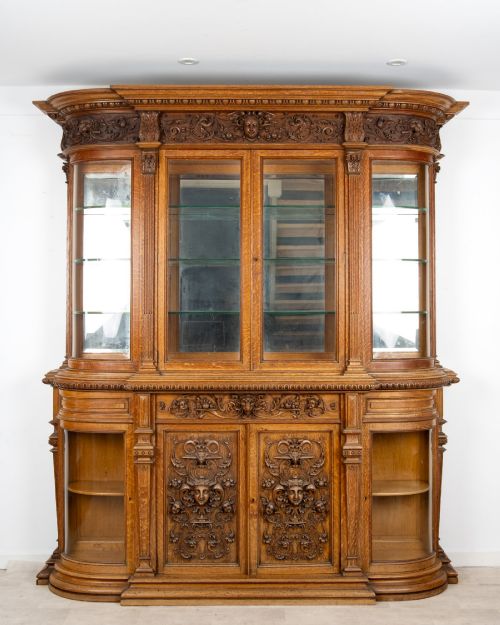
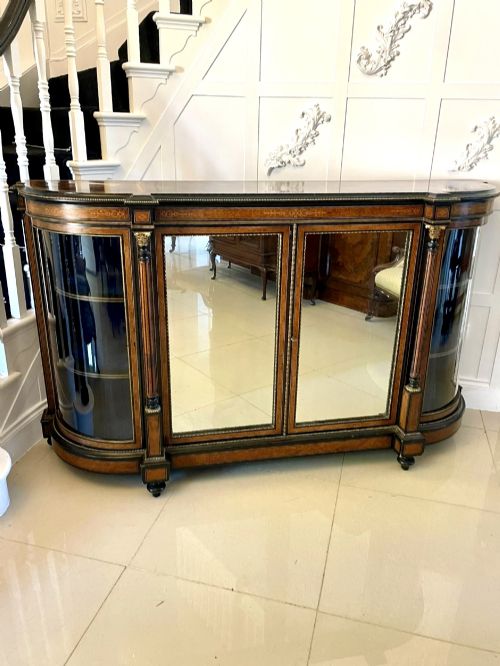
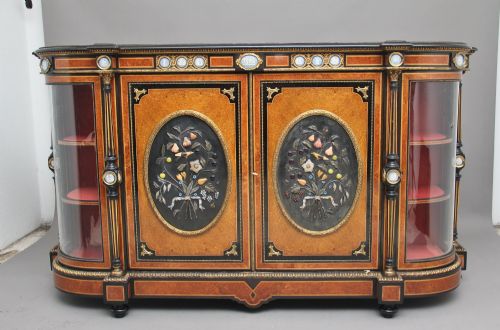
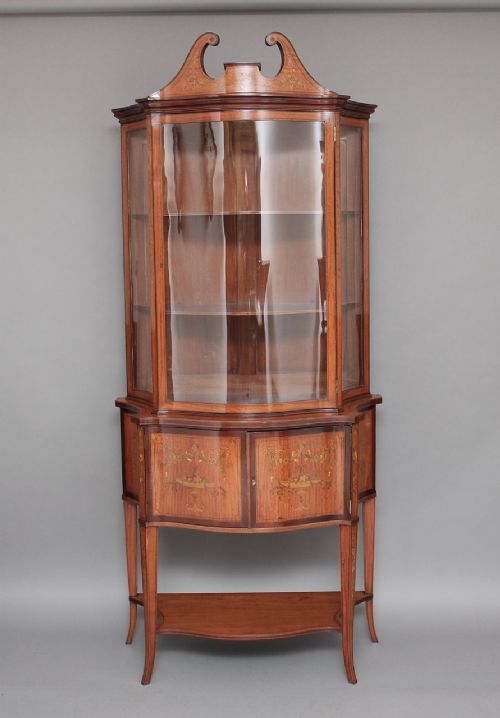
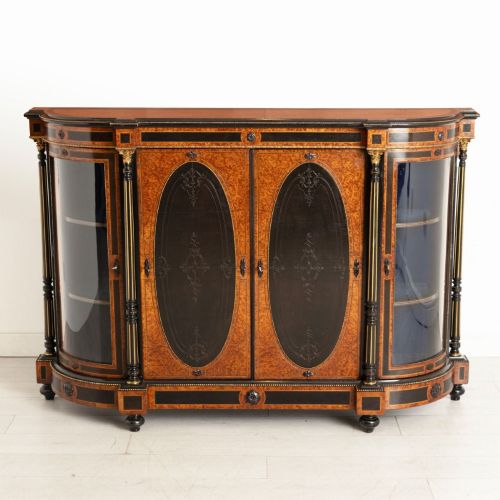
An antique cabinet with curved glass brings nineteenth-century French and English craftsmanship into a room with sweeping, rounded panes that catch the light.
Antique Cabinet with Curved Glass
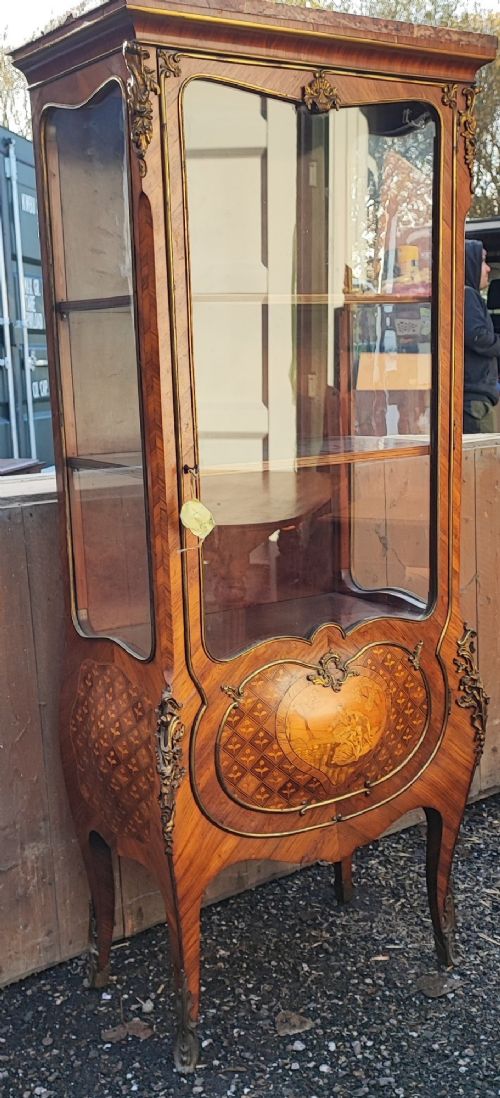
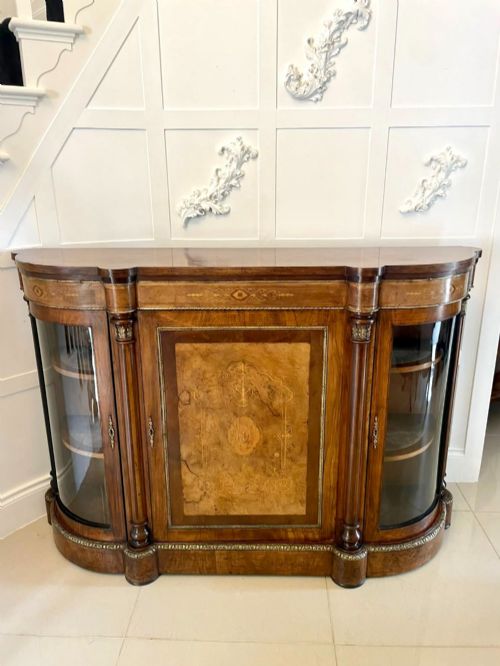
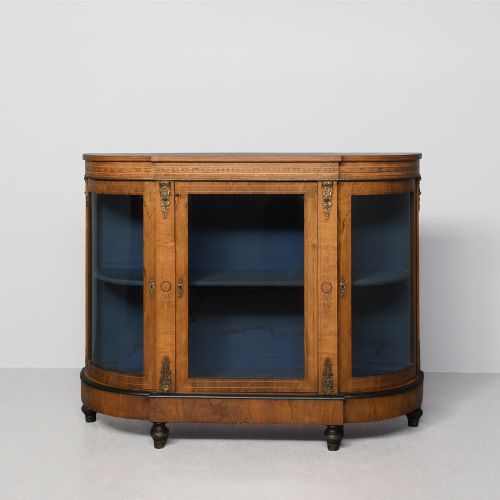
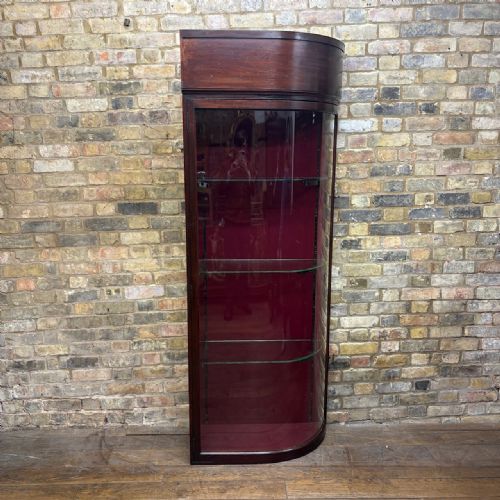
An antique cabinet with curved glass encompasses display cabinets, vitrines, bookcases, and credenzas shaped with rounded, serpentine, or concave fronts. The pieces originate from Victorian and Edwardian periods, alongside French revivals such as Louis XV styles.
Most examples found here date from the nineteenth century, utilising walnut, burr walnut, kingwood, and mahogany as primary timbers. These forms serve to display porcelain, books, and decorative objects while softening the corners of a traditional interior.
Materials and construction methods
Cabinetmakers shaped timber veneers over solid carcases, incorporating intricate marquetry, fruitwood inlay, and painted Vernis Martin panels. Ormolu and gilt bronze mounts frame the curved glass doors and highlight the structural contours.
Marble tops feature on several French vitrines and corner cabinets, providing a contrasting surface above the glazed compartments. Glass shelves appear inside Edwardian bookcases, whilst brass details secure the doors and mounts.
Antique Cabinet with Curved Glass Retail Price Guide 2026
Typical asking prices for cabinet with curved glass among the pieces listed under this phrase on Sellingantiques today, from the lower quarter to the upper quarter. They describe what is for sale here now, not the wider market.
Listings feature nineteenth-century and Edwardian pieces, incorporating materials such as ormolu, kingwood, burr walnut, and marble.
Distinguishing quality in curved glass cabinets
Quality rests upon the fluency of the curved glazing and the precision of the timber shaping, particularly along serpentine and concave profiles. Finer cabinets integrate heavily chased ormolu mounts and meticulous marquetry that align seamlessly with the wooden curves.
The sophistication of decorative elements, from hand-painted panels to Sevres plaques and detailed fruitwood inlay, separates standard production from exceptional pieces. The choice of burr walnut or figured kingwood veneer further dictates the visual depth of the cabinet.
Maison Gagneau·François Linke
The Antique Cabinet with Curved Glass Glossary
- Serpentine
- A shape that curves outward in the centre and inward at the sides, creating a wave-like front on cabinets and credenzas. This contour requires skilled carpentry to fit curved glass accurately.
- Ormolu
- Gilded bronze mounts applied to furniture for decoration, frequently cast with floral or scroll motifs. These metal accents frame the glass doors and corners of nineteenth-century pieces.
- Vernis Martin
- A simulated Japanese lacquer technique developed in France, often featuring painted pastoral scenes on cabinet panels. It provides a glossy, translucent finish highly prized in vitrines.
- Marquetry
- The art of applying decorative pieces of veneer to a structure to form intricate patterns and pictures. Fruitwood and various exotic timbers are common in these designs.
- Vitrine
- A glass-fronted display cabinet specifically designed to showcase porcelain and curiosities. They frequently stand on slender legs with prominent metal mounts.
Antique Cabinet with Curved Glass: Frequently Asked Questions
What is an antique cabinet with curved glass used for?
These cabinets serve primarily to display porcelain, glassware, and decorative objects behind protective glazed doors.
They function well in living rooms and dining spaces where rounded glass panels soften rigid architectural corners.
How do I date an antique cabinet with curved glass?
Dating relies on identifying timber choices like burr walnut or kingwood alongside revival styles such as Louis XV or Sheraton.
Period markers also include the complexity of ormolu mounts and whether the construction methods align with nineteenth-century workshop practices.
What woods were used for these cabinets?
Cabinetmakers utilised a range of fine timbers including walnut, burr walnut, mahogany, and exotic kingwood veneers.
Fruitwood and other contrasting veneers frequently appear in the marquetry and inlay work across the front panels.
Are the glass panels original?
Curved glass panes in nineteenth-century cabinets often exhibit subtle distortions and minor surface imperfections indicative of period manufacturing methods.
Examining the fit within the wooden rebate helps determine if the glass corresponds to the original construction.