


Antique Cabinet Bronze
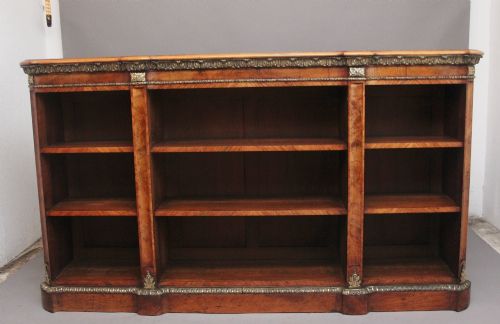
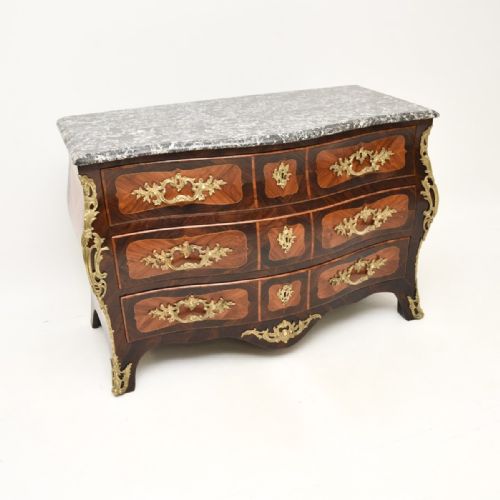
These pieces of antique cabinet bronze unite rich timber carcases with cast metal mounts, offering both functional storage and decorative presence.
Antique Cabinet Bronze
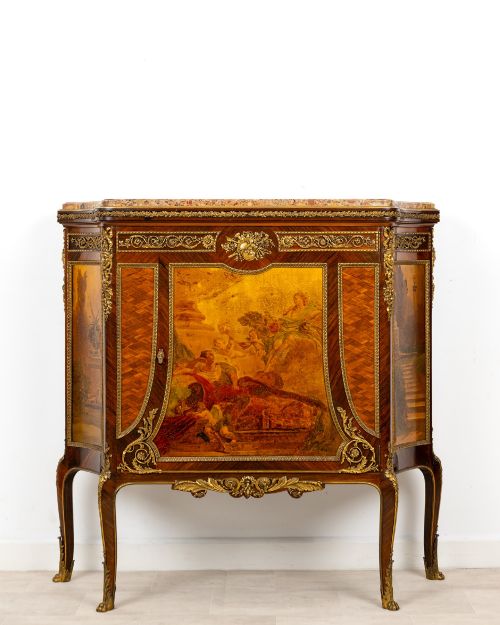
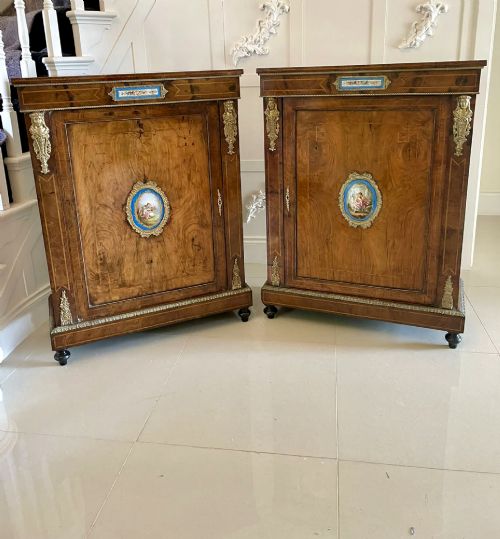
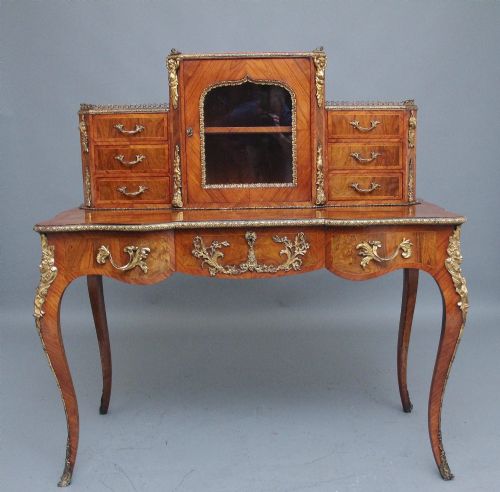
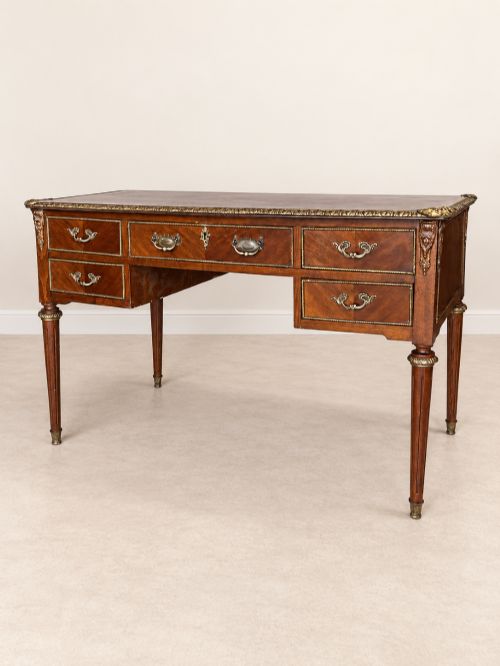
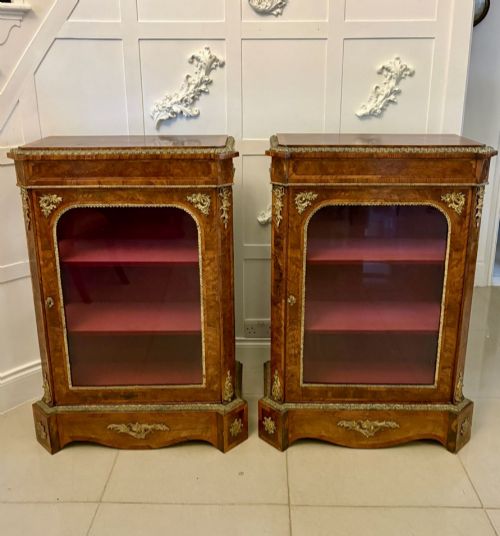
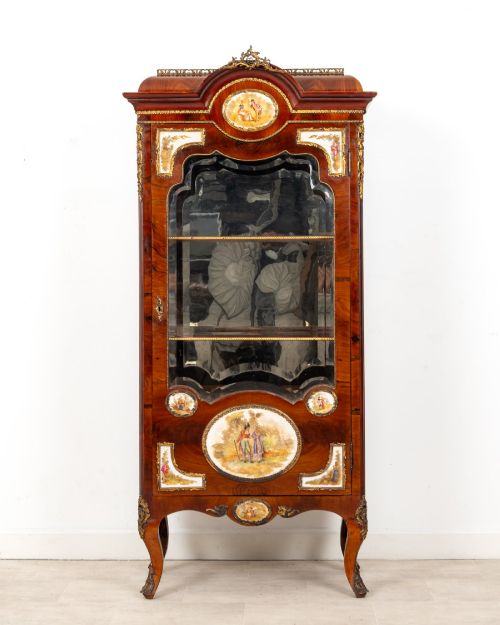
When you search for antique cabinet bronze, you encounter case furniture embellished with metal fittings, mounts and handles. The items span the nineteenth century and Edwardian eras, encompassing display cabinets, side cabinets, commodes, credenzas, and writing desks.
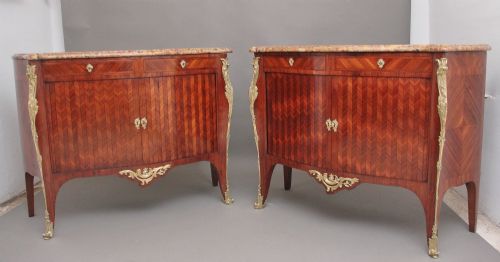
The most frequent items on this page are nineteenth-century French and Victorian pieces. You will regularly find walnut, kingwood, and burr walnut furniture mounted with gilt bronze or ormolu, alongside marble-topped commodes and vitrines.
These works reflect historical revival movements, notably French Louis styles and Victorian craftsmanship. They serve as focal points in domestic interiors, designed to display porcelain, books, and collectables while providing enclosed storage.
How They Were Made
The construction combines cabinet-making with metal-founding and finishing. Carcases employ dense timbers such as mahogany, walnut, and kingwood, often veneered in burr walnut or shaped through parquetry and marquetry techniques.
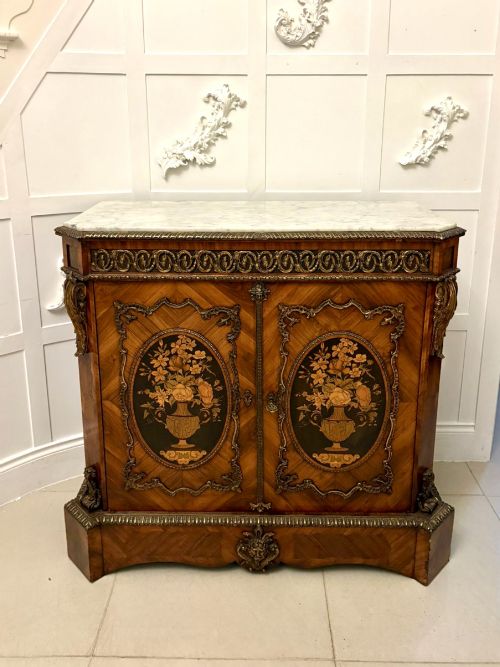
Metal elements are cast in bronze, then frequently gilded, forming ormolu mounts, friezes, and door pulls. Marble slabs provide durable, polished tops for commodes and side cabinets, while glass panels furnish vitrines and display furniture.
One listed item is an okimono modelled as a tarantula spider, proving that Victorian tastes extended well beyond polite floral marquetry.
What Varies in Quality
The refinement of the cast metalwork separates standard items from exceptional ones. Finer ormolu mounts exhibit crisp chisel work, deep relief, and secure attachment to the timber carcase, whereas simpler pieces show softer surface detail.
Timber selection and marquetry execution dictate the upper tier of the range. Matched veneers, intricate floral inlay, and balanced proportions across serpentine or bombe forms distinguish master workshops from routine production.
Gillows·Gabriel Viardot·Johnstone and Jeanes·Jacques Bircklé·Bruno Zach·H. J. Hatfield and Sons·Henry Dasson·Mercier Frères·Edward Holmes Baldock·Maison Gagneau·E. Kahn
The Antique Cabinet Bronze Glossary
- Ormolu
- Gilded bronze used for decorative mounts and fittings on furniture. It involves applying a gold amalgam to cast bronze before heating.
- Vitrine
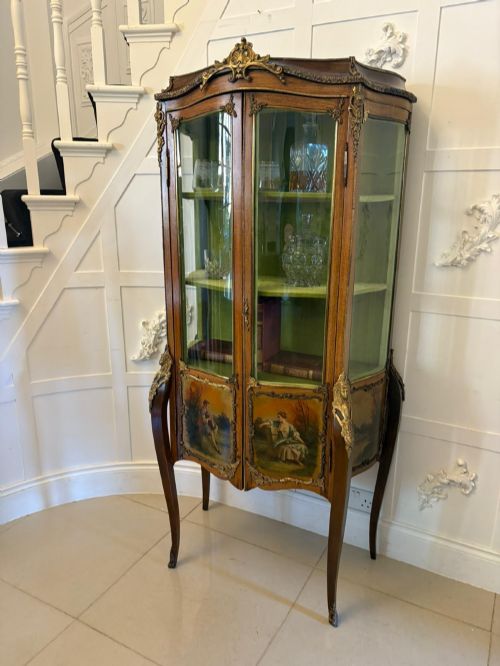
- A glass-fronted display cabinet intended for porcelain and small objects. These pieces often feature glazed side panels to maximise light.
- Marquetry
- Decorative veneer patterns formed from pieces of wood, shell, or ivory fitted together. It creates pictorial or geometric designs on cabinet surfaces.
- Vernis Martin
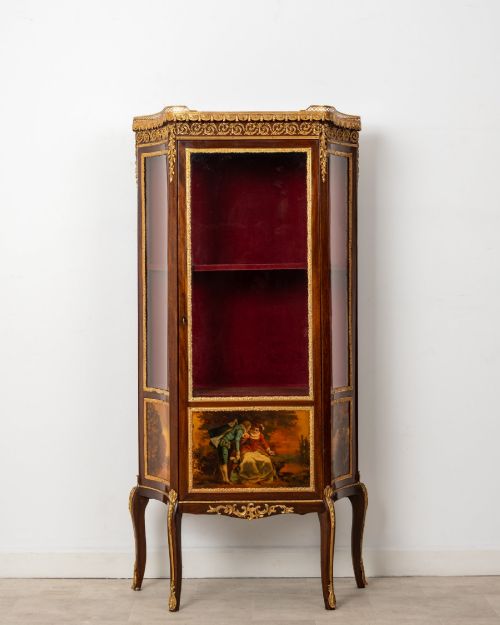
- A simulated Japanese lacquer technique developed in France. It produces a glossy, translucent finish often decorated with painted scenes.
- Credenza
- A low sideboard or cabinet originating in the Renaissance. Nineteenth-century examples frequently incorporate mirrored doors and ormolu mounts.
Antique Cabinet Bronze: Frequently Asked Questions
What is an ormolu mount?
An ormolu mount is a decorative fitting made from cast bronze and finished with gold. These elements reinforce corners, frame panels, and add sculptural detail to the timber carcase.
Craftsmen chased the metal after casting to sharpen the surface details. They appear frequently on nineteenth-century French and Victorian furniture.
How do I care for marble tops?
Marble tops on commodes and side cabinets require gentle cleaning with mild soap and water. Avoid acidic substances that can etch the polished stone surface.
Using coasters and mats prevents scratching and staining. The stone should be dried thoroughly after wiping to maintain its finish.
Where were these cabinets placed?
These cabinets originally occupied principal reception rooms, parlours, and drawing rooms in large townhouses and country homes. They functioned as display spaces for valued porcelain, silver, and decorative objects.
Side cabinets and credenzas also provided surface space for lamps and serving items. Today, they serve similar decorative and storage roles in domestic interiors.
What defines a Vernis Martin finish?
A Vernis Martin finish is a polished lacquer technique applied to cabinets and vitrines. It mimics Asian lacquer work using layered resin varnishes.
Furniture featuring this finish often displays painted pastoral scenes or botanical motifs. The technique adds a reflective, luminous quality to the piece.