



Antique Button Back Furniture
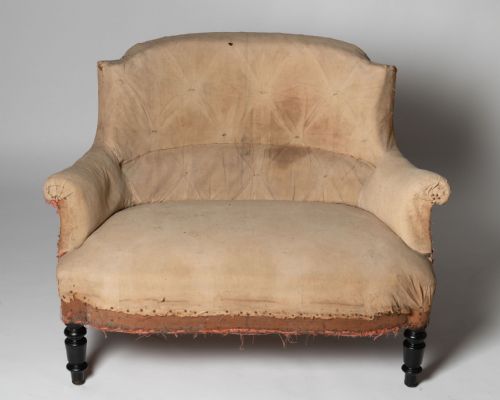
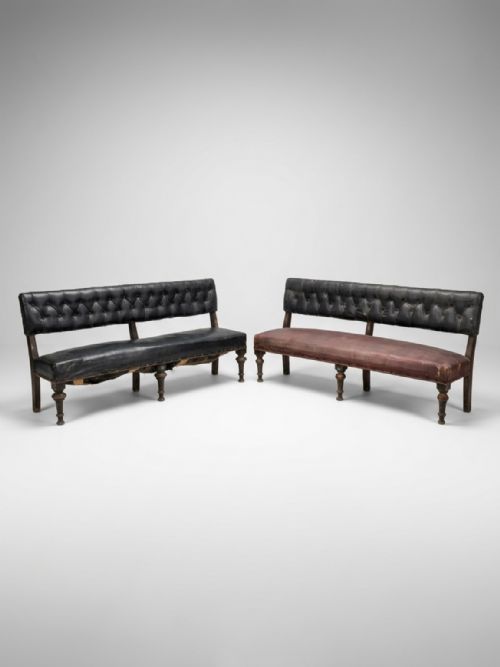
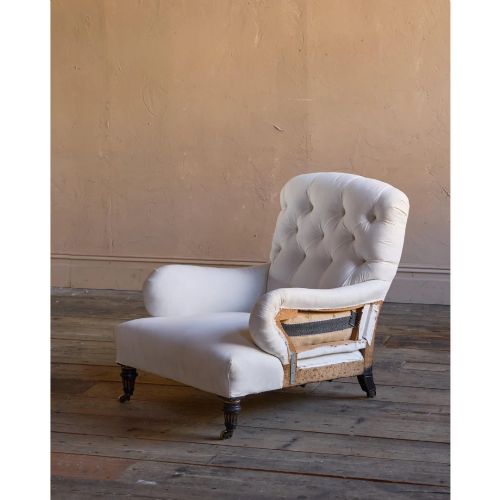
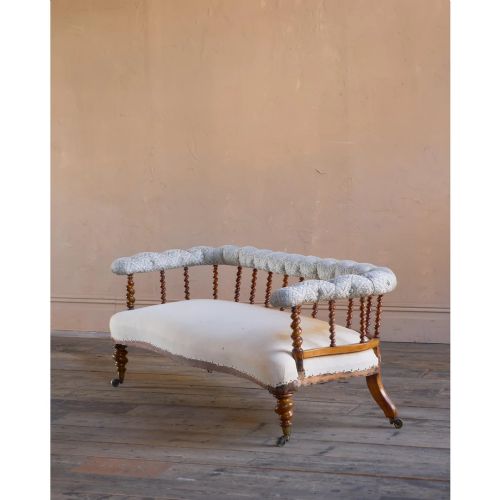
Antique button back furniture brings deep tufted comfort and rich period character to a room through Victorian and Edwardian armchairs, sofas, and chaise longues.
Antique Button Back Furniture
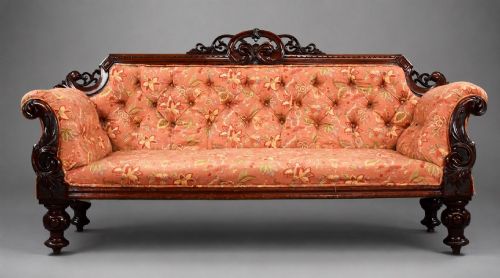
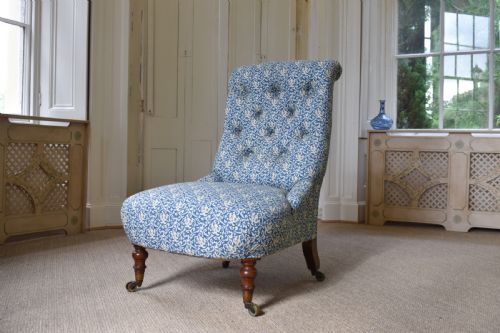
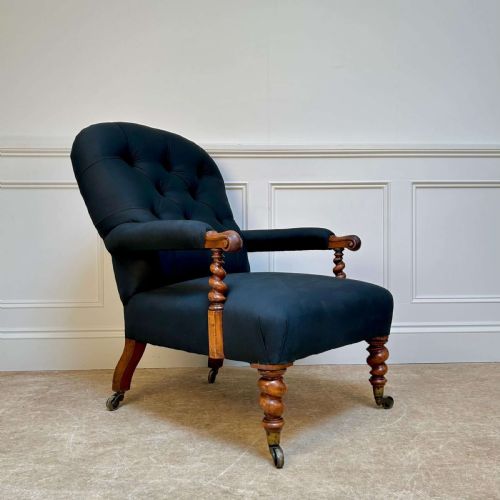
When you search for antique button back furniture, you look at seating designed to offer deep, sprung comfort while displaying the polished wood frames characteristic of nineteenth century design. The forms you meet most often on this page are Victorian mahogany and walnut armchairs, multi-piece salon suites, and elongated chaise longues.
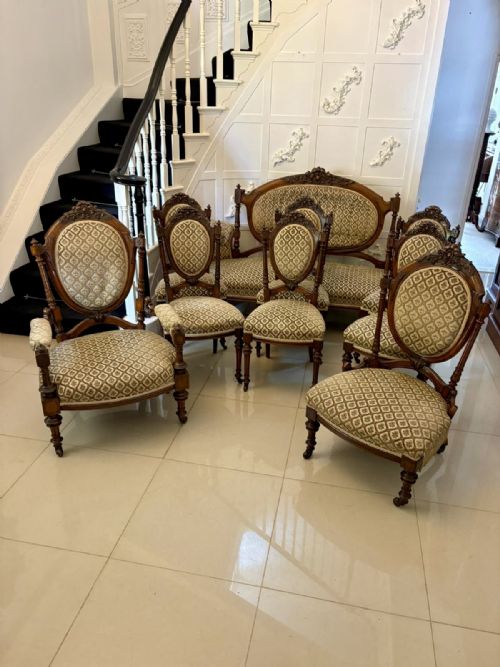
Pieces range from intimate nursing chairs and window seats to substantial Chesterfield sofas and sprawling drawing room suites of six or seven pieces. Makers such as Howard & Sons and Holland & Sons produced functional seating that doubled as formal reception room centrepieces.
Originating largely from the nineteenth century, these items span periods from Regency and William IV through to Edwardian interpretations. You will find occasional French influences alongside English country house and aesthetic movement pieces.
Materials and Construction
Frames rely on dense hardwoods like mahogany, walnut, rosewood, and ebonised timber, carved or turned to support the substantial weight of internal springing. Artisans joined these structural elements with traditional cabinetmaking techniques to ensure long-term stability under heavy upholstery.
Upholstery combines traditional stuffing materials with durable textiles including leather, velvet, damask, and plain fabric, secured by deep linen tufting. Brass fittings and visible wood framing complete the construction of chairs and settees designed for parlour and library use.
Antique Button Back Furniture Retail Price Guide 2026
Typical asking prices for button back furniture among the pieces listed under this phrase on Sellingantiques today, from the lower quarter to the upper quarter. They describe what is for sale here now, not the wider market.
Even miniature chaise longues exist, offering diminutive lounging comfort precisely scaled down for nineteenth-century dollhouses or cabinet displays.
Distinctions in Quality
Quality reveals itself in the integrity of the frame's carving and the precision of the tufting pattern across the backrest. Superior examples maintain firm, supportive springs and hand-tied internal webbing that holds the deep buttoning uniform over decades of use.
The selection of timber grain on exposed mahogany or walnut frames separates standard production items from exhibition quality suites. Makers who invested in superior rosewood, intricate inlay, or hand-dyed leathers produced pieces that retain their structural and visual balance.
Howard & Sons·Holland & Sons·C. Hindley & Sons·Hampton & Sons of Pall Mall·Miles & Edwards·Blyth & Sons·James Shoolbred
The Antique Button Back Furniture Glossary
- Button back
- An upholstery technique where tightly pulled tufts form a regular diamond pattern across the backrest using fabric or leather. This method creates deep indentations that secure internal padding.
- Chaise longue
- An upholstered long chair designed for reclining, featuring a backrest that extends partially down one side. It serves as a decorative daybed in Victorian drawing rooms.
- Chesterfield sofa
- A deeply buttoned sofa with arms and back of the same height, traditionally upholstered in leather or heavy fabric. It forms a staple of nineteenth century club and library seating.
- Bergère
- An enclosed armchair with a wooden frame and cane or upholstered sides and back. Regency and William IV examples often incorporate this airy French-inspired framing.
- Salon suite
- A matching set of upholstered seating comprising a settee and several matching armchairs or side chairs. These sets furnished formal Victorian drawing rooms.
Antique Button Back Furniture: Frequently Asked Questions
How do I care for antique buttoned leather?
Feed the leather regularly with a traditional wax or balm to maintain flexibility and prevent the deep tufts from cracking under tension.
Keep the furniture away from direct sunlight and heat sources to preserve both the hide and the internal padding.
Were these sofas used in bedrooms?
Smaller buttoned chairs and chaise longues often furnished large Victorian and Edwardian bedrooms as places to rest while dressing.
Larger settees and Chesterfield sofas remained in public spaces like libraries, drawing rooms, and halls.
How can I tell a Victorian piece from an Edwardian one?
Victorian pieces typically employ darker, heavier hardwoods like rosewood and mahogany alongside deep, ornate carving and rich velvet upholstery.
Edwardian items often introduce lighter mahogany framing, subtle inlay work, and slightly more restrained proportions.
What is a salon suite?
A salon suite is a matched grouping of chairs and a settee designed to furnish a formal Victorian reception room cohesively.
These sets range from compact three-piece arrangements to large drawing room suites numbering six or more items.