



Antique Butterfly Display
An antique butterfly display brings preserved natural history and decorative artistry together in fitted cabinets, framed mounts, and table tops.
Antique Butterfly Display
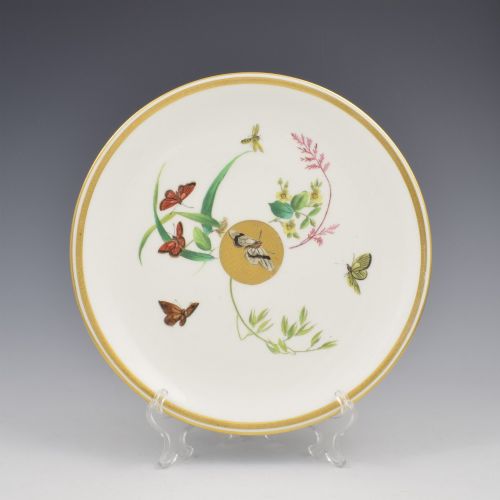
When you search for an antique butterfly display, you are looking at items designed to house, sort, or showcase Lepidoptera alongside related objects from the Georgian, Victorian, and Edwardian eras. These pieces span specialised wooden storage units with multiple drawers and glazed frames to porcelain plates and lacquered chargers decorated with insect motifs.
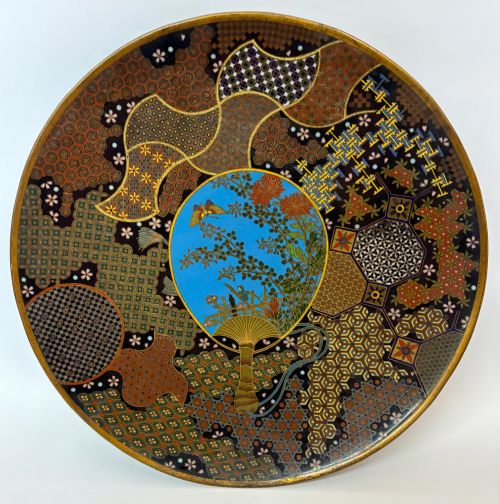
The items listed on this page run from multi-drawer English specimen cabinets in mahogany and pitch pine to framed Swallowtail specimens, Japanese cloisonné chargers, and Brazilian butterfly tables. Such pieces reflect both the rigorous collecting habits of the nineteenth century and the wider applied arts fascination with natural forms.
Collector cabinets form a significant part of the selection, often featuring banks of shallow drawers intended for delicate specimens. Alongside these functional storage pieces, you encounter decorative domestic items and specialised wall displays from the late nineteenth and early twentieth centuries.
How they were made
Cabinet makers utilised dense hardwoods such as mahogany, walnut, and pitch pine to construct durable storage furniture capable of supporting heavy banks of drawers. These woods were joined using traditional methods to ensure stability and protection for the contents within.
Visual decoration on related objects relied on diverse techniques, including hand-painted enamels on porcelain, cloisonné wirework on metal chargers, and red lacquer finishes on marriage furniture. Framed wall displays and occasional tables integrated glass for protection and viewing.
Antique Butterfly Display Retail Price Guide 2026
Typical asking prices for butterfly display among the pieces listed under this phrase on Sellingantiques today, from the lower quarter to the upper quarter. They describe what is for sale here now, not the wider market.
Even frogs join the butterfly and chrysanthemum scenes on Meiji period cloisonné chargers.
What varies in quality
The standard of cabinetry separates standard storage pieces from exceptional works, visible in the precision of the drawer fit and the choice of figured timber. Cabinets by known makers command attention through structural refinement and the integrity of their internal fittings.
On decorative objects, the execution of the surface design dictates the grade, from finely rendered hand-painted porcelain to intricate cloisonné wirework depicting natural scenes with butterfly and floral motifs.
Minton·J.T.Crockett
The Antique Butterfly Display Glossary
- Specimen cabinet
- A piece of furniture fitted with multiple shallow drawers designed to hold natural history collections securely. These units often feature panelled or glazed doors to protect the contents from light and dust.
- Collectors cabinet
- A specialised storage unit utilised for organising and exhibiting small objects or natural specimens. They frequently appear in woods like mahogany, walnut, and pitch pine.
- Cloisonné
- A decorative metalwork technique where compartments are formed on a base object by soldering flat metal wire onto it. These spaces are then filled with coloured enamel paste and fired.
- Aesthetic Movement
- A late nineteenth-century design style that emphasised visual beauty over narrative or moral themes, drawing heavily on Japanese artistic traditions. Items from this period often incorporate butterfly and floral motifs.
Antique Butterfly Display: Frequently Asked Questions
What is an antique specimen cabinet?
An antique specimen cabinet is a piece of furniture built with numerous shallow drawers to house and protect natural history collections, including butterflies and insects.
These cabinets were constructed by specialists in woods like mahogany and pitch pine to ensure specimens remained undisturbed and organised.
How were butterfly displays used historically?
Historically, these displays served both scientific study and domestic decoration, allowing naturalists and collectors to examine fragile Lepidoptera safely.
Cabinets kept large collections out of the light in fitted drawers, while framed mounts and tables exhibited specific specimens for visual appreciation.
What materials are common in these displays?
Common materials include dense timbers such as mahogany, walnut, and pitch pine used for cabinetry and table structures.
Glass, brass hardware, enamel, and porcelain also appear frequently across the framed displays, decorative chargers, and plates.
How do you date an antique cabinet?
Dating relies on construction methods, timber choices, and historical design characteristics associated with periods like the Georgian and Victorian eras.
Maker signatures or labels, when present, provide additional documentation regarding the exact decade of manufacture.