



Antique Butcher Shop
An antique butcher shop piece brings robust commercial heritage indoors, offering striking painted signage, heavy cast iron scales, and solid wooden tables that anchor a room with authentic trade history.
Antique Butcher Shop
When you search for an antique butcher shop piece, you encounter heavy commercial equipment, painted trade signs, and functional display items originating from the nineteenth and early twentieth centuries. These objects reflect the practical needs of traditional meat purveyors, featuring robust construction designed for daily use in bustling trade environments.
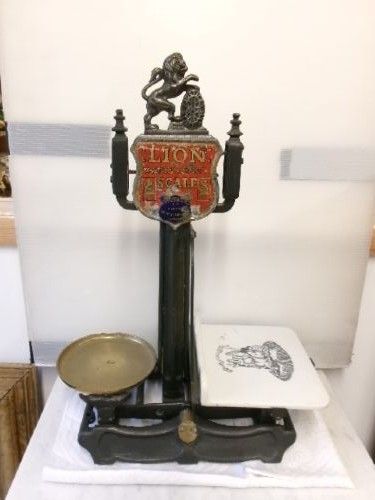
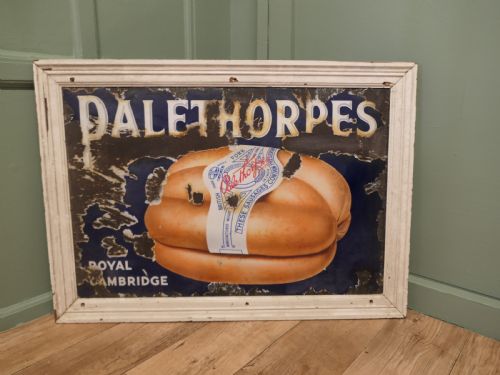
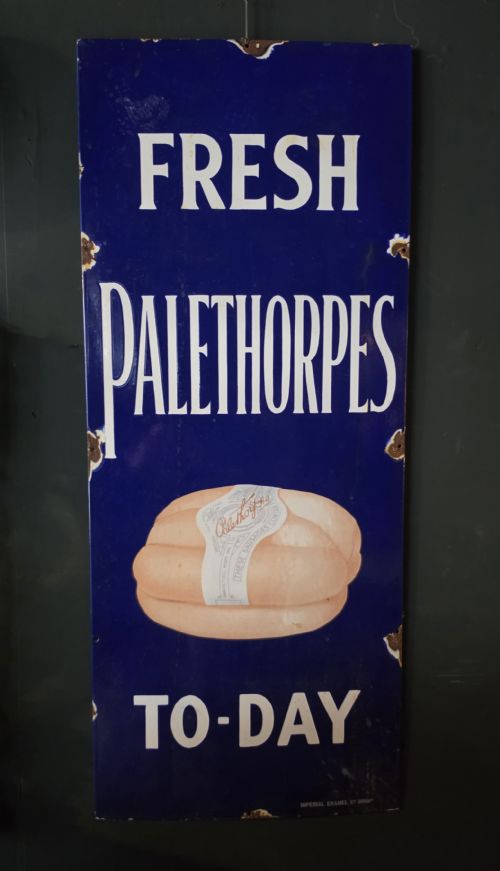
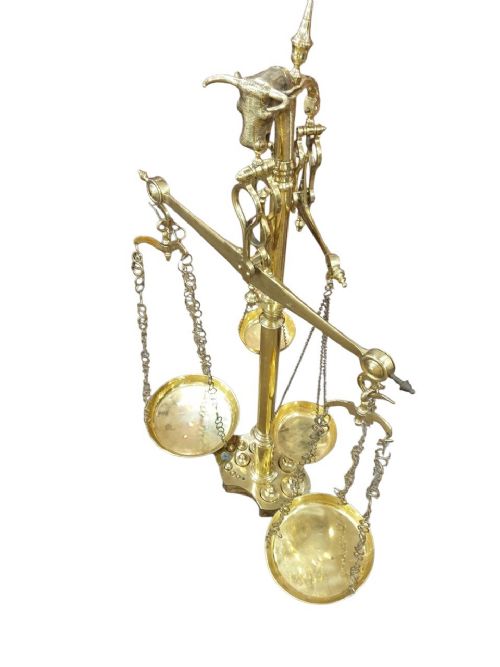
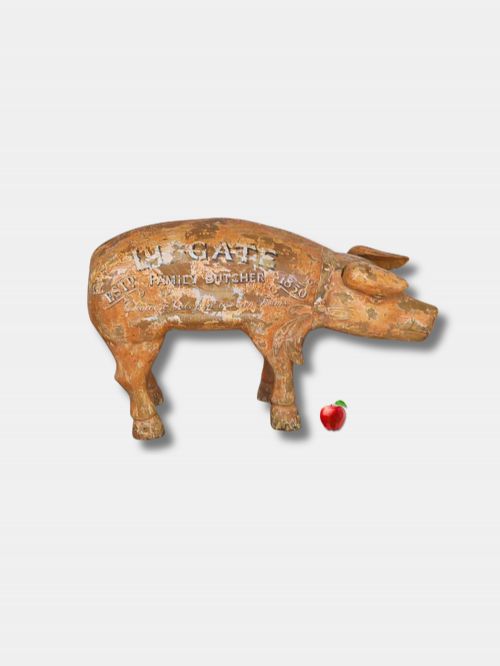
The selections available here range from monumental floor-standing brass scales and cast iron balance mechanisms to large enamel pictorial sausage signs and painted wooden trade boards. You also find specialised display fixtures, including ceramic advertising scale plates, heavy wooden tables, and sculptural animal figures used for shop windows.
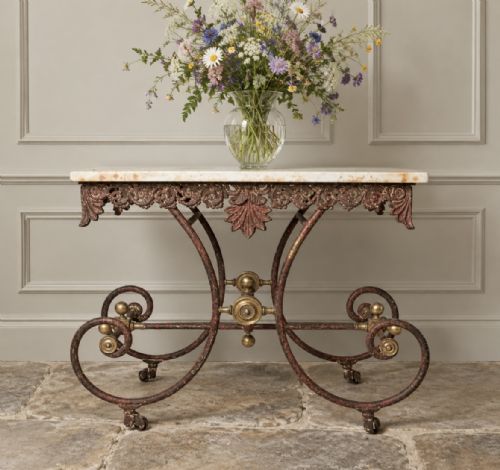
Victorian and Edwardian pieces dominate the offerings, spanning styles from straightforward commercial utility to French provincial rustic charm and Victorian folk art. Each item carries the distinct marks of commercial trade, whether through the bold lettering of a family butcher sign or the worn patina of a heavy wooden display block.
Materials and construction methods
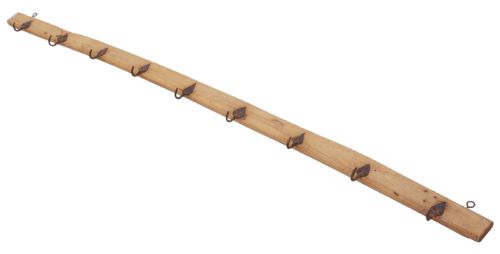
Makers utilised heavy cast iron, wrought iron, and brass to build durable weighing scales and wall hooks that endured constant commercial handling. These metal components often feature maker stamps, raised lettering, and structural bracing designed to support substantial weights without failure.
Wood appears extensively in the form of dense pine tables, display trolleys, and carved folk art figures, providing solid surfaces and structural integrity. Surfaces frequently display layers of paint, natural wax, or raw grain shaped by decades of commercial use and scrubbing.
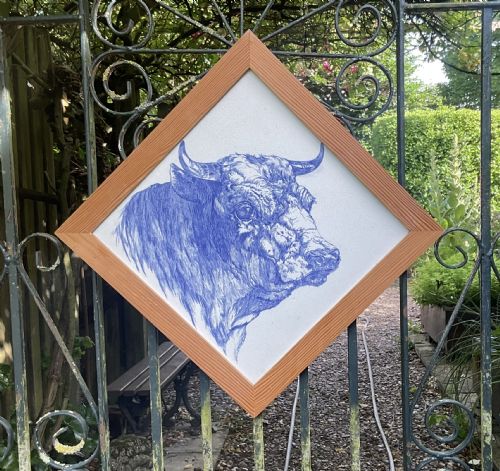
Ceramic, enamel, and papier-mâché served as primary mediums for advertising signs, scale plates, and window display figures like pigs and bulls. Enamel signs combined fired vitreous glass with sheet iron to withstand outdoor exposure, while ceramic plates utilised crisp cobalt or black transfer printing for clear retail messaging.
Antique Butcher Shop Retail Price Guide 2026
Typical asking prices for butcher shop among the pieces listed under this phrase on Sellingantiques today, from the lower quarter to the upper quarter. They describe what is for sale here now, not the wider market.
Listings feature items from the Victorian, Edwardian, and early twentieth-century periods, utilising cast iron, brass, wood, and enamel.
Judging the quality of trade survivals
Quality rests in the legibility of original painted lettering and the retention of factory surfaces on both enamel signs and cast iron scale mechanisms. Pieces bearing clear maker attributions or specific family butcher names command greater interest due to their documented regional provenance.
Substantial scale mechanics with complete brass pans and working balance arms demonstrate superior manufacturing standards compared to decorative fragments lacking their original hardware. Similarly, heavy wooden blocks and tables retain more appeal when they preserve their original thick working tops rather than having undergone aggressive modern planing.
Herbert & Sons London·Palethorpes Royal Cambridge·Day & Millward London & Birmingham·Trussant & Cie
The Antique Butcher Shop Glossary
- Balance scales
- A weighing device utilising two suspended pans hung from a central beam to determine mass through counterweights. These heavy cast iron or brass instruments formed the centerpiece of nineteenth-century retail counters.
- Enamel sign
- A rigid metal panel coated in fused powdered glass to create a durable, weather-resistant advertising surface. They were widely mounted outside shops to promote specific meat products.
- Trade sign
- A painted wooden or metal board displaying the name of the proprietor and their commercial specialty to passersby. These boards served as the primary visual identification for high street businesses.
- Butcher's block
- A thick, heavy wooden table constructed from end-grain blocks of hardwood designed to absorb the repeated impact of cleavers. They show deep surface indentations from decades of active food preparation.
Antique Butcher Shop: Frequently Asked Questions
How do I clean an antique enamel sign?
Wash the surface gently with warm water and mild soap, avoiding abrasive scouring pads that might damage the fused glass glaze.
Dry the metal edges thoroughly to prevent active oxidation around any mounting holes or chipped perimeters.
Are large trade scales still mechanically accurate?
Many surviving balance scales retain their original working components, though they function primarily as decorative objects today.
Calibration can drift over decades, meaning they serve better as display centerpieces than for precise kitchen measurements.
What is the best way to maintain a wooden butcher block?
Apply food-safe mineral oil periodically to nourish the dense timber and prevent the grain from splitting in dry indoor environments.
Keep the heavy wooden surface away from direct heat sources and excessive moisture to preserve its structural integrity.
How do I identify a reproduction trade sign?
Examine the edges and mounting points for genuine rust, oxidation patterns, and natural weathering consistent with outdoor commercial use.
Authentic pieces show characteristic gloss variations and minor porcelain losses rather than uniform artificial distress.