


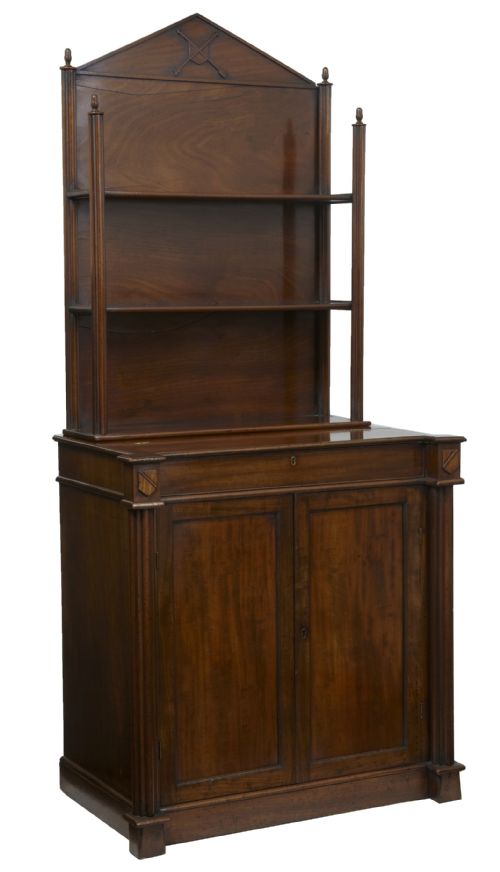


Antique Bureau with Shelves
An antique bureau with shelves brings together a practical writing surface and display storage, offering a compact workspace for any room.
Antique Bureau with Shelves
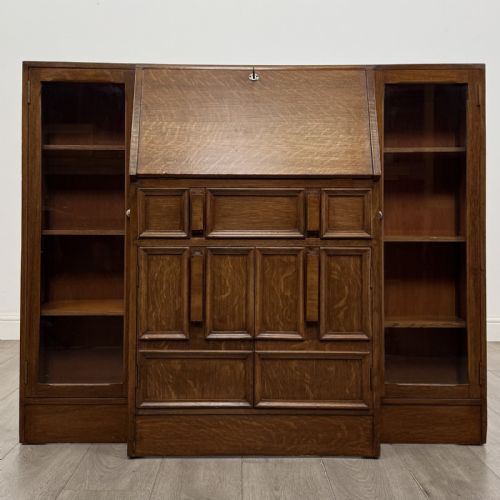
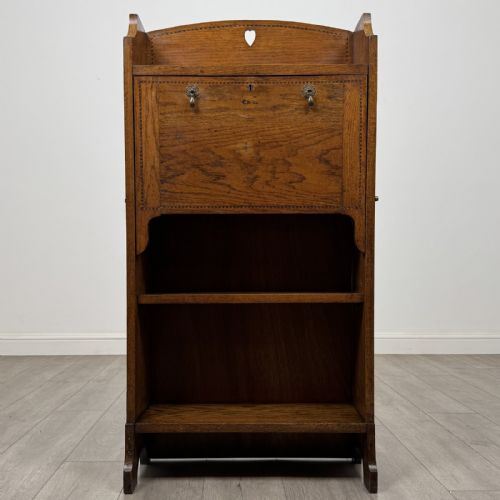
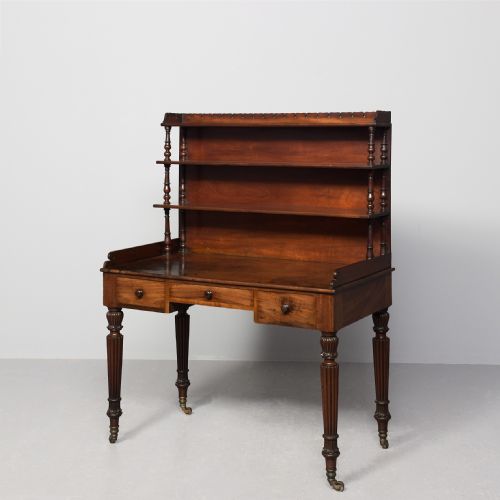
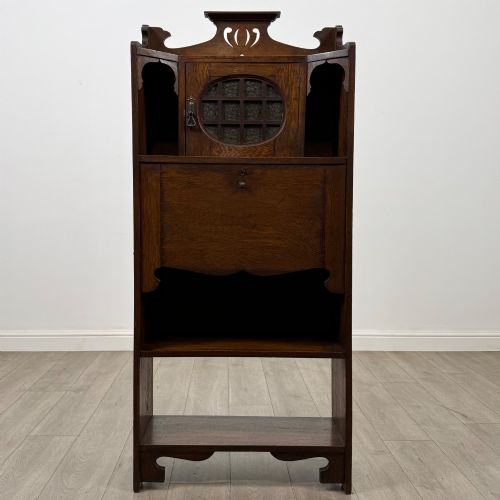
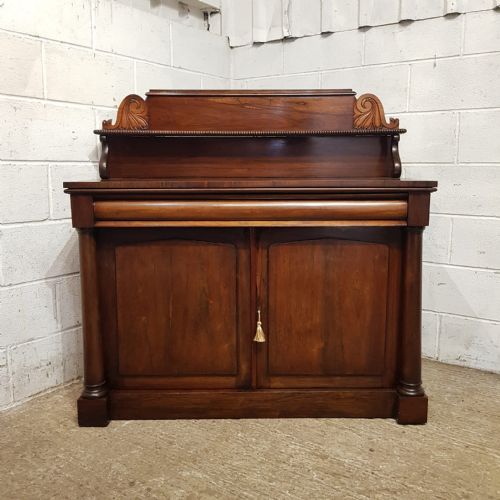
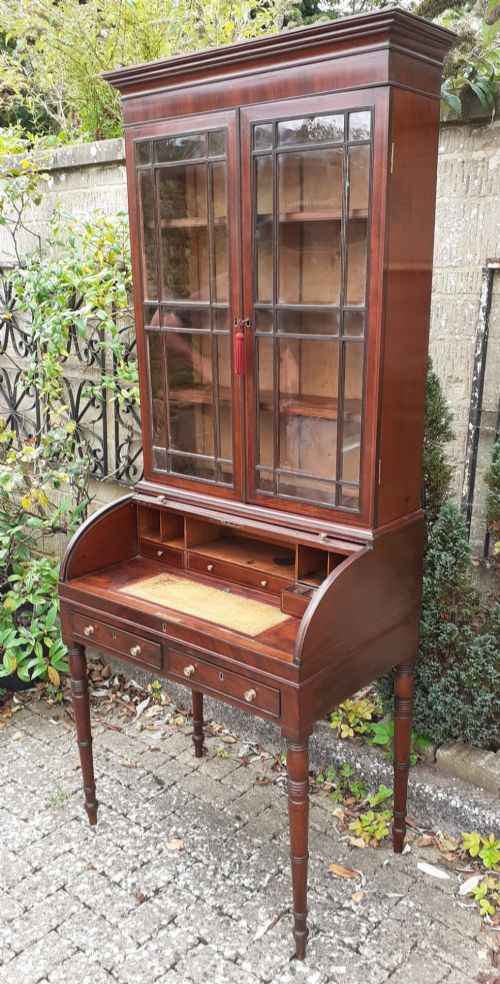
An antique bureau with shelves combines a sloping or flat writing surface with open or enclosed upper shelving, functioning as both desk and bookcase. The selection ranges from compact Edwardian and Victorian examples to earlier Georgian pieces.
Buyers frequently encounter mahogany and walnut specimens featuring fitted writing compartments alongside glazed or open bookshelves. These dual-purpose pieces suited period homes requiring efficient furniture in smaller footprints.
Forms span from bureau bookcases and escritoires to bonheur du jour desks and Davenport whatsits. Each variety adapts the core writing and shelving concept for the parlour, study or bedroom.
Materials and construction methods
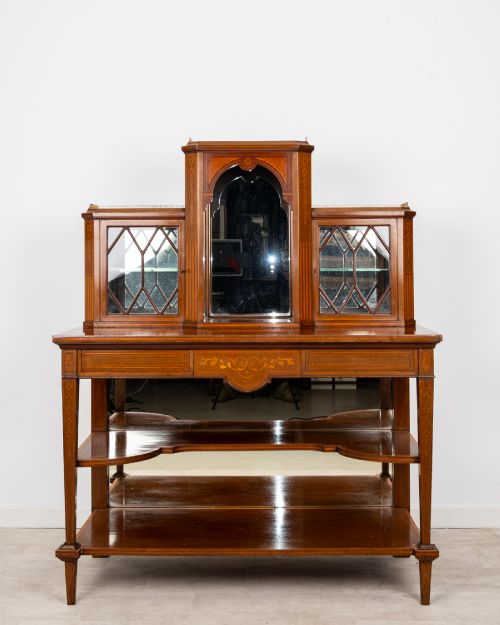
Cabinetmakers utilised dense timbers such as mahogany, walnut, satinwood and oak for the primary carcases. These woods were often selected for rich grain patterns or enhanced with delicate inlay work.
Functional metal elements including brass hardware secure drawers and fittings, whilst glass panels or mirrors form the upper display sections. Interior compartments organise stationery and small documents behind fitted desk flaps.
Antique Bureau with Shelves Retail Price Guide 2026
Typical asking prices for bureau with shelves among the pieces listed under this phrase on Sellingantiques today, from the lower quarter to the upper quarter. They describe what is for sale here now, not the wider market.
Current listings span the Georgian, Victorian and Edwardian periods, utilising mahogany, walnut, oak, satinwood, glass and brass.
Assessing quality and craftsmanship
Superior examples demonstrate meticulous timber selection and refined decorative techniques such as intricate inlay or exhibition-quality burr veneers. Construction integrity in the drawers and writing flap distinguishes finer workshops from standard production.
Proportions and balance dictate visual success, particularly when upper shelving sits atop a heavy bureau base. Finer pieces maintain elegant lines without sacrificing structural stability in the desktop or shelves.
James Mein of Kelso·Tudor and Burrey Shrewsbury
The Antique Bureau with Shelves Glossary
- Bureau
- A writing desk featuring a sloping lid that opens to reveal internal compartments and pigeonholes. It often sits above drawers or atop shelving units.
- Escritoire
- A tall writing cabinet containing a drop-front desk surface and upper storage space. This form provides substantial storage within a refined vertical footprint.
- Bonheur du jour
- A light ladies writing desk originating in the eighteenth century, usually fitted with small drawers, shelves or a cabinet above the desk top. These delicate pieces served for writing letters and displaying small ornaments.
- Davenport
- A compact small desk featuring a sloping writing top and side drawers. Victorian versions frequently incorporated upper shelving or a whatnot superstructure.
- Burr walnut
- Wood taken from the gnarled growth of a walnut tree, yielding highly decorative swirling grain patterns. Cabinetmakers sliced this timber into thin veneers to adorn premium furniture surfaces.
Antique Bureau with Shelves: Frequently Asked Questions
What is an antique bureau with shelves?
These dual-purpose pieces combine a dedicated writing desk with integrated upper shelving for books or display objects. They offer practical workspace alongside vertical storage.
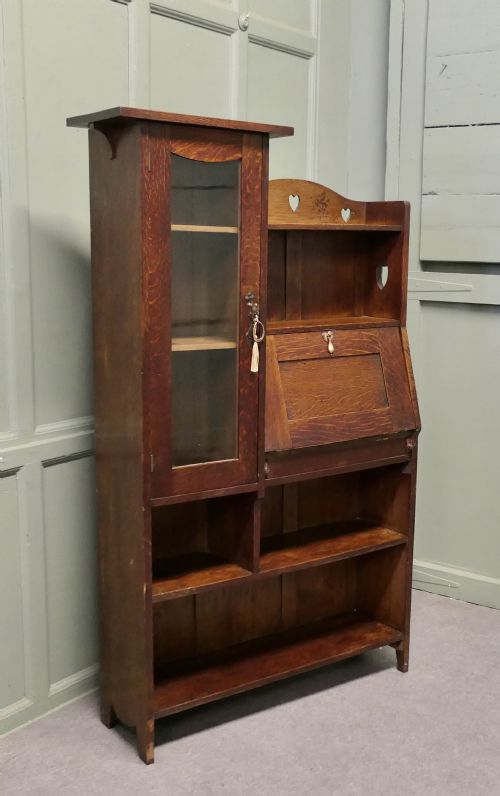
Designs vary from robust oak Arts and Crafts models to refined mahogany Georgian and Edwardian writing cabinets.
Where were these desks used?
Period homes utilised these pieces in studies, drawing rooms and bedrooms where floor space was at a premium. They provided a private place for correspondence while keeping reference books close at hand.
Ladies writing desks suited lighter domestic spaces, whereas larger bureau bookcases served as primary household secretaries.
How do I date an antique bureau?
Dating relies upon timber choices, construction techniques and stylistic markers associated with specific periods like Georgian, Victorian or Edwardian. Earlier pieces often employ solid mahogany or oak, while later Victorian and Edwardian examples show diverse veneers and inlaid details.
Cabinet hardware and internal drawer construction also offer clues regarding the decade of manufacture.
How do I care for wood surfaces?
Protect antique timber by keeping pieces away from direct sunlight and fluctuating heat sources that cause wood to dry and split. Regular dusting with a soft, dry cloth preserves the finish.
Applying appropriate wax occasionally nourishes walnut and mahogany surfaces without building up heavy residues.