
Antique Brown Wardrobe
An antique brown wardrobe provides substantial bedroom storage, taking the form of large wooden cupboards, tallboys and linen presses spanning multiple historic periods.
Antique Brown Wardrobe
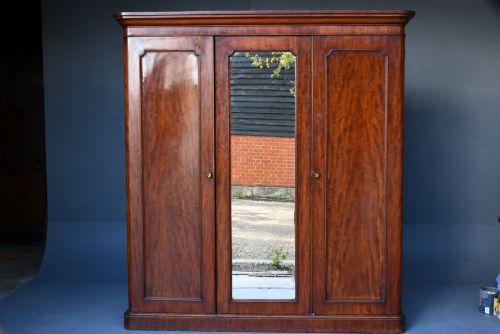
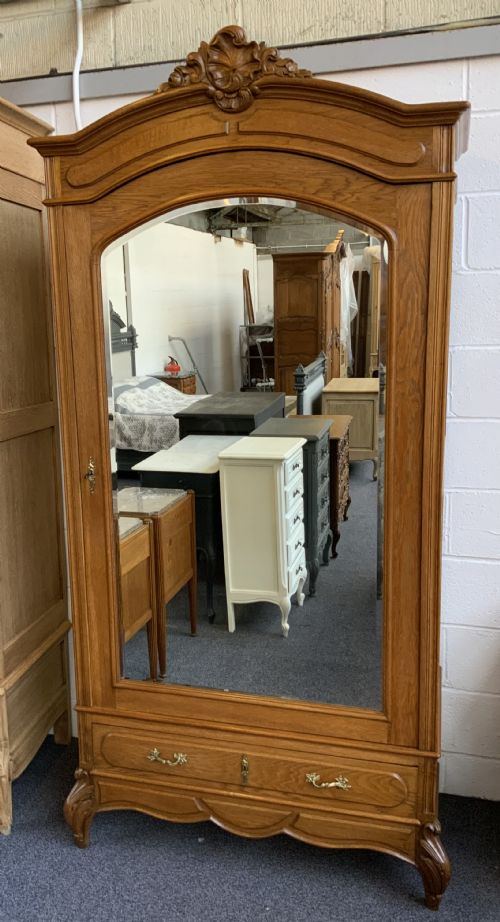
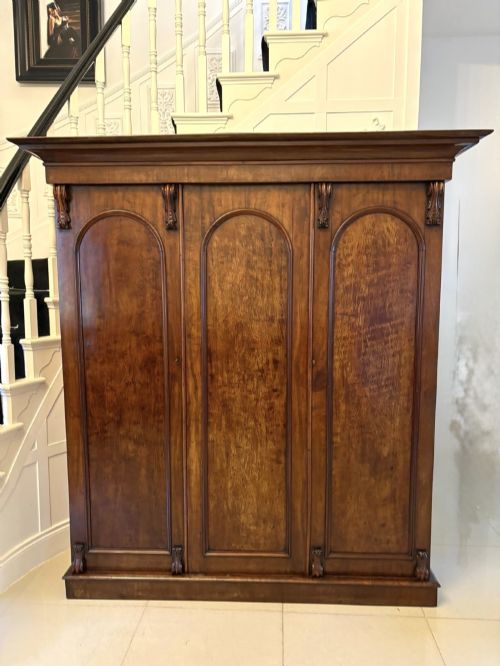
When buyers search for an antique brown wardrobe, they encounter large wooden storage furniture originating from eras spanning the eighteenth century through to the nineteen-thirties. The selection includes single, double and triple configurations designed for hanging garments, alongside associated forms like linen presses and tallboys.
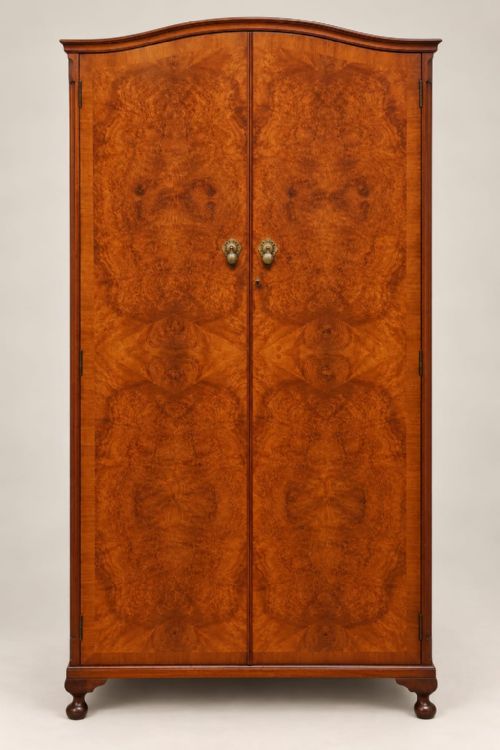
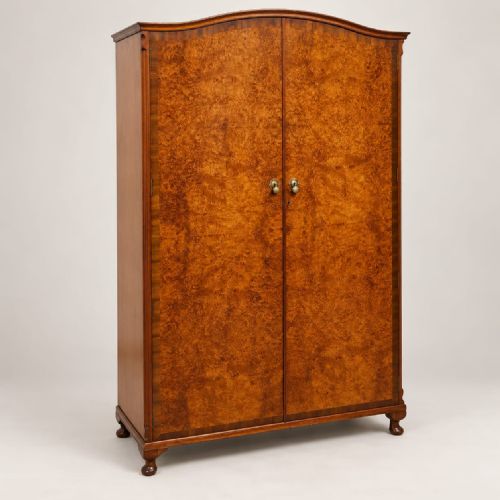
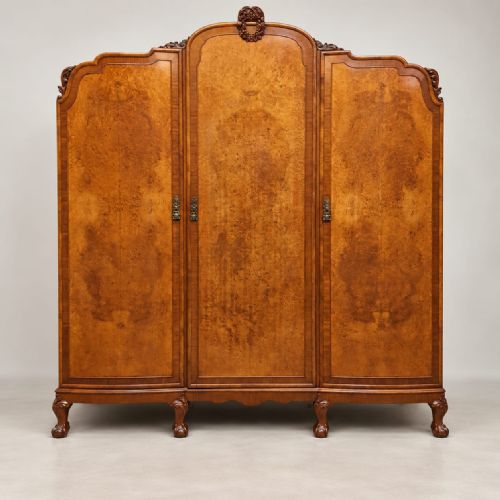
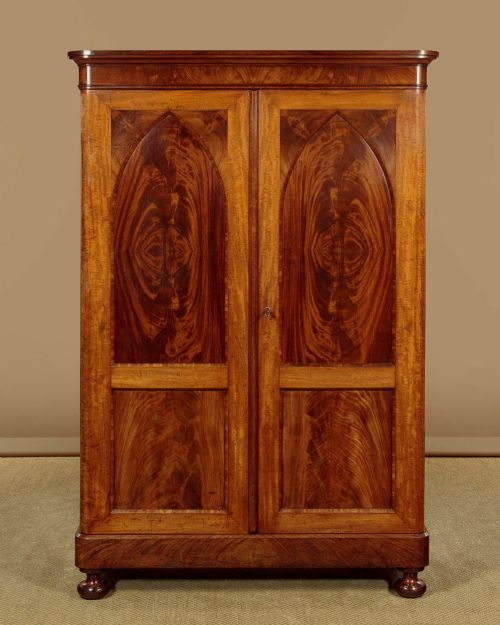
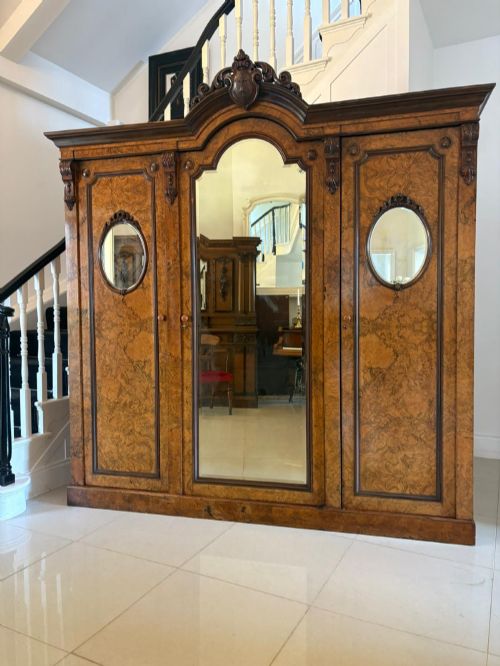
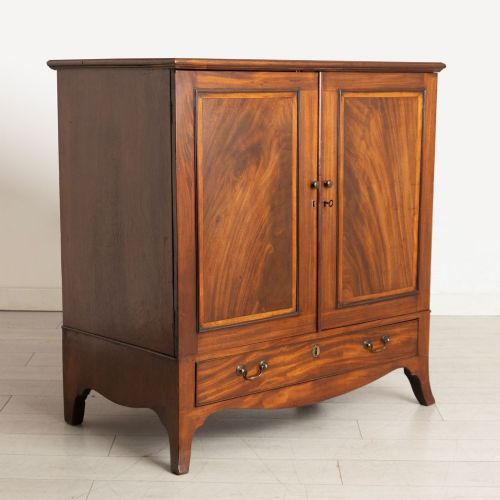
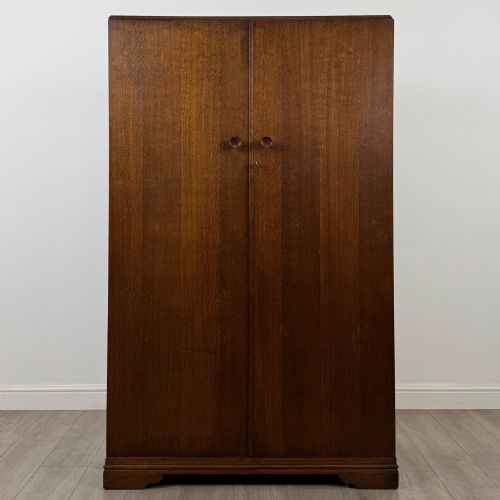
Mahogany, oak and walnut dominate the offerings, appearing across distinct stylistic revivals and vernacular traditions such as Victorian, Georgian, Edwardian and Art Deco. Pieces range from modest single-door oak cupboards to expansive burr walnut breakfront designs and inlaid mahogany housekeepers wardrobes.
How they were made
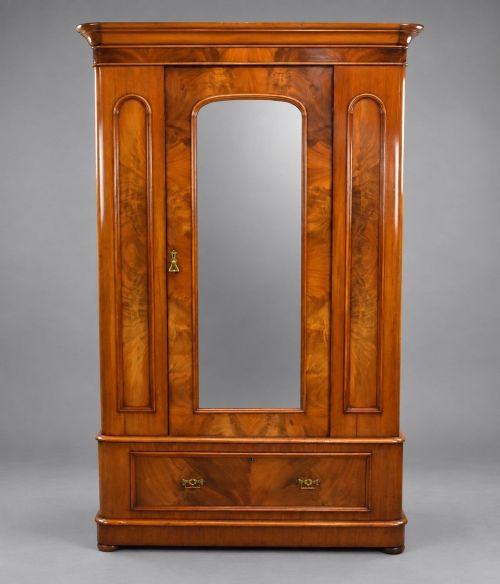
Construction relies heavily on dense timbers including mahogany, oak and walnut, frequently enhanced by decorative veneers such as burr walnut and flame mahogany. Cabinetmakers utilised traditional joinery methods to build large frames, incorporating brass hardware, glass panels and iron elements for functional support.
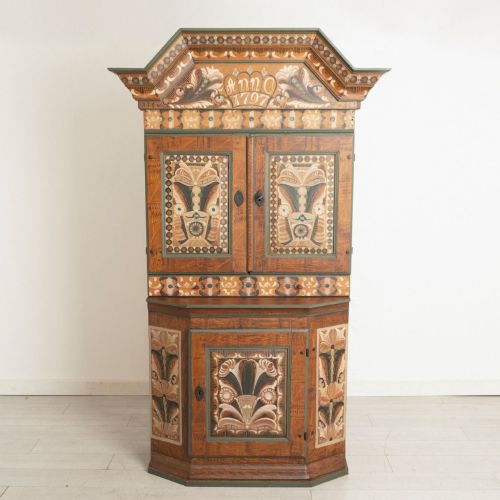
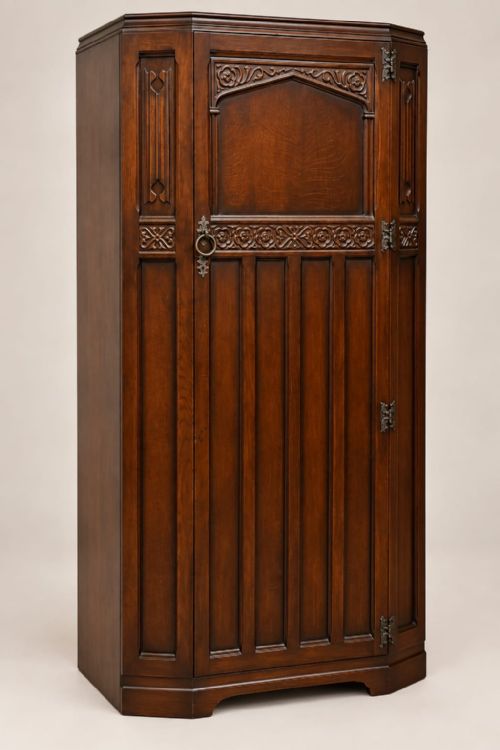
Surface decoration extends to hand-painted finishes, floral marquetry inlay in walnut, satinwood stringing and carved details including linenfold panels and dentil cornices. Structural elements incorporate fitted internal shelving, drawers and hanging space suited to period garments.
Period styles represented across the inventory include Georgian, Victorian, Edwardian, Art Deco and Dutch Baroque.
What varies in quality
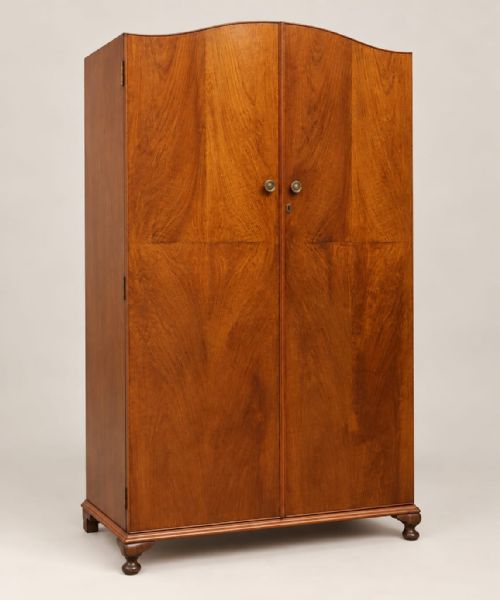
Quality differences emerge in the selection and application of timber veneers, where highly figured burr walnut or flame mahogany indicates superior cabinetmaking ambition. The sophistication of secondary decorative work, from detailed marquetry and satinwood inlay to hand-carved mouldings, separates standard utilitarian pieces from exceptional commissions.
Proportion and scale dictate the visual success of the piece, with finer examples maintaining balanced cornice work, well-fitted internal compartments and harmonious hardware integration. The integrity of the original timber surfaces and the execution of structural joinery govern the overall standard of survival.
Edwards and Roberts
The Antique Brown Wardrobe Glossary
- Linen press
- A tall piece of furniture featuring upper cupboard doors enclosing sliding trays or shelves, positioned above a base section of drawers.
- Tallboy
- A vertical storage unit comprising a chest of drawers stacked upon another chest, or a wardrobe configuration built with elevated proportions.
- Compactum
- A multi-compartment wardrobe combining hanging space, sliding shelves and drawers within a single fitted carcass.
- Marquetry
- The art of applying decorative pieces of veneer to a structure to form intricate picture designs or floral patterns.
- Dentil cornice
- A classical architectural moulding pattern composed of small square blocks resembling teeth placed at regular intervals beneath the upper edge.
Antique Brown Wardrobe: Frequently Asked Questions
What is a linen press?
A linen press is a tall storage cabinet designed originally for storing folded textiles and garments on internal sliding shelves rather than hanging them.
These pieces typically combine upper cupboard doors with a chest of drawers in the lower section, offering versatile bedroom storage.
How do I fit a large wardrobe?
Measuring both ceiling height and floor space is essential before introducing a large wooden wardrobe into a room.
Many period wardrobes were constructed to dismantle into sections or separate cornices to facilitate movement through historic doorways.
What is burr walnut?
Burr walnut is a highly decorative wood veneer harvested from tree growths that produce complex, swirling grain patterns.
Cabinetmakers utilised this timber on prominent surfaces of wardrobes and cabinets to create striking visual depth.
How do I care for antique wood?
Maintaining antique wooden furniture involves keeping pieces away from direct heat sources and fluctuating humidity levels to protect the timber.
Regular dusting with a dry cloth and occasional light waxing preserves the natural finish of mahogany, oak and walnut surfaces.