
Antique Brown Armoire
An antique brown armoire provides substantial bedroom storage through centuries of timber craftsmanship.
Antique Brown Armoire
An antique brown armoire encompasses large timber storage furniture spanning wardrobes, linen presses, and cupboards. These pieces originate from periods including the eighteenth century, the Victorian era, and nineteen-twenty.
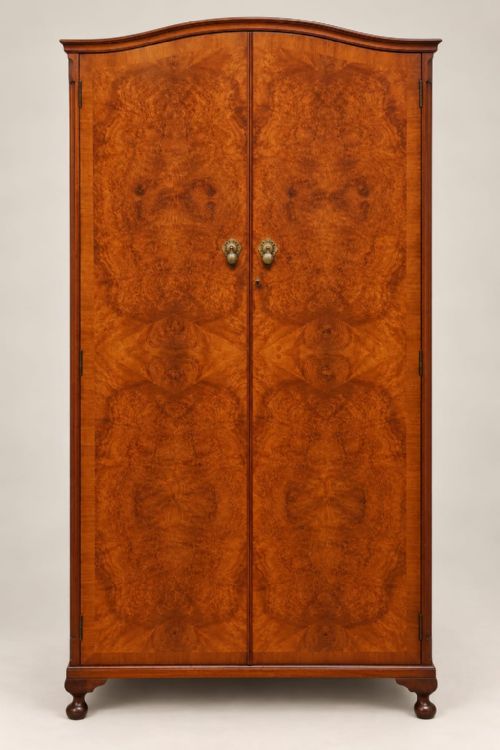
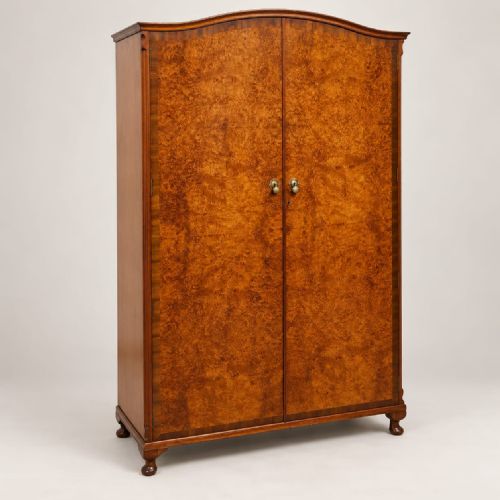
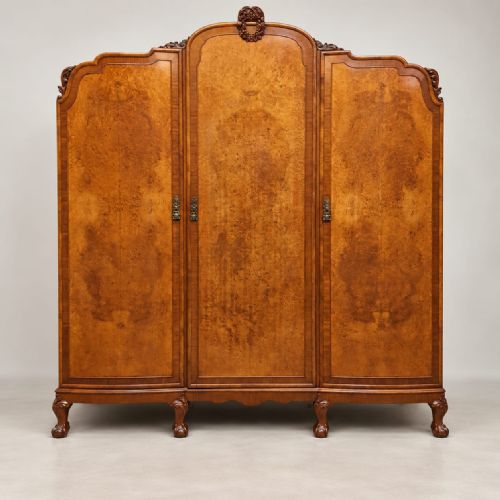
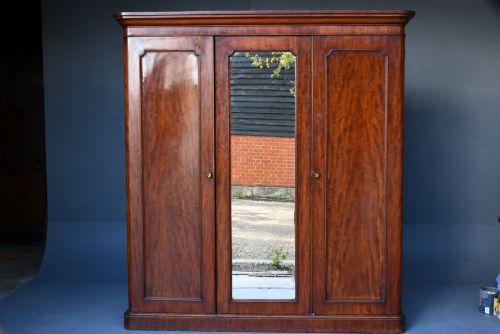
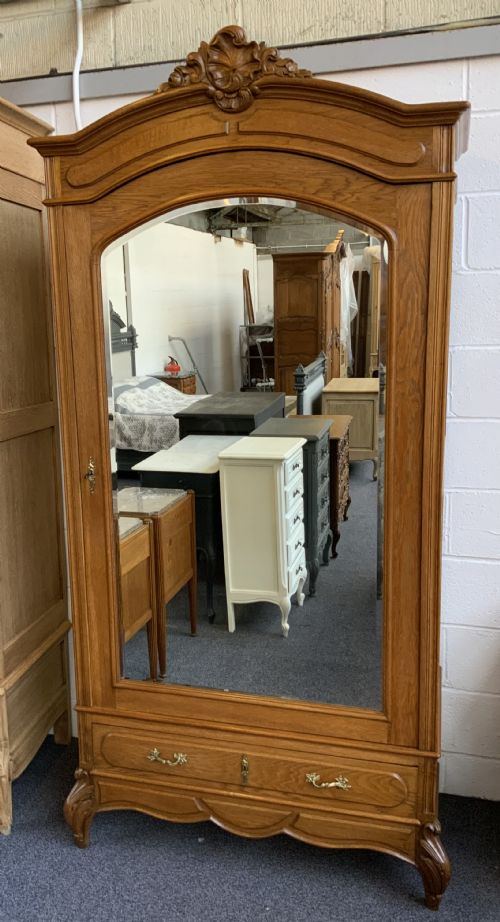
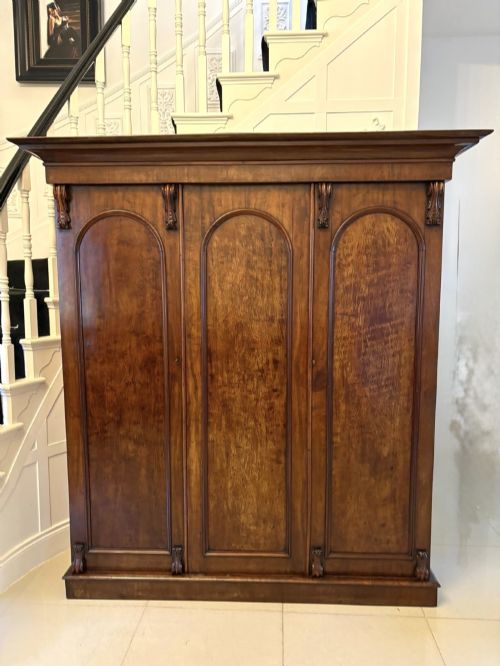
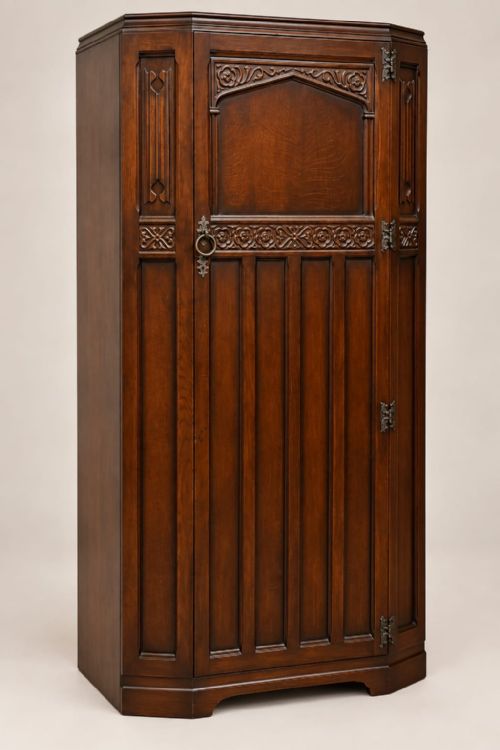
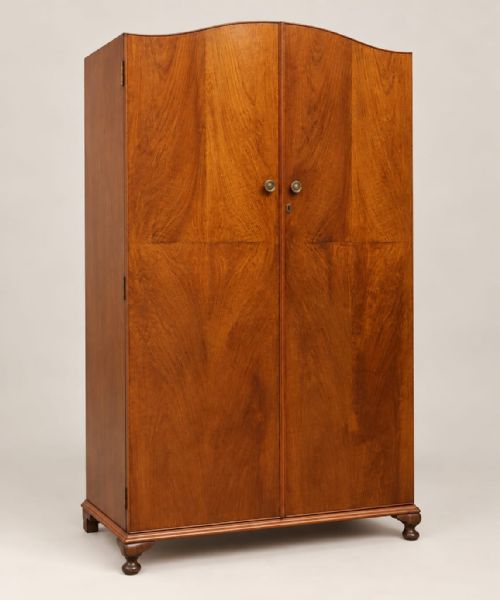
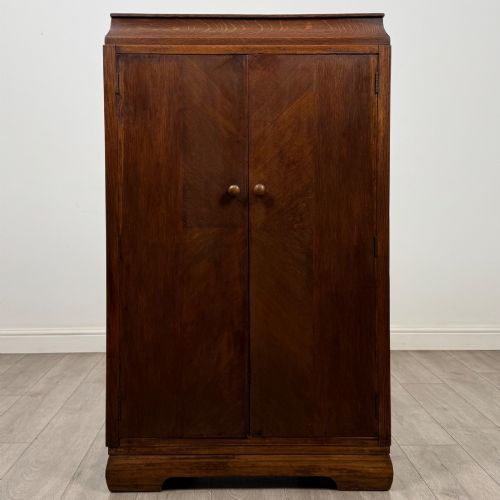
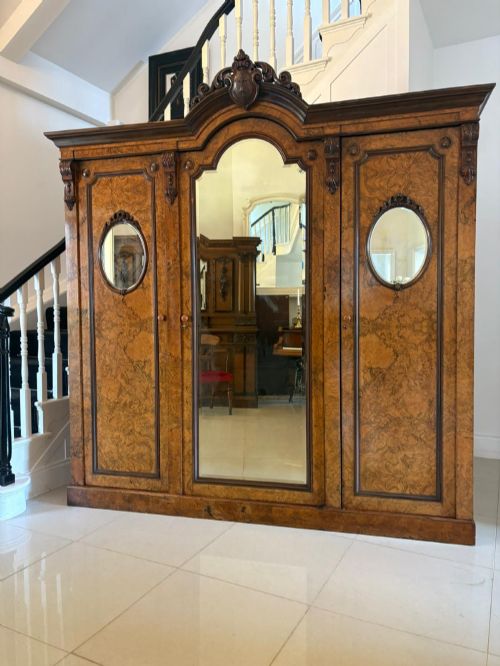
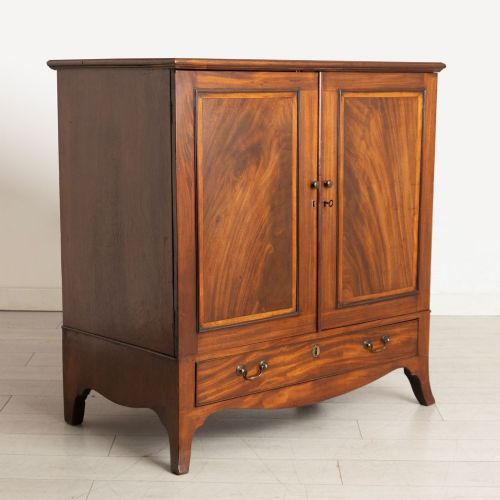
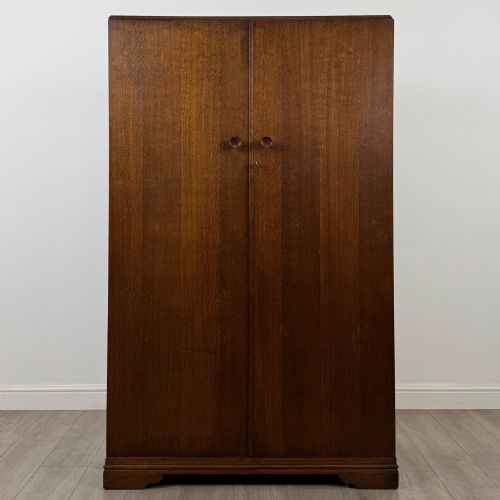
The selections available here range from compact single door oak wardrobes to large triple door burr walnut cabinets. Walnut, mahogany, and oak dominate the forms, reflecting centuries of domestic storage requirements.
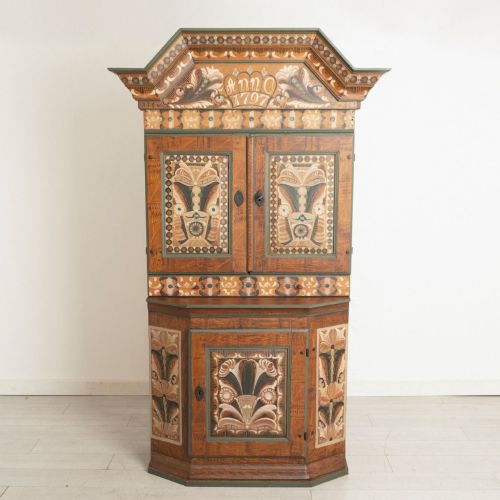
Makers utilised various regional styles, ranging from French provincial designs to Dutch Baroque and Edwardian constructions. Buyers frequently encounter configurations equipped with fitted interiors, hanging space, and linen shelves.
How they were made
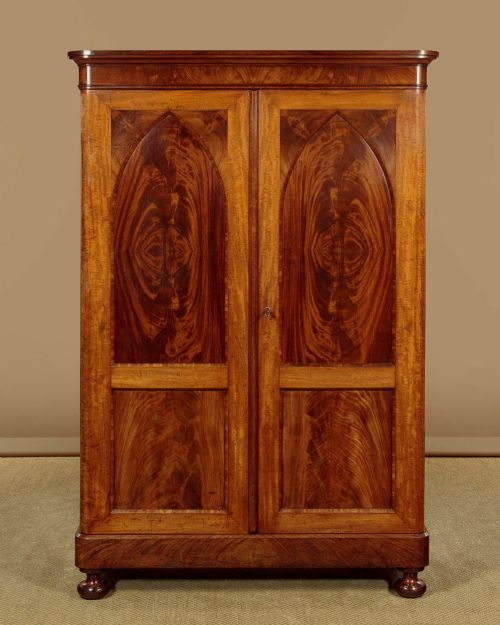
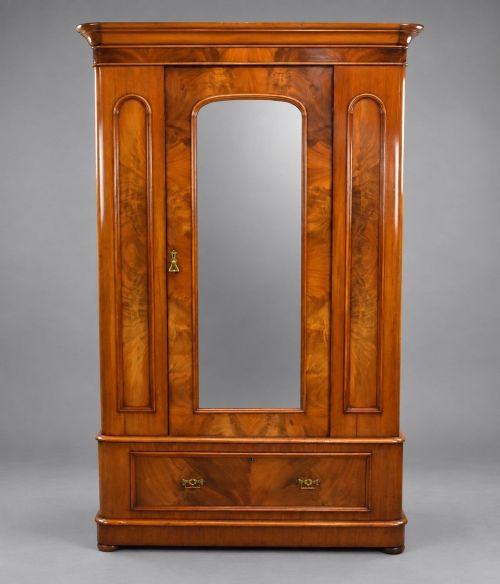
Cabinetmakers constructed these brown armoires using solid timbers such as mahogany, oak, walnut, and pine. Sections often display figured veneers or burr walnut panels applied to primary wood frames.
Decorative elements incorporate hand-carving, brass hardware, satinwood inlay, and marquetry with floral motifs. Interior fittings rely on traditional joinery to support hanging rails, sliding trays, and storage drawers.
Materials recorded across the selection include mahogany, burr walnut, oak, pine, cherry, and ash.
What varies in quality
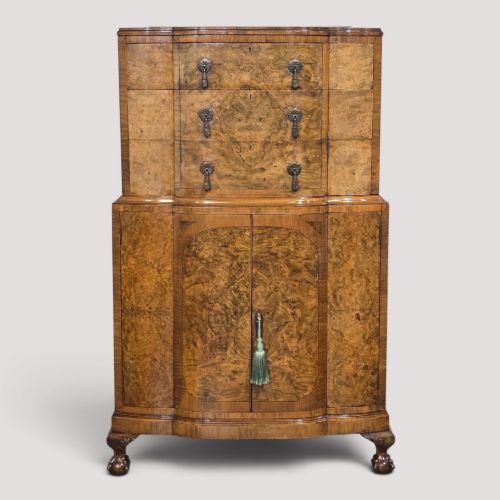
The selection of timber grain and veneer matching dictates the visual appeal of walnut and mahogany examples. Highly figured burr walnut and intricate marquetry indicate superior cabinetmaking effort.
Structural integrity depends on the precision of the joinery and the survival of original brass fittings and internal shelves. Pieces retaining fitted interiors and matching keys demonstrate higher preservation levels.
Edwards and Roberts
The Antique Brown Armoire Glossary
- Armoire
- A large wardrobe or cupboard for storing clothes. These tall pieces typically feature one or more doors enclosing hanging space or shelving.
- Linen Press
- A tall storage cabinet traditionally used for linens and clothing. Upper sections generally contain sliding shelves while lower sections provide drawer storage.
- Burr Walnut
- Timber taken from a walnut tree growth that produces intricate swirling grain patterns. Cabinetmakers sliced this wood into decorative veneers for prominent door panels.
- Marquetry
- Inlaid patterns of wood veneer applied to furniture surfaces. Craftsmen used various tinted woods to create pictorial designs and floral motifs.
- Compactum
- A multi-compartment wardrobe combining hanging space, drawers, and shelves within a single unit. This design maximises storage efficiency in bedroom furniture.
Antique Brown Armoire: Frequently Asked Questions
How do I use an antique armoire today?
These large timber cabinets serve as primary bedroom wardrobes or hallway storage units. Internal configurations often accommodate modern clothing rails alongside traditional shelf space.
Larger triple door models provide substantial capacity for garments and household linens. Smaller single door versions fit well in compact guest rooms or entryways.
What woods were used for these brown cabinets?
Cabinetmakers utilised durable hardwoods including oak, mahogany, and walnut. Figured veneers and burr walnut appeared on decorative surfaces during later periods.
Pine and ash served regional workshops for farmhouse and folk art furniture. Brass hardware and ebony details completed the material composition.
How do I distinguish Victorian pieces from earlier eras?
Victorian wardrobes often employ dense mahogany and feature heavier proportions with extensive carved details. Earlier eighteenth-century examples display restrained Georgian lines or intricate Dutch marquetry.
Nineteen-twenty pieces introduce burr walnut finishes and simpler structural outlines. Examining the interior construction reveals transitional joinery methods across these eras.
Will an antique armoire fit in a modern bedroom?
These substantial storage pieces require careful measurement of ceiling height and floor space before placement. Many period designs dismantle into sections for easier transport and installation.
Internal depths vary, so checking hanging clearances ensures modern garments fit properly inside the historical frame.