

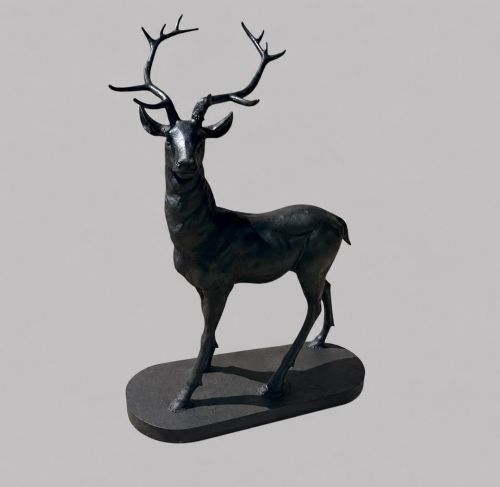


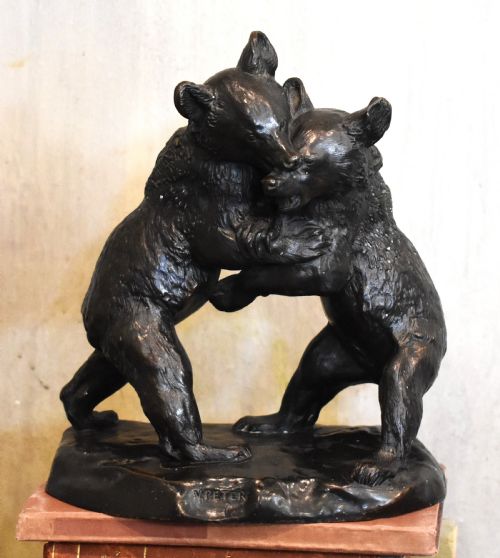


Antique Bronze Wildlife
Antique bronze wildlife captures animals in action, bringing the raw power and subtle movement of nature directly into a room.
Antique Bronze Wildlife
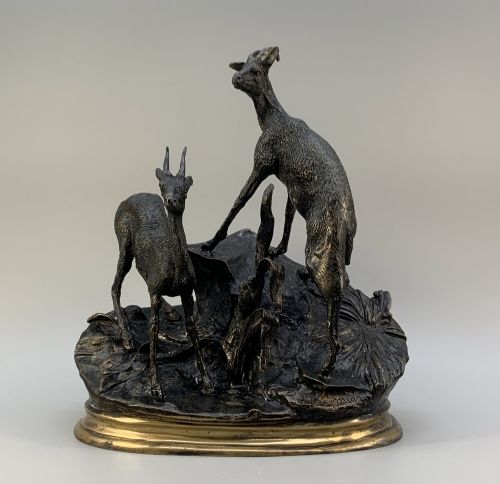
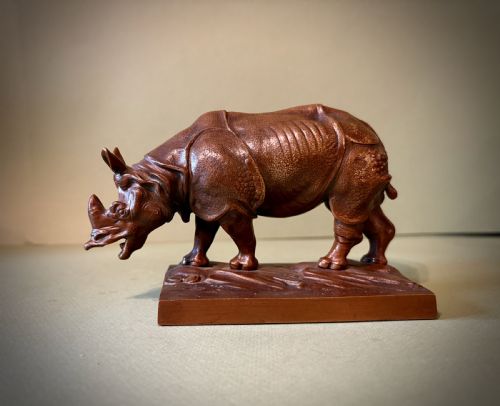
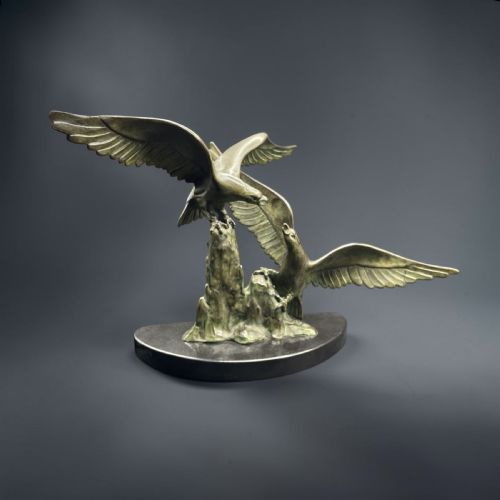
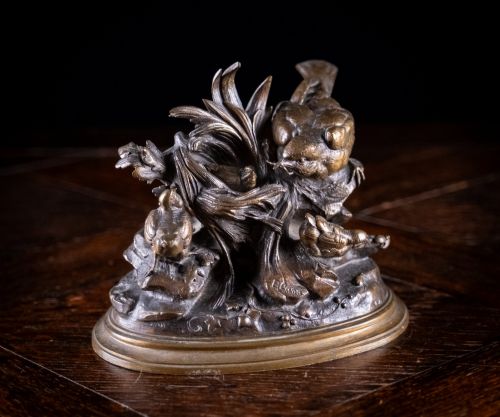
When a buyer looks for antique bronze wildlife, they encounter dynamic animal sculptures spanning the nineteenth and early twentieth centuries. These pieces capture creatures ranging from domestic birds and rabbits to powerful big cats and elephants.
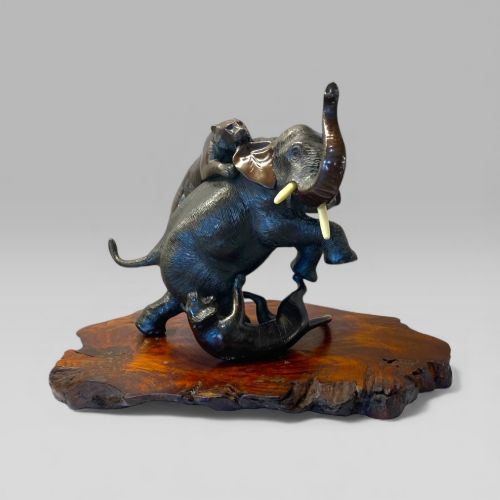
The versions met most frequently on this page belong to the French Animalier school, the Japanese Meiji period, and the Austrian cold painted tradition. Each origin brings a distinct approach to capturing fur, feather, and muscle in metal.
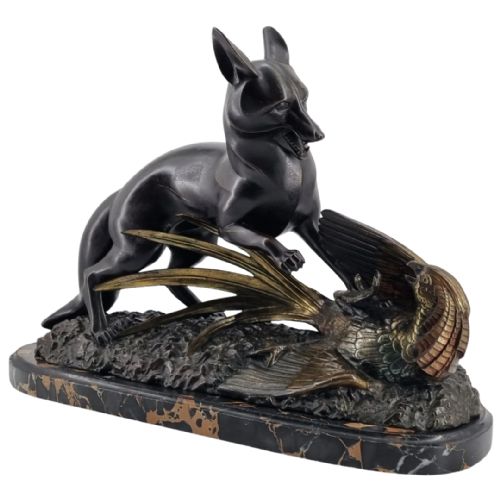
Forms vary from solitary figures on marble bases to dramatic groups involving predators and prey in fierce struggle. Sculptures utilise materials like dark patina, paint, and green onyx to mount and finish the cast.
Materials and Casting Techniques
These works rely primarily on bronze cast through traditional methods, often enhanced by a dark patina or hand-applied cold paint. Foundry marks frequently indicate the precise casting house responsible for the metalwork.
Bases are integrated thoughtfully, incorporating materials such as marble, wood, bone, and green onyx to support the weight of the metal animals. Paint survives on specific Austrian studies, preserving the original polychrome surface.
Sculptors shape the bronze to reveal musculature, hair texture, and avian plumage with high precision. Foundry processes ensure durability, allowing complex groupings of elephants, tigers, bears, and stags to endure for generations.
Antique Bronze Wildlife Retail Price Guide 2026
Typical asking prices for bronze wildlife among the pieces listed under this phrase on Sellingantiques today, from the lower quarter to the upper quarter. They describe what is for sale here now, not the wider market.
Several bronze bears and elephants appear accompanied by tiny tigers, proving that even heavy metal animals sometimes need very small companions.
Evaluating Quality and Execution
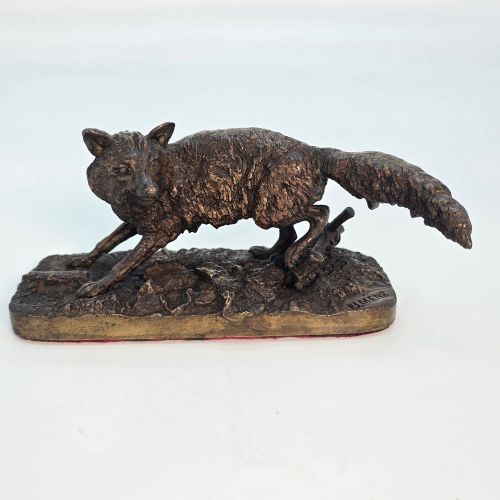
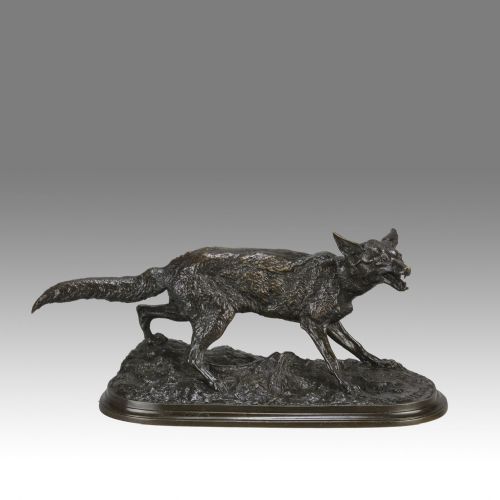
The distinction between ordinary and exceptional pieces lies in the fidelity of the anatomy and the crispness of the chase work. Superior casts retain sharp detail in fur and feathers without losing the natural fluidity of the animal's movement.
Foundry reputation and artist signature elevate the standing of a sculpture, particularly when cast by established houses like Barbedienne or Siot. The quality of the underlying metal and the depth of the patina contribute significantly to the visual presence of the piece.
Tsunemitsu·Lavroff·P J Mêne·Kaniya Kuniharu·Victor Peter·Paul-Édouard Delabrièrre·Clovis Masson·Antoine Louis Barye·G Gardet·Vannetti·Alfred Dubucand·Georges Gardet·Louis Riche·Isidore Bonheur·Christophe Fratin·I Rochard·E Drouot·Jules Moigniez·Ferdinand Pautrot
The Antique Bronze Wildlife Glossary
- Animalier
- A nineteenth-century artistic movement dedicated to the realistic portrayal of animals, particularly predators and their prey in combat. Sculptors in this tradition focused heavily on anatomical accuracy and dynamic tension.
- Cold Painted Bronze
- A technique where bronze figures are painted with cold enamel paints rather than fired in a kiln. This method was widely practiced by Austrian foundries to create brightly coloured bird and animal studies.
- Dark Patina
- A chemically induced surface darkening applied to bronze to protect the metal and enhance shadow definition. It gives antique figures their characteristic deep, historic tone.
- Okimono
- A traditional Japanese decorative figurine designed for display on a shelf or in a tokonoma alcove. Meiji period examples often depict elephants, bears, and tigers with intricate detailing.
- Foundry Mark
- A stamp or signature cast into the bronze indicating the workshop or foundry responsible for pouring the metal. These marks help verify the origin and production period of the sculpture.
Antique Bronze Wildlife: Frequently Asked Questions
What is an animalier bronze?
An animalier bronze is a nineteenth-century sculpture focusing specifically on animals in realistic, often dramatic poses. These works highlight creatures in motion, hunting, or resting.
Artists studied live animals in menageries to ensure anatomical precision. The resulting sculptures capture the raw energy of wildlife in durable metal.
How do I care for antique bronze?
Caring for antique bronze involves keeping the surface clean and free from moisture or abrasive cleaners. A gentle dusting with a soft brush maintains the finish.
Avoid using metal polishes, as these can strip away the historic patina. Occasional light waxing can protect the surface depending on the finish.
What is cold painted bronze?
Cold painted bronze refers to metal figures decorated with unfired enamel paints. This technique flourished in Austria during the late nineteenth and early twentieth centuries.
The method allowed for vibrant, lifelike coloration on small animal studies. Collectors look for pieces where the original paint remains largely intact.
How do I distinguish French and Japanese bronzes?
French bronzes from this era typically follow the Animalier tradition, focusing on European wildlife or exotic predators in muscular, active stances. They often feature foundry marks and marble bases.
Japanese Meiji period bronzes frequently depict elephants, bears, or tigers with intricate surface etching and signed elements. These pieces reflect distinct Eastern artistic conventions regarding nature and subject matter.