


Antique Bronze Lantern Lamps
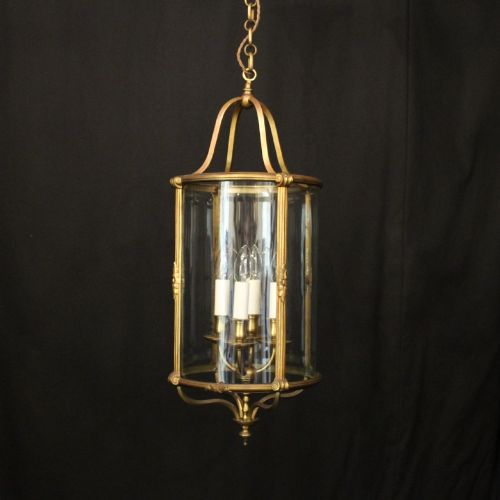
These antique bronze lantern lamps bring heavy metalwork and clear glass together, offering an atmospheric illumination for halls, ceilings, and tables.
Antique Bronze Lantern Lamps
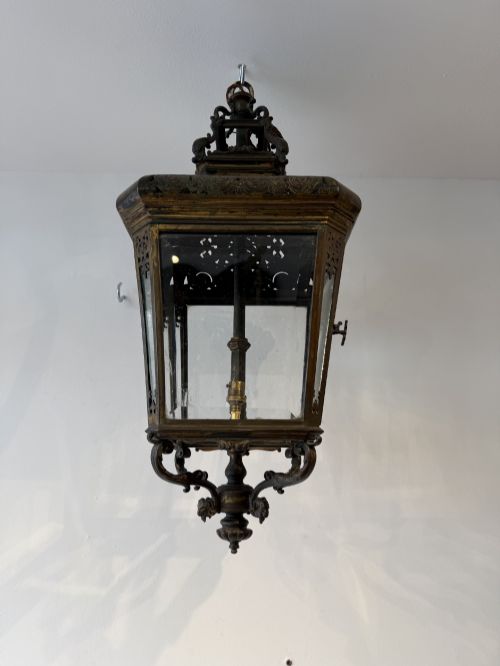
When searching for antique bronze lantern lamps, you encounter a varied selection of hanging hall lanterns, ceiling lights, and table lamps originating from the Victorian, Edwardian, and early twentieth-century periods. These fixtures utilise robust metal frames designed to house candles or electric bulbs within protective glass panels.
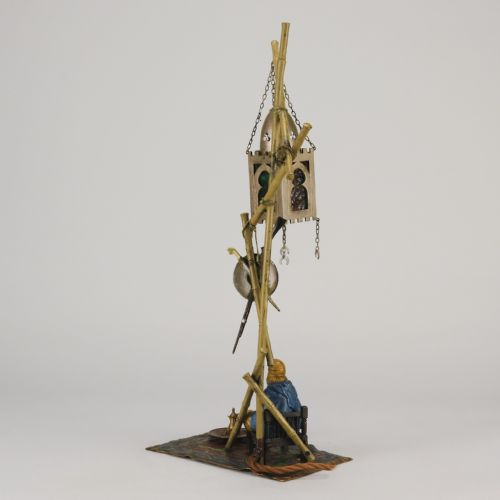
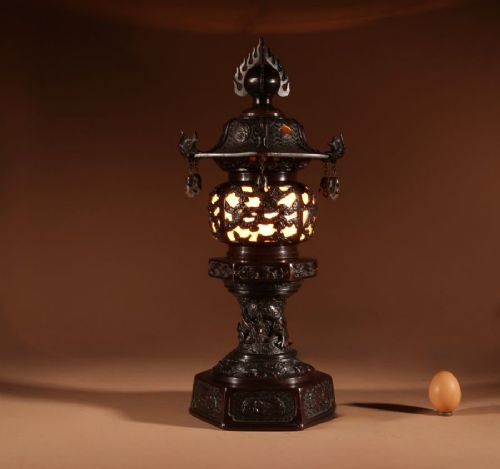
The assortment on this page leans heavily towards French and English examples, alongside specific Orientalist and Meiji period works. You find grand multi-light pendants alongside single-bulb wall lights and heavy table lamps.
Makers and designers of note appear across the inventory, ranging from large firms to individual artists. These lighting pieces served practical purposes in grand entrances and drawing rooms alike, surviving through decades of domestic use.
How they were made
The construction relies primarily on cast and chased bronze, often gilded or cold-painted, combined with various forms of glass. Workshops utilised bronze and brass for structural frames, housing leaded, opaline, frosted, or cut glass panes to diffuse the internal light.
Surface treatments range from delicate cold-painting on figural bases to heavy mercury gilding on neoclassical frames. Glass components are either blown, moulded, or cut specifically to fit the geometric contours of each metal housing.
The listings span from the late nineteenth century through the Art Deco era, featuring French Neoclassical, Gothic, and Orientalist design influences.
What varies in quality
Quality reveals itself in the crispness of the bronze casting and the depth of the chasing work across the frame. Finer examples display sharp, hand-finished botanical or architectural ornament rather than soft, mass-produced surface details.
The integration of the glass panels dictates the structural integrity and visual balance of the piece. Superior lanterns feature thick, bevelled, or cut glass that sits securely within rebated metal channels without excessive movement.
Franz Bergman·F & C Osler·Perry & Co
The Antique Bronze Lantern Lamps Glossary
- Bronze
- An alloy of copper and tin widely used for casting durable decorative frames and light fittings. It takes patination and gilding exceptionally well.
- Gilt bronze
- Bronze that has been coated with a thin layer of gold using fire gilding or electroplating techniques. This finish provides a bright, lasting metallic lustre.
- Opaline glass
- A pale, translucent milk glass often used in Victorian lighting to soften glare and diffuse light evenly. It adds a milky, opalescent quality to the glow.
- Cold-painted bronze
- A method where bronze sculptures are painted with oil or enamel paints without subsequent firing. This technique produces rich, multi-coloured surfaces as seen on Orientalist figural lamps.
- Hall lantern
- An enclosed ceiling-hung light fixture designed specifically for narrow entrance spaces and corridors. They protect the flame or bulb from drafts while casting downward illumination.
Antique Bronze Lantern Lamps: Frequently Asked Questions
Where should I hang a hall lantern?
These lanterns suit high-ceilinged entrance halls, landings, and vestibules where their drop can be appreciated from multiple angles. Ensure adequate clearance below the lowest point of the frame for foot traffic.
Because many were originally designed for gas or candles, check the drop length and electrical wiring requirements with a qualified professional before final installation in your space.
Are these lamps converted for electricity?
Most surviving pieces have been adapted for modern electrical wiring over their long lifespan. You should inspect the internal lamp holders and flex to ensure they meet current safety standards.
Rewiring is straightforward for a specialist, allowing you to retain the antique housing while operating safely on standard mains voltage.
How do I date an antique lantern?
Stylistic clues such as Art Nouveau whiplash curves, Victorian Gothic tracery, or Edwardian restraint point directly to the period of manufacture. The weight of the metal and the manufacturing marks of firms like Perry and Co also help narrow down the decade.
Examine the construction methods of the joins and the type of glass used, as machine-extruded components generally indicate a later date than hand-cast frames.