
Antique Bronze Fittings
These antique bronze fittings bring warmth and distinct historical character to a room through centuries-old metalwork and lighting forms.
Antique Bronze Fittings
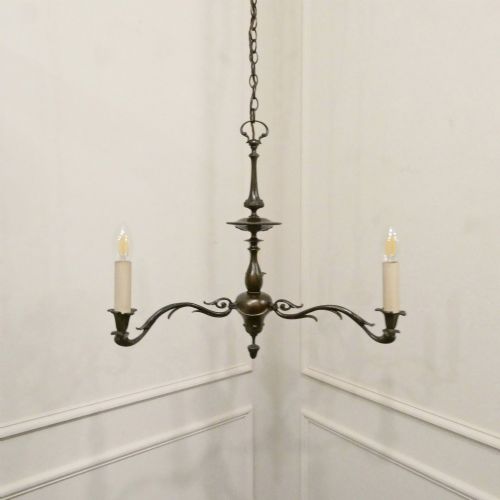
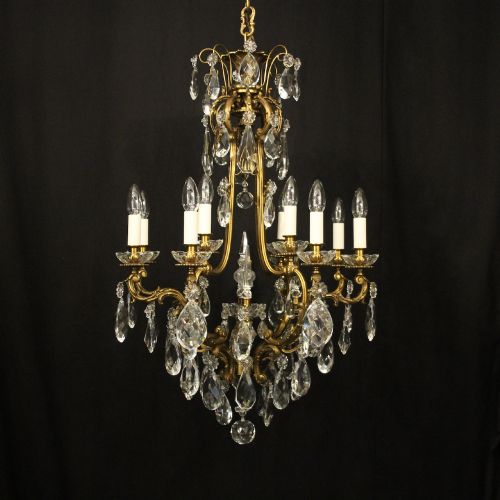
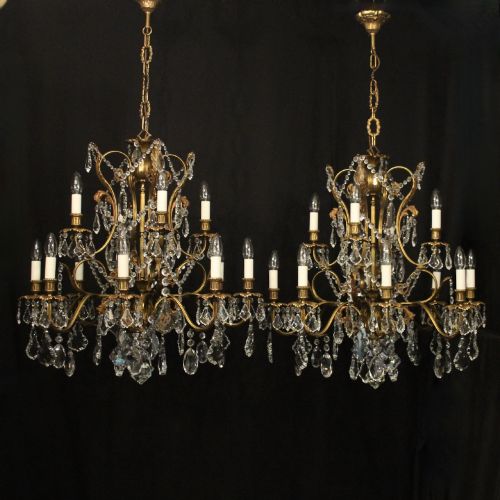
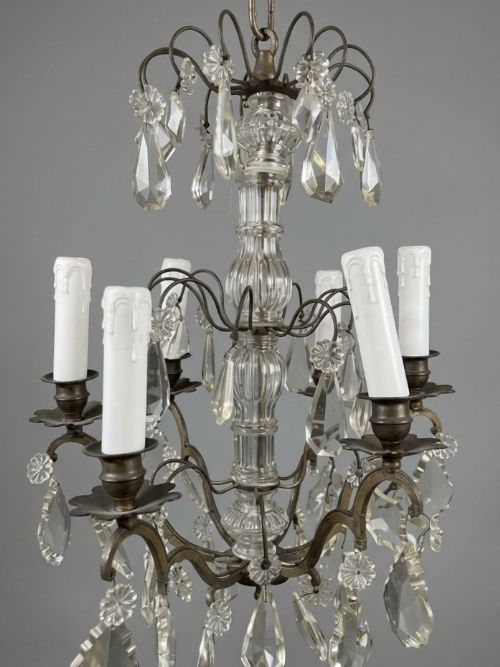
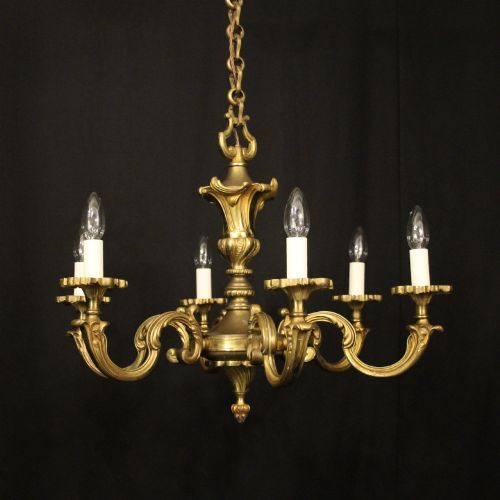
Antique bronze fittings comprise an array of lighting fixtures and architectural hardware found during a search for antique bronze fittings. The selection centres primarily on chandeliers, wall lights, and ceiling lights, alongside occasional furniture mounts and door knockers.
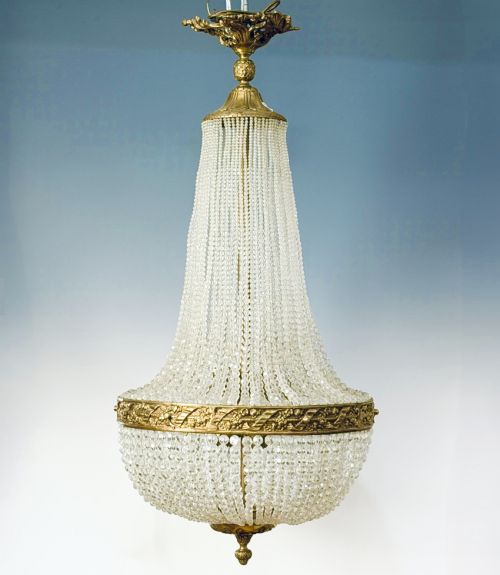
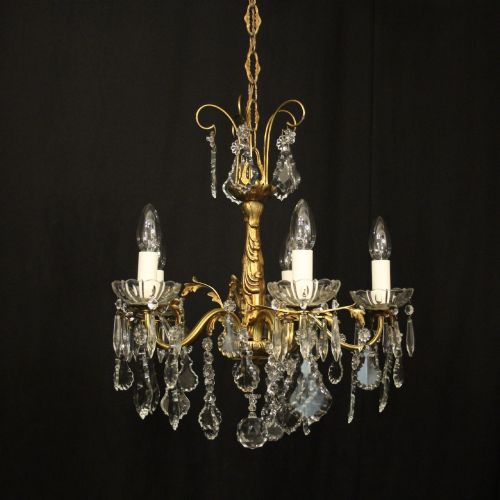
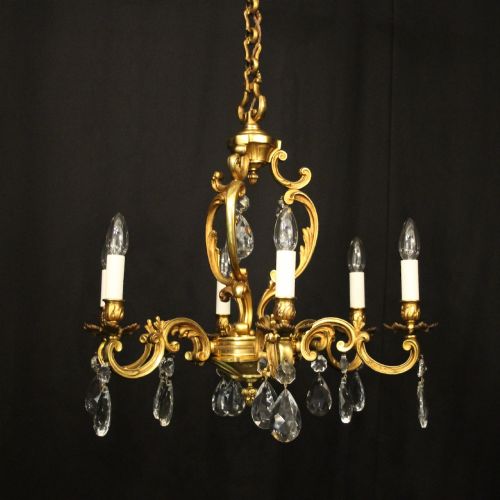
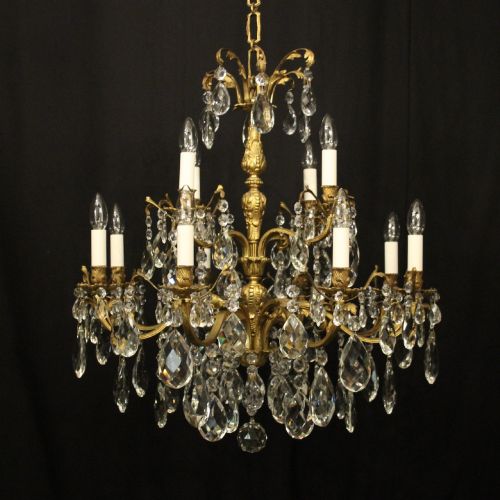
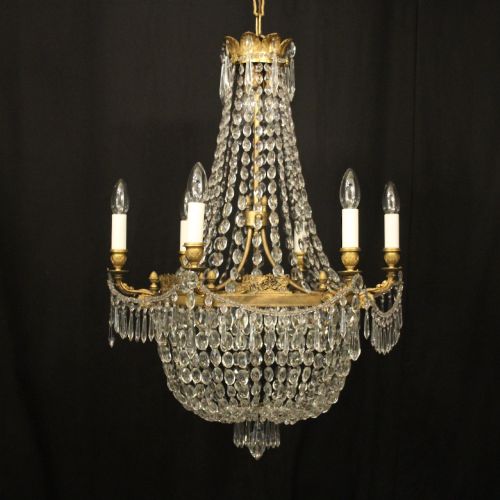
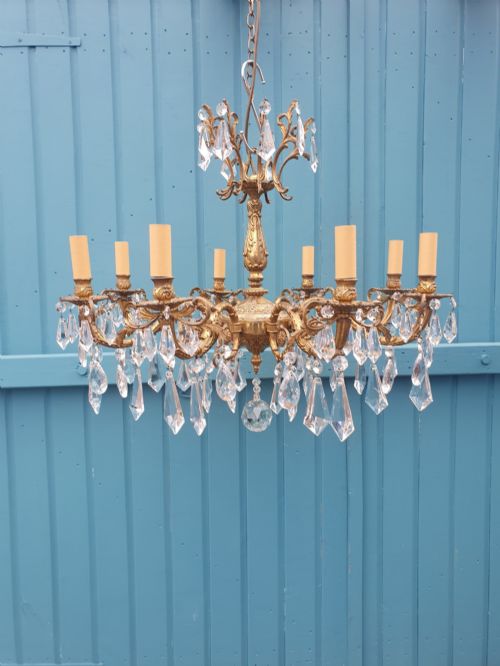
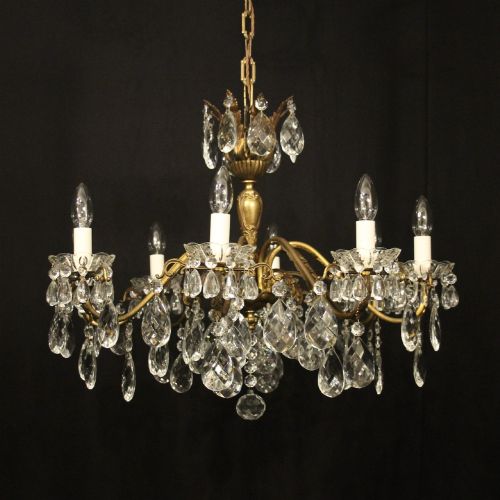
Most examples originate from French workshops, executed in styles such as Empire, Rococo, and Louis Revival, spanning the nineteenth and early twentieth centuries. Chandeliers dominate the selection, ranging from simple multi-light configurations to large tent and waterfall designs.
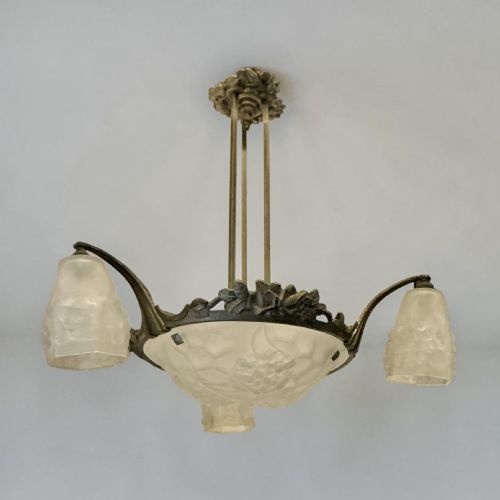
Alongside standard ceiling fixtures, buyers encounter specialised items including hall lanterns, table lamps, and pairs of wall sconces. These objects reflect diverse periods from Victorian production up through the Art Deco era.
How they were made
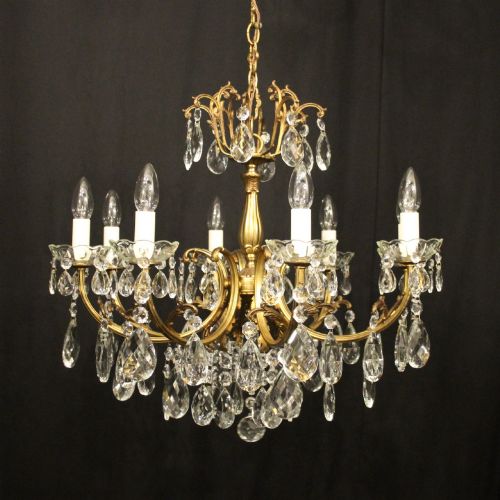
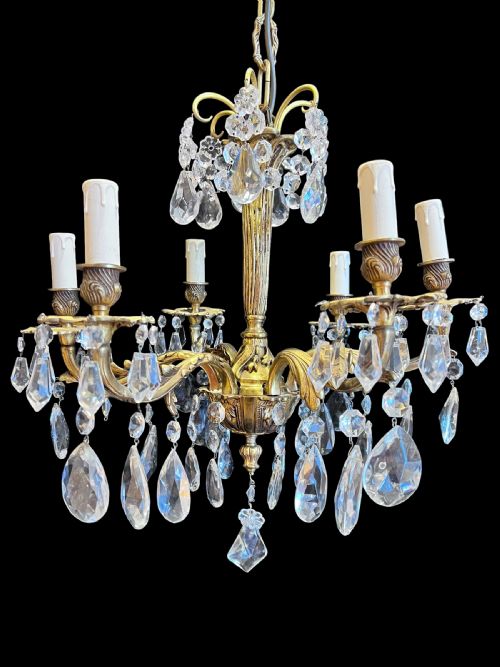
Makers utilised cast bronze, brass, and gilt metals as foundational structures, often incorporating applied layers of gold leaf or silver gilding. Metal components combined with cut glass and crystal drops to refract light across multi-branched armatures.
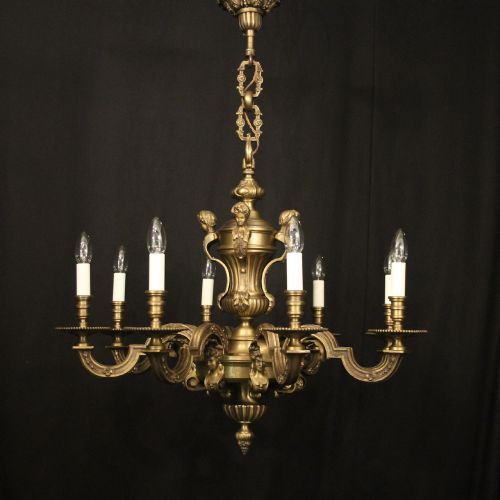
Intricate decorative details emerged through casting and chasing techniques, producing high-relief ornamentation characteristic of French Neoclassical, Baroque, and Rococo styles. Secondary materials such as alabaster and spelter also appear within specific twentieth-century lighting pieces.
Periods represented span from the nineteenth century through the 1930s, including Victorian and Art Deco eras.
What varies in quality
Quality rests heavily on the crispness of the metal casting and the depth of the chased surface details. Superior examples exhibit sharply rendered foliage, figures, and architectural motifs rather than soft or smoothed edges.
The integrity of the construction and the quality of the associated crystal or cut glass drops distinguish finer pieces. Original gilding and metal patination further separate high-end items from later, more commercial productions.
G.E.C
The Antique Bronze Fittings Glossary
- Ormolu
- Gilded bronze, where a layer of finely ground gold amalgam is applied to a bronze base and heated. This technique creates a durable, luminous surface finish common in French decorative arts.
- Chandelier
- A branched suspended lighting fixture designed to hold multiple bulbs or candles. Historical versions often incorporate glass prisms and crystal spikes.
- Furniture Mount
- Decorative cast metal hardware fixed to cabinetry or case pieces. These mounts frequently follow classical styles such as Louis XVI or Empire.
- Tent and Waterfall
- A lighting configuration where strings of glass beads form an upper tent shape above a cascading cluster of crystal drops. It produces a distinctive prismatic illumination.
- Hall Lantern
- An enclosed hanging light fixture designed for entryways and corridors. They often feature glazed panels held within an ornate metal frame.
Antique Bronze Fittings: Frequently Asked Questions
How are antique chandeliers cleaned?
Dust metal components gently with a dry microfiber cloth, avoiding harsh chemical cleaners that might strip historical gilding or patination.
Crystal and glass drops can be removed, washed in warm soapy water, dried completely, and reattached to the armature.
What periods do these fittings represent?
The available selection spans from the early nineteenth century through the Victorian era and into the early twentieth century.
Twentieth-century examples frequently adopt earlier historic revival styles, such as French Empire and Louis XV, alongside Art Deco designs.
Where were most fittings made?
France is the origin for the majority of these lighting fixtures and decorative mounts, particularly from Parisian workshops.
English makers also contribute a selection of bronze wall lights and chandeliers from the Victorian and Edwardian periods.
What styles are most common?
French Empire and various Louis styles dominate the aesthetic offerings, featuring classical motifs, urns, and foliate scrolls.
Art Deco and Neoclassical designs also appear regularly among the twentieth-century lighting fixtures.