




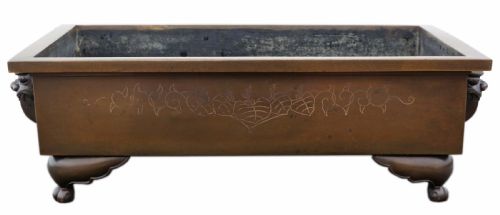


Antique Bronze Container
An antique bronze container brings weight and permanence to a room, holding everything from desk trinkets to heavy hearth fuel.
Antique Bronze Container
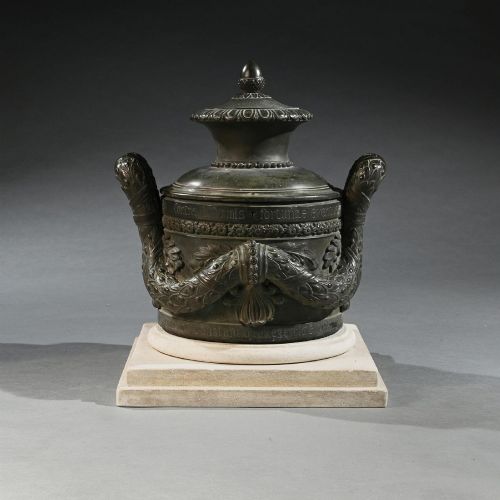
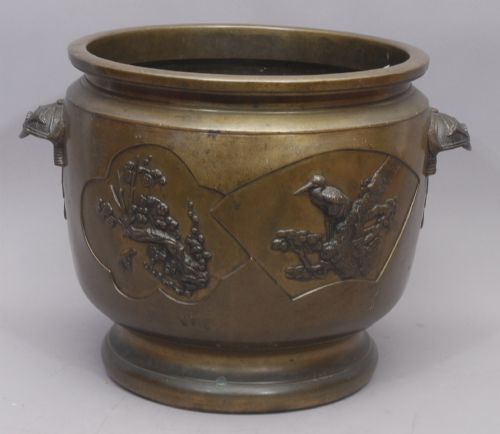
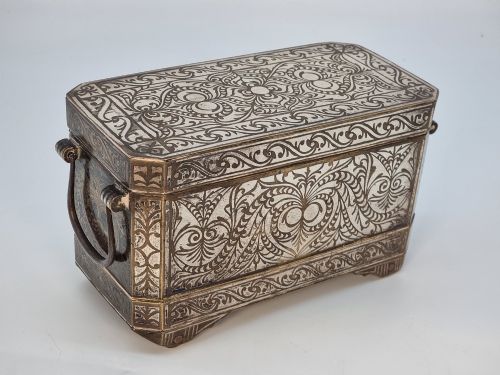
When you search for an antique bronze container, you find a remarkably diverse group of functional vessels spanning domestic storage and display. The selection here ranges from small personal snuff boxes and spectacle cases to substantial jardinieres, coal bins, and ceremonial pots.
Origin and period vary widely across these pieces, taking in Victorian and Edwardian European works alongside Japanese Meiji and Edo periods, Late Qing Chinese pieces, and African Benin pots. Forms shift constantly between utilitarian coal storage and intricate decorative boxes suited for a desk or side table.
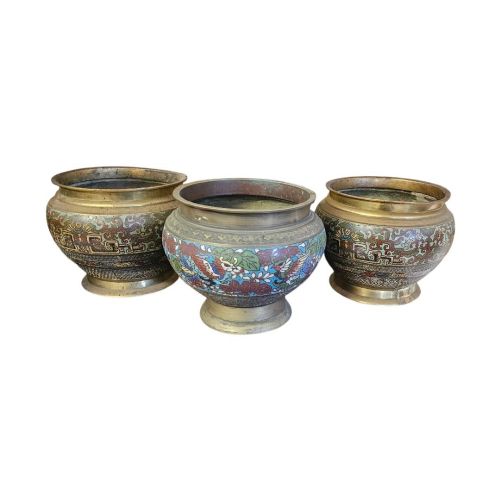
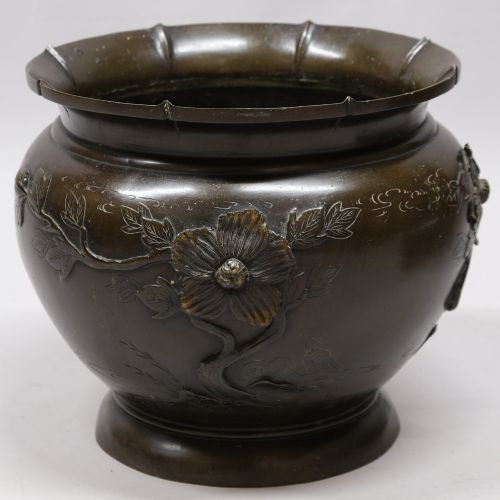
The materials often extend beyond pure bronze to include brass, iron, glass, and silver inlays alongside champleve and cloisonne enamel. Buyers encounter both refined Japanese mixed-metal work and heavy industrial Arts and Crafts pieces within the same group.
How they were made
Makers utilised casting techniques to form the primary body of each vessel, whether producing a heavy industrial coal box or a ceremonial pot. Metalworking traditions across different regions then applied surface decoration through chasing, engraving, and applied mounts.
Enamelling techniques such as champleve and cloisonne frequently decorate the surface, fusing coloured glass pastes into metal partitions or recessed channels. Mixed-metal inlay work also appears, incorporating contrasting metals like silver and gold into the bronze ground.
Antique Bronze Container Retail Price Guide 2026
Typical asking prices for bronze container among the pieces listed under this phrase on Sellingantiques today, from the lower quarter to the upper quarter. They describe what is for sale here now, not the wider market.
Materials extend beyond bronze to include brass, iron, glass, silver, and vibrant champleve and cloisonne enamels.
What varies in quality
Quality rests principally in the crispness of the cast and the precision of any surface detail or inlay work. Vessels featuring hand-worked mixed metals or intricate enamel demonstrate greater technical skill than plain utility bins.
The thickness and stability of the metal body also define a better piece, particularly in larger forms intended to hold heavy materials like coal or earth. A well-balanced weight and clean joins indicate superior construction.
W.M.F.
The Antique Bronze Container Glossary
- Champleve enamel
- A technique where troughs or cells are carved into the metal surface and filled with enamel before firing. The surrounding metal forms visible lines between the colours.
- Cloisonne enamel
- A method using thin metal wires soldered to the base to create compartments for enamel paste. This produces intricate patterns across the vessel body.
- Mixed-metal
- The combination of different metals, such as bronze, silver, and gold, within a single decorative surface. Japanese artisans frequently employed this method for fine detail.
- Suiban
- A shallow Japanese basin traditionally used for water display or flower arrangement. These containers form part of the broader category of bronze planters.
Antique Bronze Container: Frequently Asked Questions
What were antique bronze containers used for?
These vessels served a multitude of practical and decorative purposes across different households and cultures. Smaller examples held snuff, spectacles, tobacco, or jewellery, while larger forms acted as planters, jardiniere bowls, or hearth containers for coal and logs.
Domestic utility dictated the scale of the object, leading to sturdy iron and bronze bins for fuel alongside delicate lidded pedestal bowls for display.
How do I tell Japanese bronze pieces apart?
Japanese pieces frequently signal their origin through specific stylistic periods like the Meiji or Edo eras, alongside distinct decorative methods. Look for mixed-metal inlay work, refined flora and fauna motifs, or specific vessel types like suiban.
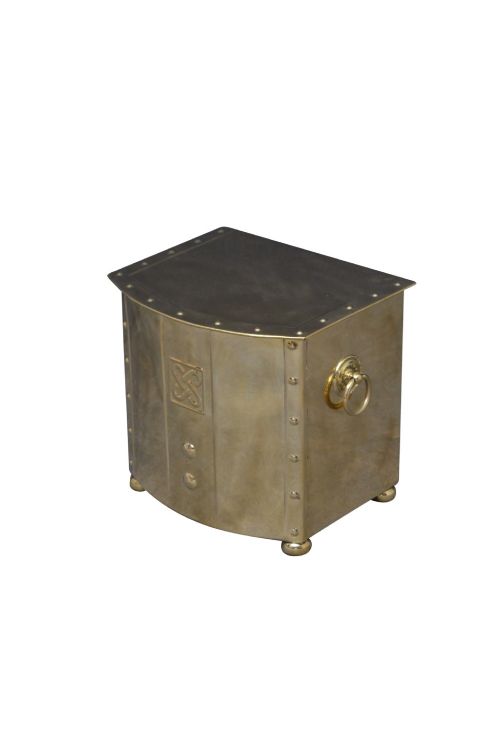
European counterparts from the Victorian period tend to adopt different aesthetic movements, such as Art Nouveau curves or heavy industrial Arts and Crafts designs.
Are these containers made entirely of bronze?
While bronze forms the primary designation, these pieces often incorporate a variety of supplementary materials. Listings show combinations of brass, iron, glass, and silver, alongside enamel decorative elements.
Surface treatments also vary, with some items featuring gilt bronze or mixed-metal applications rather than plain patinated metal.
How should I clean an antique bronze container?
Bronze develops a natural patina over decades of handling and exposure, which forms part of its historic character. Harsh chemical cleaners or abrasive polishes should be avoided because they strip away this desirable aged surface.
Gentle dusting with a soft, dry cloth is generally sufficient to maintain the metal without altering its finish or damaging enamel and inlay details.