
Antique British Silver Tableware
Antique british silver tableware comprises functional dining accessories forged in sterling silver across Victorian, Edwardian and twentieth-century periods.
Antique British Silver Tableware
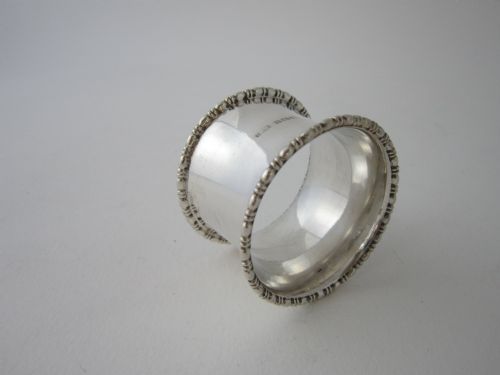
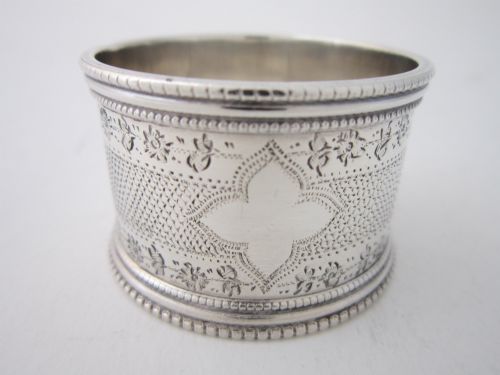
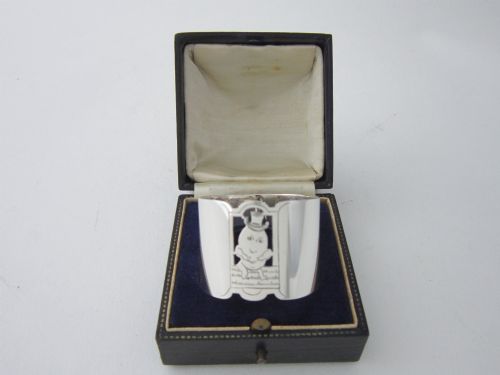
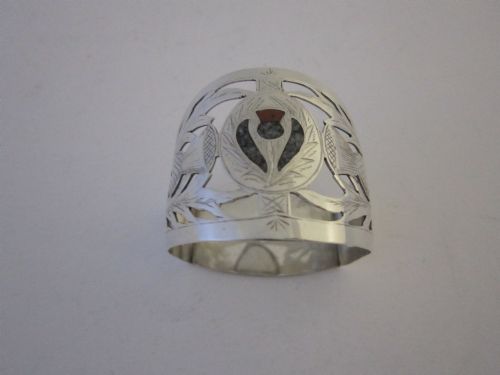
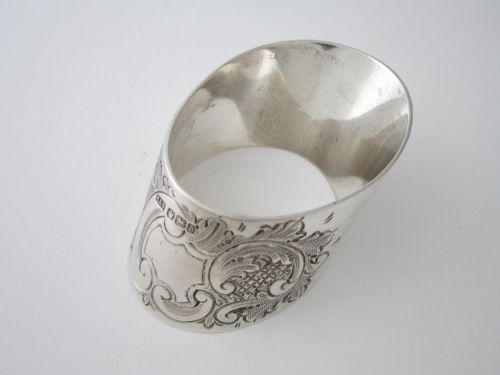
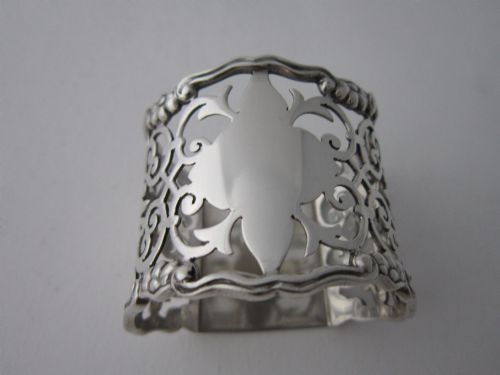
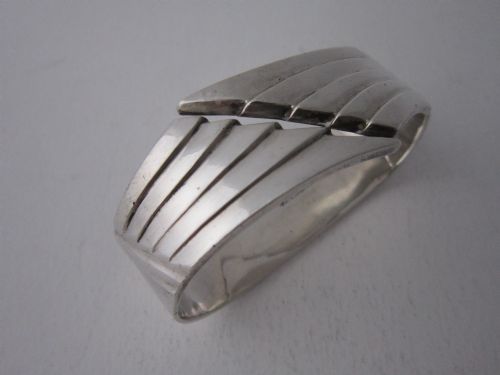
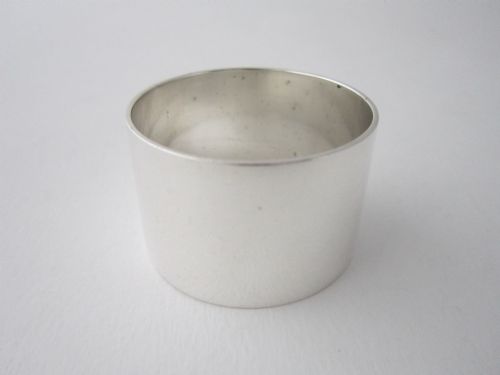
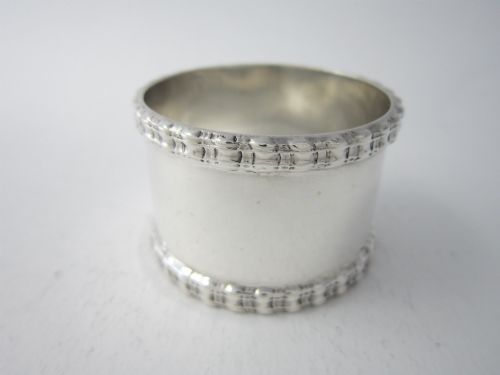
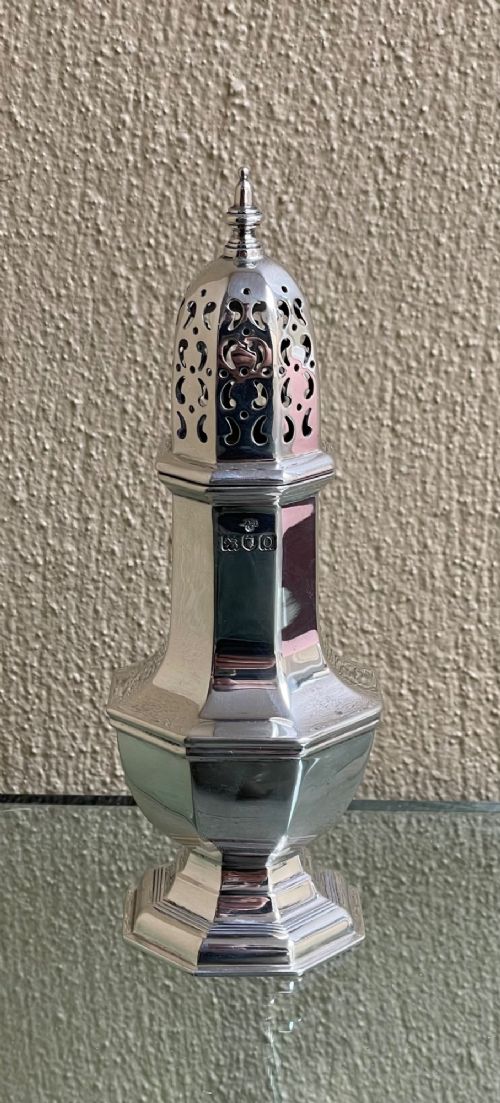
When you search for antique british silver tableware, you encounter a focused selection of functional dining items spanning the nineteenth and twentieth centuries. The assortment on this page leans heavily toward practical table accessories such as napkin rings, mustard pots, serving spoons and sugar casters.
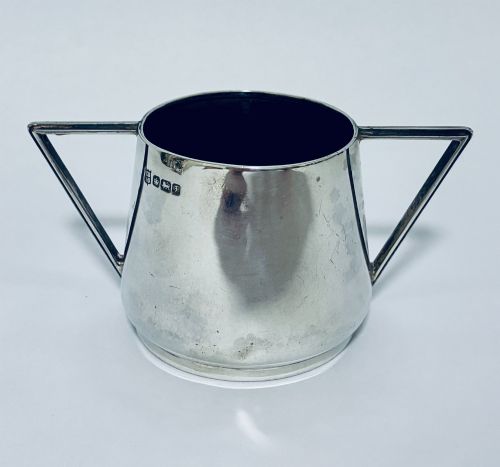
These items represent various stylistic movements including Victorian, Edwardian, George V, Art Deco and Mid-Century Modern designs. Pieces range from simple domestic silver to fitted items incorporating blue glass liners and agate elements.
Materials and construction methods
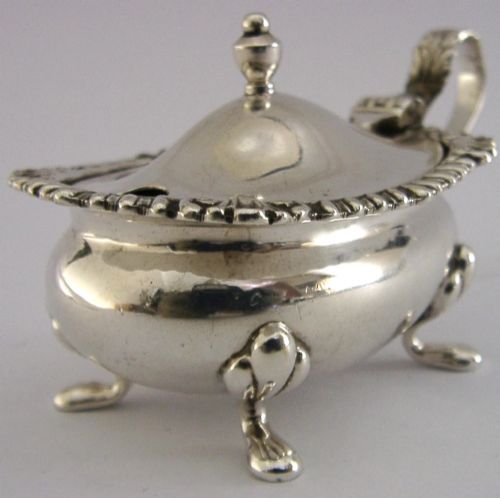
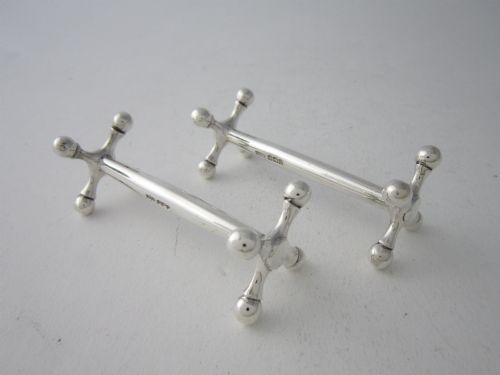
The primary material across these listings is sterling silver, frequently paired with secondary components like blue glass liners, silk, leatherette, velvet, gilt and agate. Items are shaped into functional forms such as toast racks, cream jugs, porringers and knife rests.
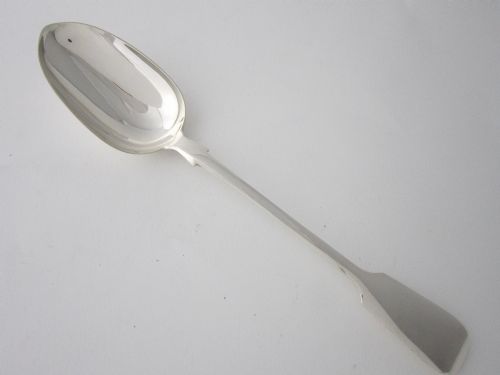
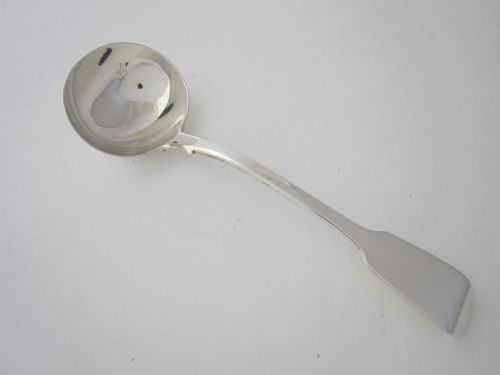
Makers utilise traditional silversmithing techniques to produce everything from heavy cast napkin rings to delicate pierced sugar shakers and fiddle pattern serving spoons.
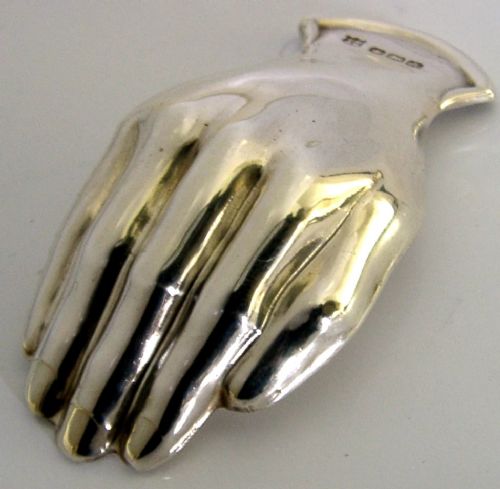
Tea caddy spoons shaped like human hands bring a touch of Victorian whimsy directly to the afternoon tea tray.
Distinguishing finer examples
Quality in these dining accessories rests on the weight of the silver and the crispness of the original chasing, piercing or engraving. Heavier gauges and robust construction separate substantial daily utensils from lighter ornamental pieces.
The integration of fitted components, such as intact coloured glass liners or contrasting mineral elements like agate, elevates the overall execution of condiment sets and napkin rings.
R. E. Stone·Robert Pringle & Sons·Viners·John Mackfarlan
The Antique British Silver Tableware Glossary
- Sterling silver
- A silver alloy containing 92.5 percent pure silver by mass and 7.5 percent other metals, usually copper, ensuring durability for tableware.
- Porringer
- A small, shallow, one-handled bowl used historically for porridge, broth or liquids.
- Caster
- A small perforated vessel used for sprinkling sugar or fine spices over food.
- Toast rack
- A small metal frame with multiple vertical dividers designed to hold slices of toast upright.
- Fiddle pattern
- A traditional nineteenth-century flatware handle design featuring a distinctive broadened shoulder near the terminal.
Antique British Silver Tableware: Frequently Asked Questions
How do I clean antique silver tableware?
Use a dedicated silver cloth or a mild, non-abrasive silver polish formulated specifically for sterling items. Avoid harsh chemical dips that can strip away the natural patination built up over decades.
Wash pieces in warm soapy water immediately after use, especially mustard pots or cream jugs, to prevent acidic residues from pitting the metal surface.
Can I still use these items daily?
Many pieces, such as napkin rings, butter knives and toast racks, remain entirely functional for modern dining tables. Solid sterling construction stands up well to careful, regular use.
Delicate items featuring delicate piercing or silk linings require more attentive handling and hand washing rather than machine cleaning.
What is a silver condiment set?
A matched grouping of small vessels designed to hold table seasonings, typically including mustard pots, salt cellars and pepper shakers. These often arrive complete with fitted blue glass liners.
Such sets became prominent during the George V and Art Deco periods, frequently housed in fitted presentation boxes.
How do I date these silver items?
British silver bears hallmark stamps that indicate the assay office, the standard mark, and a specific date letter corresponding to the year of manufacture. Examining these tiny stamped symbols reveals the exact period.
Stylistic cues like Art Deco geometric shaping or Victorian fiddle patterns also help narrow down the era of production.