



Antique British Military Picture
An antique british military picture records service through painted portraits, watercolours and prints spanning Georgian campaigns to twentieth-century conflicts.
Antique British Military Picture
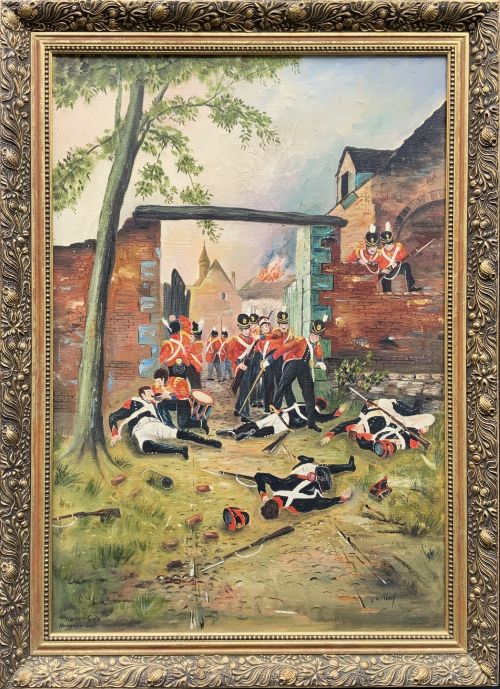
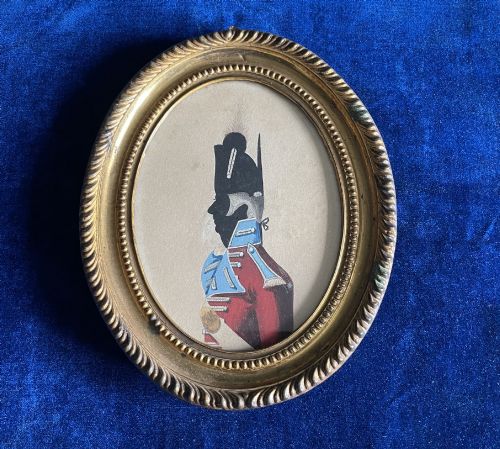
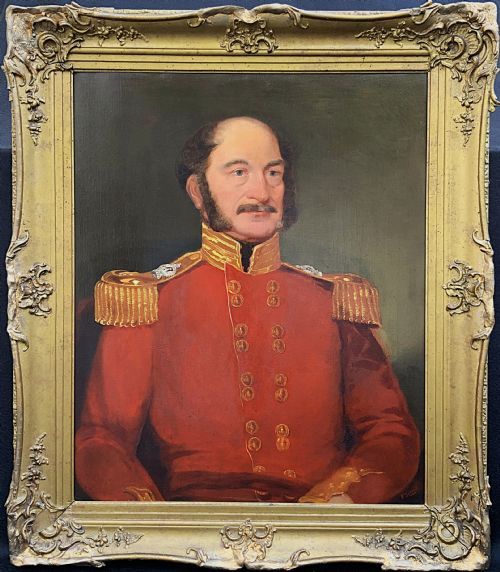
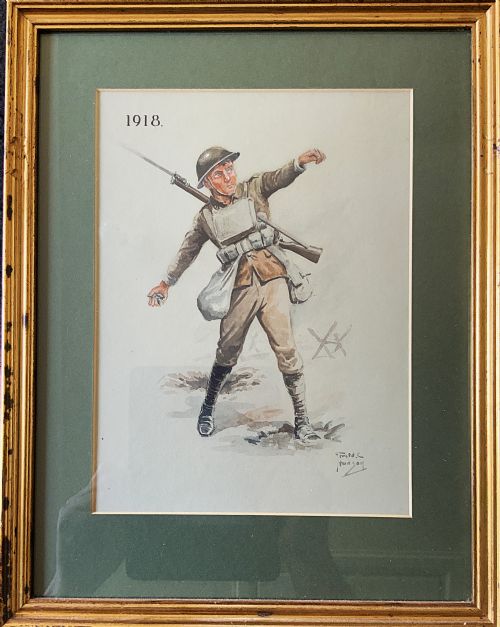
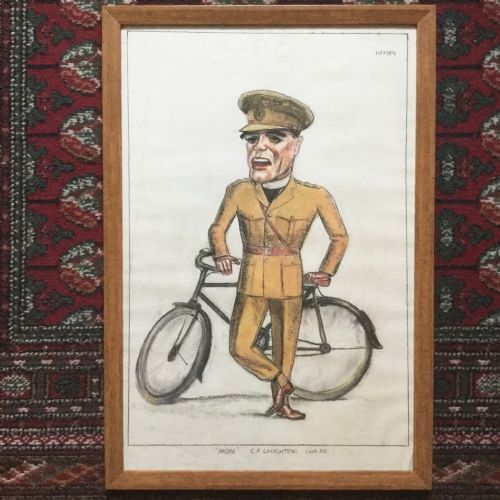
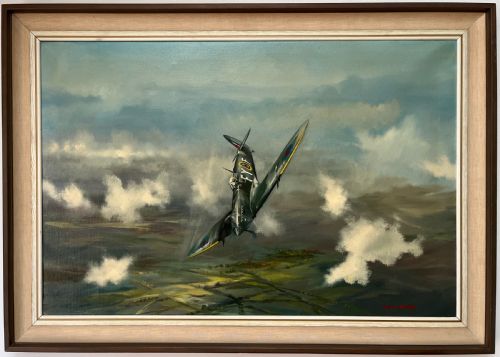
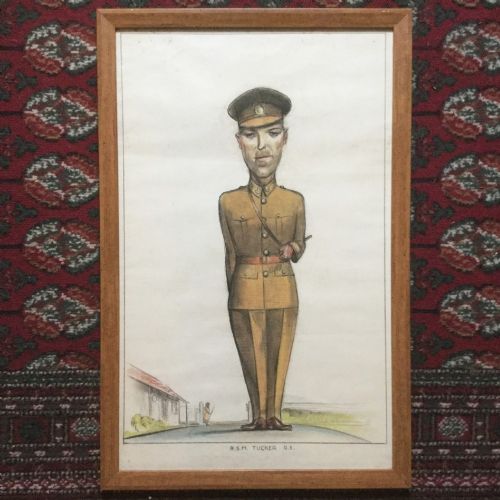
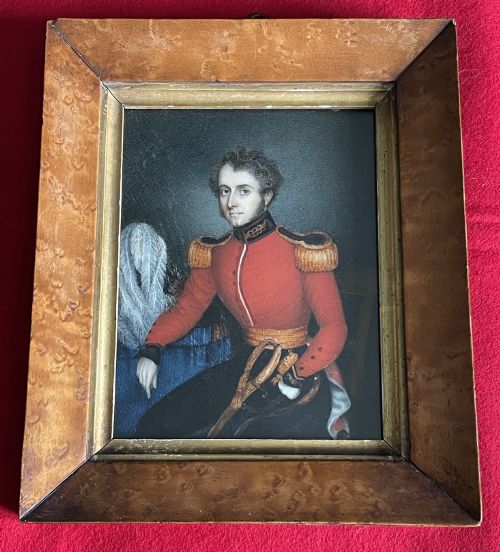
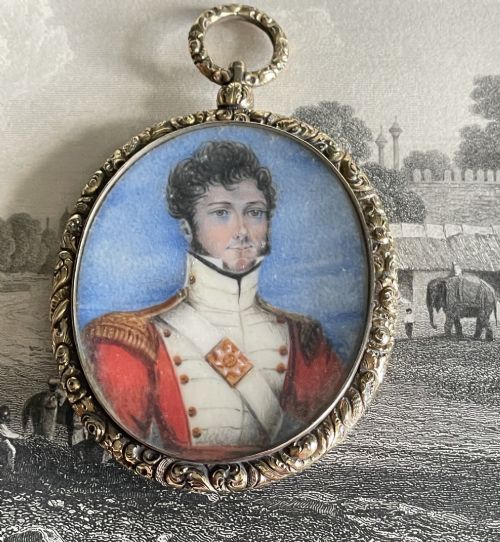
An antique british military picture encompasses framed artworks and prints depicting soldiers, officers, regiments, and military operations across multiple centuries. Buyers examine everything from intimate portrait miniatures of cavalry officers to large-scale oil paintings and delicate pastel sketches of army engineers.
The selections available here draw heavily from the nineteenth century and Victorian periods, alongside Edwardian works and wartime illustrative pieces from the mid-twentieth century. Formats range from standard wall art and oil paintings to embroidered commemorative silks and original lithographs.
Subjects frequently identify specific historical figures, such as Lieutenant-General Vernon or Air Vice Marshall Donald Clifford Tyndall Bennett, alongside anonymous infantrymen and members of the Royal Engineers. These works document the visual history of British forces through distinct artistic mediums.
Materials and techniques
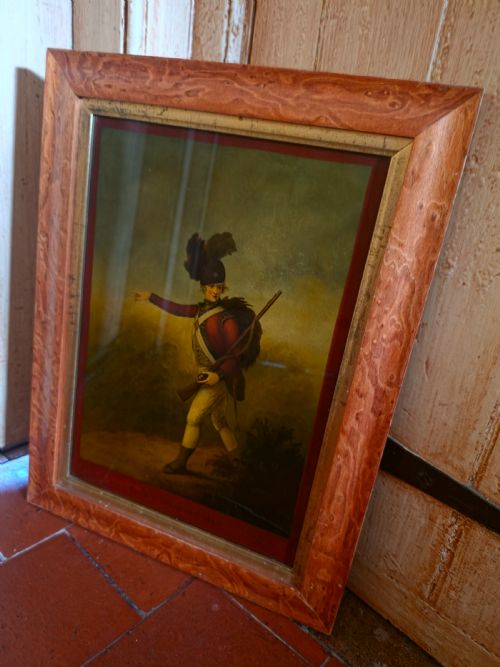
Makers utilised traditional mediums including oil on canvas, watercolour, gouache, pastel, and wash to capture the uniforms and likenesses of service personnel. Paper and glass serve as standard supports for works like reverse glass pictures and portrait miniatures, often preserved within wood and giltwood frames.
Hand-worked textiles appear through needlework and embroidery, demonstrated by commemorative silk work and framed pieces dedicated to units such as the Royal Artillery and the Royal Field Artillery. Printmaking techniques including etching, lithography, and original printed cards also record military life and notable engagements.
Antique British Military Picture Retail Price Guide 2026
Typical asking prices for british military picture among the pieces listed under this phrase on Sellingantiques today, from the lower quarter to the upper quarter. They describe what is for sale here now, not the wider market.
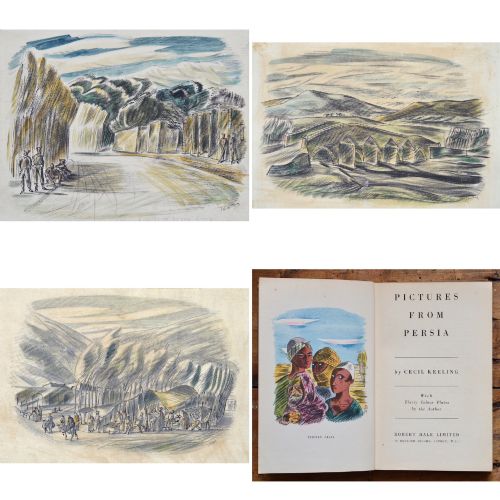
Some military men found time during wartime campaigns to sit patiently for delicate pastel sketches.
Factors of quality
The preservation of delicate materials like paper, pastel, silk embroidery, and reverse glass painting directly influences the desirability of a piece. Original framing in period wood or gilt wood enhances the integrity of the object.
Thomas Mackay·Snaffles·Sir Muirhead Bone·David Wilkie·Frank Thomas Copnall·Henry Wyatt
The Antique British Military Picture Glossary
- Gilt wood
- Carved wood treated with gold leaf or gold paint to create a decorative metallic finish. This material frequently frames nineteenth-century portraits and watercolours.
- Portrait miniature
- A small, highly detailed painting, often executed on ivory, vellum, or paper. These intimate works commonly depict individual officers from regiments such as the Dragoons.
- Lithograph
- A print produced from a flat stone or metal plate treated to retain ink only in desired areas. Artists like Sir Muirhead Bone utilised this method for war illustrations.
- Reverse glass painting
- An image applied directly to the back of a piece of glass and viewed from the front. This technique produces a glossy surface finish seen in specific infantry pictures.
- Gouache
- An opaque water-based paint that dries to a matte finish. It frequently combines with pastel in wartime officer sketch drawings.
Antique British Military Picture: Frequently Asked Questions
What periods do these military pictures cover?
The selections span from the eighteenth century and Georgian era through the Victorian period, Edwardian years, and into twentieth-century wartime illustrations.
Dating relies upon stylistic evidence, uniform details, and recorded artist timelines.
How were these artworks displayed historically?
Many pieces served as private portraits commissioned by families or regiments to honour individual service personnel.
Others functioned as commemorative wall art for military messes, public buildings, or domestic drawing rooms.
Are these works original or reproductions?
The inventory consists of original period works, including hand-painted watercolours, oils, pastels, needlework pieces, and authentic period prints.
Each item originates from the specific era indicated in its documentation.
What subjects appear most frequently in the portraits?
Subjects include named officers, generals, and aviators, alongside anonymous members of cavalry, infantry, and engineering units.
Depictions also record specific regiments and historical reviews of volunteers.