


Antique Brassware Decor
These antique brassware decor pieces bring heavy metal texture and historical utility into modern rooms.
Antique Brassware Decor
When you search for antique brassware decor, you encounter functional items and decorative objects produced primarily across the nineteenth and early twentieth centuries. The selection ranges from Victorian domestic gear to Edwardian hearth pieces and imported wares.
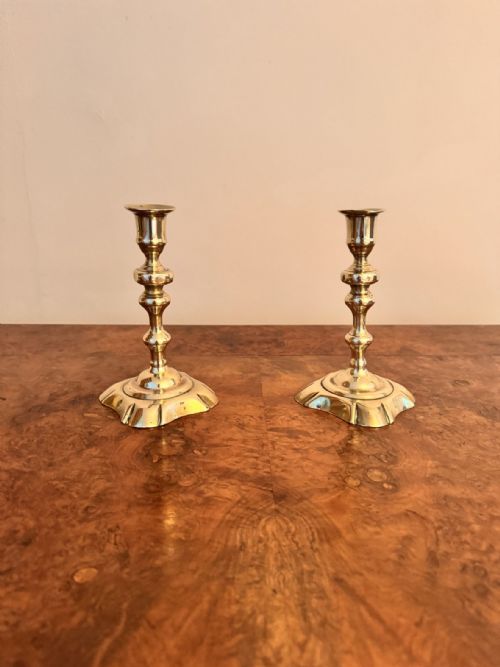
You are most likely to meet utilitarian items adapted for display, such as watering cans, chestnut roasters, coaching horns, and candle accessories. These survivors bridge the gap between hard daily use and ornamental interior placement.
How they were made
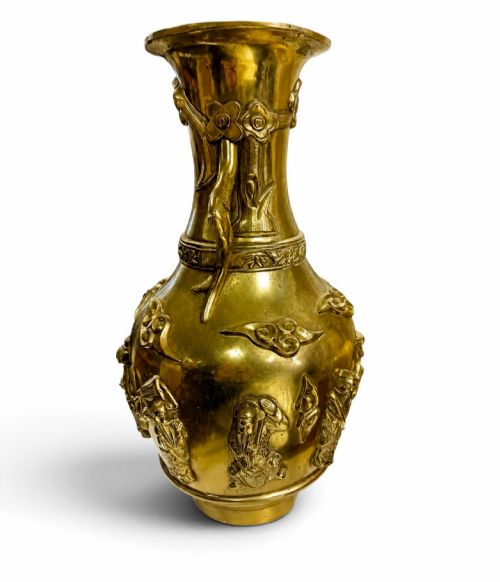
Makers utilised casting, sheet manipulation, and hammering to shape brass, copper, and copper-alloy into robust domestic objects. Fine casting appears in nutcrackers and high-relief vessels, capturing sharp detail in the metal.
Combination pieces integrate brass with copper or enamel highlights, reflecting the varied manufacturing methods of Victorian and Edwardian workshops. These methods prioritised structural endurance alongside decorative surface texture.
Some nineteenth-century designers decided that nuts deserved to be cracked by cast brass dogs.
What varies in quality
The standard of execution in casting and chasing separates standard domestic production from finer artistic output. Crisp definition in high-relief ornament and balanced proportions indicate superior workshop origin.
Material thickness and the integrity of joints or handles dictate the longevity and structural class of each piece. Surviving surface patination and honest wear also influence the visual depth of the metalwork.
The Antique Brassware Decor Glossary
- Baluster vase
- A vessel characterised by a rounded lower body that tapers towards a narrow neck, often associated with larger decorative forms.
- Copper-alloy
- A broad category of metal mixtures containing copper and other elements like zinc, commonly used for cast decorative items.
- High-relief
- A sculptural technique where figures or motifs project significantly from the background plane, adding strong visual depth.
- Patina
- The surface sheen and colour acquired by brass and copper through age, handling, and environmental exposure over decades.
Antique Brassware Decor: Frequently Asked Questions
How do I clean antique brass?
Gentle dusting and occasional dry wiping preserve the historic surface and accumulated patina on older metalwork. Avoid harsh chemical polishes that strip away the aged character.
Leaving the natural oxidation intact maintains the visual depth that collectors value in nineteenth-century decorative items.
Are these items safe to use?
Most utilitarian pieces like watering cans or chestnut roasters now function primarily as decorative objects within domestic interiors. Their structural integrity suits display rather than heavy daily service.
Careful placement protects both the surrounding furniture and the historic metal surfaces from unnecessary strain.
How do I date antique brassware?
Stylistic indicators, manufacturing techniques, and specific period markers help establish the approximate era of production. Victorian and Edwardian pieces often display distinct weight proportions and construction methods.
Comparing surface decoration against documented examples from the same decade clarifies the timeline.
What is copper-alloy?
Copper-alloy refers to metallic mixtures where copper forms the primary base combined with elements such as zinc or tin. This composition provided the durability needed for heavy casting.
Many antique decorative vessels and utilitarian items relied on these durable mixtures for strength.