



Antique Brass Warmer
These antique brass warmer pieces are domestic heating and cooking vessels designed to keep homes comfortable, ranging from foot stoves to bed warmers.
Antique Brass Warmer
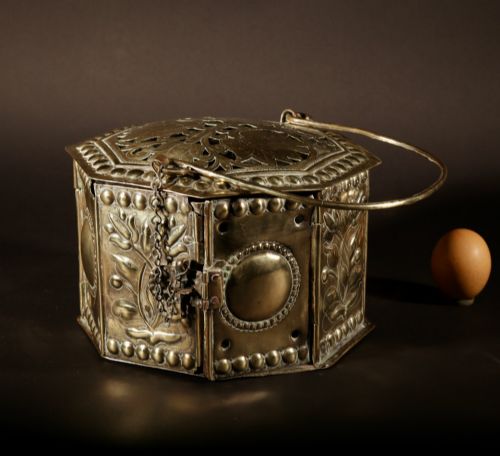
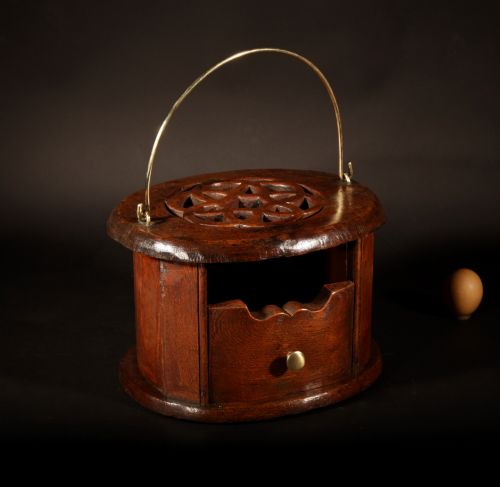
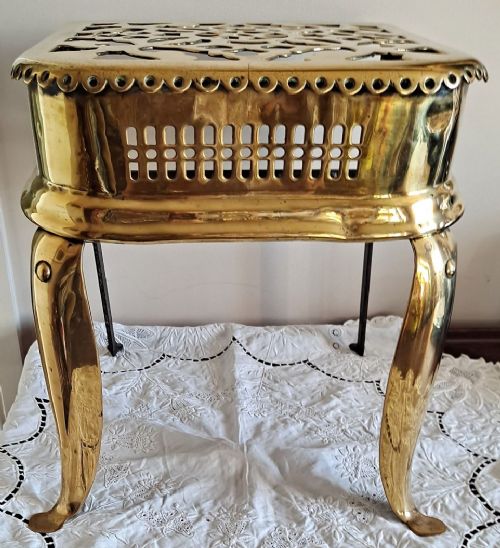
An antique brass warmer covers a variety of domestic hearth and personal heating devices spanning the eighteenth and nineteenth centuries. You will regularly encounter foot stoves enclosed in oak with brass liners, alongside traditional bed warming pans and hearth footmen.
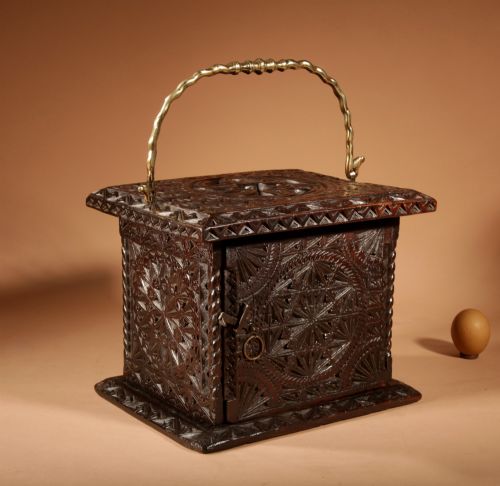
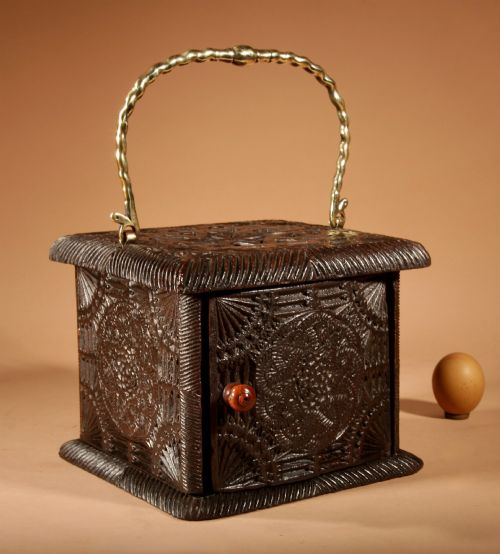
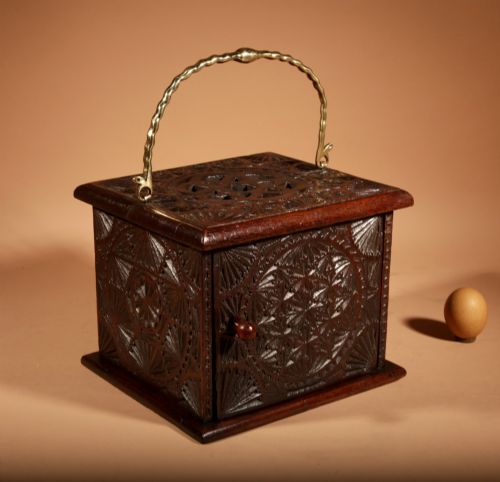
The domestic selection includes pieces from English, Dutch, and French origins. Dutch foot stoves often feature hand embossing and chip carving, while English examples emphasise sturdy brass and steel construction for the fireplace.
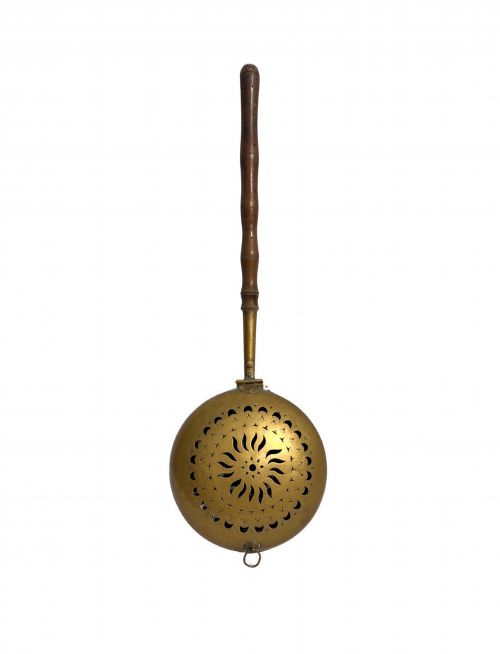
Forms extend from traditional bed warming pans with long wooden handles to heavy brass footmen and chestnut roasters. These utilitarian items served vital daily functions in period homes before modern central heating changed domestic life.
How they were made
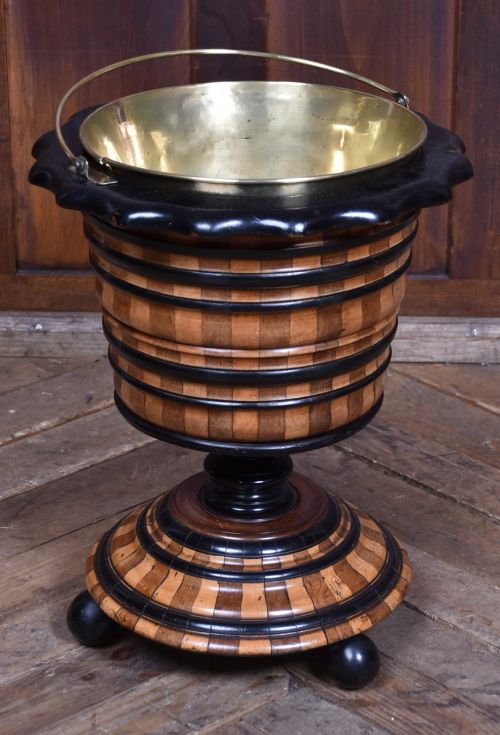
Makers combined sheet brass, copper, and iron with woods such as oak and ebonised timber. Metal components were beaten, hand embossed, and joined with steel fittings to withstand high hearth temperatures.
Wooden elements on foot stoves and warming pans display period joinery and chip carving techniques. Pierced brass lids on foot stoves allowed heat to circulate safely while containing hot coals or embers.
Antique Brass Warmer Retail Price Guide 2026
Typical asking prices for brass warmer among the pieces listed under this phrase on Sellingantiques today, from the lower quarter to the upper quarter. They describe what is for sale here now, not the wider market.
Listings feature materials including brass, iron, oak, wood, steel, copper, wrought iron, and ebonised wood across multiple centuries.
What varies in quality
Quality rests in the crispness of the hand embossing on brass panels and the intricacy of chip carving on the wooden frames. Better examples retain their original internal brass liners and intact wooden handles without excessive replacement parts.
The weight and gauge of the metal separate utilitarian workshop pieces from finer decorative items. Superior specimens show careful hand finishing on both the brasswork and the accompanying iron or steel supports.
The Antique Brass Warmer Glossary
- Foot stove
- A small wooden box with a pierced brass lid and internal metal liner designed to hold hot embers for warming the feet. These were commonly used in cold pews or unheated rooms.
- Footman
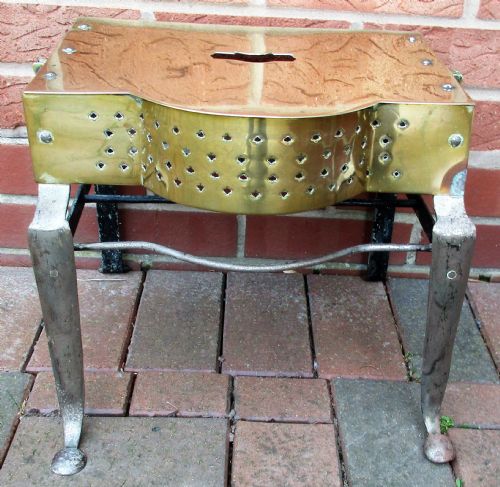
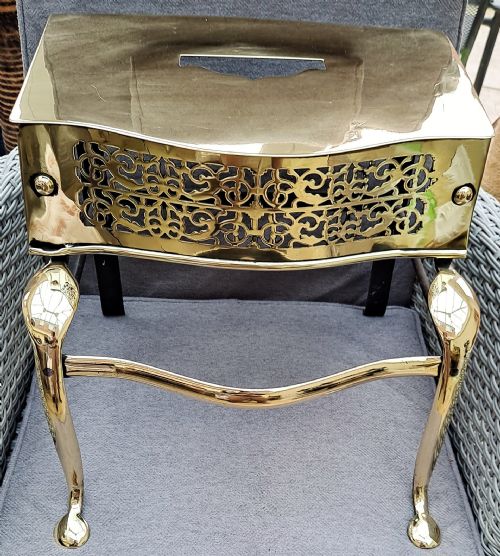
- A metal stand placed in front of the hearth to keep plates or food warm. They are typically constructed from brass and steel with sturdy legs.
- Warming pan
- A long-handled metal pan with a hinged lid filled with hot coals, swept between bed sheets to warm the mattress. Long wooden handles provided leverage and safety during use.
- Chestnut roaster
- A small long-handled metal pan used for roasting chestnuts over open coals. These portable vessels often feature hinged pierced lids.
- Chip carving
- A woodworking technique where chips are removed from a single piece of wood to create geometric patterns. It appears frequently on the wooden housings of Dutch foot stoves.
Antique Brass Warmer: Frequently Asked Questions
How did a foot stove work?
A foot stove utilised hot embers or charcoal placed inside an internal metal liner. The heat then radiated upward through pierced brass or wooden top panels to warm a person sitting nearby.
Users placed their feet directly on top of the perforated cover. The surrounding wooden frame insulated the user from direct contact with the hottest metal parts.
What is a brass footman used for?
A footman served as a movable hearth accessory for keeping food and plates warm near the fire. It sat directly in front of the grate on its own legs.
These heavy metal stands could support heavy pots or dinner plates. They formed an essential part of Georgian and Victorian kitchen and parlour equipment.
How do you date an antique warmer?
Dating relies on examining the manufacturing techniques, materials, and stylistic motifs present on the metal and wood. Hand-beaten brass and specific carved patterns often point to eighteenth-century origins.
Later Victorian and Edwardian examples tend to feature machine-rolled brass and standardised iron components. Comparing the construction methods to known period pieces helps narrow down the decade.
Are these warmers safe to use today?
Most antique warmers function best as decorative objects rather than active household heaters. The thin metals and aged wooden joints can degrade over centuries of use.
Displaying them near the hearth preserves their historical fabric. Collectors generally appreciate them as historic examples of early domestic metalwork.