


Antique Brass Vessel Pair
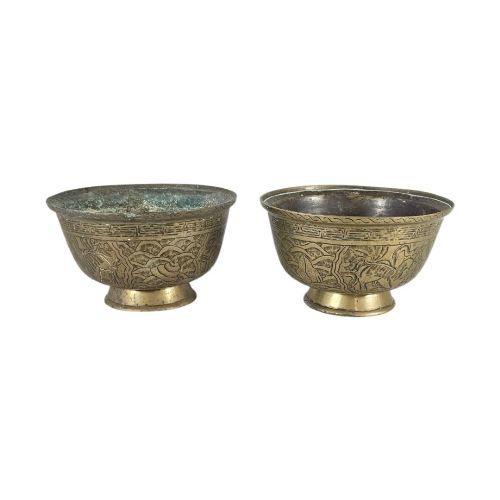
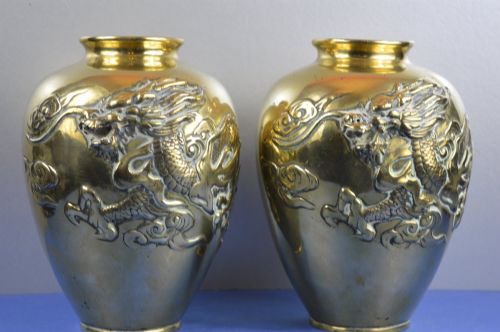
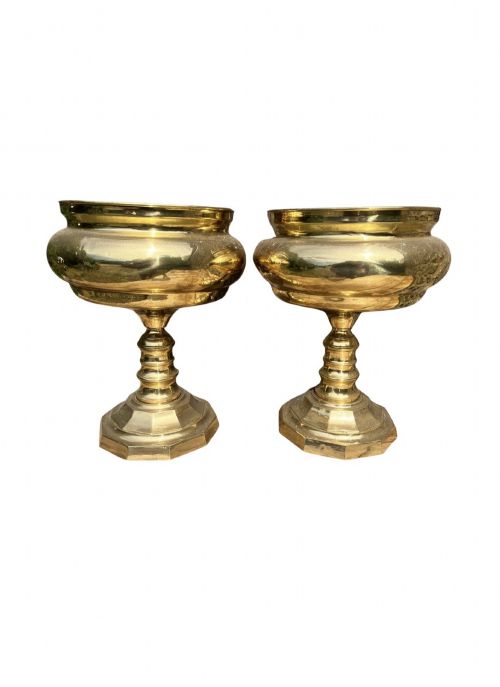
An antique brass vessel pair brings symmetry and weight to a room, offering matched metalwork from the nineteenth and early twentieth centuries.
Antique Brass Vessel Pair
An antique brass vessel pair comprises matched containers designed for decorative or domestic utility, ranging from heavy jardinieres to slender table vases. When searching for an antique brass vessel pair, buyers encounter pieces fashioned for both Western households and Eastern export markets.
The selections span the nineteenth century up to nineteen-ten, drawing on Victorian, Asian Revival, and Arts and Crafts traditions. Many examples originate from Chinese export workshops, Japanese Meiji studios, and British or French domestic metalworking centres.
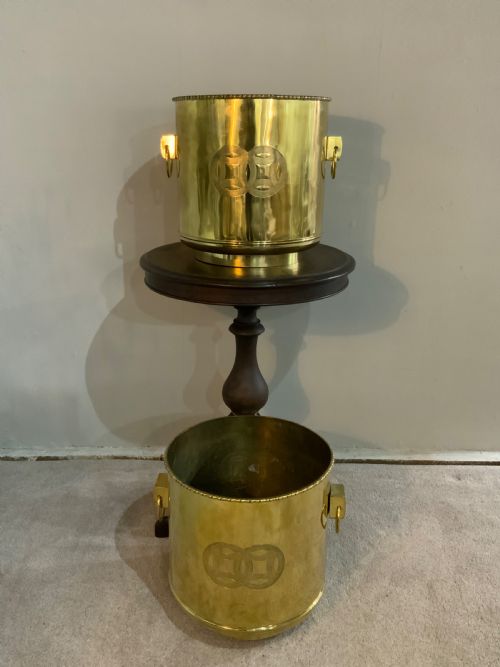
Forms on this page include polished jardinieres, twin-handled urns, embossed planters, and ceremonial bowls. Matching pairs are particularly sought after for mantelpieces, console tables, and entrance halls where balanced display is desired.
How these metal objects were constructed
Makers shaped these vessels using brass, bronze, and copper, often employing casting, hammering, and embossing techniques. Chased floral decoration and pierced metalwork appear frequently on nineteenth-century specimens.
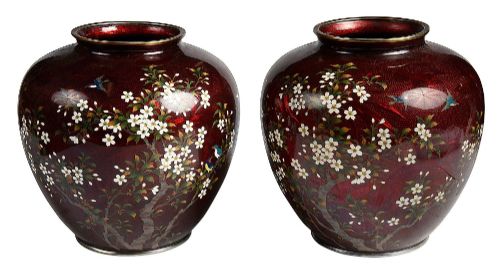
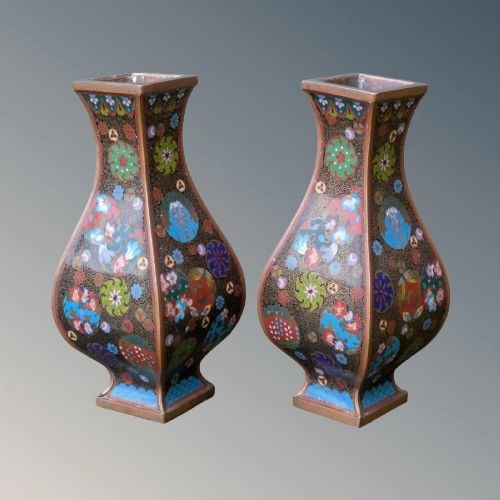
Enamel and gilt bronze embellishments add colour and texture to specific regional forms, particularly in Chinese and Japanese cloisonne pieces. Polished finishes highlight the natural warmth of the underlying metal alloys.
Country house watering cans and ships lanterns sit comfortably alongside delicate cloisonne vases on this page.
What separates standard pieces from finer examples
Quality rests upon the crispness of the chased or embossed detail and the structural integrity of the matched pair. Substantial weight and clean casting lines indicate superior metalwork from skilled workshops.
The preservation of original surface finishes and any applied enamel or gilding distinguishes high-grade specimens from heavily worn items. Consistency between both pieces in a matched set determines their overall desirability.
H F Fearncombe & Co
The Antique Brass Vessel Pair Glossary
- Jardinieres
- Large decorative pots designed to hold live plants or floral displays. They are frequently cast in heavy brass or bronze.
- Cloisonne
- An ancient technique for decorating metal object surfaces using enamel compartments separated by strips of metal.
- Dinanderie
- A traditional term for European beaten and engraved brass or copper art objects. The craft flourished during the medieval period and saw revivals later.
- Ormolu
- Gilded bronze used for decorative mounts on furniture or as a standalone finish on ornamental urns. The technique involves applying a mercury and gold amalgam.
- Chased
- A method of hammering metal from the front to create raised surface patterns and intricate linear decoration. It requires considerable skill to avoid puncturing the alloy.
Antique Brass Vessel Pair: Frequently Asked Questions
How do I style a vessel pair?
Place matching urns or jardinieres symmetrically on either side of a fireplace mantelpiece or heavy sideboard to create visual balance in a room.
They also work well as centrepieces on large dining tables or paired on console tables in entrance halls.
What is the difference between brass and bronze?
Brass is primarily an alloy of copper and zinc, yielding a bright, golden yellow appearance. Bronze is an alloy of copper and tin, resulting in a darker, richer brown tone.
Both metals were used interchangeably for decorative vessels throughout the nineteenth century.
How do I clean antique metal vessels?
Dust gently with a soft, dry cloth to preserve any historic surface patination and accumulated age. Avoid abrasive polishes that strip away the original finish.
If cleaning is essential, use a mild, non-ionic soap solution and dry thoroughly immediately afterwards.