





Antique Brass Medallion
An antique brass medallion brings tangible history into a room, offering the enduring craftsmanship of past centuries.
Antique Brass Medallion
When you search for an antique brass medallion, you encounter decorative hardware, wall plaques, and clock mountings that incorporate metallic reliefs. These objects reflect various periods from the eighteenth century through to the early twentieth century.
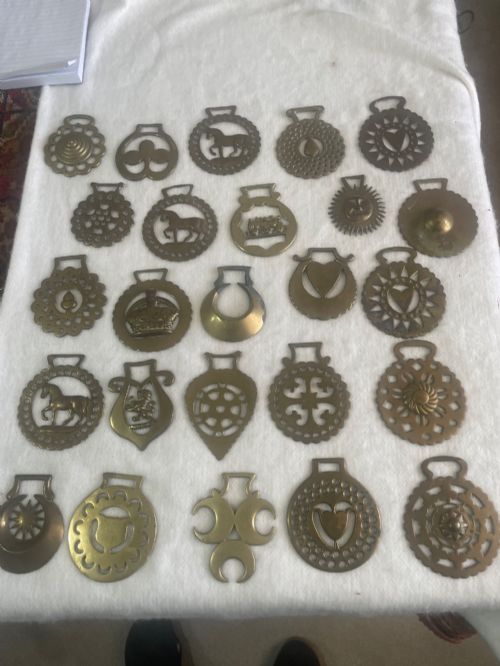
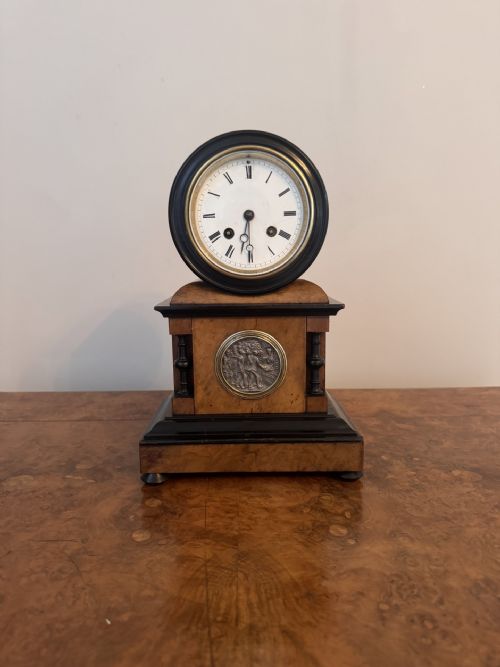
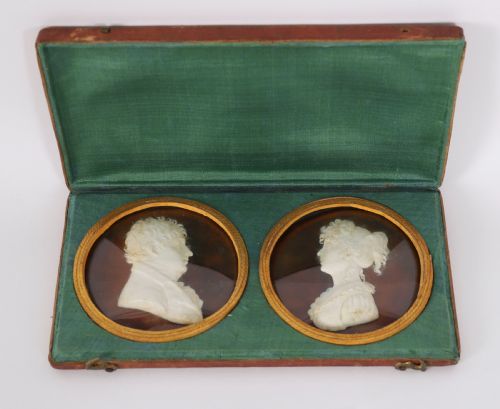
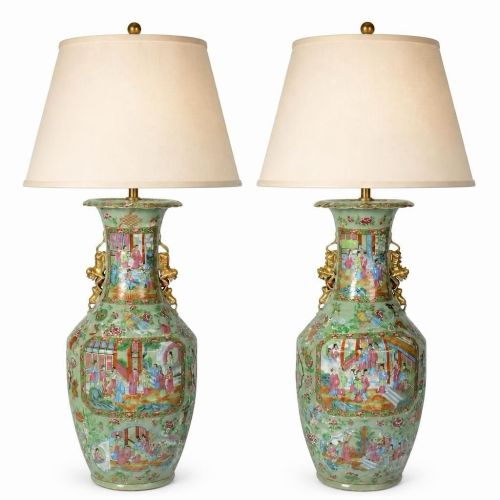
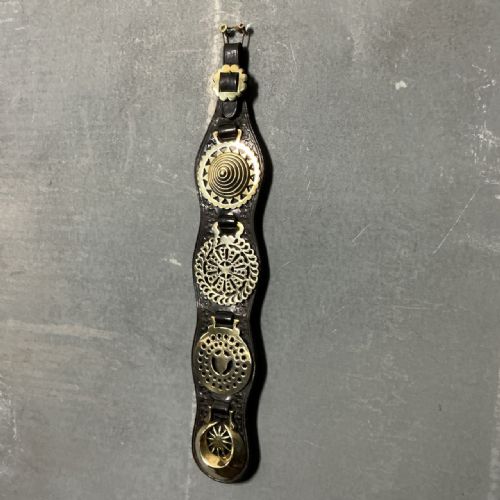
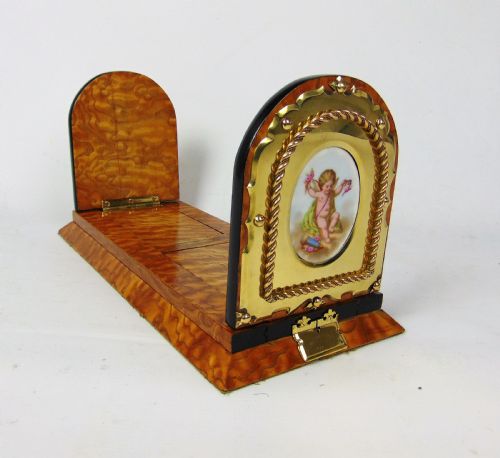
The versions most commonly met on this page include framed portrait plaques, decorative horse brasses, and structural mountings on lamps and clocks. These items showcase how utilitarian metalwork merged with portraiture and ornamentation.
Originating across European and Asian workshops, these pieces encompass both domestic Victorian designs and items influenced by Chinese export styles. The variety spans functional curtain tie-backs to purely decorative wall plaques.
Materials and construction methods
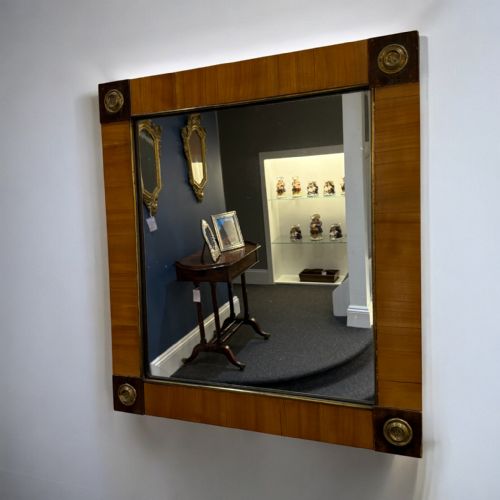
Makers utilised brass, bronze, and ormolu for the structural and decorative metalwork, often pairing these alloys with porcelain and enamel insets. Gilt bronze mounts provided a rich border for plaques and table mirrors.
Casting and pressing techniques shaped the durable metal bases, while fine hand-chasing added surface detail to portrait reliefs and frames. Ebonised wood and glass paste occasionally completed the assembly of framed miniatures and cameos.
Antique Brass Medallion Retail Price Guide 2026
Typical asking prices for brass medallion among the pieces listed under this phrase on Sellingantiques today, from the lower quarter to the upper quarter. They describe what is for sale here now, not the wider market.
Some nineteenth-century horses wore polished brass ornaments so heavy they practically functioned as medieval knights on commute.
Factors influencing quality
The clarity of the casting and the precision of the hand-chasing determine the visual distinction between average and superior examples. Crisp relief work in the metal reveals the hand of a skilled artisan rather than mass production.
The integration of secondary materials, such as hand-painted porcelain or vibrant enamel plaques, elevates the overall execution. Preserved original mounts and frames ensure the piece retains its intended aesthetic balance.
Thiebaut Freres·Tiffany and Co
The Antique Brass Medallion Glossary
- Ormolu
- Gilded bronze applied to furniture, clocks, and decorative objects. This technique creates a rich gold-coloured surface finish.
- Enamel
- A durable glossy substance fused to a metal base through firing. It provides vibrant colour to plaques and tie-backs.
- Cameo
- A method of carving where a relief image stands out distinctly from a contrasting background. It appears frequently in portrait miniatures.
- Cloisonne
- An ancient technique for decorating metal object surfaces using enamel held within wire compartments. It defines several distinctive vases on this page.
- Horse brass
- A brass plaque used for decorating harness gear. Collectors prize these items for their regional and historical motifs.
Antique Brass Medallion: Frequently Asked Questions
How were brass medallions used historically?
Many brass medallions served as commemorative wall plaques or decorative mounts on clocks and furniture. They added status and visual interest to domestic interiors.
Others functioned as utilitarian horse brasses on harness gear or as structural curtain tie-backs in grand residences.
How do I care for antique brass?
Dust the metal gently with a soft dry cloth to prevent the accumulation of grime. Avoid harsh chemical polishes that strip away historical surface patination.
Keep the items away from excessive moisture to protect any integrated enamel, porcelain, or ebonised wood elements.
Are these pieces dated accurately?
Dating relies on stylistic evidence, manufacturing techniques, and material composition recorded across the nineteenth and eighteenth centuries. Makers often left stylistic markers typical of Victorian or Georgian periods.
Appraising the framing methods and secondary components helps confirm the approximate era of production.
What is a Grand Tour plaque?
Grand Tour items were acquired by wealthy travellers visiting cultural sites across Europe during the eighteenth and nineteenth centuries. These souvenirs often included wax portrait reliefs and classical medallions.
They allowed collectors to bring classical art and portraiture back to their home studies.