





Antique Brass Lion Planter
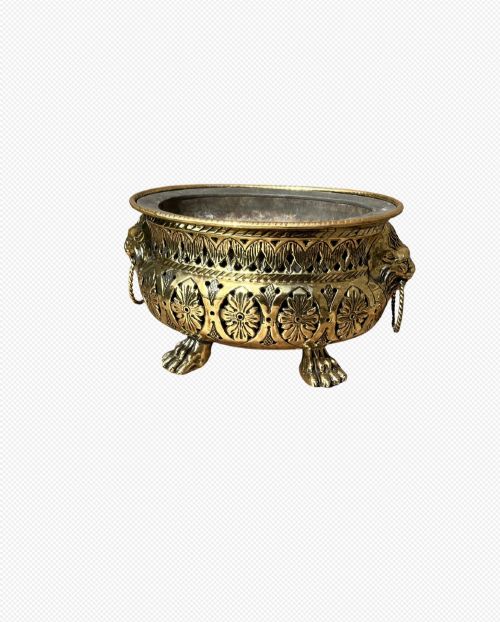
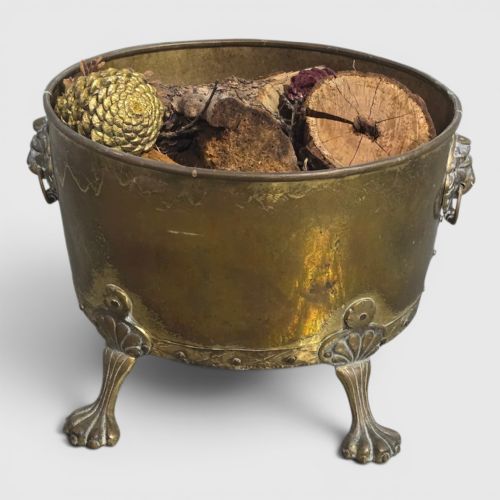
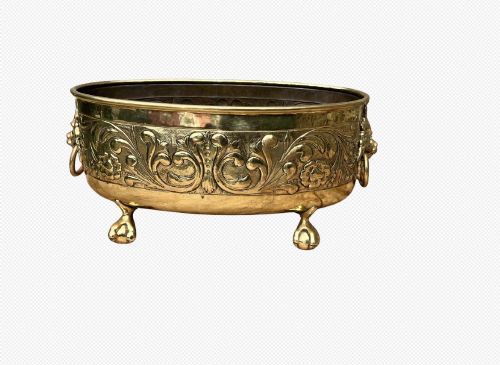
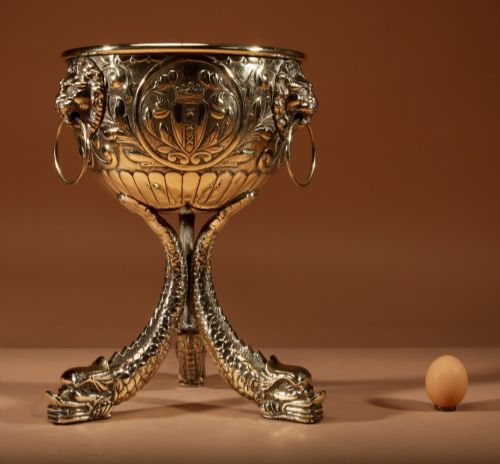
These antique brass lion planter items bring heavy metal vessels and sculptural beast masks together to hold foliage.
Antique Brass Lion Planter
When you search for an antique brass lion planter, you enter a field dominated by heavy metal vessels, jardiniere forms, and fireside log bins equipped with cast animal handles. The pieces on this page span the eighteenth, nineteenth, and early twentieth centuries, reflecting diverse origins including English, French, Dutch, and Belgian workshops.
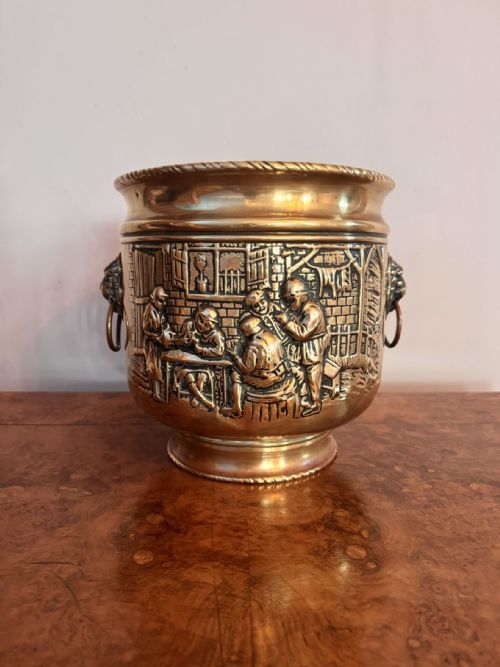
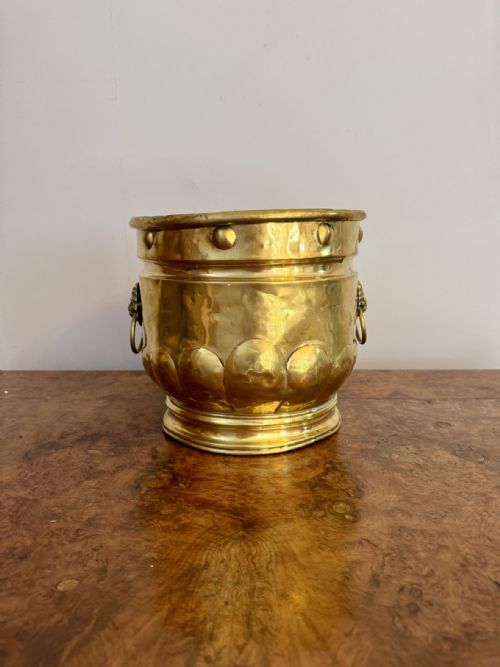
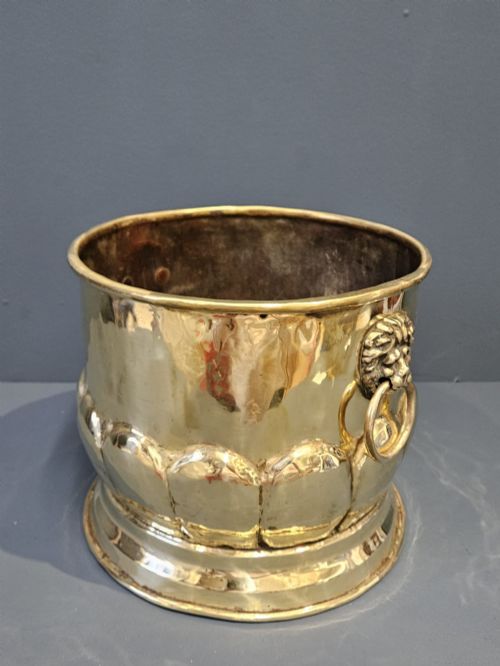
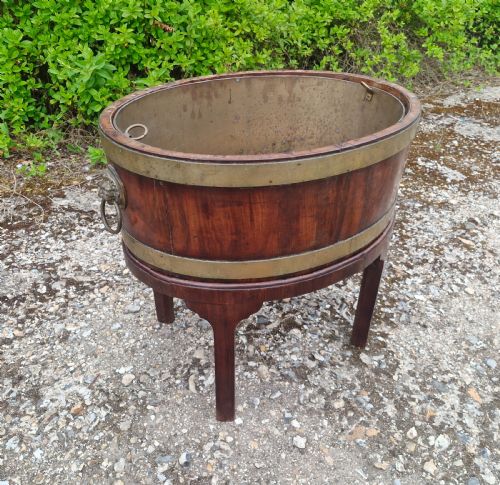
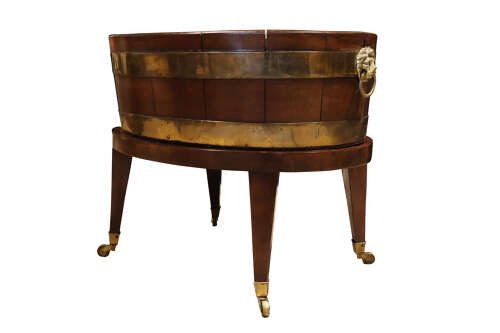
The most common form you will meet is the Victorian jardiniere or log bin, often shaped as a cylindrical or oval vessel with lion mask handles. These domestic items double as plant holders, coal buckets, or wine coolers, pairing functional metal bodies with decorative handles shaped as beast heads.
Styles range across Victorian, Gothic Revival, French Empire, Georgian, Regency, Edwardian, and Dutch Traditional aesthetics. Alongside brass, you encounter pieces that combine copper bodies with brass bands, or mahogany stands fitted with metal containers.
Materials and Working Methods
The makers of these vessels relied primarily on sheet brass and copper, hammering and spinning the metal into deep cylindrical or cauldron forms. Many examples incorporate cast brass handles shaped as lion masks, secured to the body with rivets or heavy fixings.
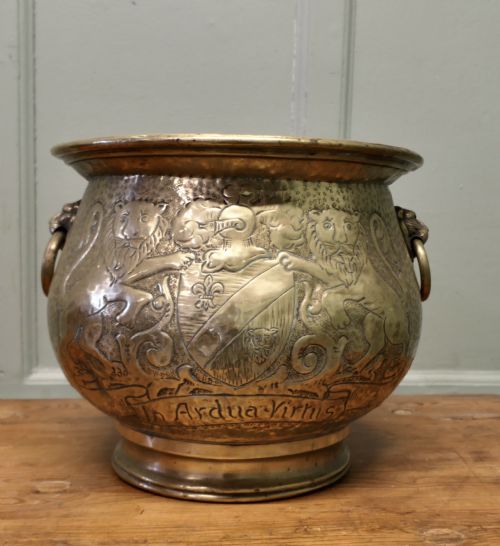
Decoration often involved repoussé and embossing techniques, where artisans hammered designs into the metal from the reverse side to create raised patterns, shields, or animal heads. Pierced metalwork, applied copper bands, and ormolu mounts further defined the construction of these decorative items.
For wooden variations, coopers constructed staves of mahogany bound with brass hoops, or cabinetmakers built stands to support metal liners used for cooling wine or holding plants.
Antique Brass Lion Planter Retail Price Guide 2026
Typical asking prices for brass lion planter among the pieces listed under this phrase on Sellingantiques today, from the lower quarter to the upper quarter. They describe what is for sale here now, not the wider market.
Several heavy metal vessels double gracefully as plant pots and coal bins, proving that Victorian practicality had a fierce roar.
Distinctions in Quality
The distinction between standard domestic items and superior examples lies in the weight of the metal and the crispness of the casting. Heavy gauge brass and deep, hand-hammered repoussé work indicate a higher grade of craftsmanship than thin, machine-pressed sheet metal.
The Antique Brass Lion Planter Glossary
- Jardiniere
- An ornamental pot or stand for holding plants or flowers. These vessels often sit on feet or directly on the floor depending on their scale.
- Repoussé
- A metalworking technique where the artisan hammers a design from the reverse side to form a raised pattern on the front. This method appears frequently on nineteenth-century brass bodies.
- Dinanderie
- The medieval and later Belgian art of brass and copper working, particularly associated with towns like Dinant. Pieces bearing this label often feature detailed embossed surface work.
- Coopered
- Built from wooden staves fitted together and bound with metal hoops, a technique borrowed from barrel making. This method appears in mahogany plant holders and wine coolers.
- Ormolu
- Gilt bronze mounts applied to furniture and decorative vessels. This material surfaces on Empire and French revival pieces.
- Cellarette
- A lockable container or bin used for holding bottles of wine, frequently adapted as a planter or log bin in later periods.
Antique Brass Lion Planter: Frequently Asked Questions
How were these metal planters used originally?
Households utilised these heavy vessels beside the fireplace for coal or logs, or filled them with potted plants and foliage.
Some variants functioned as wine coolers or ice buckets in dining rooms, fitted with metal linings to contain moisture.
How do I care for antique brass vessels?
Maintenance involves dusting the metal surface and avoiding harsh chemical polishes that strip historic patination.
When using them for live plants, placing a modern plastic liner inside prevents moisture from sitting directly against the antique brass or copper base.
How can I tell the period of a brass jardiniere?
Dating relies on observing manufacturing marks, construction methods like hand-riveting versus machine-stamping, and stylistic cues from periods like the Victorian era or Gothic Revival.
Secondary materials such as mahogany stands or copper banding also provide chronological markers.