




Antique Brass Lampshade
An antique brass lampshade brings warm, diffused light and period character to a room through traditional metalwork and decorative glass.
Antique Brass Lampshade
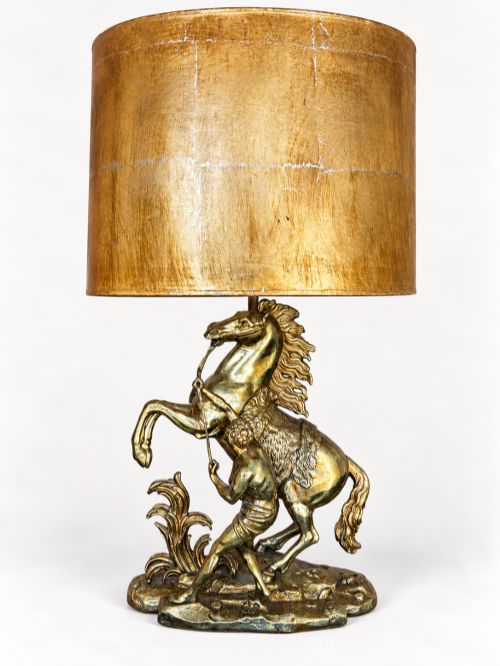
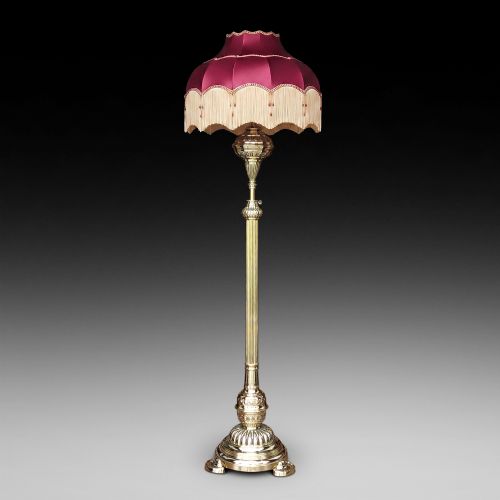
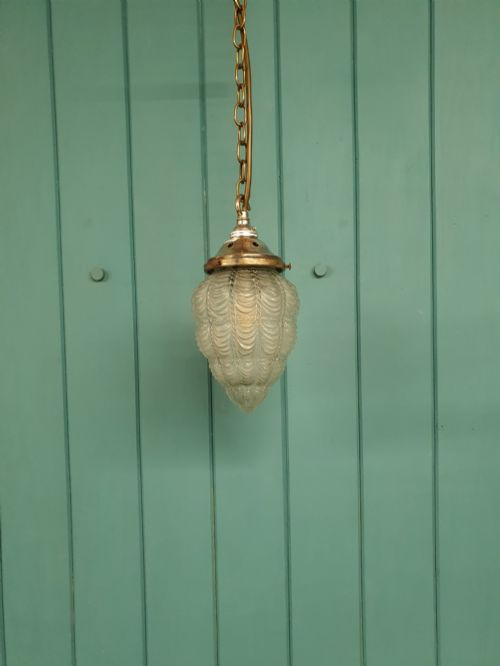
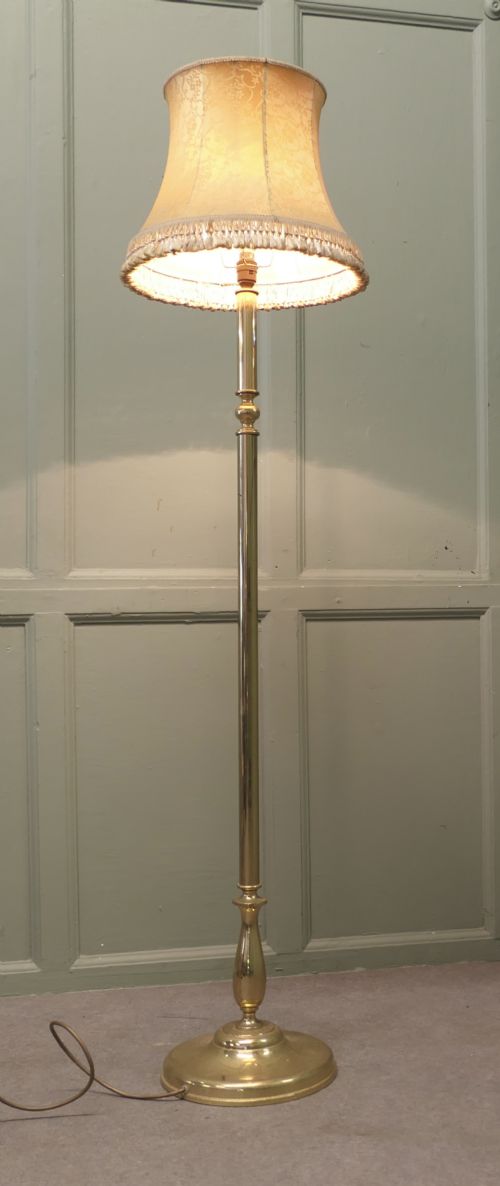
When you search for an antique brass lampshade, you encounter a variety of lighting fixtures, ceiling pendants, and converted oil lamps spanning the Victorian, Edwardian, and Art Deco periods. Many examples incorporate pressed brass, beaten copper, or etched glass components designed to soften illumination in domestic interiors.
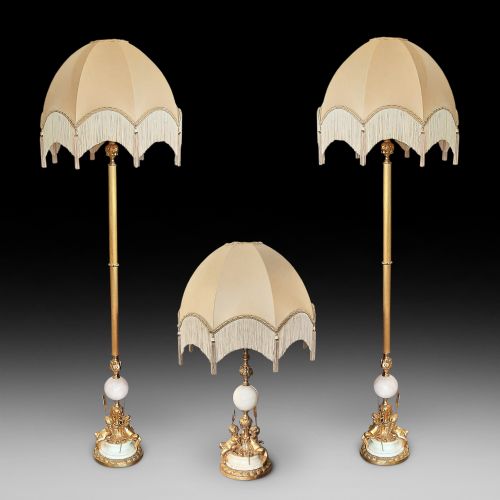
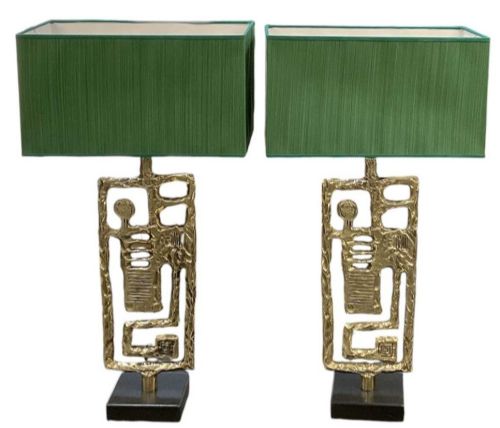
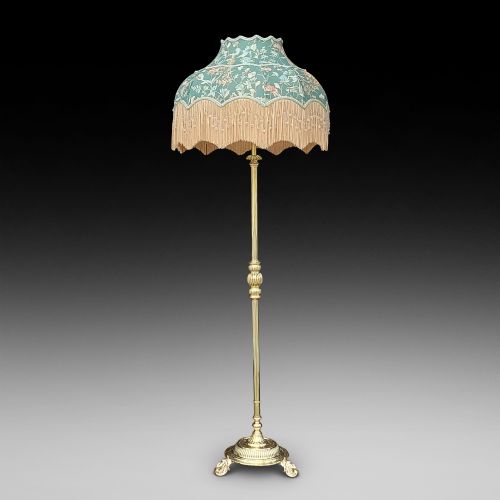
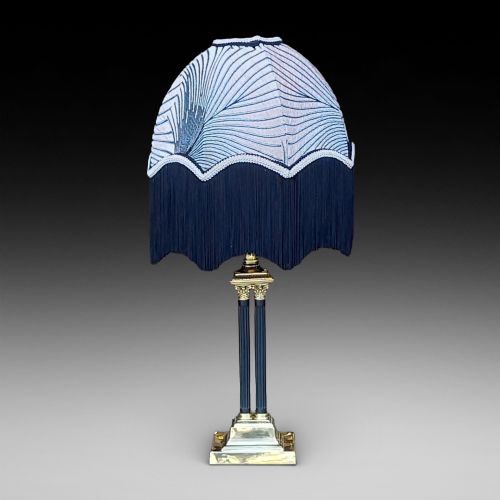
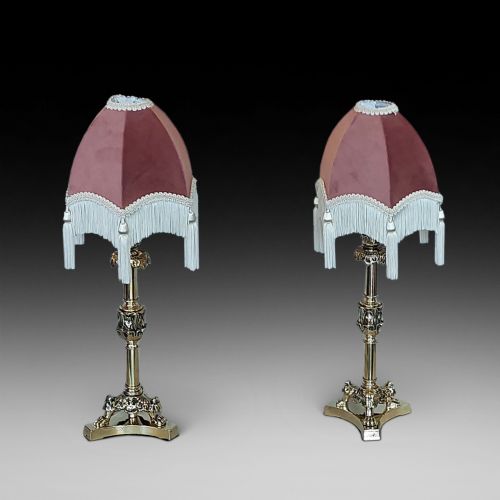
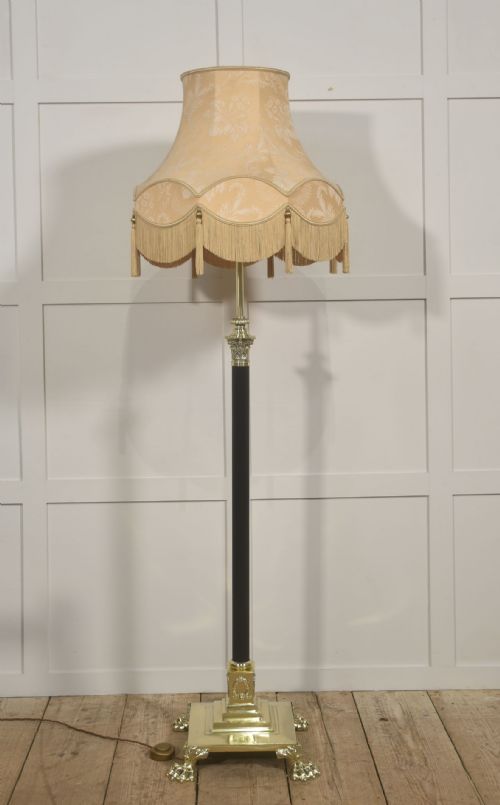
The selection on this page leans heavily towards table lamps, floor standards, and hanging pendants originating from the late nineteenth century through to the 1930s. Alongside standard brass fittings, you will find fabric shades with fringe, frilly glass shades, and delicate beaded designs characteristic of early twentieth-century rooms.
How they were made
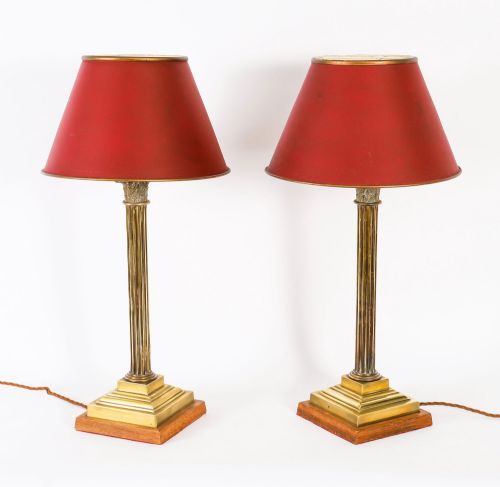
Craftsmen utilised base metals such as brass, bronze, and copper, often shaping them through casting, spinning, or hand-beating techniques. Structural columns frequently mimic classical architectural orders like the Corinthian style, paired with weighted bases for stability.
Glass elements were blown, pressed, or etched to create textured surfaces, while fabric shades relied on thread, silk, and elaborate fringing. Metal components were occasionally gilt, painted, or patinated to achieve specific visual effects suited to French chateau or Neoclassical interiors.
Antique Brass Lampshade Retail Price Guide 2026
Typical asking prices for brass lampshade among the pieces listed under this phrase on Sellingantiques today, from the lower quarter to the upper quarter. They describe what is for sale here now, not the wider market.
Listings feature brass, bronze, and copper alongside glass, fabric, and fringe across periods spanning the Victorian era to the 1930s.
What varies in quality
Quality rests upon the weight and purity of the metalwork, distinguishing heavy cast brass and solid bronze components from thinner, pressed sheet metal. Finer pieces display crisp casting detail in classical masks, fluted columns, and intricate mountings rather than soft or blurred edges.
The integrity of the accompanying glass or fabric elements also dictates the standard of the object, with hand-etched glass and detailed beadwork representing superior craftsmanship. Original oil lamp conversions that retain their operational adjustment mechanisms demonstrate higher functional retention than altered or simplified examples.
Hinks of B'ham
The Antique Brass Lampshade Glossary
- Corinthian column
- A classical architectural support featuring ornate acanthus leaves at the capital, frequently utilised for the stems of heavy table and floor lamps.
- Plafonnier
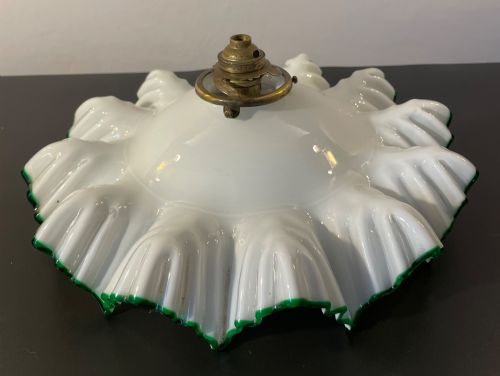
- A shallow bowl-shaped ceiling light mounted close to the surface, commonly produced in glass during the Art Deco period.
- Toleware
- Painted or lacquered sheet metal items, often finished in colours like green and gold to resemble antique decorative objects.
- Standard lamp
- A tall floor-standing lighting fixture, historically adapted from oil-burning standards or designed specifically for electricity.
- Frill lampshade
- A glass or fabric shade characterised by ruffled or fluted edges, typical of French boudoir lighting from the early twentieth century.
Antique Brass Lampshade: Frequently Asked Questions
How do I clean antique brass?
Dust the surface regularly with a soft, dry cloth to prevent the accumulation of dirt within intricate mouldings. Avoid harsh chemical polishes that strip away the aged patina accumulated over the decades.
For stubborn grime, use a mild soap solution applied sparingly and dried immediately with a lint-free cloth. Preserving the natural oxidation maintains the historical character of the piece.
Are these lamps safe to use?
Many older lighting fixtures utilise wiring that predates modern safety standards and requires professional rewiring. Converting a vintage oil lamp or candlestick into an electric fitting should be undertaken by a qualified electrician.
Inspecting the internal lampholders and plugs ensures the fixture complies with current domestic regulations. This permits safe daily use without compromising the original exterior structure.
How do I identify the period?
Stylistic indicators such as heavy cast brass columns point towards Victorian or late nineteenth-century manufacture. Sleek geometric lines and pressed glass bowls typically signal Art Deco design from the 1930s.
Examining the construction methods, screw threads, and mounting techniques provides further clues regarding date. Comparing the piece against documented design movements helps narrow down the decade of production.
Can I change the lampshade?
Replacing a shade is straightforward provided the fitter size and gallery measurements match the existing harp or holder. Many period fixtures accept standard clip-on or ring-fitting shades without requiring structural alterations.
Selecting a complementary fabric, glass, or metal shade preserves the aesthetic balance of the lamp base. Ensure the weight of the new shade does not exceed the load capacity of the adjustable stem.