



Antique Brass Horse
When you search for an antique brass horse, you are meeting heavy cast doorstops, decorative figures, and equestrian desk gear from the Georgian and Victorian eras.
Antique Brass Horse
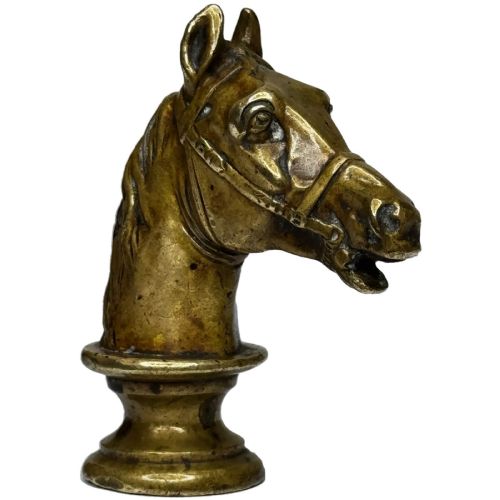
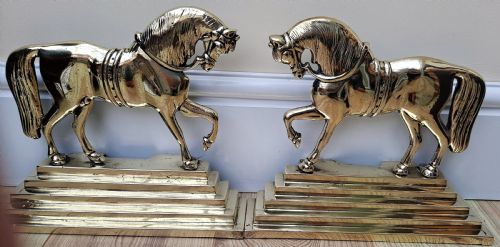
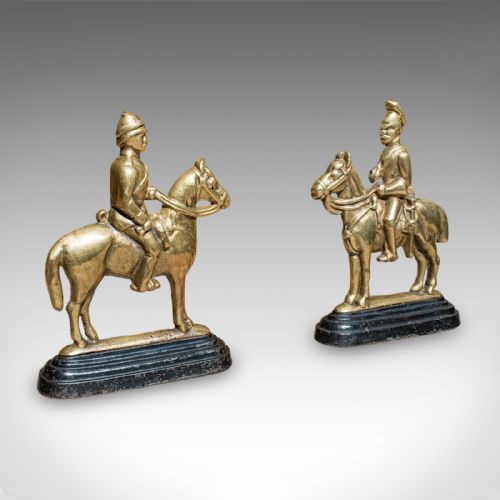
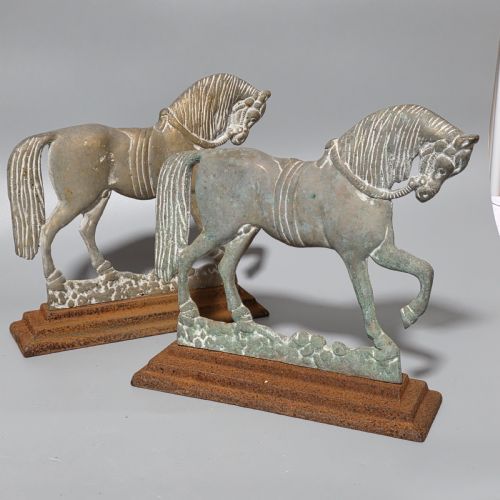
An antique brass horse most commonly appears on this page in the form of a heavy doorstop, also known as a door porter, designed to keep heavy interior doors open in nineteenth-century homes. These utilitarian objects take the shape of striding horses, prancing figures, or individual horse heads.
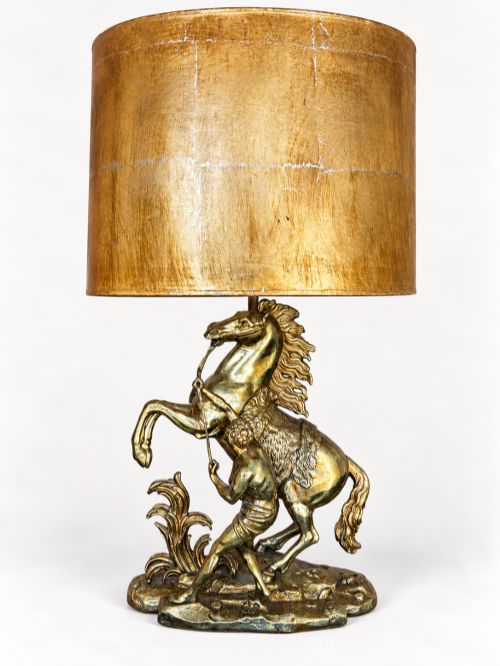
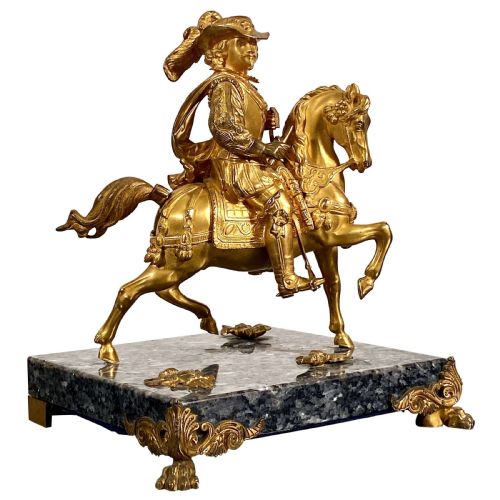
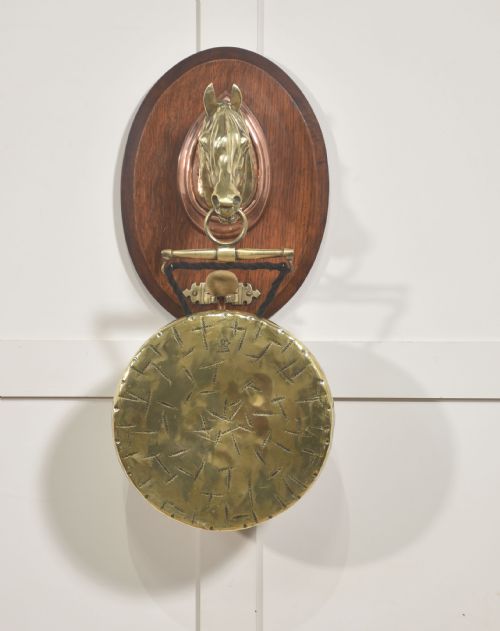
Beyond doorstops, the search phrase uncovers a range of equestrian smalls and desk accessories, including letter clips, inkstands, and pocket watch holders cast in brass and often mounted on oak. You will also encounter sculptural figures, such as Grand Tour bronzes and small statues representing the animal in various static or dynamic poses.
The objects span from Georgian items like armorial intaglio desk seals to late Victorian desk ornaments and doorstops dated around eighteen-ninety. The most frequent encounters on this page are domestic brass doorstops and horse-themed desk furnishings originating from English workshops.
How they were made
The physical objects rely on the foundry techniques of the nineteenth century, utilising cast brass or bell metal poured into sand moulds to create solid figures with substantial weight. Many desk accessories combine this cast metal with natural materials like oak, mahogany, or leather, secured with small brass fittings.
Surface finish is achieved through filing and polishing the cast metal, leaving visible tool marks on earlier pieces and sharper, more uniform cast details on later Victorian examples. Where wood forms a base or backing, such as on letter racks and cribbage boards, traditional carpentry joinery holds the assembly together.
Antique Brass Horse Retail Price Guide 2026
Typical asking prices for brass horse among the pieces listed under this phrase on Sellingantiques today, from the lower quarter to the upper quarter. They describe what is for sale here now, not the wider market.
Dr Jim left his name on a very specific nineteenth-century doorstop.
What varies in quality
Quality in these cast items rests on the crispness of the moulding and the depth of the chasing work done after the metal cooled. A finer casting retains sharp musculature and facial definition on the horse, whereas a lesser example presents softened edges and blurred details from a worn mould.
Weight and structural integrity also divide the range, particularly in doorstops and desk pieces where solid brass and sturdy oak backing outlast hollow castings and fragile glued joints. The presence of integrated functional elements, such as working spring clips on letter racks or intact wooden trays on inkstands, separates utilitarian ornaments from superior desk furniture.
Thomas Anelli·Wilson
The Antique Brass Horse Glossary
- Doorstop
- A heavy weighted object used to keep a door open, frequently cast in brass as a horse or chimney horse during the Victorian period. These items required substantial mass to hold heavy interior doors.
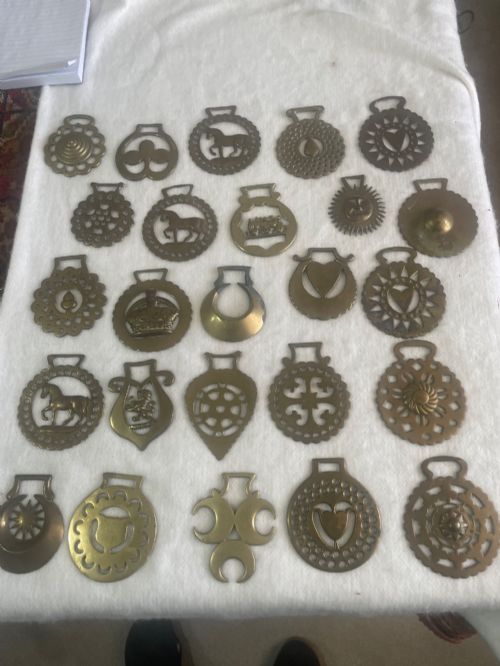
- Horse brass
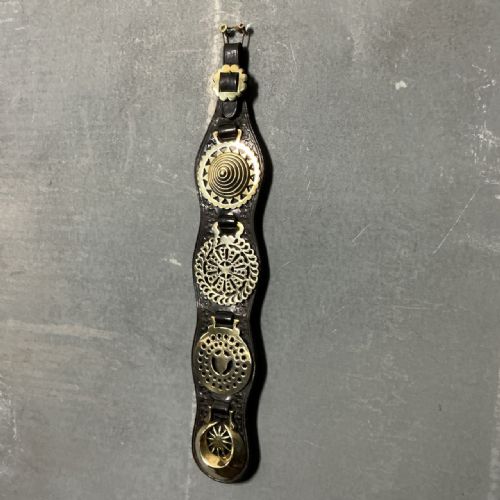
- A small polished brass ornament traditionally displayed on the harness of draught horses, featuring various equestrian and symbolic motifs. Collectors often find them mounted on leather straps or displayed individually.
- Ormolu
- Gilded bronze or brass applied to decorative objects and small statuettes during the nineteenth century. This finish provides a bright gold-coloured surface on display pieces.
- Intaglio
- A design carved into the surface of a gemstone or metal seal, allowing it to leave a raised impression in wax. Georgian examples appear on desk seals connected to equestrian themes.
Antique Brass Horse: Frequently Asked Questions
What is an antique brass horse doorstop?
A heavy cast brass doorstop made in the shape of a horse, designed to hold interior doors open in nineteenth-century homes.
These functional pieces combined practical weight with decorative equestrian themes suited for Victorian hallways.
How do I date a brass horse sculpture?
Dating relies on stylistic cues, casting techniques, and material combinations seen across Georgian and Victorian examples.
Earlier pieces often show hand-finished surfaces and heavier bases, while later nineteenth-century items display sharper mould work and standardised mounting.
Were brass horses used on harnesses?
Smaller brass ornaments known as horse brasses were attached to working horse harnesses as decorative livery.
These flat brass plates feature various horse and animal motifs, distinct from the heavy freestanding figures and doorstops.
What materials are paired with the brass?
Many desk pieces and wall mounts combine cast brass with oak, mahogany, or hand-dyed leather bases.
Wood is frequently used for letter racks, inkstands, and horseshoe-shaped presentation boards to anchor the metal components.