




Antique Brass Drum
These antique brass drum pieces combine functional precision with striking circular brass cases, offering a refined focal point for any traditional interior.
Antique Brass Drum
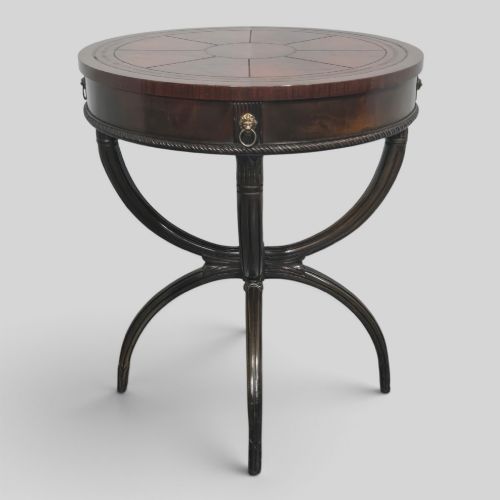
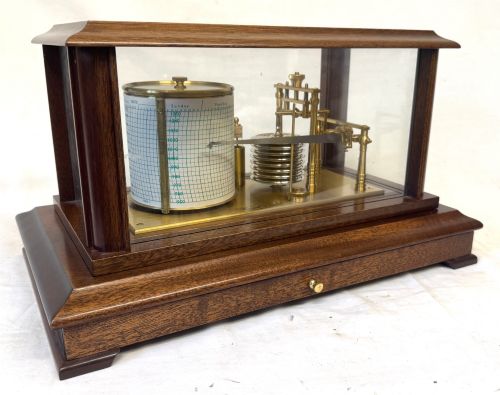
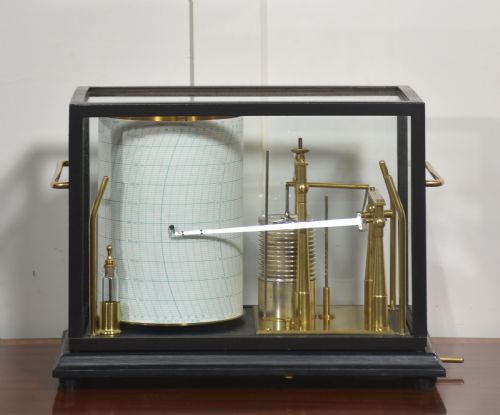
When searching for an antique brass drum, buyers encounter specialised scientific and timekeeping instruments housed in distinct cylindrical brass housings, alongside circular table forms. These pieces originate from periods spanning the nineteenth century through the Edwardian era, capturing a strong utilitarian elegance.
What varies in quality
Quality in an antique brass drum rests upon the weight of the metal casing and the crispness of any engraved details on the dial or movement backplate. Heavier cast brass frames with well-preserved gilding or original lacquered finishes demonstrate superior initial manufacture.
The refinement of the internal mechanism or fitted components marks the difference between standard production pieces and those of finer execution. Original glass panels, signed movements, and intact mounting hardware elevate the overall integrity of the piece.
Antique Brass Drum Retail Price Guide 2026
Typical asking prices for brass drum among the pieces listed under this phrase on Sellingantiques today, from the lower quarter to the upper quarter. They describe what is for sale here now, not the wider market.
Short and Mason·Japy Freres·Samuel Marti·Jules Richard
The Antique Brass Drum Glossary
- Brass
- A durable alloy of copper and zinc widely utilised for instrument housings, clock bezels, and decorative mounts. It provides a bright, golden surface that takes a high polish.
- Fusee
- A conical pulley used in clockwork to equalise the driving force of the mainspring as it winds down. This mechanism ensures consistent timekeeping accuracy across the power reserve.
- Gilt bronze
- Metal cast in bronze and treated with a gold wash or mercury gilding process. This technique delivers a rich, enduring metallic lustre resistant to tarnishing.
- Bevelled glass
- Glass panes featuring angled, polished edges designed to fit snugly into brass door frames and viewing ports. It adds optical depth and structural rigidity.
- Dial
- The face of a clock or barometer displaying numerical scales, markers, or maker signatures. It serves as both a functional reading surface and a decorative centrepiece.
Antique Brass Drum: Frequently Asked Questions
How do I care for brass cases?
Brass cases require minimal intervention, needing only occasional dusting with a soft, dry cloth to prevent the accumulation of airborne grit.
Avoid using abrasive metal polishes on antique finishes, as removing the natural patination diminishes the historic character of the surface.
Where were these pieces used?
These instruments and clocks were placed in libraries, studies, and formal reception rooms where accurate timekeeping or weather monitoring was valued.
Their substantial brass construction allowed them to sit securely on desks, tables, and mantel shelves alongside other scientific instruments.
How do I identify the period?
Dating relies on examining the style of the numerals, the method of case construction, and any engraved signatures or patent marks on the movement.
French drum clocks from the nineteenth century often display distinct maker stamps on the backplate, while Edwardian pieces show lighter framing.