



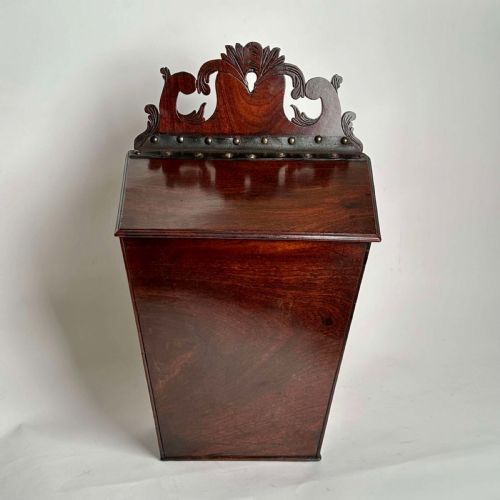


Antique Brass Cutlery
Antique brass cutlery spans travel sets and fitted chests with brass mounts, offering period utility and rich timber tones for the modern table.
Antique Brass Cutlery
When you search for antique brass cutlery, you encounter a specialised selection of travelling sets, fitted canteens, and storage boxes featuring brass mounts, handles, and fittings. These pieces bridge utilitarian dining needs and fine cabinet making from the seventeenth century through to the Edwardian era.
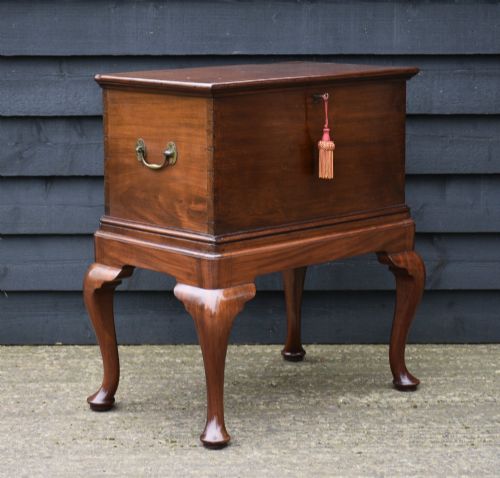
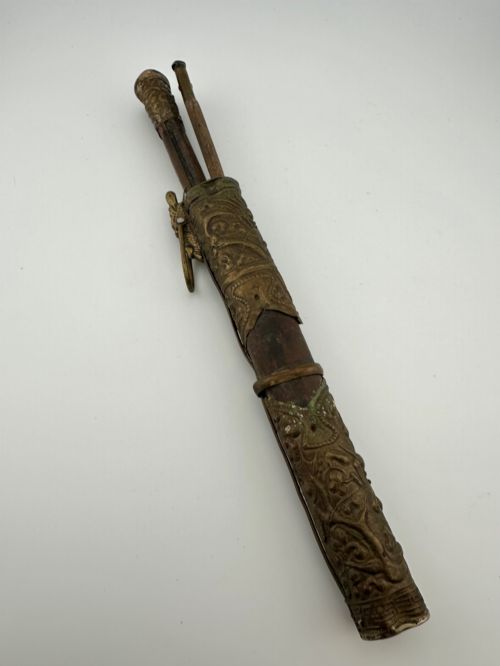
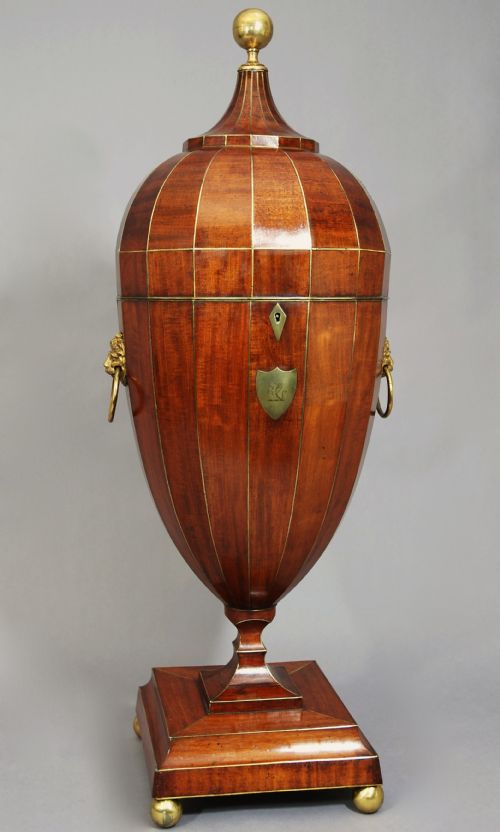
The objects on this page largely comprise mahogany and oak boxes, chests, and travelling sets where brass provides both structural reinforcement and decorative contrast. Examples range from Chinese Qing dynasty trousse sets with brass sheaths to Georgian serpentine cutlery boxes and Edwardian oak canteens.
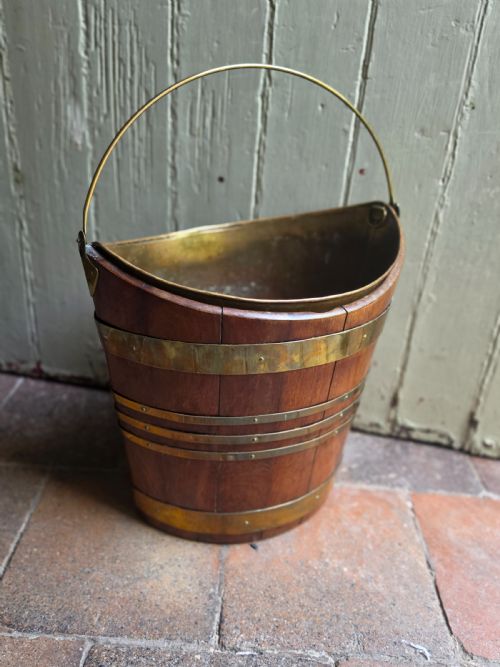
Buyers meet sturdy campaign trunks alongside elegant George III plate buckets and George IV silver chests. Brass handles, escutcheons, and hinges define the visual language of these dining accessories across multiple centuries.
Materials and construction methods
Craftsmen built these dining accessories primarily from dense hardwoods like mahogany and oak, chosen for durability and rich grain. Timber sections were joined with precision, often housing specialised interiors lined to protect metalware.
Brass formed a crucial structural and decorative element, appearing as carrying handles, lock plates, corner brackets, and protective bindings. Smiths cast and hand-finished the metal fittings to withstand frequent travel and daily handling.
Travelling eating sets combined brass sheaths with steel and bone components, creating portable dining kits designed for endurance on the road.
Antique Brass Cutlery Retail Price Guide 2026
Typical asking prices for brass cutlery among the pieces listed under this phrase on Sellingantiques today, from the lower quarter to the upper quarter. They describe what is for sale here now, not the wider market.
Current listings feature oak and mahogany pieces spanning from the seventeenth century to the Edwardian era, incorporating brass, steel, and silver plate.
Evaluating quality and execution
Quality rests in the precision of the cabinet work and the weight of the brass mounts. Superior pieces display thick, hand-cast brass hardware secured with matching screws, alongside well-figured mahogany or quarter-sawn oak timber.
The sophistication of the internal fittings separates standard utility boxes from exceptional examples. Boxes featuring serpentine fronts, fitted compartments, and original locking mechanisms demonstrate higher levels of period craftsmanship.
Walker & Hall·Mappin & Webb
The Antique Brass Cutlery Glossary
- Escutcheon
- A protective brass plate surrounding a keyhole. It prevents the surrounding wood from wearing down through repeated use.
- Canteen
- A fitted chest or box designed to hold a complete set of flatware. These containers often feature multiple tiers or baize-lined slots.
- Trousse
- A portable travelling case holding eating utensils such as a knife and chopsticks. These sets frequently utilised protective metal sheaths.
- Campaign trunk
- A heavy storage chest reinforced with brass corners and straps for military officers on the move. They prioritised rugged portability over delicate ornament.
- Serpentine
- A furniture front curving inward centrally and outward at the sides. This undulating shape demands advanced woodworking skill.
Antique Brass Cutlery: Frequently Asked Questions
How do I date an antique cutlery chest?
Dating relies on timber choice, cabinet construction methods, and the style of the brass hardware. Georgian pieces often feature rich mahogany and serpentine lines.
Later Edwardian examples frequently utilise quarter-sawn oak and house larger, standardised flatware canteens from established silversmiths.
Were brass travelling sets used for dining?
Travelling eating sets served individuals on journeys who required personal utensils. The inclusion of brass sheaths protected the blades and made the sets durable.
These portable kits combined knife blades, chopsticks, or smaller implements for meals away from home.
How should I maintain wooden cutlery canteens?
Maintenance involves keeping the timber conditioned with appropriate wax and handling the brass hardware carefully. Stable room humidity prevents the wood from warping.
Avoid abrasive cleaners on the brass mounts to preserve their aged surface character.