





Antique Brass Castor Stand
An antique brass castor stand provides a sturdy mobile base for supporting classic furnishings.
Antique Brass Castor Stand
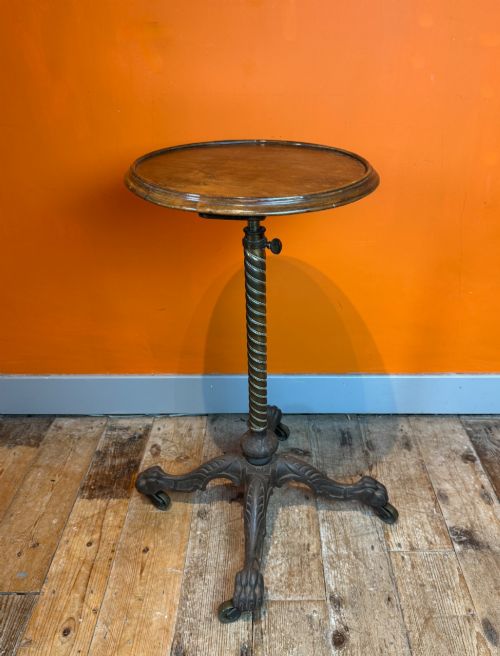
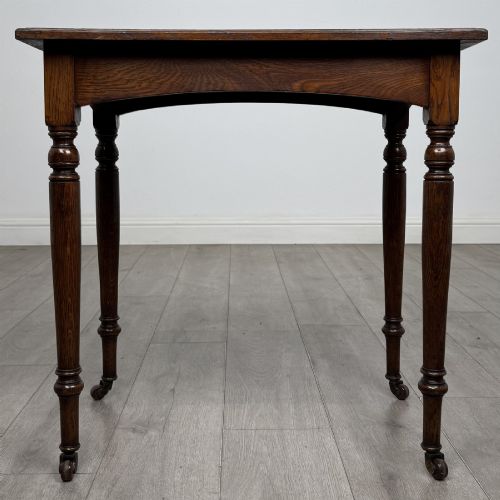
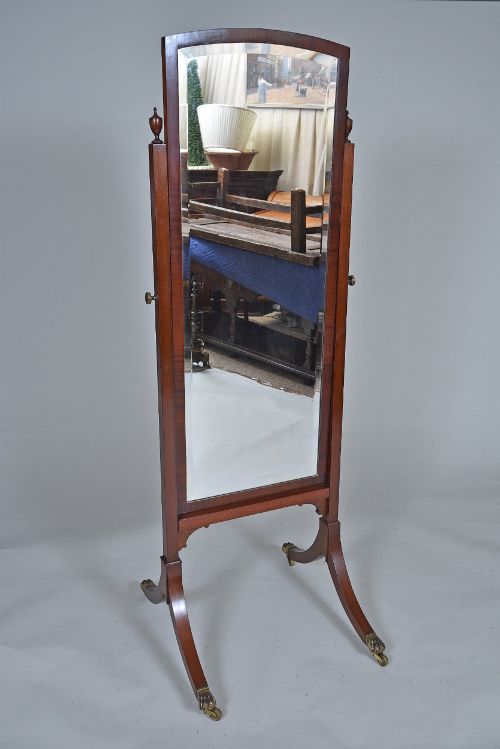
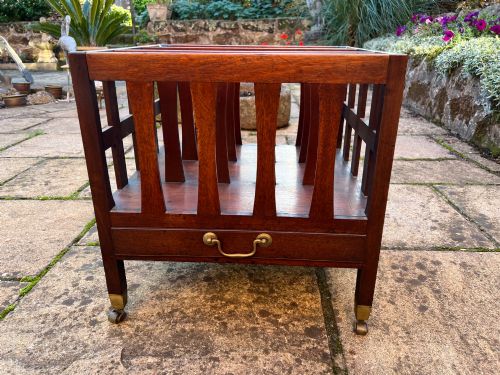
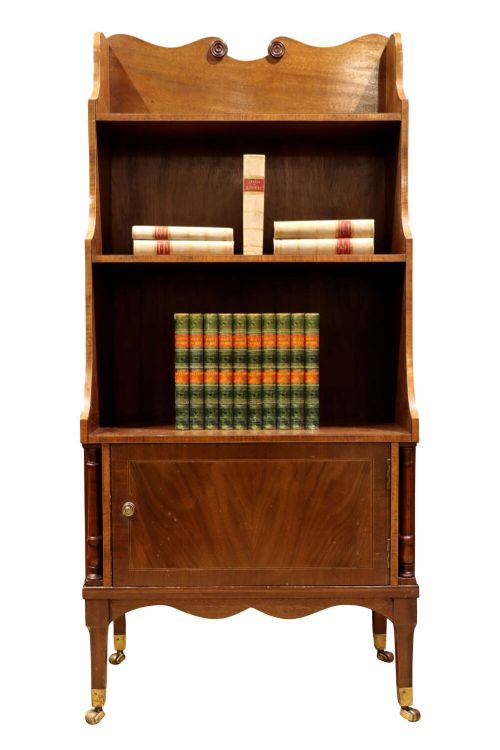
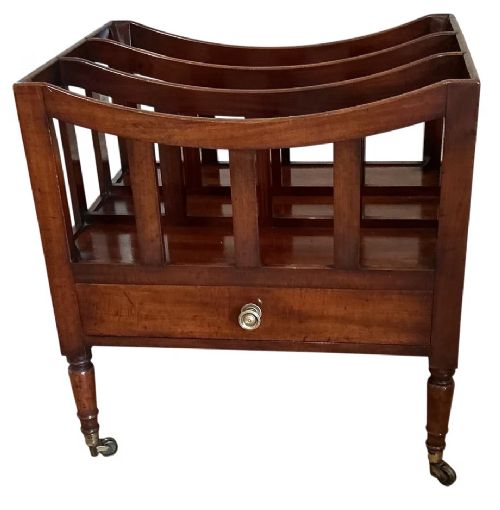
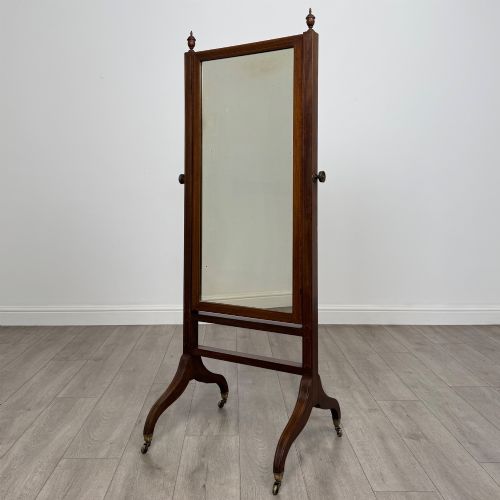
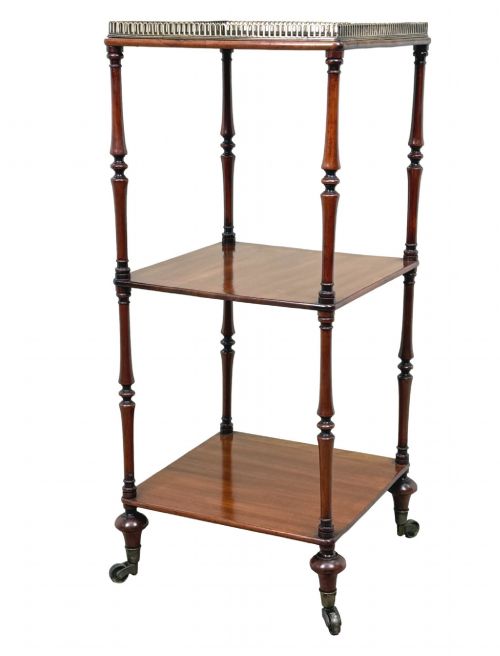
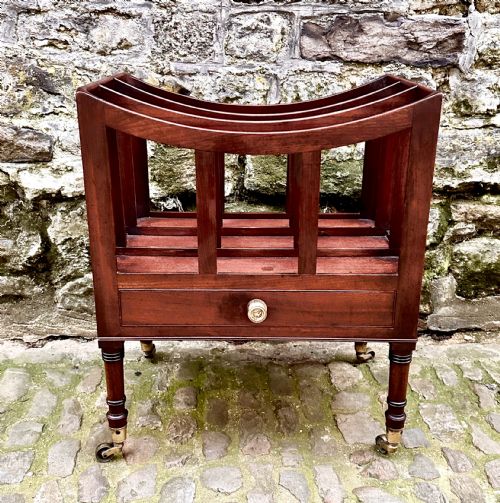
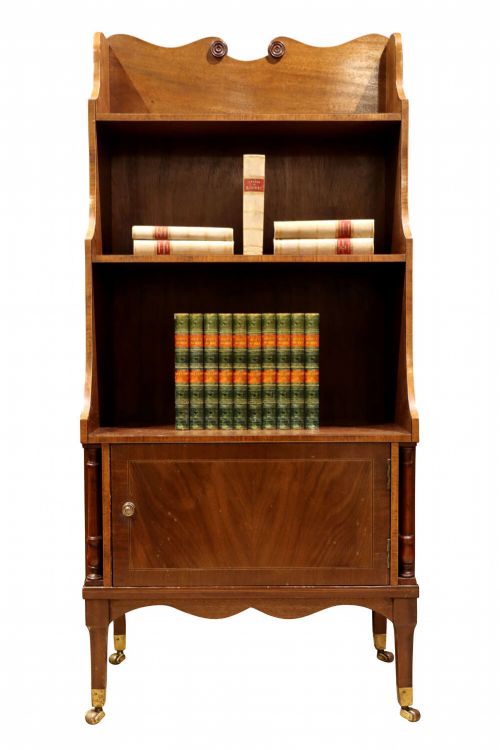
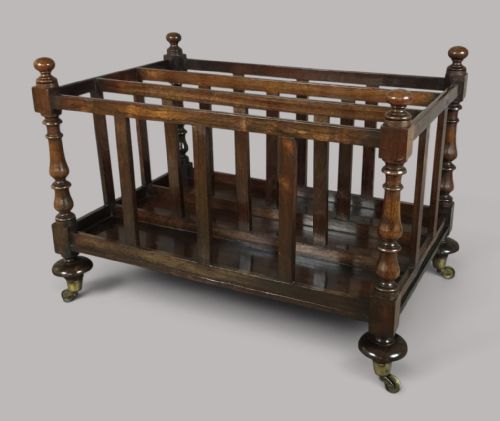
The term antique brass castor stand relates to pieces fitted with small wheel assemblies that allow easy movement across floor surfaces. On this page, buyers primarily encounter canterburys, whatnots, and bookcases equipped with these metal fittings.
The selection ranges across Georgian, Regency, and Victorian periods, showcasing woods like mahogany, rosewood, and birdseye maple alongside multi-tiered storage forms.
Materials and construction methods
Cabinet makers utilised dense hardwoods such as mahogany and rosewood, often incorporating fine veneers like birdseye maple or decorative inlay work.
Metal castors, cast or turned in brass, were secured to the base of legs or sabre supports to facilitate smooth mobility.
Antique Brass Castor Stand Retail Price Guide 2026
Typical asking prices for brass castor stand among the pieces listed under this phrase on Sellingantiques today, from the lower quarter to the upper quarter. They describe what is for sale here now, not the wider market.
Country house proportions meant some stands were built oversized to handle the daily weight of broadsheet newspapers.
Distinctions in quality
Quality rests on the crispness of the timber carving, the choice of figured veneers, and the harmonious integration of the brass hardware with the wooden frame.
Finer examples demonstrate careful proportioning across multi-division magazine racks, étagères, and small bookcases.
Gillows of Lancaster·J.C.Loudon
The Antique Brass Castor Stand Glossary
- Canterbury
- A low wooden stand with vertical divisions used for holding sheets of music, newspapers, or magazines. Most examples feature small brass wheels for mobility.
- Whatnot
- An open set of shelves used for displaying ornaments or holding books. These items frequently stand on slender legs with brass castors.
- Étagère
- A piece of furniture consisting of a set of open shelves for displaying small objects. The form often overlaps with the functional layout of a whatnot.
- Sabot
- A metal shoe or socket fitted to the foot of a piece of furniture. They commonly appear in brass on Regency period supports.
- Birdseye maple
- A decorative timber figured with small circular patterns resembling bird's eyes. It provides a striking contrast to darker cabinet woods.
Antique Brass Castor Stand: Frequently Asked Questions
What is a canterbury used for?
A canterbury serves as a compartmentalised rack designed to hold newspapers, magazines, and sheet music near seating areas.
Many incorporate low trays or drawers at the base for smaller writing accessories.
How do you date an antique whatnot?
Dating relies on timber choices, leg profiles, and the joinery style visible beneath the tiers. Regency and Victorian examples show distinct shifts in decorative restraint and wood selection.
The inclusion of specific brass castor designs helps narrow the period of production.
Were brass castors original to these pieces?
Most brass castors on these stands align with the period of manufacture, showing the appropriate wear and fixing methods for the era.
Makers utilised them to ensure heavy multi-tiered furniture could be repositioned without damaging floor surfaces.
What wood is most common?
Mahogany dominates the listings, appearing in both figured and ebonised variants across Georgian and Victorian periods.
Rosewood and birdseye maple also feature frequently in smaller decorative étagères and stands.