

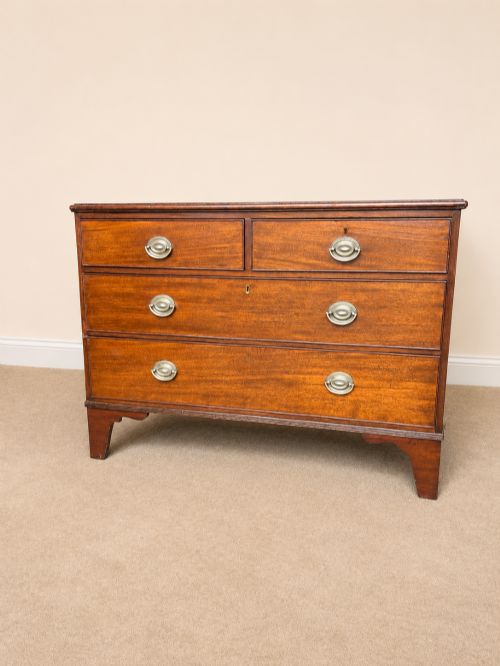
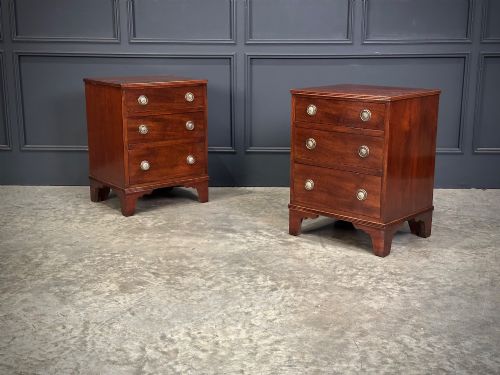
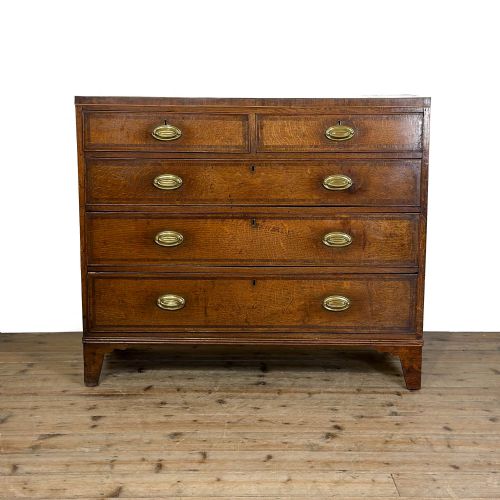
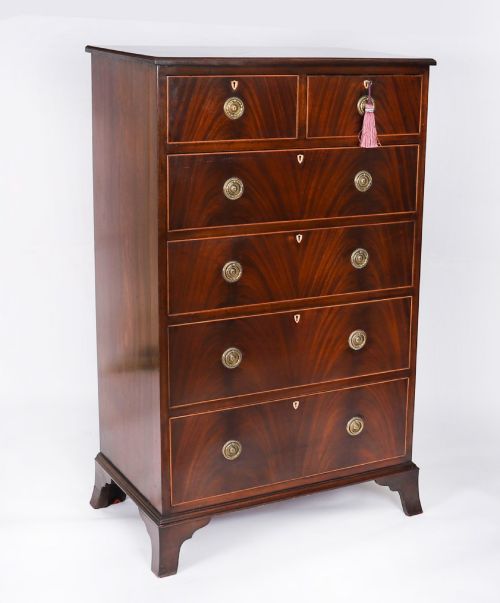
Antique Bracket Feet
These antique bracket feet anchor case furniture like chests of drawers and bureaux, offering structural support and pleasing proportion to Georgian and later pieces.
Antique Bracket Feet
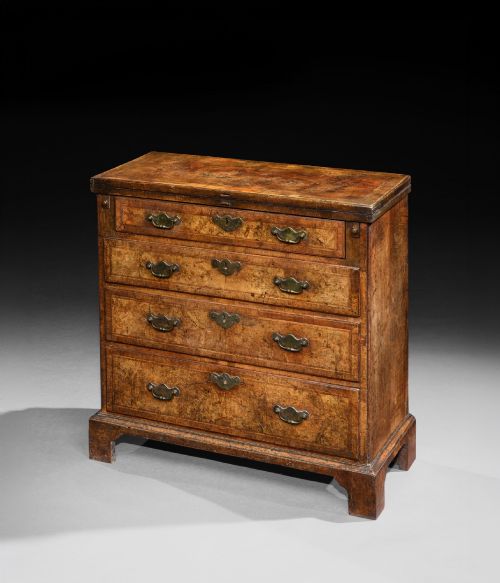
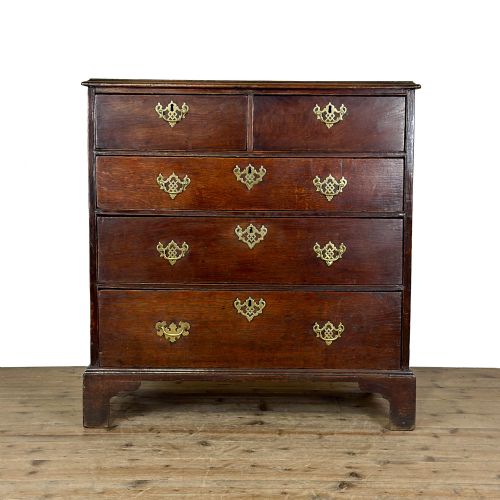
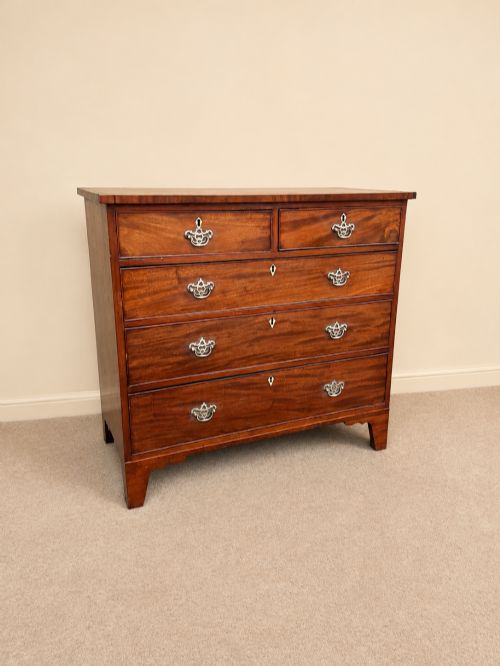
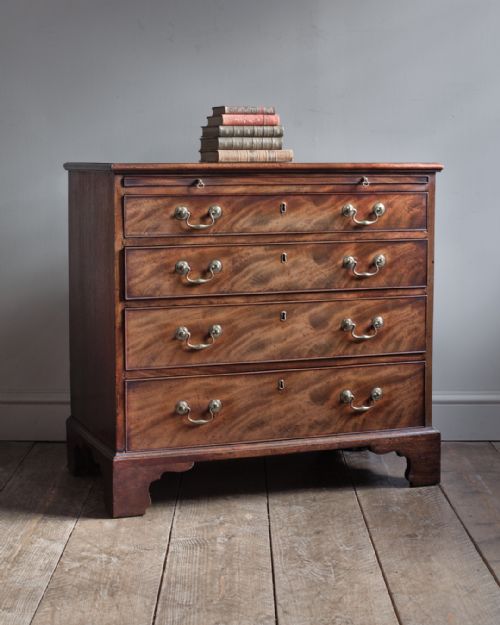
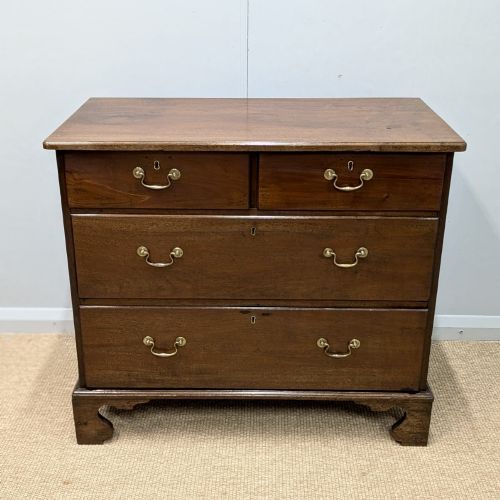
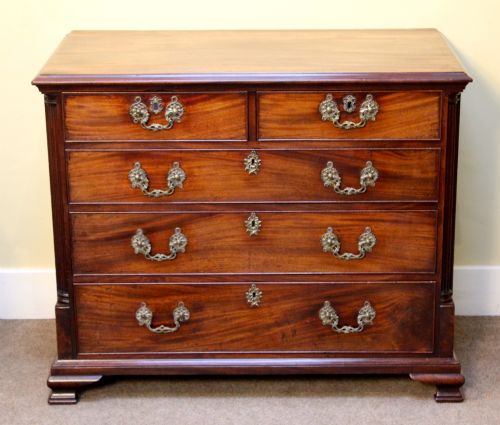
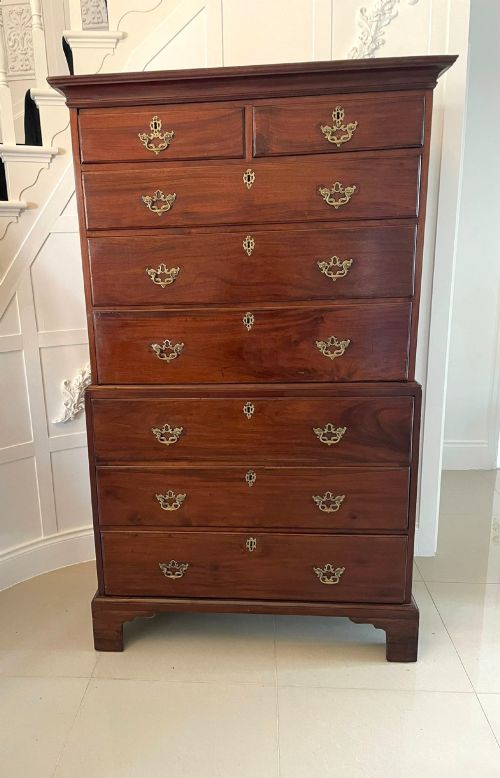
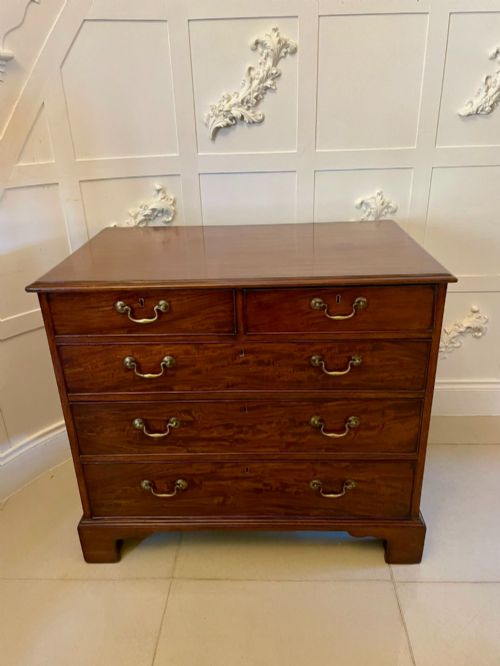
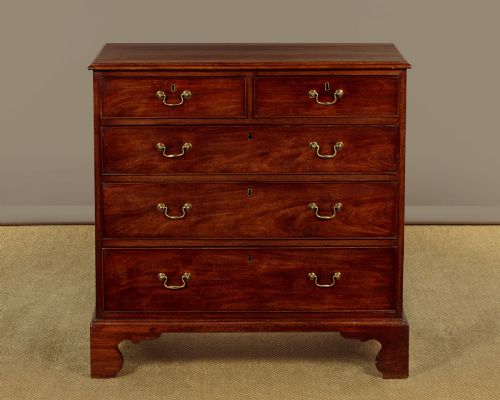
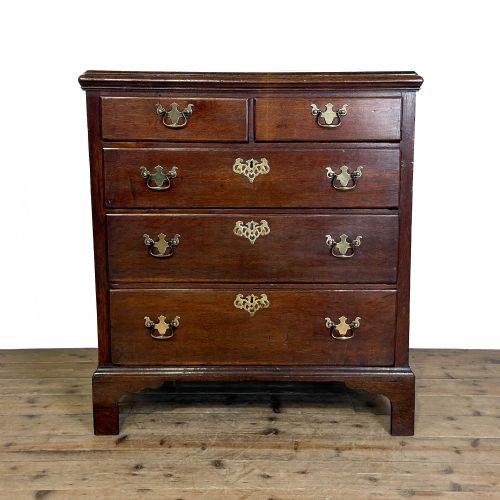
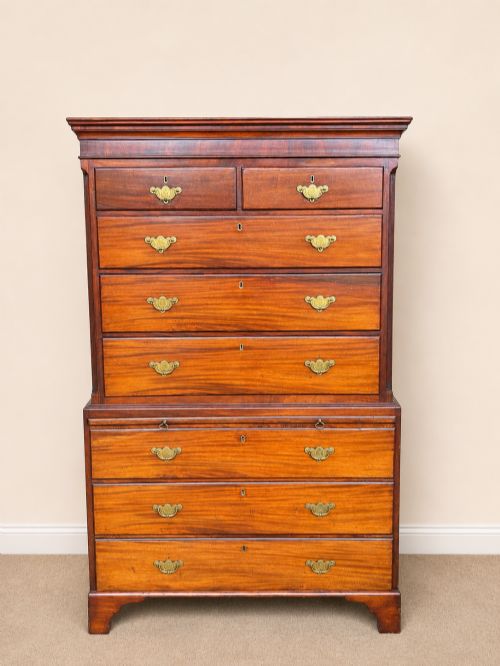
When you search for antique bracket feet, you encounter solid timber case furniture designed to raise storage pieces off the floor while maintaining a stable footprint. The items carrying these feet are predominantly chests of drawers, chests on chest, and bureaux dating from the Georgian period through to the Edwardian era and the early twentieth century.
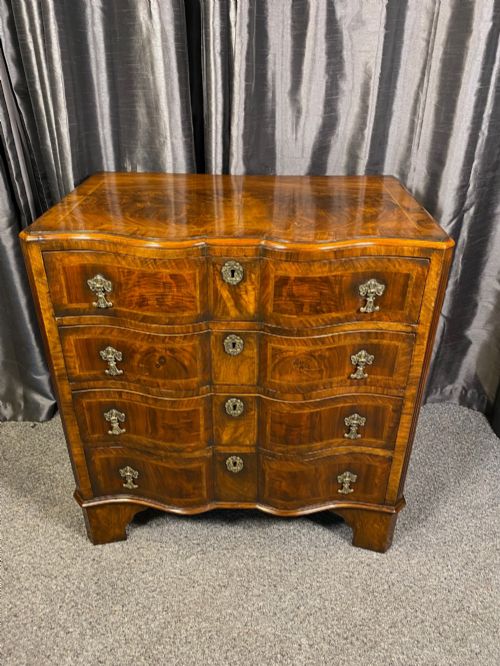
You are most likely to meet mahogany and oak chests of drawers resting on these architectural supports, alongside walnut and burr walnut examples from the earlier eighteenth century. These pieces range from small bachelors chests and diminutive four-drawer models to tall chests on chest and larger cupboards.
The forms span straightforward country elm and oak designs alongside formal George III mahogany and serpentine commodes. Later twentieth-century reproductions built in the Georgian style also appear, carrying the same characteristic corner supports.
Distinctions in quality
The standard of timber figure and surface finish separates standard items from exceptional pieces, particularly in figured walnut and crossbanded veneers. Rich original patina and careful retention of the timber's natural warmth elevate the presence of the entire piece.
Proportion and execution of the corner brackets define the visual success of the foot, distinguishing restrained early forms from later decorative interpretations. Integration with the base moulding demonstrates the skill of the cabinetmaker.
Antique Bracket Feet Retail Price Guide 2026
Typical asking prices for bracket feet among the pieces listed under this phrase on Sellingantiques today, from the lower quarter to the upper quarter. They describe what is for sale here now, not the wider market.
Listings feature eighteenth-century Georgian pieces in mahogany, oak, and walnut alongside Edwardian and 1920s interpretations.
The Antique Bracket Feet Glossary
- Bracket foot
- A corner foot shaped like a bracket, supporting case furniture such as chests of drawers and bureaux. It typically forms an L-shape when viewed from beneath.
- Chest on chest
- A tall storage unit composed of a lower chest supporting a slightly smaller upper chest, often featuring numerous drawers. This form frequently rests on bracket feet.
- Bachelors chest
- A compact drawer unit featuring a pull-out brushing slide above the main drawers. These small writing and storage pieces commonly stand on bracket feet.
- Crossbanding
- A border of veneer laid around the edges of a surface with the grain running perpendicular to the centre. This decorative technique appears on high-quality walnut and mahogany furniture.
- Brushing slide
- A pull-out shelf integrated into the upper section of a chest of drawers or bureau, used for folding clothes or writing.
Antique Bracket Feet: Frequently Asked Questions
What furniture uses bracket feet?
Case furniture such as chests of drawers, bureaux, cupboards, and tall chests on chest frequently rely on bracket feet for support.
These architectural supports lift the main body of the furniture off the floor while maintaining a stable and balanced appearance.
Which periods feature bracket feet?
Bracket feet appear predominantly on Georgian furniture from the eighteenth century, including George I, George II, and George III eras.
They also emerge on later Victorian, Edwardian, and early twentieth-century pieces built in the traditional Georgian style.
What timbers were used?
Cabinetmakers utilised hardwoods such as mahogany, oak, walnut, burr walnut, elm, and satinwood to construct these pieces.
The timber of the feet generally matches the primary wood of the chest or bureau carcass.
How do bachelors chests differ?
Bachelors chests are smaller drawer units that incorporate a pull-out brushing slide beneath the top surface.
These compact items often stand on bracket feet and date primarily from the eighteenth century.