




Antique Boy Oil Artwork
Antique boy oil artwork brings together centuries of portraiture capturing childhood, from formal Georgian oils to informal Victorian studies.
Antique Boy Oil Artwork
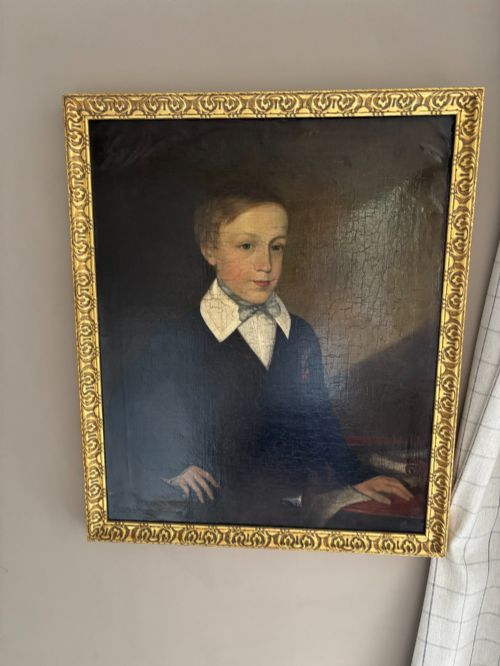
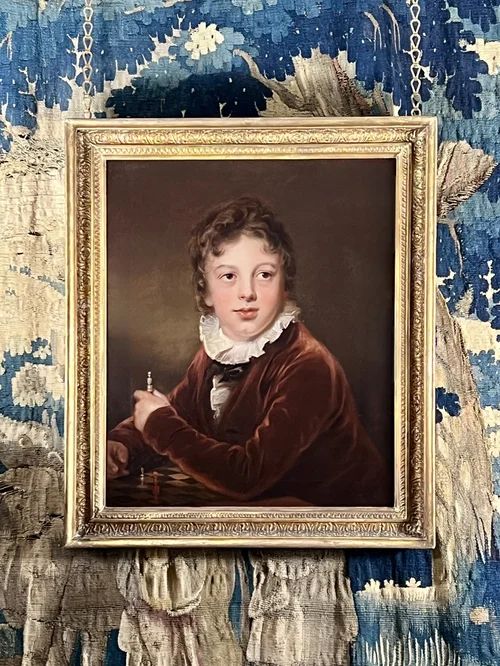
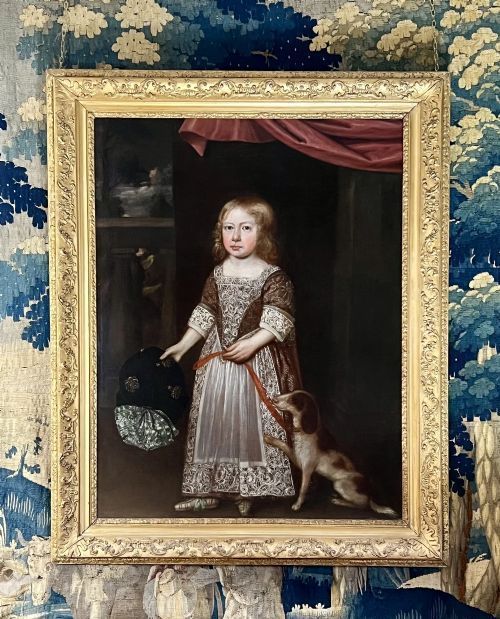
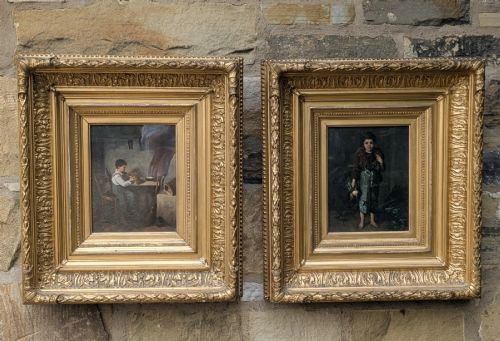
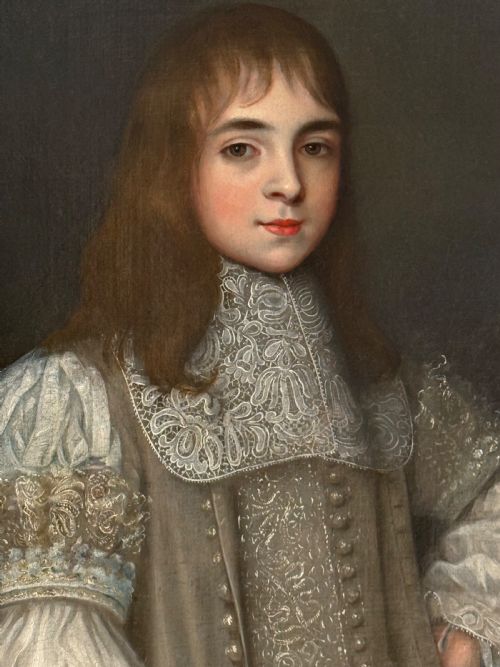
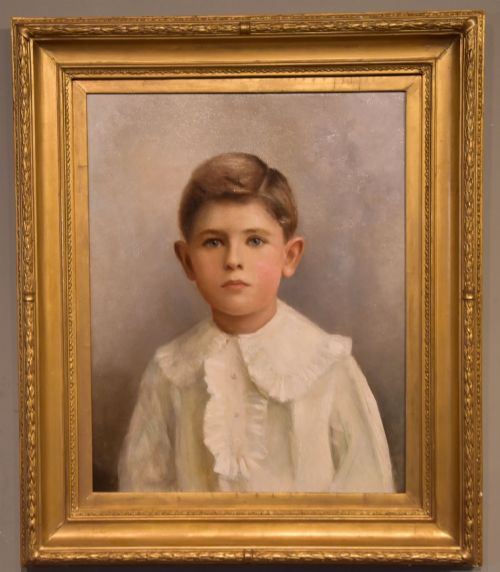
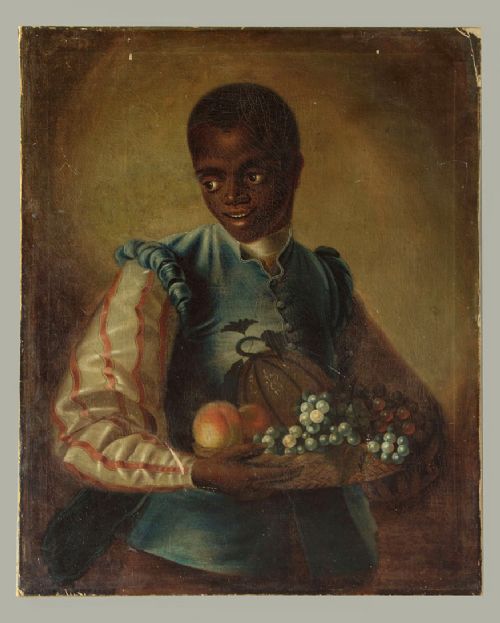
When searching for antique boy oil artwork, buyers encounter portrait paintings spanning the seventeenth century through to the mid-twentieth century. The selection ranges from formal depictions of young gentlemen in elaborate costume to provincial works and impressionist domestic scenes. Portraits of children reflect shifting social attitudes toward youth, education, and family life across different historical eras.
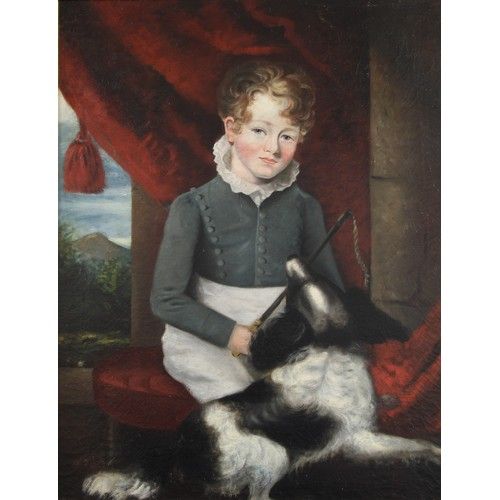
The most common pieces on this page originate from the nineteenth century, including Victorian works, Edwardian canvases, and Regency examples. These frequently depict subjects engaged in everyday activities, rural pursuits, or holding pets and toys, executed by both named artists and anonymous regional schools.
Materials and methods
Techniques range from the refined brushwork of the British and European academic schools to looser impressionist applications and naive regional methods. Pigments were mixed by hand using oil binders, building up layers from dark grounds to lighter highlights to create depth in flesh tones and textiles.
Antique Boy Oil Artwork Retail Price Guide 2026
Typical asking prices for boy oil artwork among the pieces listed under this phrase on Sellingantiques today, from the lower quarter to the upper quarter. They describe what is for sale here now, not the wider market.
Listings feature works spanning the eighteenth, nineteenth, and twentieth centuries, executed in oil on canvas.
Qualities of the work
Quality in these portraits rests upon the artist's ability to render facial expression, hands, and fabric with anatomical conviction and psychological depth. Superior pieces demonstrate subtle handling of light across skin and clothing, moving beyond formulaic studio production to capture individual character.
The preservation of the original paint layer and canvas tension also distinguishes finer examples. Works that retain their untouched surface texture, clear varnish without excessive darkening, and period-appropriate framing offer greater visual integrity.
Margaret Sarah Carpenter·John Michael Wright·Henry Windsor Fry·John Arthur Lomax·Septimus Scott·Luca Postiglione·Paul Jones·William Tate·Joseph Wright of Derby·Louis Leopold Boilly·Herbert Butler·Robert Macaulay Stevenson·Enoch Seeman·Philip Mercier·Frank Owen Salisbury·Robert Byng·John Russell·John Verelst
The Antique Boy Oil Artwork Glossary
- Oil on Canvas
- Pigment mixed with drying oil applied to a woven fabric support stretched over a wooden frame. This medium allowed artists to blend colours smoothly and work over longer periods than water-based alternatives.
- Giltwood
- Wood carved and coated with gold leaf or metallic powder. It was commonly utilised for ornate picture frames during the Baroque, Georgian, and Regency periods.
- Gesso
- A plaster-like mixture used as a base layer on wooden frames before gilding. It provides a smooth surface for carving intricate decorative motifs.
- Attributed to
- A term applied when a painting shows the style of a specific artist but lacks definitive documentation or signature. It indicates strong stylistic similarities to a known hand.
- Provincial School
- Art created outside major metropolitan cultural centres, often by regional practitioners. These works typically display a direct, unpretentious approach to portraiture.
Antique Boy Oil Artwork: Frequently Asked Questions
How do I date an oil portrait of a boy?
Dating relies primarily on the subject's clothing, hairstyle, and the construction of the canvas and stretcher frame. Portrait sitters wore attire specific to their decade, from elaborate seventeenth-century lace collars to Victorian sailor suits and Edwardian tailoring.
Secondary clues include the type of canvas weave, nails used to secure the fabric, and the style of the accompanying frame. Pigment analysis and stretcher marks also help narrow down the period of creation.
What is an English school painting?
An English school attribution indicates that a work was produced by an artist working in England whose specific identity is unknown. These paintings reflect the prevailing academic styles and regional techniques of British art during a particular century.
Such works often provide insight into domestic portrait traditions outside the circle of major court painters. They range from naive provincial canvases to highly competent academic studies.
How should I care for an antique oil painting?
Antique oil paintings require stable environmental conditions away from direct sunlight, high humidity, and rapid temperature fluctuations. Exposure to direct heat can dry out canvas fibres and cause the paint layer to crack or flake.
Dust should be removed gently from the surface using a soft, dry brush without applying pressure. Professional conservators should handle any cleaning, varnishing, or canvas repairs.
What does after an artist mean?
The term after preceding an artist's name indicates that the painting is a later copy or a studied variation of an original work by that master. Artists frequently copied famous compositions as part of their training or to meet client demand for popular imagery.
These secondary versions often reveal the technical capabilities of a different generation or school. They offer a way to own a composition linked to a significant historical painter.