



Antique Boxwood Figure
An antique boxwood figure brings incredible miniature detail and warm patina into a room, carved from dense timber by master hands.
Antique Boxwood Figure
An antique boxwood figure encompasses intricate carvings created across various centuries and continents, ranging from Asian deities to European devotional sculpture. Buyers seeking an antique boxwood figure will encounter a diverse selection of netsuke, okimono, and religious statuary carved with remarkable precision.
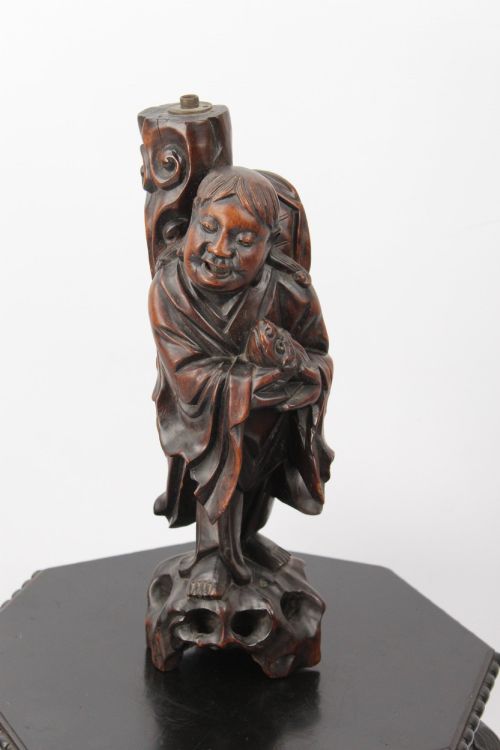
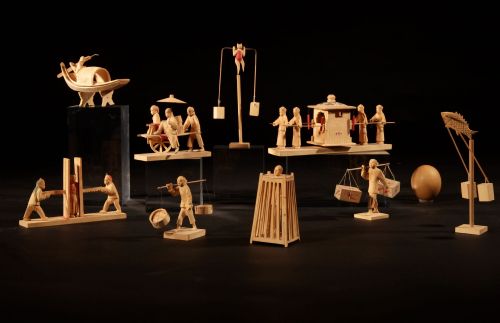
The objects on this page originate from distinct cultural traditions, including Chinese Qing dynasty pieces and Japanese Meiji period works. Examples frequently depict traditional figures such as sages, gods of wealth, and mythical animals.
European workshops are also represented through items like German Baroque carvings and devotional corpus Christi figures. These pieces showcase the versatility of boxwood as a medium for both miniature toggles and larger sculptural works.
Materials and carving techniques
The primary material across these listings is boxwood, a dense and pale hardwood chosen by carvers for its fine, even grain that accepts microscopic detail without splintering. Master artisans utilised sharp gouges and knives to shape the timber, often combining the wood with ivory or mounting the sculptures on turned wood bases.
Certain pieces incorporate contrasting materials such as brass fittings or metal elements to accent the primary carved composition. The natural warmth of the hardwood is preserved through handling and minimal finishing, allowing the timber to darken gracefully over decades.
Antique Boxwood Figure Retail Price Guide 2026
Typical asking prices for boxwood figure among the pieces listed under this phrase on Sellingantiques today, from the lower quarter to the upper quarter. They describe what is for sale here now, not the wider market.
Listings feature items spanning the seventeenth through the early twentieth centuries, encompassing European Baroque and Asian traditional styles.
Distinguishing quality in carvings
Quality in these carvings rests upon the anatomical precision and expressiveness achieved by the carver. Superior examples demonstrate a careful command of posture, texture in drapery or hair, and a fluid integration of the natural grain.
Signed works by known makers command attention due to the crispness of the undercutting and the vitality given to facial expressions. Lesser pieces may display stiffer postures and a more routine treatment of surface details.
Tomochika·Simon Troger·Masayuki
The Antique Boxwood Figure Glossary
- Boxwood
- A dense, pale hardwood prized by carvers for its uniform grain and ability to hold extremely fine detail. It develops a rich, warm patina through handling over many years.
- Okimono
- A Japanese display object designed for placement on a shelf or in a traditional alcove rather than for practical wear. These decorative figures range from humorous subjects to revered deities.
- Foo Dog
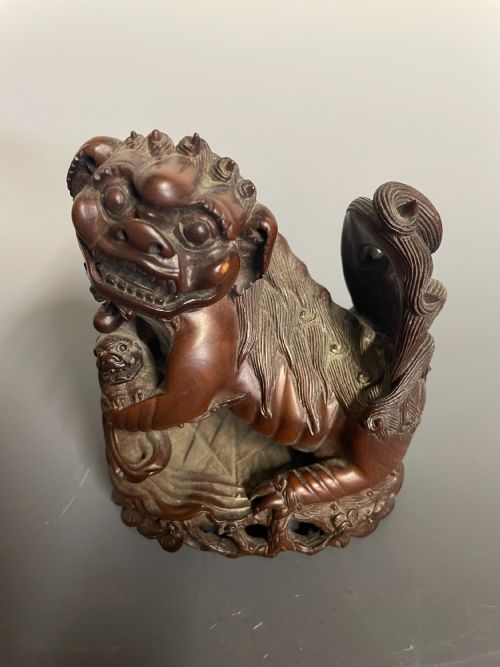
- A traditional guardian lion depicted in Chinese art to ward off evil spirits and protect sacred spaces. Sculptors render these mythical beasts with curling mannes and energetic postures.
- Corpus Christi
- A representation of the body of Jesus on the cross, frequently carved in boxwood as part of European religious sculpture. These pieces focus on solemn devotional expression and anatomical study.
Antique Boxwood Figure: Frequently Asked Questions
What is a netsuke?
A netsuke is a small carved toggle used in traditional Japanese dress to secure small containers hung from a sash. Carvers used dense boxwood to create intricate miniature forms that could withstand daily wear.
Over time, these functional objects became sought-after miniature sculptures appreciated for their wit, narrative detail, and tactile finish.
How do I care for boxwood?
Boxwood requires stable indoor humidity and protection from direct sunlight to prevent the timber from splitting or drying out. Gentle dusting with a soft dry brush is sufficient for maintenance.
Avoid applying modern polishes or oils to the surface, as the wood naturally improves its warm golden patina through exposure to the air.
How do I identify a Meiji period piece?
Japanese Meiji period carvings often display exceptional naturalism, deep undercutting, and dynamic subjects drawn from folklore or daily life. Many pieces from this era bear artist signatures carved directly into the base or underside.
The skill of the carver reached remarkable heights during this period, marked by a lively expression in both human figures and animals.
Where were these figures displayed?
European devotional figures and Chinese altar sculptures were placed in domestic shrines or private rooms for contemplation and prayer. Desk accessories and decorative carvings were kept in studies and reception rooms.
Collectors today place them on desks, open shelving, or dedicated display cabinets where the miniature details can be easily examined up close.