



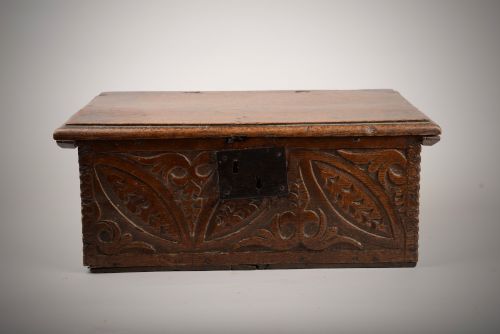
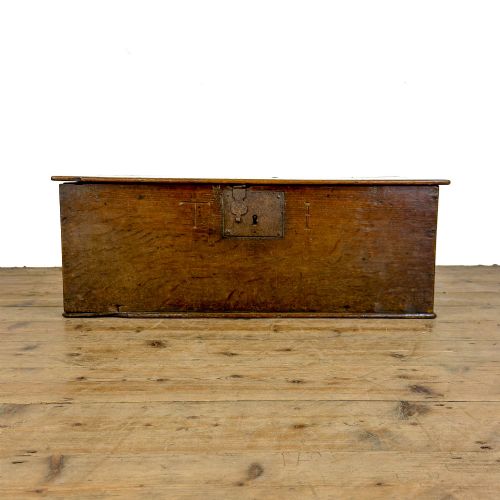
Antique Box with Lock
An antique box with lock is a secure receptacle designed to safeguard valuables, letters, and provisions, ranging from small writing slopes to substantial iron-banded chests.
Antique Box with Lock
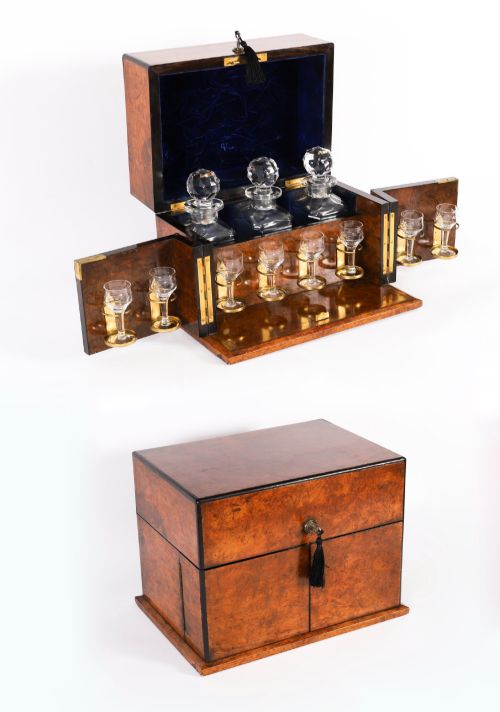
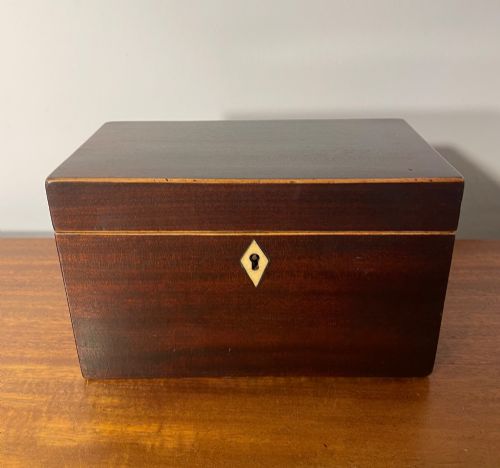
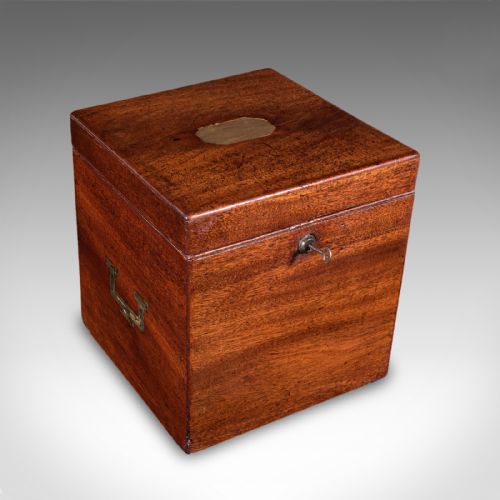
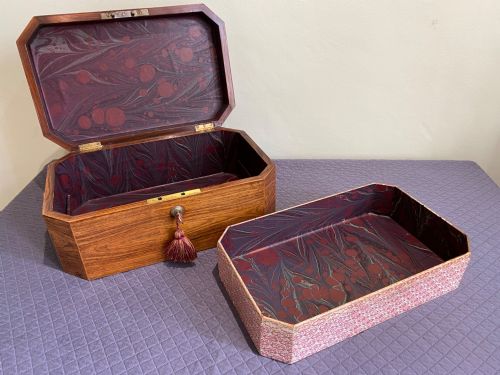
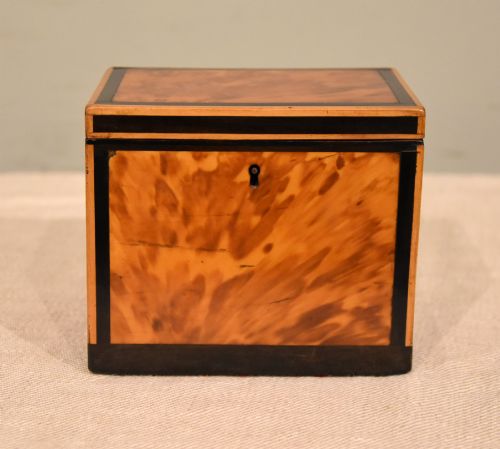
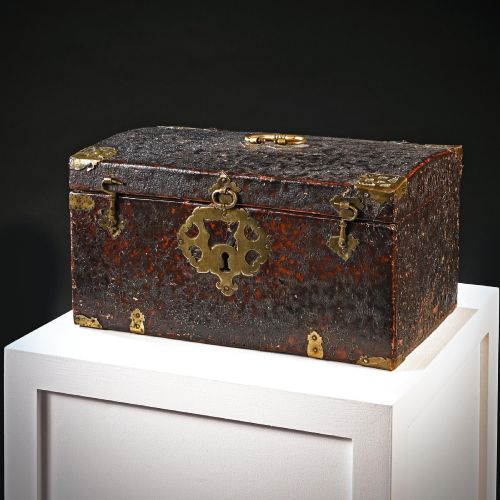
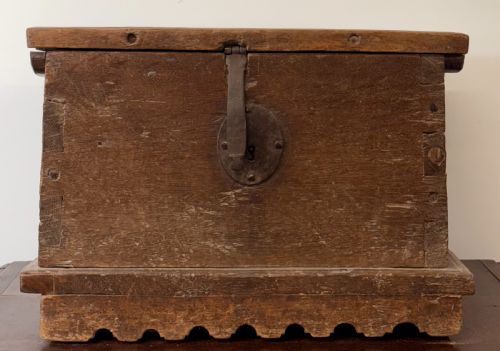
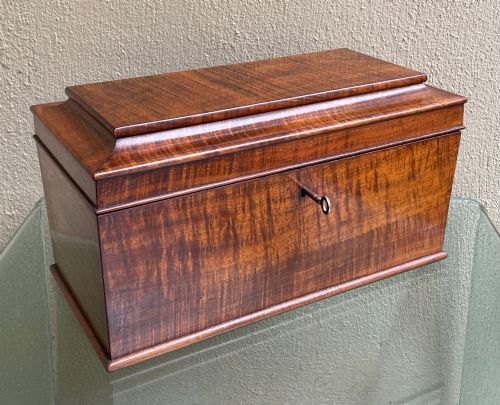
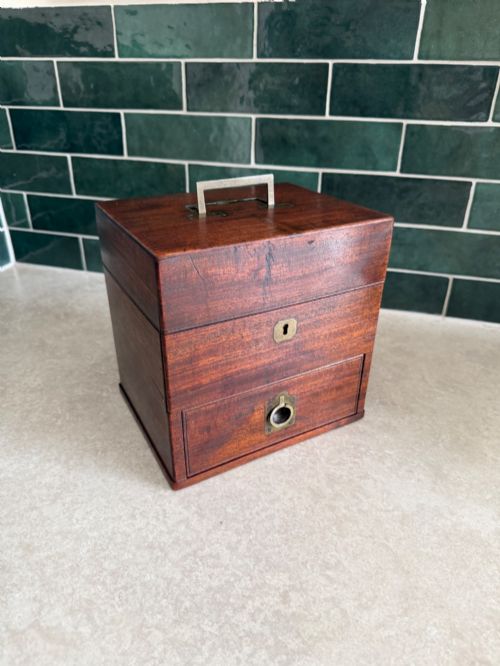
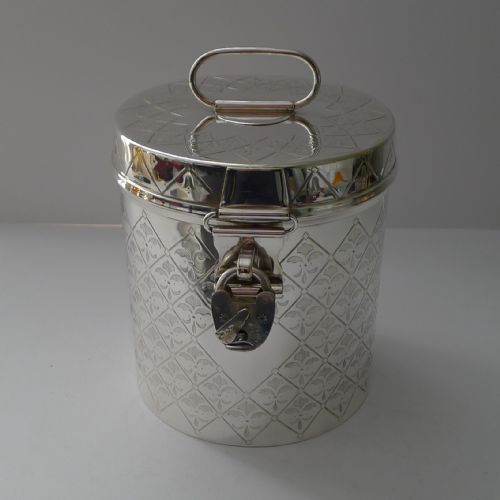
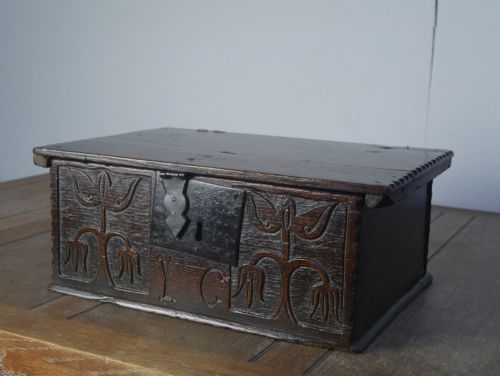
When you search for an antique box with lock, you encounter a diverse assortment of utilitarian and decorative containers spanning several centuries. The pieces on this page include writing slopes, tea caddies, Bible boxes, cigar humidors, and blanket chests equipped with working locking mechanisms.
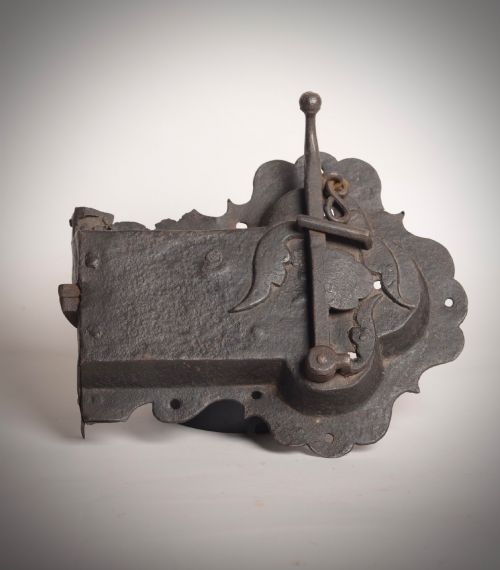
The material palette is anchored by traditional timbers such as oak, mahogany, walnut, and rosewood, alongside robust metals including iron, brass, and steel. Early examples from the seventeenth and eighteenth centuries often feature heavy oak construction with complex steel locks, whereas nineteenth-century pieces frequently display luxury veneers like burr walnut and rosewood fitted with sophisticated Bramah mechanisms.
Materials and construction methods
Makers utilised solid native and exotic hardwoods alongside structural pine, joining panels with dovetails or pegged mortise and tenon joints. Surfaces were frequently decorated with intricate marquetry, mother of pearl inlay, leather bindings, or painted Moorish motifs.
Hardware was integral to the construction, featuring hand-forged iron bands, brass escutcheons, and complex internal locking systems that required specialised keys.
Antique Box with Lock Retail Price Guide 2026
Typical asking prices for box with lock among the pieces listed under this phrase on Sellingantiques today, from the lower quarter to the upper quarter. They describe what is for sale here now, not the wider market.
Assessing craftsmanship and condition
Quality in these containers is dictated by the integrity of the timber, the precision of the joinery, and the sophistication of the locking mechanism. Superior examples retain original keys and complex working locks, such as those by Bramah or custom steel assemblies.
Decoration also distinguishes the range, moving from plain utilitarian pine trunks and Bible boxes to elaborately carved Charles II surfaces, figured walnut writing slopes, and brass-bound presentations.
Milners Safe·GEORGE PRICE
The Antique Box with Lock Glossary
- Writing slope
- A portable slant-topped desk designed for correspondence, featuring internal compartments, secret drawers, and a secure lock.
- Bramah lock
- A high-security patented cylindrical lock invented by Joseph Bramah in the late eighteenth century, frequently found on luxury nineteenth-century boxes.
- Tea caddy
- A small container designed to store tea leaves safely under lock and key when tea was an expensive commodity.
- Bible box
- A compact seventeenth or eighteenth-century desk box used originally to hold family scriptures and personal documents.
- Escutcheon
- A decorative brass or iron plate surrounding the keyhole that protects the surrounding wood from wear.
Antique Box with Lock: Frequently Asked Questions
What were antique boxes with locks used for?
These receptacles served secure domestic and professional functions, storing everything from precious tea leaves and family Bibles to personal correspondence, jewellery, and legal documents.
The inclusion of a functional lock reflected the high value placed on personal possessions and consumables during centuries past.
How do I identify a 17th century box?
Seventeenth-century examples typically feature heavy solid oak construction, hand-carved panels, and exposed iron or steel locking mechanisms rather than concealed luxury veneers.
They often take the form of Bible boxes, table boxes, or simple coffers displaying pegged joinery and minimal exterior adornment.
What is a Bramah lock?
A Bramah lock is a high-security locking mechanism utilising a cylindrical key and sliding notches, commonly fitted to superior nineteenth-century writing slopes and jewellery boxes.
Its presence generally indicates a piece intended for valuable contents and high-status owners.
How should I care for a wooden box with a lock?
Maintain the wood with appropriate traditional wax polish to preserve the finish, avoiding excessive moisture or direct sunlight that might warp historic timbers.
Take care when operating original mechanisms and keys to prevent damage to internal brass or steel components.