



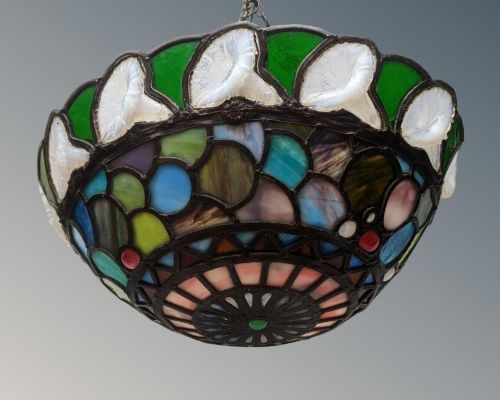

Antique Bowl Light
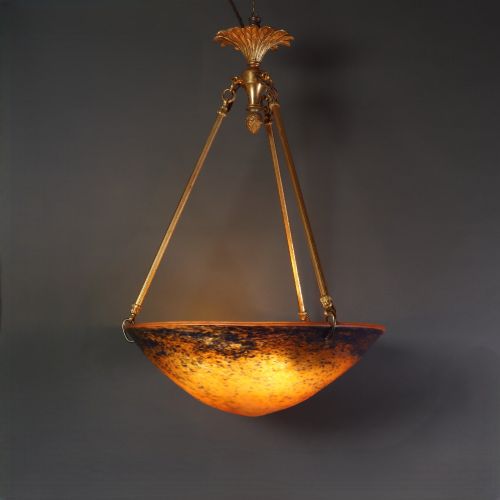
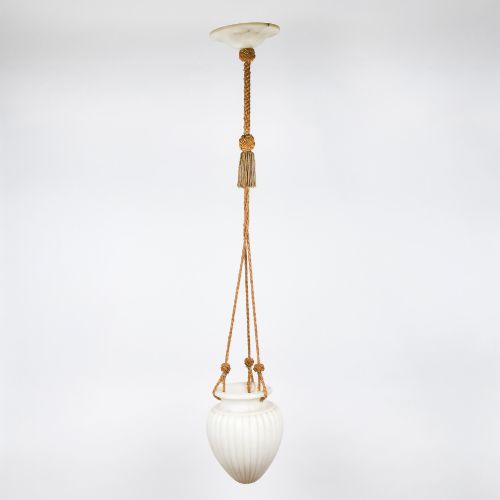
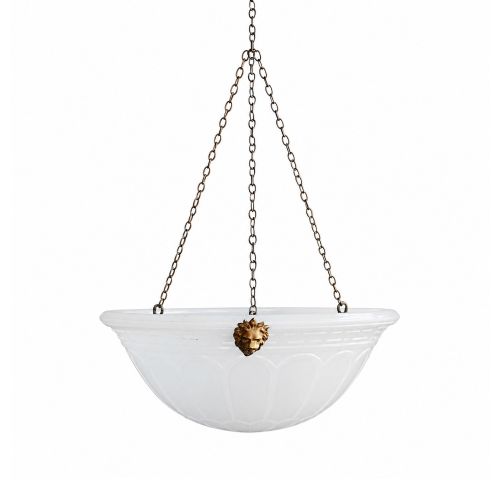
An antique bowl light illuminates a room from above, casting soft, diffused illumination through carved alabaster or pressed glass.
Antique Bowl Light
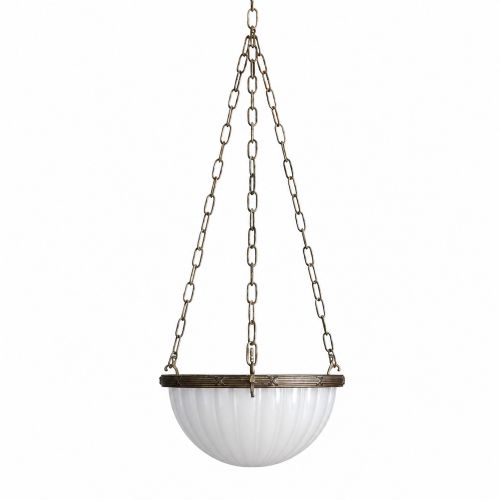
An antique bowl light comprises hanging lamps, plafonniers, and suspended dish shades designed to mount close to the ceiling or hang on cords and chains. The form emerged strongly during the Victorian and Edwardian periods, evolving into the geometric lines of Art Deco.
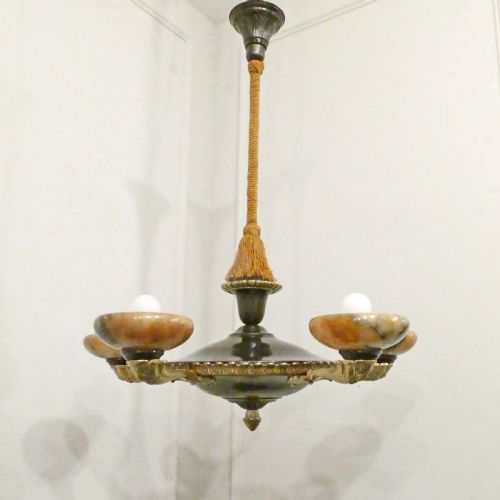
Buyers will encounter various incarnations, from English moonstone pendants and opaline dishes to heavy alabaster bowls sourced from Sweden and beyond. These fixtures serve primarily as central overhead illumination for hallways, reception rooms, and dining spaces.
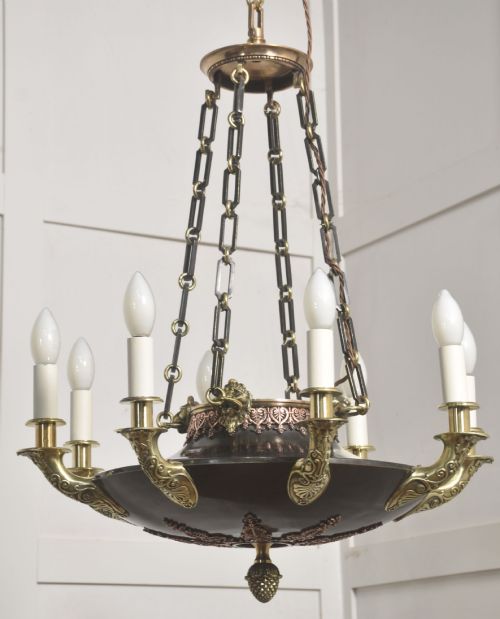
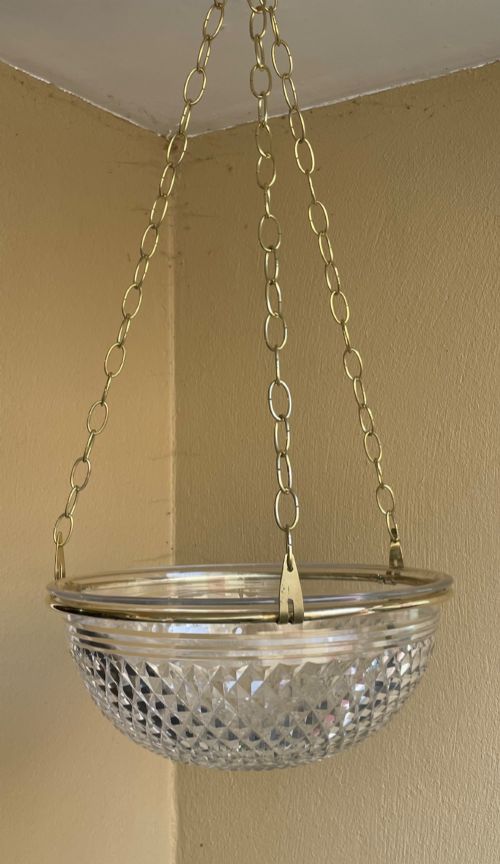
The materials span from cut crystal and pressed satin glass to bronze frames and brass fittings. Many examples integrate decorative metalwork, such as copper mounts or rams head motifs, supporting the glass or stone bowls.
How they were made
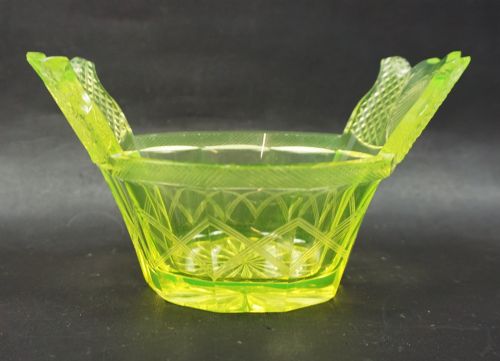
Glassmakers utilised specialised moulding, cutting, and pressing techniques to shape heavy bowls, utilising opalescent, moonstone, and uranium glass. Molten batches were blown or pressed into metal or wooden moulds, then cooled and hand-finished by skilled artisans.
Metalworkers combined cast bronze, brass, and copper to create suspension chains, frames, and decorative mounts. These components were assembled with hand-cut crystals or fitted directly to carved alabaster bowls using secure mechanical fixings.
Antique Bowl Light Retail Price Guide 2026
Typical asking prices for bowl light among the pieces listed under this phrase on Sellingantiques today, from the lower quarter to the upper quarter. They describe what is for sale here now, not the wider market.
What varies in quality
The distinction between standard production and exceptional work rests on the depth of carving in alabaster pieces and the clarity of the glass in crystal bowls. Maker attribution, such as signed pieces by recognised glasshouses, elevates the standing of an individual fixture.
The integrity of the original metal components, including cast bronze mounts and silver-plated suspension hardware, dictates the overall coherence of the design. Heavier gauges of metal and finer surface chasing indicate superior craftsmanship.
Charles Schneider·René Lalique·Daisy Makeig-Jones·Wedgwood·Verrerie Des Vosge·Jefferson
The Antique Bowl Light Glossary
- Plafonnier
- A ceiling light featuring a shallow bowl or dish mounted close to the ceiling or suspended by short cords. This French term appears frequently in descriptions of early twentieth century lighting.
- Moonstone glass
- A type of semi-translucent white glass that diffuses light evenly without harsh glares. It gained popularity during the early twentieth century for domestic ceiling fixtures.
- Uranium glass
- Glass containing trace amounts of uranium oxide, which glows bright green under ultraviolet light. It was widely used in nineteenth century Bohemian decorative items and lighting components.
- Garniture
- A set of decorative objects designed to be displayed together on a mantelpiece or furniture surface. While primarily ornamental, related forms occasionally share aesthetic traits with matching light bowls.
- Opalescent glass
- Glass that displays milky, iridescent colour variations when lit from within or viewed from different angles. This effect was heavily utilised during the Arts and Crafts and Art Nouveau periods.
Antique Bowl Light: Frequently Asked Questions
How do I hang a heavy alabaster bowl light?
Suspension requires secure ceiling joist fixings and appropriate weight-rated chains or rods. The structural integrity of the ceiling must support the combined mass of the stone and metal hardware.
Professional electrical installation ensures the internal wiring safely carries the required current for modern lamp holders.
What rooms suit an antique bowl light?
Pendant dishes and plafonniers work well in hallways, bedrooms, and reception spaces with moderate ceiling heights. Their enclosed or semi-enclosed bowls provide ambient downward illumination.
Smaller rooms benefit from flush-mounted variations, while larger spaces accommodate multi-light chandeliers and heavy crystal bowls.
How do I clean antique glass shades?
Remove the glass bowl from its metal frame where possible to prevent accidental damage during washing. Use lukewarm water and mild soap, avoiding harsh abrasives that might harm frosted or gilded surfaces.
Dry the glass thoroughly before reattaching it to the suspension hardware to prevent water spots and corrosion on old metal fittings.
How do I date an antique bowl light?
Stylistic indicators such as geometric Art Deco motifs, organic Art Nouveau curves, or heavy Victorian brass work provide initial chronological markers. Examining the manufacturing techniques of the glass and the composition of the metal cords offers further clues.
Signatures or moulded marks on the rim of the glass bowl often point to specific makers active during the early twentieth century.