



Antique Boudoir Desk
An antique boudoir desk represents a private writing surface designed for intimate correspondence, bringing refined proportions and period elegance into a dressing room or bedroom.
Antique Boudoir Desk
When searching for an antique boudoir desk, a buyer encounters domestic furniture from the nineteenth century alongside pieces carrying Georgian design influences.
The selection ranges from compact writing tables to bureau mirrors intended for dressing tables, reflecting personal writing habits of earlier decades.
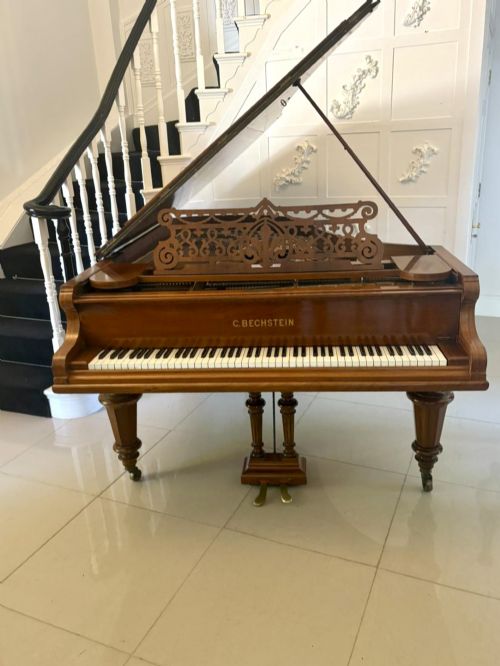
Makers utilised woods such as rosewood for larger chamber instruments like boudoir grand pianos, while smaller writing furniture adapted to restricted residential spaces.
Materials and Technique
Construction relies on traditional timber framing, with rosewood providing dense, richly grained surfaces for fine cabinet work.
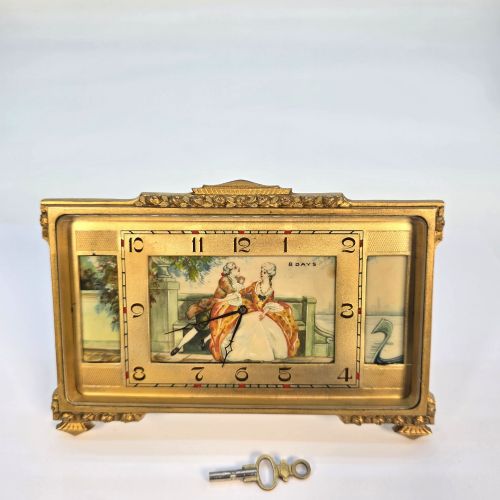
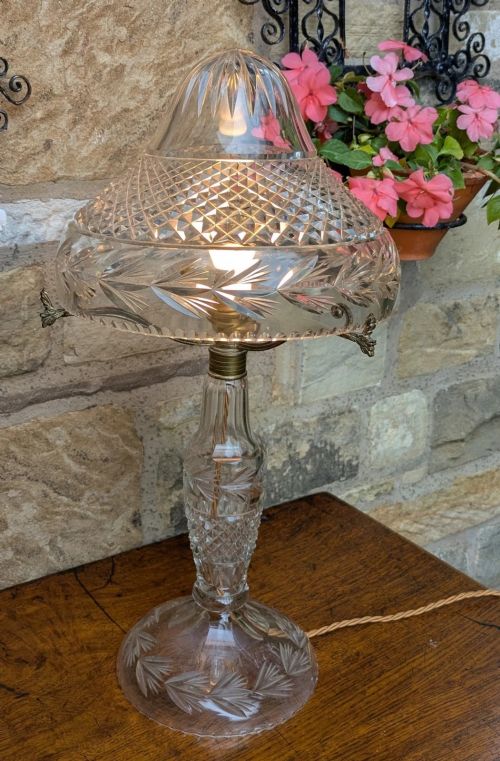
Metal mounts in brass, gilt or ormolu adorn associated chamber objects, while glass and porcelain appear in complementary lighting and timepiece components.
Enamel work, including guilloche and champlevé techniques, decorates smaller portable pieces alongside cast and pressed brass elements.
Antique Boudoir Desk Retail Price Guide 2026
Typical asking prices for boudoir desk among the pieces listed under this phrase on Sellingantiques today, from the lower quarter to the upper quarter. They describe what is for sale here now, not the wider market.
Several travel clocks carry hurried inscriptions from sporting newspaper editors who gave them away as prizes.
Evaluation of Quality
The distinction between tiers rests upon the precision of the cabinet work, the weight and finish of metal mounts, and the integrity of the timber.
Subtle details such as hand-chased ornamentation on bronze and silver elements separate standard domestic items from exceptional commissions.
Preservation of original surfaces and matching components dictates the standing of individual examples within the market.
C Bechstein·Georges Leleu·Stuart Crystal·J Batson And Son·William Comyns·Henry Matthews
The Antique Boudoir Desk Glossary
- Ormolu
- Gilded bronze applied to furniture mounts and decorative objects. This technique was widely employed in French and English decorative pieces during the nineteenth century.
- Guilloche
- A decorative engine-turned pattern engraved into metal beneath translucent enamel. It frequently appears on small travel clocks and portable timepieces from the early twentieth century.
- Champlevé
- An enamelling technique where troughs are dug into a metal surface and filled with vitreous paste before firing. The method creates colourful pictorial or geometric designs on brass bodies.
- Rosewood
- A heavy, durable timber featuring dark grain patterns. It was favoured by cabinet makers for high-status nineteenth-century domestic furniture and pianos.
Antique Boudoir Desk: Frequently Asked Questions
What is an antique boudoir desk used for?
These compact writing surfaces served as private spaces for personal correspondence, keeping stationery and small writing implements close at hand in a bedroom or dressing chamber.
Owners utilised them for writing letters, managing household accounts, and recording private journals away from formal reception rooms.
How do I identify the period of a desk?
Dating relies upon examining construction methods, timber choices, and decorative motifs such as brass mounts or marquetry patterns. Georgian and Victorian pieces exhibit distinct joinery and proportion standards compared to later Edwardian examples.
Comparing hardware and secondary woods inside drawers provides further clues regarding manufacture dates.
How do I care for rosewood furniture?
Protect delicate timber surfaces by keeping them away from direct sunlight and maintaining stable room humidity. Dust regularly with a dry, soft cloth rather than applying modern chemical polishes.
Applying occasional specialist wax helps preserve the natural grain and moisture balance of older hardwood pieces.
Where were these small desks placed?
Chamber furniture of this scale fit easily into corners or against bedroom walls where larger library tables would overwhelm the floor plan. They accompanied dressing tables, mirrors, and small seating.
Their mobility allowed servants or owners to reposition them according to natural light sources throughout the day.