

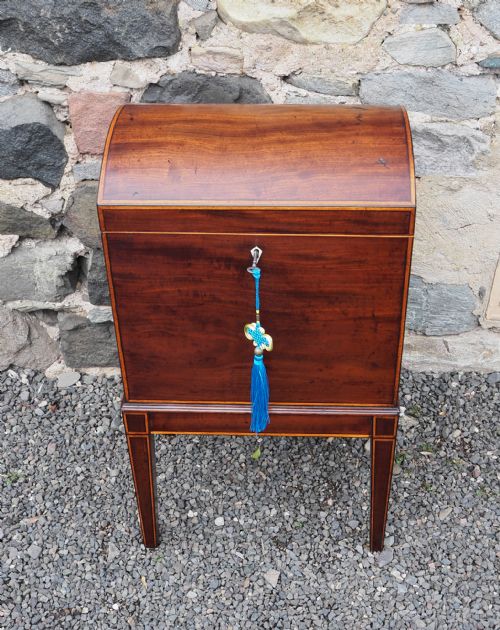


Antique Bottle Casket
An antique bottle casket is a fitted container designed to hold precious glass vessels, built to protect fragrance and spirit decanters with solid craftsmanship.
Antique Bottle Casket
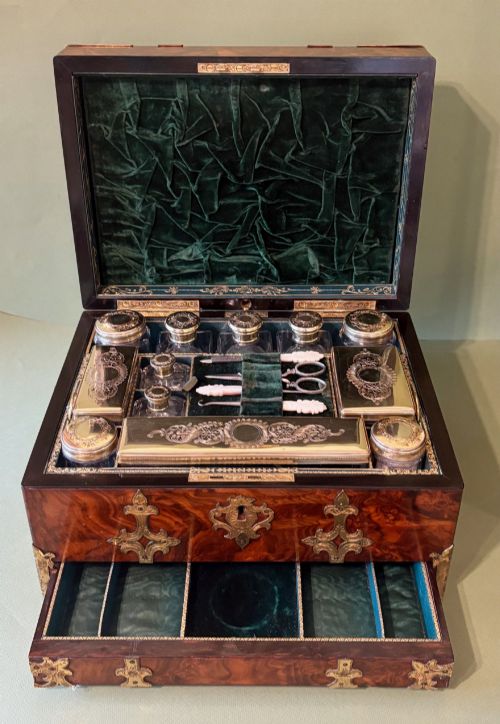
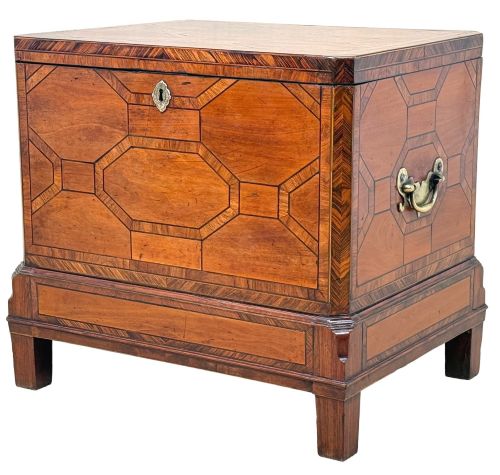
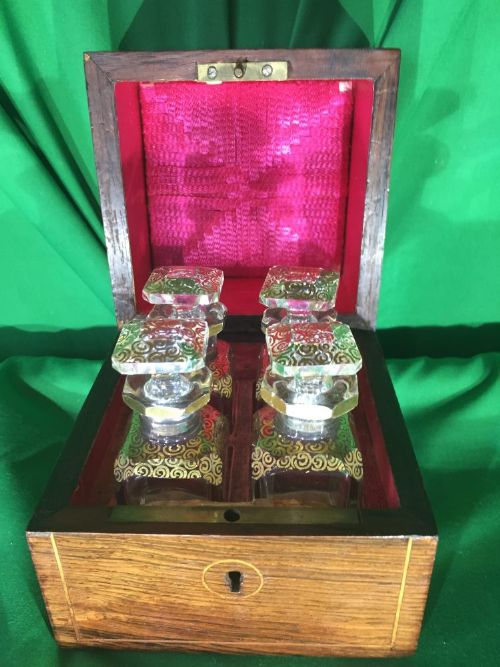
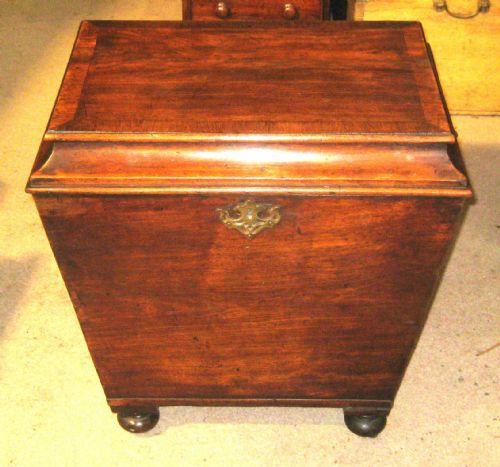
When you search for an antique bottle casket, you encounter a specialised form of luxury container spanning the Georgian, Regency, and Victorian eras. These pieces range from substantial mahogany and oak wine coolers to portable rosewood and coromandel boxes designed to hold glass scent bottles.
The domestic interiors of the eighteenth and nineteenth centuries required secure housing for expensive perfumes and potable spirits. On this page, you are most likely to meet Victorian coromandel scent caskets and mahogany wine boxes equipped with internal dividers and cut glass vessels.
Makers adapted these forms for specific contents, creating scent bottle caskets with velvet and silk linings alongside larger cellarettes for dining rooms. The surviving examples demonstrate the changing social habits of the elite across multiple decades.
Materials and Construction
Cabinetmakers utilised dense timbers such as mahogany, rosewood, coromandel, and satinwood for the primary structure, frequently applying brass mounts and handles for reinforcement. These woods provided the necessary durability for portable vanity cases and heavy cellar boxes alike.
Interiors required delicate textile work, lining the compartments in silk and velvet to cushion the fragile glass decanters and perfume bottles. Master craftsmen incorporated mother-of-pearl inlay, leather embossing, and ormolu mounts to finish the exterior surfaces.
Assessing Quality
The distinction between standard utility boxes and top-tier pieces rests on the choice of timber and the precision of the internal carpentry. Superior examples feature figured woods like burr walnut or kingwood paired with heavy cast brass hardware rather than stamped sheet metal.
Completeness of the original contents dictates the standing of a piece within its category. Caskets retaining their matching set of cut glass bottles or baccarat perfume flasks command greater interest than those adapted with replacement glass.
Gillows of Lancaster·Charles Heathcote Tatham
The Antique Bottle Casket Glossary
- Cellarette
- A lockable container used for storing wine and spirits within the dining room. These large boxes often sit on the floor or on dedicated stands.
- Sarcophagus
- A distinct burial-inspired style of box characterised by a domed or steep-sided lid resting on a rectangular base. This form appeared frequently in Georgian and Regency wine coolers.
- Ormolu
- Gilded bronze mounts applied to furniture and boxes for decorative accent during the nineteenth century. The technique added metallic contrast to dark woods.
- Tantalus
- A locking security frame holding decanters visible but inaccessible without a key. This mechanism prevented unauthorised sampling of expensive spirits.
- Baccarat
- A French manufacturer of fine crystal glassware. Their heavy, cut bottles often appear inside nineteenth-century perfume caskets.
Antique Bottle Casket: Frequently Asked Questions
What is an antique bottle casket?
An antique bottle casket is a luxury container specifically compartmentalised to hold glass scent bottles, perfume flasks, or wine decanters securely. They were designed to protect fragile glassware during travel or display it safely within domestic rooms.
These pieces span the Georgian, Regency, and Victorian periods, reflecting the shifting domestic habits of the wealthy. They combine fine cabinet woods with precise interior fittings.
How were wine coolers used?
Wine coolers and cellarettes served to hold bottles near the dining table before service, maintaining temperature or simply providing accessible storage. They ranged from large floor-standing oak chests to smaller mahogany boxes placed on sideboards.
Many incorporated lead linings or internal dividers to separate individual bottles. Their lockable lids kept expensive vintages secure from household staff.
What woods are common in these boxes?
Cabinetmakers relied on dense tropical and European hardwoods such as mahogany, rosewood, and coromandel for the primary box construction. Satinwood, kingwood, and burr walnut provided decorative veneer contrasts.
These timbers offered the structural stability required for heavy glass contents and frequent movement. Brass bindings often reinforced the corners and edges.
How do I date a scent casket?
Dating relies on combining the timber choice, hardware style, and the manufacturing method of the internal glass bottles. Georgian pieces favour mahogany and simple geometric lines, while Victorian examples often utilise coromandel, ormolu, and complex lock mechanisms.
Interior textiles like silk and velvet also provide stylistic clues characteristic of specific decades. Maker marks on locks or brassware can further narrow the timeline.
Are the glass bottles usually original?
Many caskets retain their matching set of cut glass bottles or perfume flasks, though some replacement over the centuries is common. Original bottles fit the internal wooden compartments precisely without excess movement.
Examining the base wear and the cut of the glass helps determine if the vessels belong to the box. Matched sets with matching stoppers represent the best survival.