




Antique Book Rest Desk
These antique book rest desk options offer a sturdy surface for holding heavy volumes and steadying texts during daily study or library work.
Antique Book Rest Desk
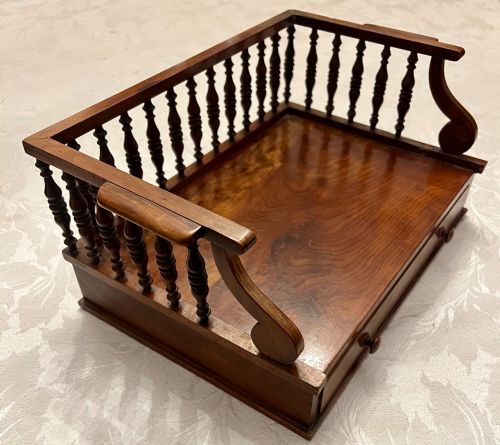
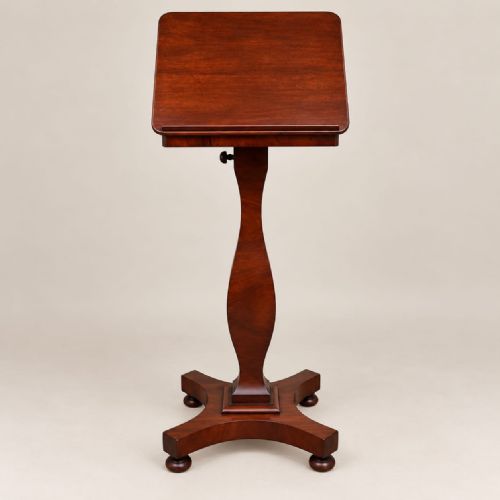
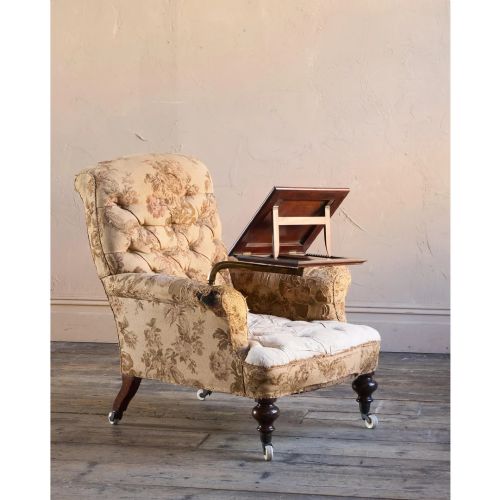
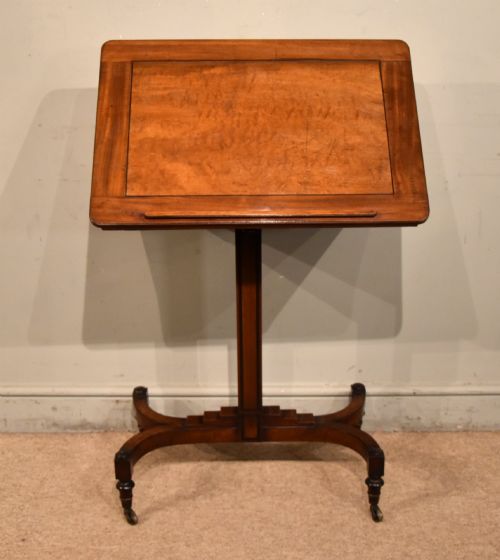
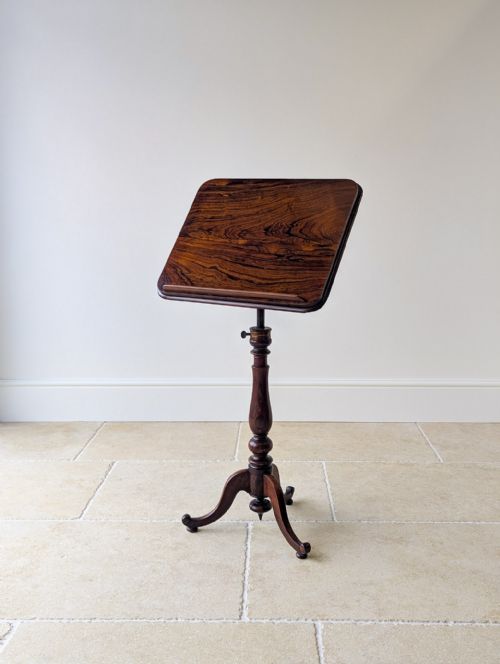
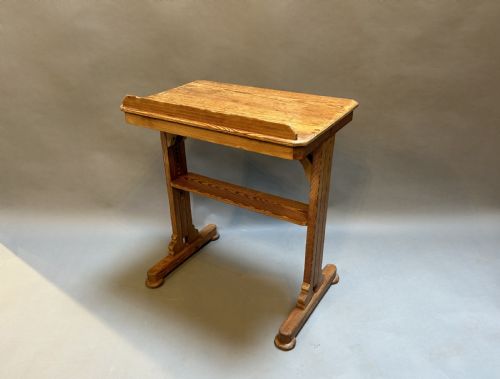
When searching for an antique book rest desk, buyers encounter portable desktop accessories, freestanding reading stands, and table-top easels designed to hold heavy volumes at a comfortable viewing angle. These pieces appear across several centuries of design, spanning simple Victorian extending slides and complex Regency reading tables.
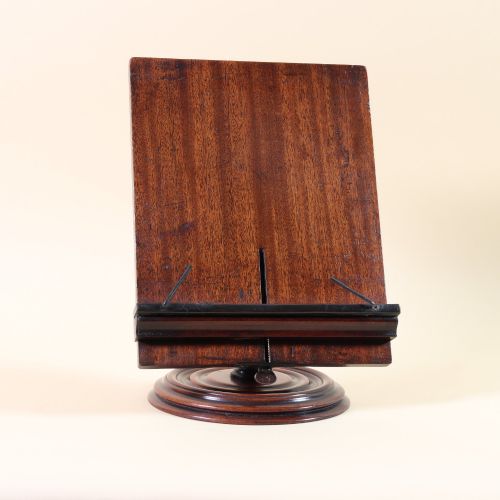
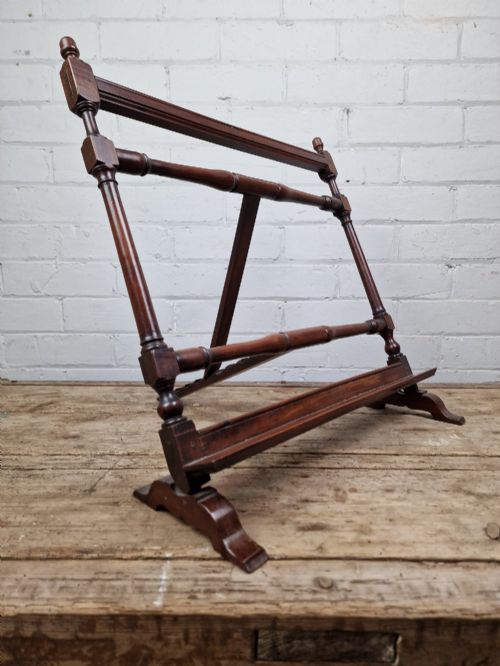
The most common forms on this page include mahogany table-top book slides, adjustable music stands, and dedicated reading desks incorporating brass or iron fittings. Many examples double as occasional tables or fold flat for storage when not in use in a study or library.
Originating from periods such as the Georgian, Regency, and Victorian eras, these objects reflect the scholarly pursuits and correspondence habits of past households. They serve both functional reading purposes and decorative roles in traditional home libraries.
Materials and construction
Cabinetmakers constructed these reading accessories primarily using dense hardwoods like mahogany, walnut, oak, and yew wood, often complemented by exotic timbers such as coromandel and teak. These strong materials supported heavy folios and daily mechanical adjustments without warping.
Functional metal elements in brass, cast iron, and bone provided the ratchets, hinges, and extending mechanisms necessary for adjustable viewing angles. Joinery ranged from straightforward dovetails on writing boxes to complex mechanical levers on freestanding reading tables.
Surface decoration varied from carved Anglo-Indian motifs and Gothic Revival tracery to simple polished mahogany finishes. The integration of brass mounts and hardware added durability to the moving parts of book slides and folding lecterns.
Antique Book Rest Desk Retail Price Guide 2026
Typical asking prices for book rest desk among the pieces listed under this phrase on Sellingantiques today, from the lower quarter to the upper quarter. They describe what is for sale here now, not the wider market.
Materials span traditional British hardwoods like mahogany and oak alongside exotic timbers such as coromandel, teak, and walnut.
Distinctions in quality
The refinement of the mechanical adjustments often separates standard utility pieces from finer examples. Smoothly operating brass ratchets, steady locking pins, and perfectly aligned extending slides demonstrate superior workshop execution.
The choice of timber and secondary woods dictates the visual depth and structural integrity of each piece. Finely figured mahogany, solid walnut, and intricately carved teak represent higher tiers of craftsmanship compared to plain pine or basic hardwoods.
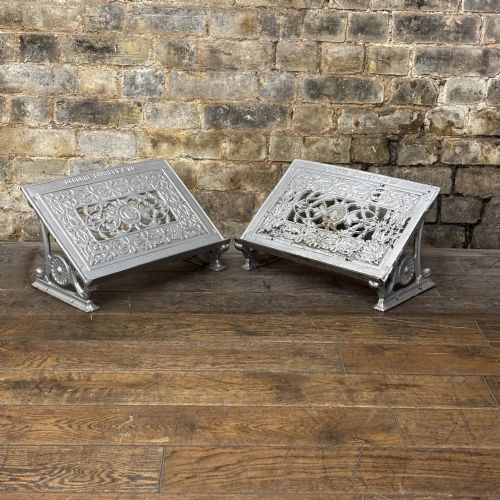
Osborne Garrett And Co·Carters Of London
The Antique Book Rest Desk Glossary
- Book slide
- An extending desktop rack designed to hold a row of volumes upright between two supportive ends. These often feature brass mounts and folding or sliding mechanisms.
- Reading stand
- A dedicated furniture piece or table-top accessory featuring an adjustable ledge to support books at an angle. They frequently incorporate folding mechanisms for portability.
- Lectern
- A tall stand with a slanted top used to support books or notes for a standing reader. Examples in the evidence include carved wooden eagles and adjustable iron frames.
- Writing slope
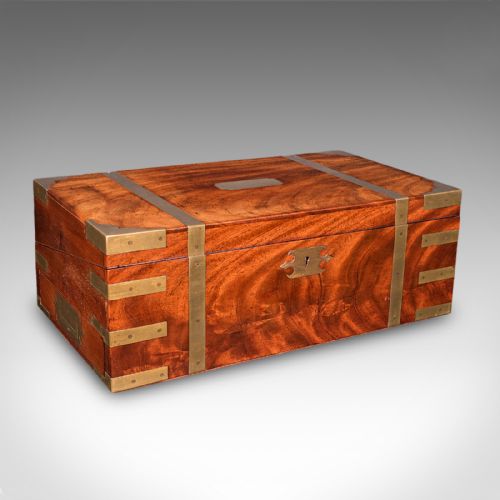
- A portable box that opens to form an inclined surface for correspondence. Some variations incorporate integrated book rests or reading stands.
- Gothic Revival
- A nineteenth-century design style drawing on medieval architectural motifs. Pieces in this style often display pointed arches, tracery, and heavy brass fittings.
Antique Book Rest Desk: Frequently Asked Questions
What is an antique book rest desk used for?
These items provide a slanted or flat surface to hold heavy books, folios, or writing materials at a comfortable reading angle. They were essential in period libraries and studies for studying large volumes without straining the neck.
Today, they function both as practical bookholders on desks or tables and as decorative pieces that bring period character to a room.
How do I adjust the reading angle?
Most pieces utilise a wooden ratchet mechanism, brass support arms, or a central pivoting screw to alter the slant of the desk or book rest. These moving parts allow the user to lock the reading surface securely into various positions.
Careful handling of the brass fittings and wooden ratchets ensures the longevity of these adjustable mechanisms during daily use.
Are these pieces suitable for modern heavy books?
Solid hardwood construction in timbers like mahogany, oak, and walnut gives these stands significant weight-bearing capacity. They easily support large modern reference books, atlases, and heavy hardbacks.
Extending book slides also adapt well to holding rows of contemporary novels securely on a shelf or tabletop.
How do I date a Victorian reading stand?
Dating relies on observing the timber species, the style of the hardware, and any specific design motifs like Gothic Revival tracery or Anglo-Indian carvings. Victorian pieces often combine dense mahogany or walnut with brass extending actions.
Comparing the joinery and mechanical complexity with known periods helps narrow down the decade of manufacture.