







Antique Bone Artefact
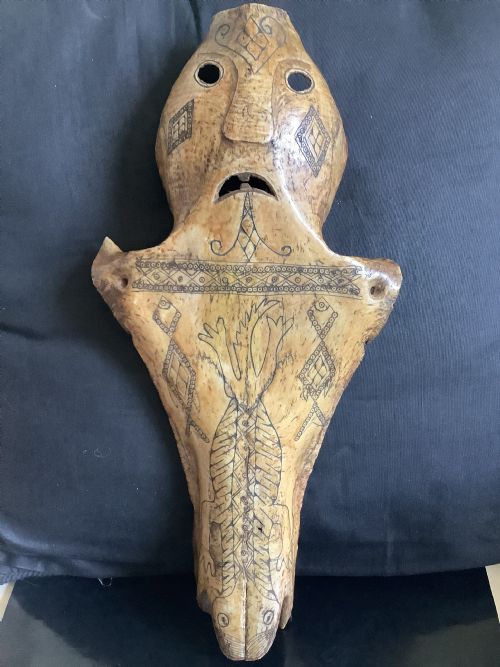
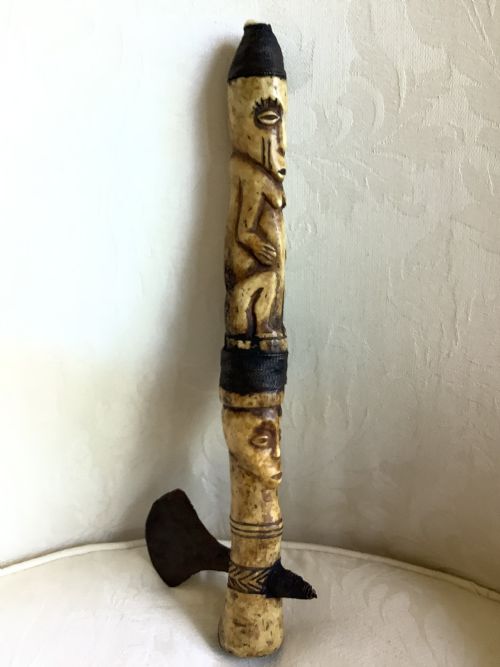
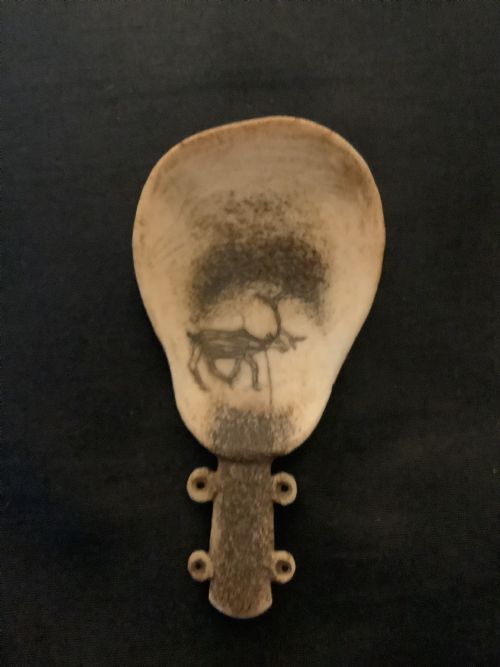
These antique bone artefacts are functional and ceremonial pieces shaped from bone, antler, and whalebone across the eighteenth and nineteenth centuries.
Antique Bone Artefact
An antique bone artefact encompasses a diverse range of objects created across the eighteenth, nineteenth, and early twentieth centuries. The selection on this page leans toward utilitarian maritime implements, ethnographic items, and carved tribal pieces.
Buyers will encounter items spanning various cultural origins, including Inuit tribal art, African tribal art, and Chinese craftsmanship. Common forms include pipes, spoons, seam rubbers, and ceremonial axes.
Materials extend beyond plain bone to include carved bone, whalebone, and antler, frequently paired with secondary elements such as wood, metal, and pigment.
How they were made
Maker techniques rely heavily on carving and shaping dense organic materials using hand tools. Craftsmen utilised the natural curvature of bone and antler to form functional implements and sculptural figures.
Decoration often involved surface carving, as seen in detailed depictions of deities and animals on opium pipes. Combinations of bone with wood, brass wire, and metal studs appear across maritime and tribal objects.
Antique Bone Artefact Retail Price Guide 2026
Typical asking prices for bone artefact among the pieces listed under this phrase on Sellingantiques today, from the lower quarter to the upper quarter. They describe what is for sale here now, not the wider market.
Listings feature 18th Century, 19th Century, and Victorian periods alongside materials like bone, whalebone, and metal studs.
What varies in quality
Quality separates through the crispness of the carving and the intricacy of the surface detail. Pieces showing deliberate sculptural depth on figures stand apart from simpler utilitarian items.
The integrity of the organic material and the harmony of mixed media elements, such as integrated metal studs or fitted wooden components, influence the character of each object.
The Antique Bone Artefact Glossary
- Whalebone
- A tough, flexible keratin substance taken from the mouths of baleen whales, utilised historically for carving statues and maritime tools.
- Seam rubber
- A smooth hand tool used in sailmaking to flatten seams and creases, traditionally formed from dense materials like bone.
- Guanyin
- A revered East Asian deity frequently depicted in carved organic materials such as bone and ivory.
- Antler
- Horn material shed periodically by deer, offering a dense, textured medium for carved spoons and implements.
Antique Bone Artefact: Frequently Asked Questions
What is an antique bone artefact?
An antique bone artefact is a historic object shaped from skeletal material, antler, or whalebone for practical, decorative, or ceremonial use.
These pieces reflect the cultural practices and maritime trades of the eighteenth and nineteenth centuries.
How do I care for bone items?
Keep bone objects away from direct sunlight, excessive heat, and rapid humidity changes to prevent drying and cracking.
Dust gently with a soft, dry cloth and avoid harsh chemical cleaning agents entirely.
Are these items purely decorative?
Many items served distinct practical purposes in maritime and domestic contexts, including sailmaking and smoking.
Other pieces fulfilled ceremonial or sculptural roles within tribal and ritual traditions.
How are periods identified?
Dating relies on stylistic markers, tool marks, material wear, and documented cultural origins from the eighteenth and nineteenth centuries.
Comparative analysis with known regional artefacts helps establish approximate eras.