





Antique Bobbin Leg Furniture
Antique bobbin leg furniture brings turned wooden spool profiles into domestic spaces, offering sturdy utility paired with tactile historical character.
Antique Bobbin Leg Furniture
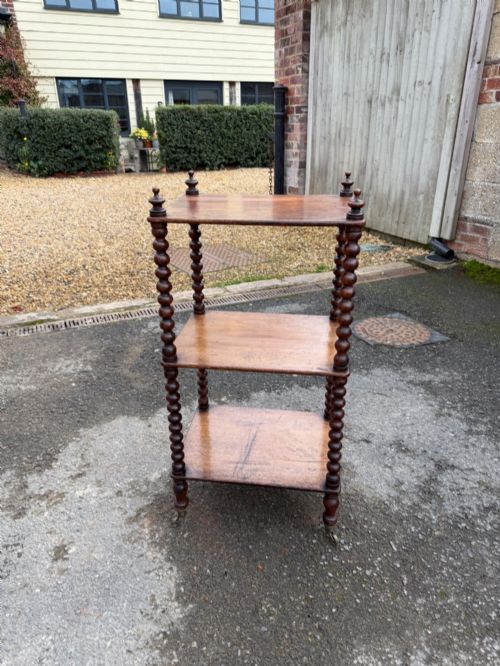
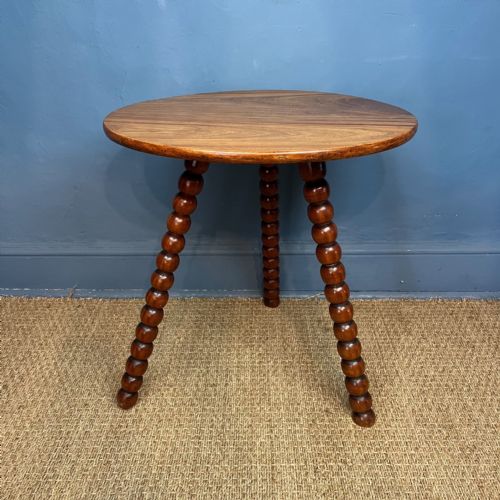
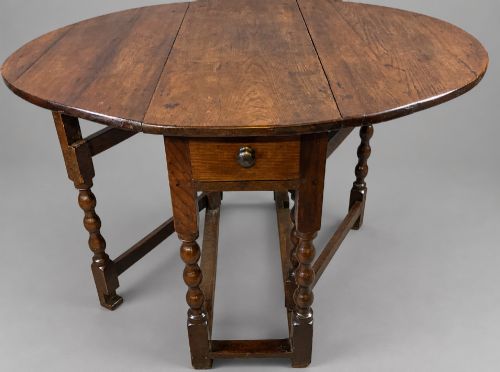
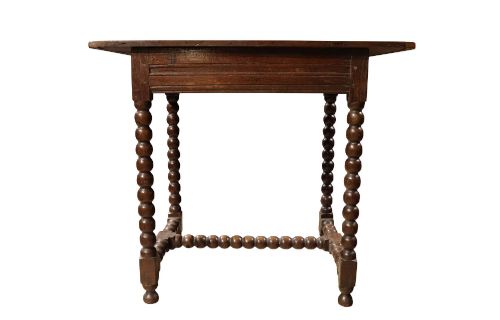
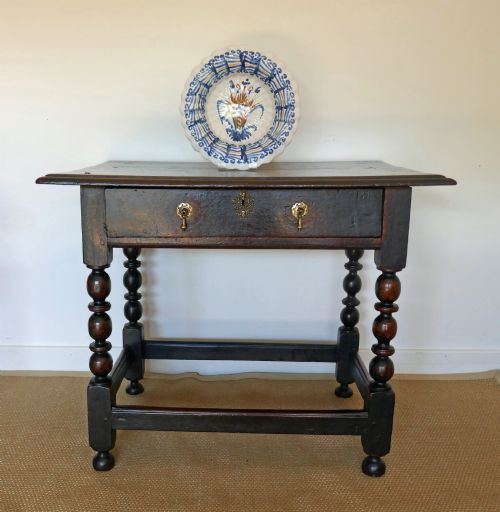
Antique bobbin leg furniture encompasses practical domestic tables and seating defined by distinct spool-turned supports. Buyers seeking antique bobbin leg furniture frequently encounter seventeenth-century gateleg and side tables alongside nineteenth-century revival seating.
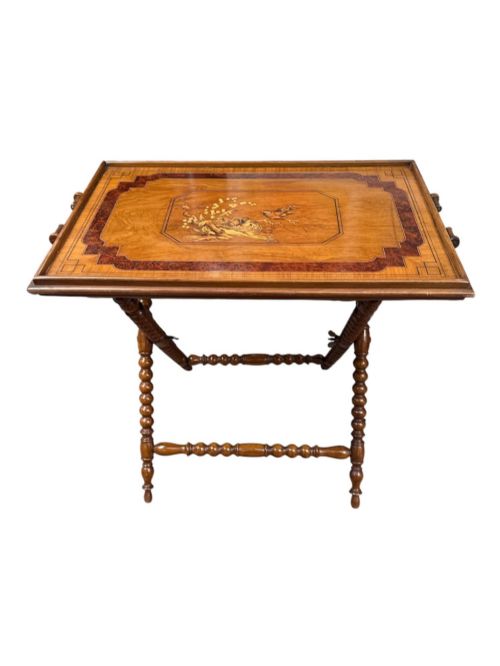
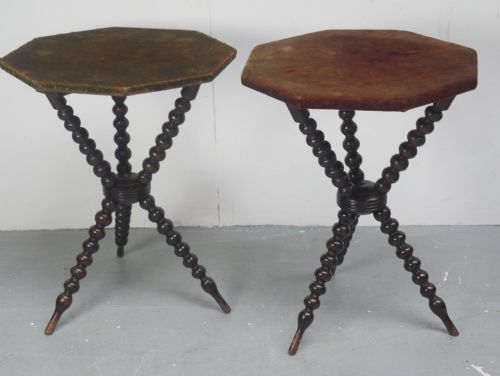
The form spans centuries, moving from seventeenth-century English oak origins through Victorian and Edwardian revivals utilising walnut, pine, and rosewood. Side tables and gateleg dining pieces dominate the selection, accompanied by occasional armchairs and tray tables.
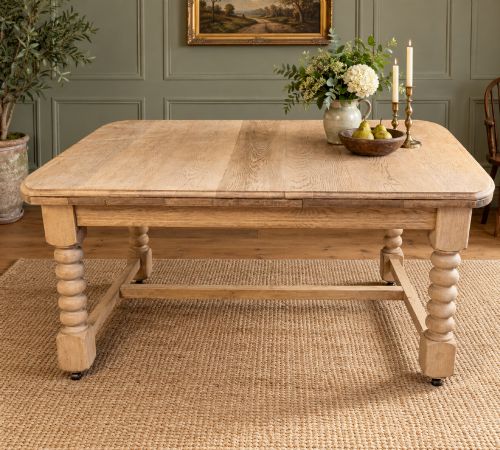
Makers across different eras adapted the signature turned supports to various forms, ranging from substantial farmhouse dining formats down to compact occasional tables.
How they were made
Joiners shaped solid timbers including oak, walnut, yew, and pine using lathes to turn repetitive cylindrical spool and bobbin profiles along the leg lengths. These turned supports were then joined to tabletops and chair frames utilising traditional mortise and tenon joinery.
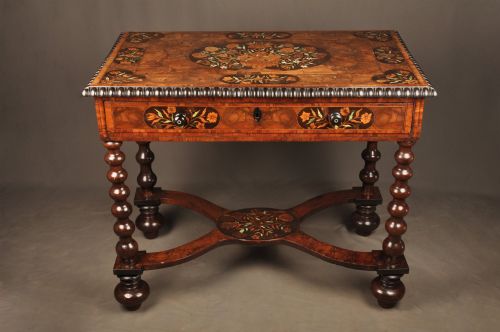
Surface finishes vary from natural waxed grains to ebonised treatments and marquetry inlays, reflecting the stylistic preferences of the seventeenth century and later revival periods.
Antique Bobbin Leg Furniture Retail Price Guide 2026
Typical asking prices for bobbin leg furniture among the pieces listed under this phrase on Sellingantiques today, from the lower quarter to the upper quarter. They describe what is for sale here now, not the wider market.
What varies in quality
The distinction between standard examples and finer pieces rests upon timber selection and the crispness of the lathe turning on the legs. Substantial proportions and well-figured oak or walnut elevate an individual piece.
Structural integrity depends on the original tightness of the joints connecting the heavy turned members, particularly on gateleg tables subject to frequent folding.
The Antique Bobbin Leg Furniture Glossary
- Bobbin turning
- A form of woodturning on a lathe that produces a sequence of rounded swellings resembling spools of thread. This technique defines the primary aesthetic of the legs across these pieces.
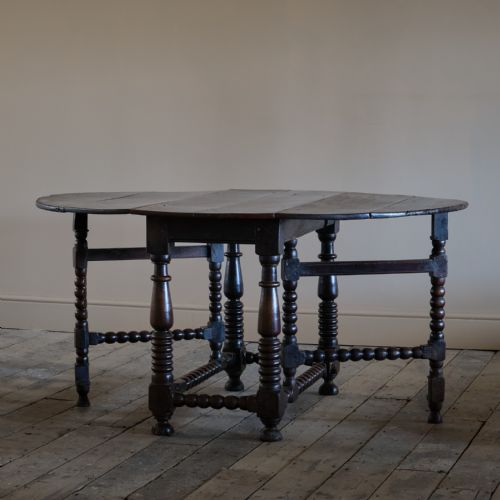
- Gateleg table
- A drop-leaf table featuring hinged legs that swing outward to support the raised leaves. Seventeenth-century examples frequently utilise bobbin turned framing.
- Ebonised wood
- Timber stained or painted black to imitate expensive ebony. This treatment appears on nineteenth-century aesthetic movement furniture.
- Marquetry
- Decorative veneer work arranged in patterns across table tops. It adds visual complexity to walnut and exotic wood surfaces.
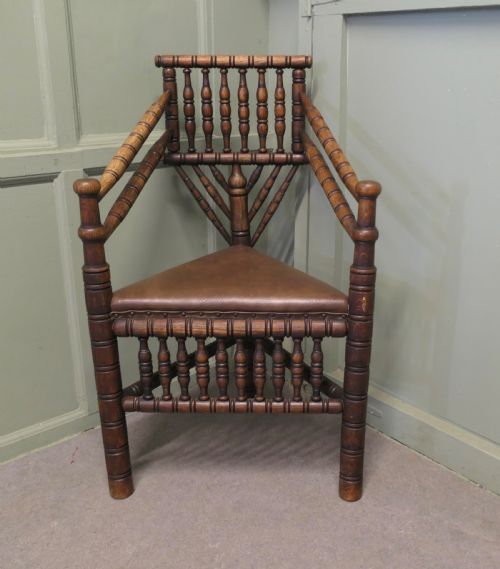
- Turners chair
- An armchair constructed entirely from turned wooden members. Early examples showcase intricate spindle and bobbin work.
Antique Bobbin Leg Furniture: Frequently Asked Questions
How do I date bobbin leg furniture?
Dating relies on timber species, construction methods, and hardware used in the piece. Seventeenth-century items typically show pegged oak joints and hand- cleft boards.
Later nineteenth-century revival pieces utilise machine-sawn timbers, walnut, or rosewood, reflecting Victorian manufacturing techniques while copying earlier seventeenth-century turning styles.
Are bobbin leg tables sturdy enough for daily use?
Most antique gateleg and side tables remain structurally robust due to heavy hardwood construction. The dense turning on the legs provides solid load-bearing capacity.
Care should be taken with folding gateleg mechanisms on seventeenth-century examples to avoid straining historical hinge points.
What is the difference between oak and walnut bobbin furniture?
Oak items generally date to the seventeenth century or early farmhouse revivals, displaying open grain and heavier structural proportions. They offer a rustic, durable aesthetic.
Walnut and rosewood variants typically emerge in the nineteenth century, presenting smoother, darker surfaces often paired with decorative marquetry or ebonising.
Where should I place a bobbin leg side table?
These compact tables fit well in hallways, beside seating, or against living room walls as display surfaces. Their slender turned legs maintain an open feel in smaller rooms.
Keep them away from direct heat sources and strong sunlight to protect aged wood finishes and prevent timber shrinkage.