



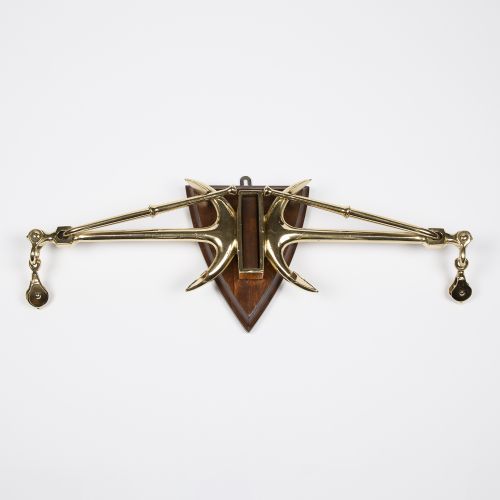


Antique Boat Sculpture
An antique boat sculpture captures maritime craftsmanship in wood, bronze and iron, offering a tangible piece of naval history for any room.
Antique Boat Sculpture
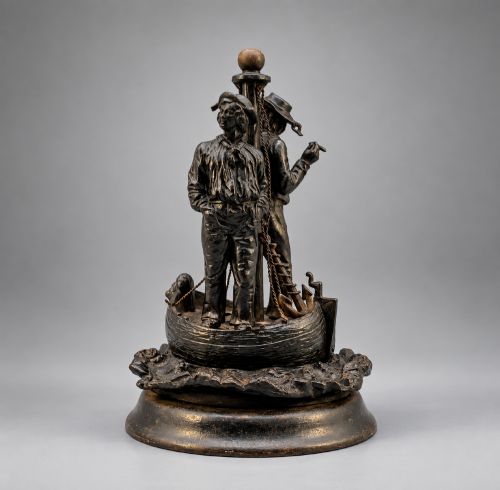
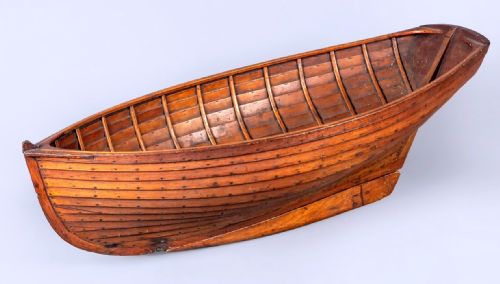
When you search for antique boat sculpture, you encounter a diverse gathering of marine objects spanning several centuries. The selections on this page range from nineteenth-century bronze figural groups of fishermen to Edwardian childs model boats and carved sycamore luxury yachts.
You are most likely to meet nineteenth-century models and sculptures rendered in wood, brass or patinated bronze. These forms often reflect maritime, Victorian folk art or Victorian industrial styles.
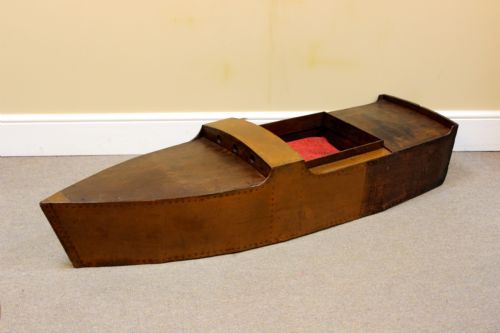
The category extends beyond simple watercraft models to encompass fairground ride boats, cradle boat hulls, wrought iron anchors and ceramic bisque figures on fishing boats. Each item represents a different facet of historical nautical design and decorative craftsmanship.
How they were made
The construction of these pieces relies heavily on traditional woodworking and metalworking techniques. Wood and sycamore are expertly carved to form smooth hulls and detailed yacht structures, often mounted on supportive bases such as marble.
Metal components utilise brass, wrought iron, bronze and sheet metal. Bronze figures are cast and patinated, while iron anchors demonstrate heavy blacksmithing skills suited for maritime use.
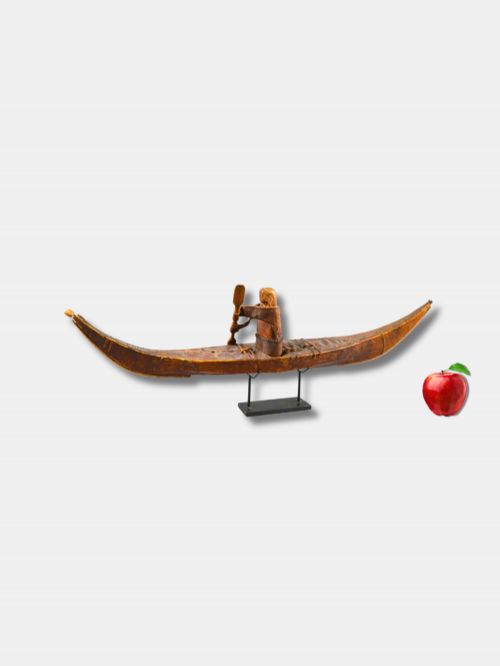
Surface decoration involves applied paint and glazed ceramics such as majolica and bisque. Tanned seal skin and bone also appear in specific regional works like Inuit kayak sculptures.
Antique Boat Sculpture Retail Price Guide 2026
Typical asking prices for boat sculpture among the pieces listed under this phrase on Sellingantiques today, from the lower quarter to the upper quarter. They describe what is for sale here now, not the wider market.
Listings feature items primarily from the 18th century through to 1920, predominantly constructed from wood, bronze, brass and iron.
What varies in quality
Quality in these sculptures rests upon the precision of the carving and the fidelity of the metallic casting. Fine bronzes display intricate detail in human figures and rigging, whereas lesser works remain simpler and more schematic.
The integrity of the original materials dictates much of the distinction between pieces. Sycamore models retaining their original polished surfaces and marble mounts stand apart from heavily altered examples.
Artistic execution within styles such as Victorian folk art or fairground pieces introduces a broad spectrum of expression. The most accomplished items combine robust structural materials with convincing maritime proportions.
The Antique Boat Sculpture Glossary
- Patinated bronze
- Bronze that has developed a chemical surface sheen over time. This process enhances the depth and visual warmth of sculptural figures.
- Bisque
- Unglazed ceramic porcelain possessing a matte, biscuit-like texture. It allows for fine sculptural detail in figures associated with marine settings.
- Majolica
- A type of earthenware coated in an opaque tin-glaze and painted with metallic oxide colours. It provides a bright, glossy finish to figurative ceramic works.
- Sycamore
- A dense hardwood frequently utilised for detailed carving. Its fine grain makes it suitable for precision model yacht hulls.
- Tiller yoke
- A transverse bar fitted to the head of a boat rudder for steering. These wooden or metal components connect directly to steering lines.
Antique Boat Sculpture: Frequently Asked Questions
What materials were used in antique boat sculptures?
These sculptures incorporate a wide selection of materials depending on their origin and period. Common mediums include carved wood, sycamore, cast bronze, brass, wrought iron and sheet metal.
Some pieces also feature ceramics such as majolica and bisque, or organic elements like tanned seal skin and bone found in indigenous Inuit works.
How do I display a boat model sculpture?
Display methods depend on the scale and form of the specific piece. Many carved wooden models are designed with integrated bases, such as marble plummets, allowing them to rest securely on flat surfaces.
Other items like wrought iron anchors or wall-mounted tiller yokes are suited for vertical wall hanging. Ensure they are kept away from direct sunlight and excessive humidity to protect wood and painted finishes.
What is the difference between a model boat and a sculpture?
Model boats generally replicate the precise architectural structure of a watercraft, such as a luxury yacht, clipper or childs model. Sculptures focus primarily on the figurative representation of people or scenes with boats.
Examples of the latter include bronze figures of fishermen or ceramic figures seated within a fishing boat.
How do I identify nineteenth-century marine pieces?
Nineteenth-century items often display characteristic manufacturing techniques like hand-forged wrought iron or traditional bronze casting. Stylistic indicators include Victorian folk art aesthetics, industrial influences and maritime motifs.
Examining the underlying materials, such as patinated bronze or traditional timber framing, helps establish the era of origin.