



Antique Blue White Chair
An antique blue white chair brings centuries of hand-painted porcelain artistry and painted timber craftsmanship straight into a room.
Antique Blue White Chair
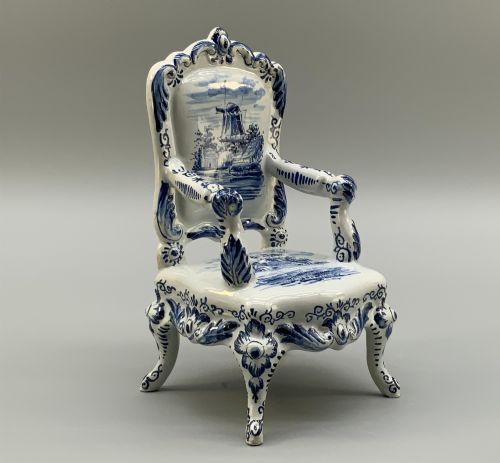
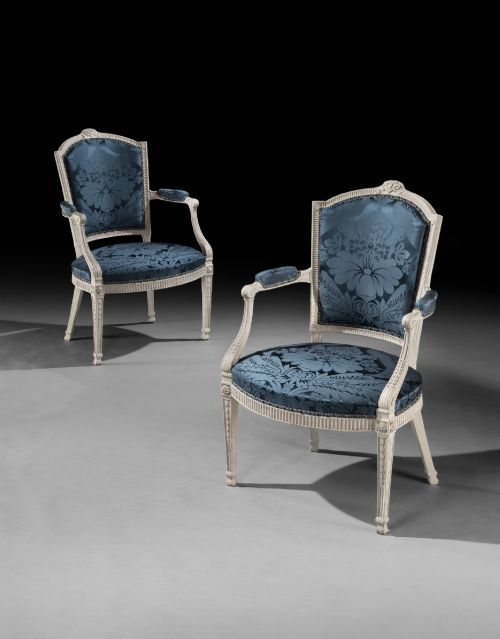
When you search for an antique blue white chair, you encounter a distinct mix of diminutive porcelain display items and full-scale seating. The listings show everything from late nineteenth-century Dutch Delft miniature porcelain armchairs to painted wooden seating bearing classical motifs.
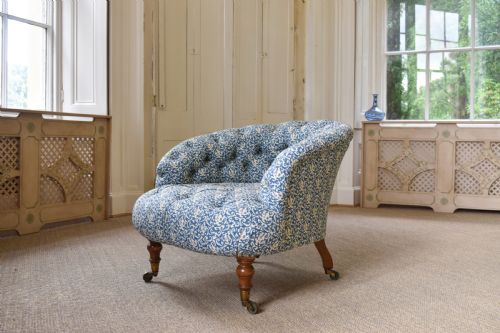
Full-sized examples lean towards nineteenth-century painted timber and upholstered seating including Victorian wing arm chairs and Louis Revival French painted frames. Miniature furniture pieces in ceramic glaze offer an alternative decorative format originating from the same aesthetic traditions.
Materials and construction
The full-scale chairs on this page rely on sturdy wood foundations like beech and painted timber, paired with fabrics such as cotton and ticking. Makers constructed these frames to endure daily use within period interiors.
The miniature examples utilise porcelain and ceramic glaze, decorated with blue and white pigments fired beneath a protective surface. Brass elements occasionally appear on frames, providing structural or decorative accents.
Antique Blue White Chair Retail Price Guide 2026
Typical asking prices for blue white chair among the pieces listed under this phrase on Sellingantiques today, from the lower quarter to the upper quarter. They describe what is for sale here now, not the wider market.
Listings feature items spanning the 18th century through the 19th century, utilising wood, cotton, porcelain, and painted timber.
Distinguishing quality
Quality in these pieces rests upon the precision of the hand-painted decoration and the integrity of the frame construction. Finer miniature porcelain pieces display crisp cobalt brushwork without smudging, while superior full-sized chairs feature robust timber frames with harmonious proportions.
The sophistication of the stylistic revival also separates the standard examples from the exceptional. Pieces adhering closely to George III neoclassical lines or authentic Louis XV revival curves demonstrate a higher level of artisanal skill.
The Antique Blue White Chair Glossary
- Dutch Delftware
- Tin-glazed earthenware produced in the Netherlands, famous for blue and white decoration mimicking Chinese porcelain. It frequently appears on miniature furniture pieces.
- Louis XV Revival
- A nineteenth-century style drawing on eighteenth-century French curves, cabriole legs, and ornate painted timber frames. It brings asymmetrical grace to seating.
- George III Neoclassical
- A classic eighteenth-century British style defined by symmetry, straight tapered legs, and classical restraint. Painted armchairs often display these balanced proportions.
- Tub Chair
- A comfortable upholstered armchair featuring a rounded back that wraps continuously into the arms. These forms provide deep seating.
- Chaise Longue
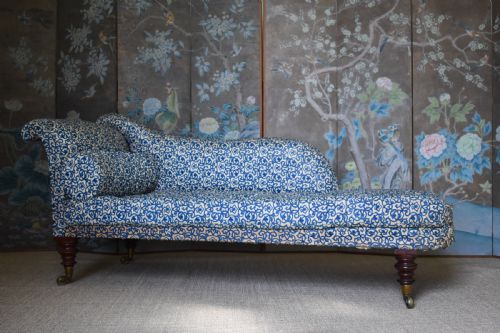
- An elongated upholstered chair designed for reclining, popular during the Victorian period. It combines the functions of a chair and a daybed.
Antique Blue White Chair: Frequently Asked Questions
What is an antique blue white chair?
These items encompass both full-sized seating adorned with painted finishes and small decorative miniature porcelain chairs. They reflect centuries of design ranging from eighteenth-century neoclassical forms to nineteenth-century revival styles.
Buyers choose them to introduce historical character and distinct blue and white visual patterns into traditional or contemporary spaces. Each piece offers a tangible connection to past manufacturing traditions.
How were miniature ceramic chairs used?
Miniature porcelain pieces served primarily as decorative ornaments, cabinet pieces, or dollhouse furnishings rather than functional seating. Potters used them to showcase their painting skills on a small scale.
They allow collectors to appreciate the blue and white Delft aesthetic without requiring the space needed for full-sized furniture.
How do I identify a Victorian chair?
Victorian seating often incorporates heavier proportions, specific upholstery types like ticking or patterned cotton, and distinct revival stylistic cues. Makers during this era frequently drew inspiration from earlier historical periods.
Examining the materials, such as beech frames and brass hardware, helps confirm the nineteenth-century origins of the piece.
How do I care for painted wooden chairs?
Painted timber requires gentle dusting with a dry, soft cloth to protect the decorative surface from wear. Avoid placing wooden seating in direct sunlight or near heat sources to prevent the timber from drying out.
For upholstered sections, regular light vacuuming keeps the fabric clean without disturbing the internal padding or frame structure.