

Antique Blue Stone Jewellery
Antique blue stone jewellery spans centuries of goldsmithing, bringing together sapphire, turquoise, aquamarine and lapis lazuli in rings, pendants and earrings.
Antique Blue Stone Jewellery
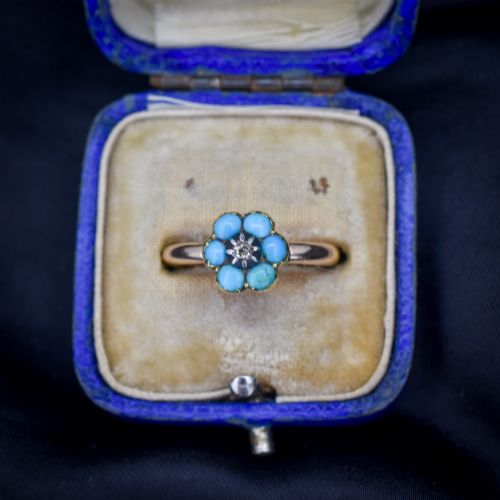
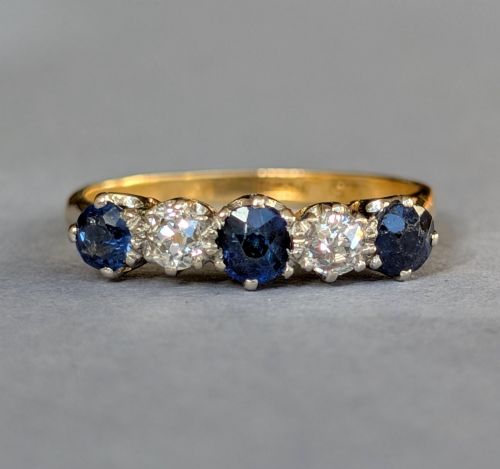
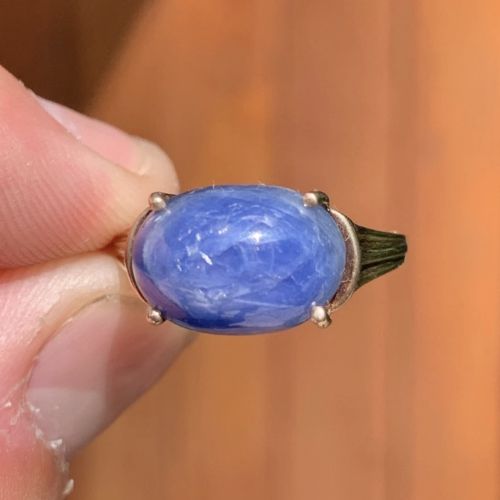
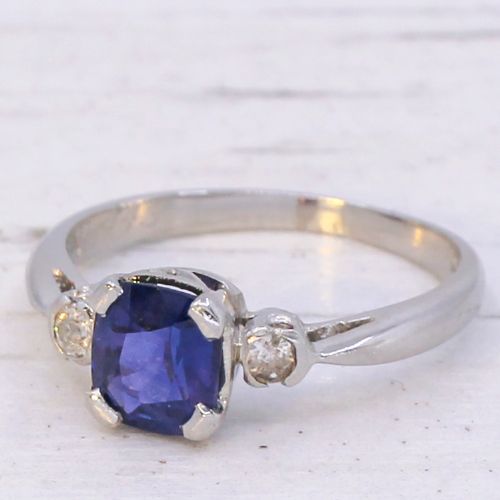
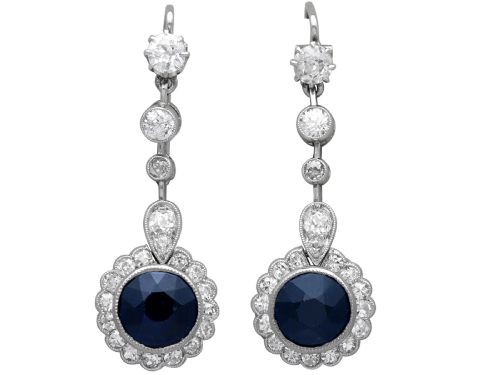
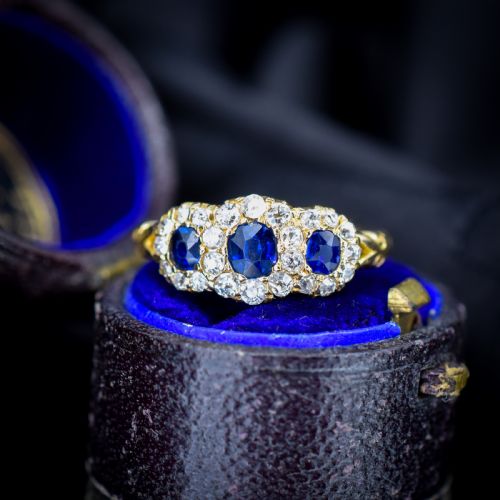
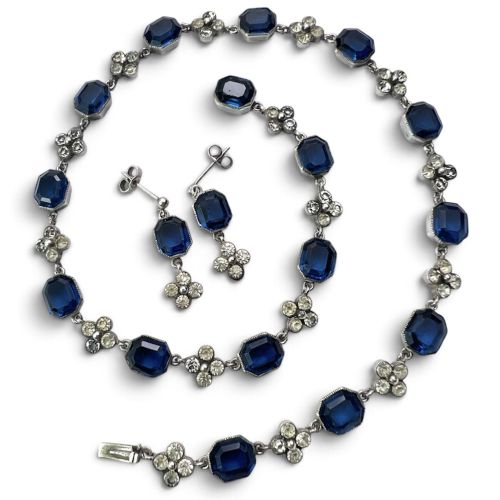
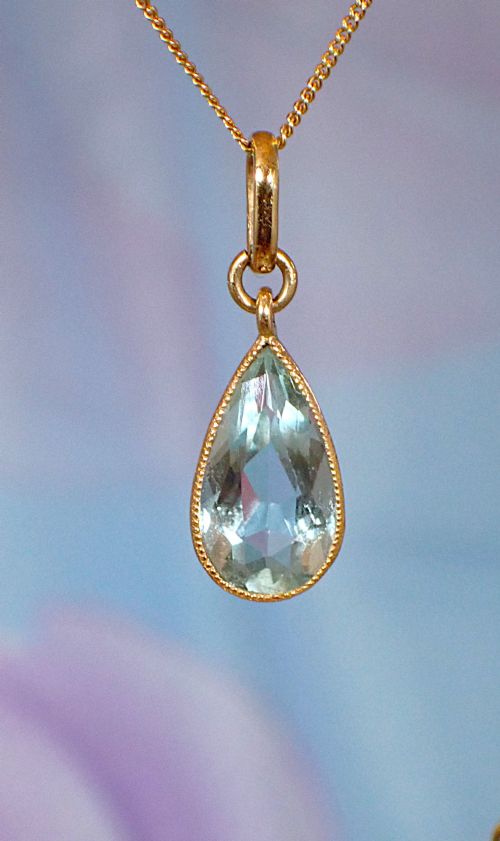
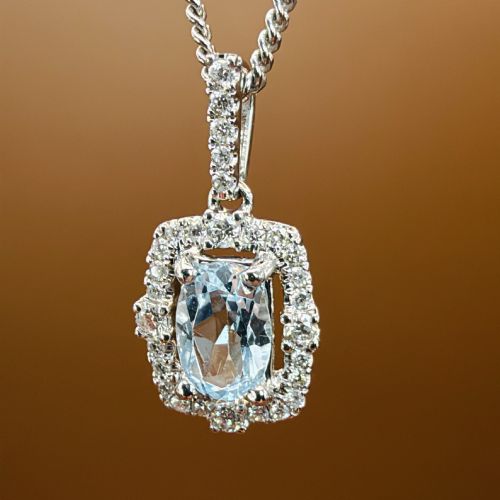
Antique blue stone jewellery encompasses rings, necklaces, earrings, bracelets and brooches set with sapphire, turquoise, aquamarine, lapis lazuli and blue paste. These pieces range from Georgian and Victorian designs to Edwardian, Art Deco and mid-century creations.
How these pieces were made
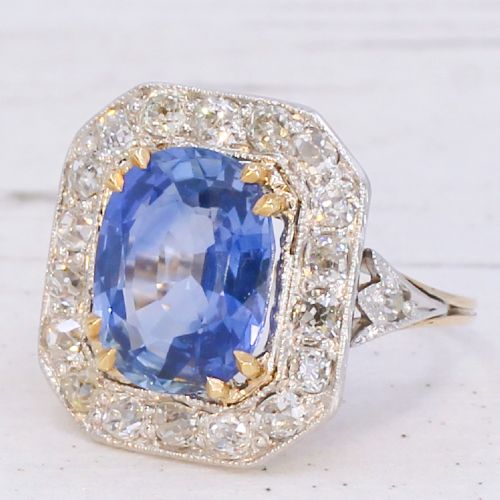
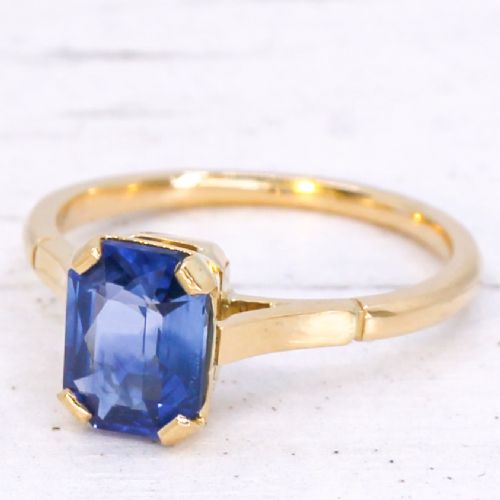
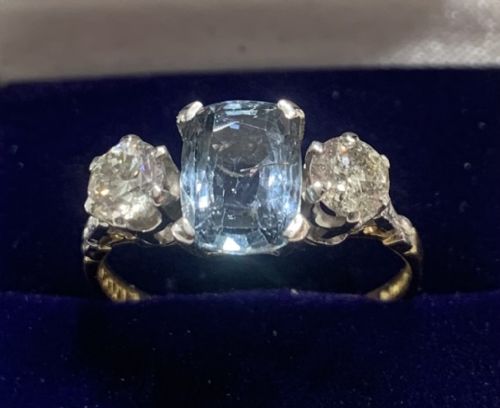
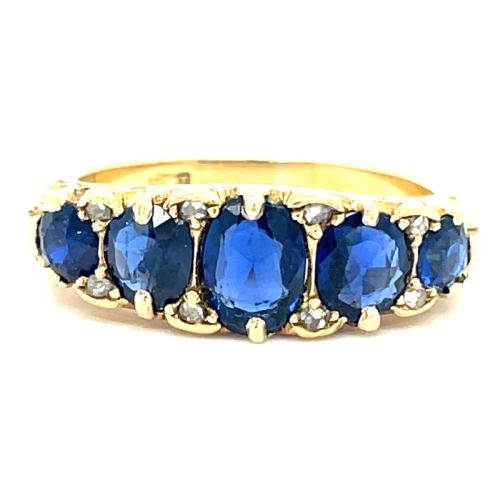
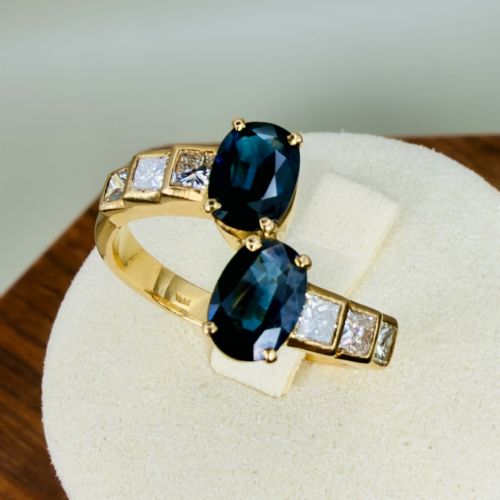
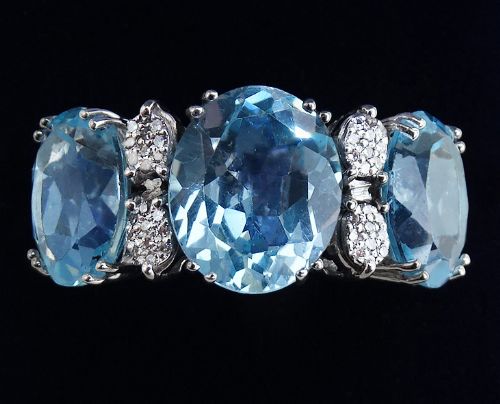
Goldsmiths utilised 18ct yellow gold, 9ct rose gold, silver and platinum to set blue stones alongside diamonds and white paste. Setting techniques range from classic claw settings in cluster rings to delicate bezel and flush settings in gypsy rings.
Ornate work such as filigree, scroll motifs and granulation appears in Victorian and Edwardian pieces, while geometric layouts define Art Deco platinum and white metal mounts.
Antique Blue Stone Jewellery Retail Price Guide 2026
Typical asking prices for blue stone jewellery among the pieces listed under this phrase on Sellingantiques today, from the lower quarter to the upper quarter. They describe what is for sale here now, not the wider market.
Listings feature 18ct gold, platinum, and silver alongside turquoise, sapphire, and diamond.
What varies in quality
Quality rests upon the natural depth and saturation of the blue stones, whether unheated Kashmir sapphires, natural turquoise or vibrant aquamarines, matched with the clarity of accompanying old cut diamonds.
The finesse of the metalwork, from hand-carved shoulders on 18ct gold twist rings to precise millegrain edges in platinum mountings, determines the overall calibre of each piece.
The Antique Blue Stone Jewellery Glossary
- Cluster ring
- A ring featuring a central stone encircled by a border of smaller stones, commonly diamonds surrounding a blue sapphire.
- Boat ring
- A navette-shaped ring setting that tapers gracefully toward each end of the finger, frequently found in Victorian and Edwardian designs.
- Paste
- Hand-cut glass utilised in historical jewellery to imitate gemstones like sapphires and diamonds.
- Festoon necklace
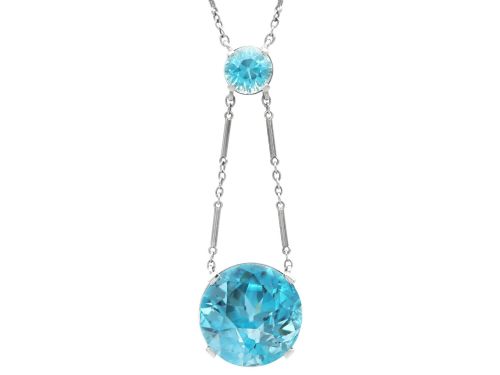
- A necklace featuring draped chains, swags and dangling elements popular during the Edwardian era.
- Gypsy ring
- A ring style where stones are flush-set directly into the thick, tapering metal band.
Antique Blue Stone Jewellery: Frequently Asked Questions
What periods do these pieces come from?
The inventory spans the Georgian era through to the mid-20th century, encompassing Victorian, Edwardian, and Art Deco periods.
Victorian and Edwardian examples sit alongside 1920s platinum pieces and later mid-century designs.
What metals were used for these mountings?
Goldsmiths worked predominantly in 18ct yellow gold, 9ct rose gold, sterling silver, and platinum.
Combinations of gold and silver frequently appear in older Georgian and Victorian pieces to highlight stones effectively.
What types of blue stones are included?
Listings feature natural sapphires, turquoise matrices, aquamarines, blue topaz, lapis lazuli, spinels, and blue paste.
Both unheated Kashmir stones and treated varieties occur across various rings and necklaces.
How should I care for antique gemstone jewellery?
Gentle cleaning with a soft cloth preserves the integrity of softer materials like turquoise and lapis lazuli.
Avoiding harsh ultrasonic cleaners protects antique settings, particularly in older gold and silver mounts.