


Antique Blue Silk
Antique blue silk brings together centuries of fine woven textiles, oil portraits and carpets, offering rich colour and deep historical craft for the home.
Antique Blue Silk
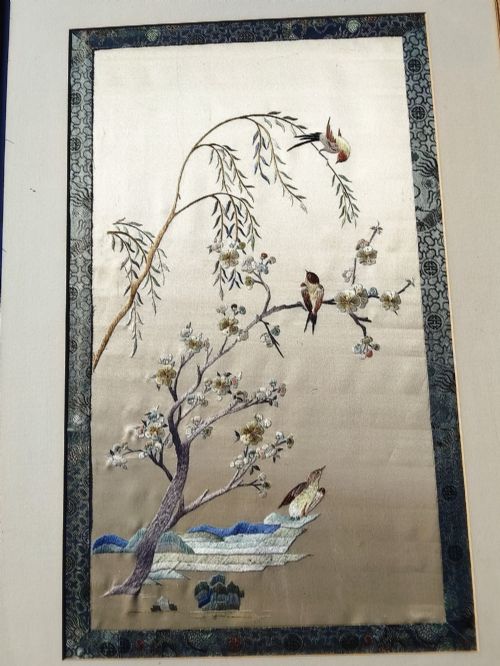
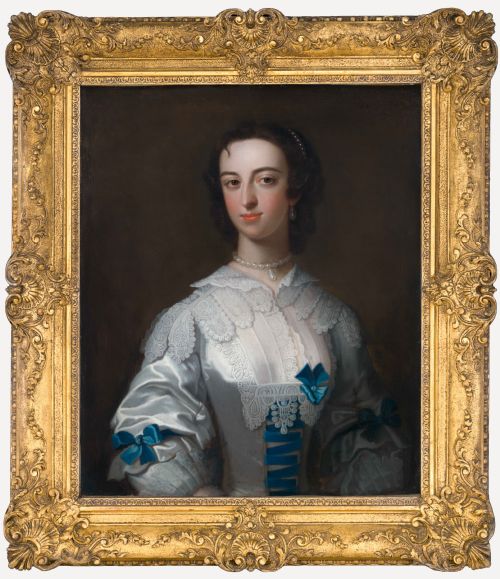
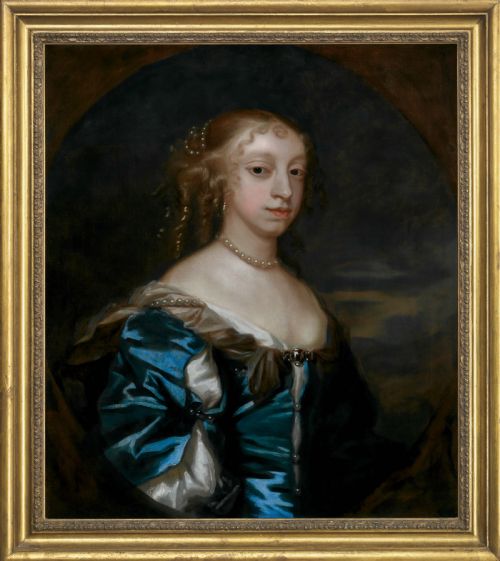
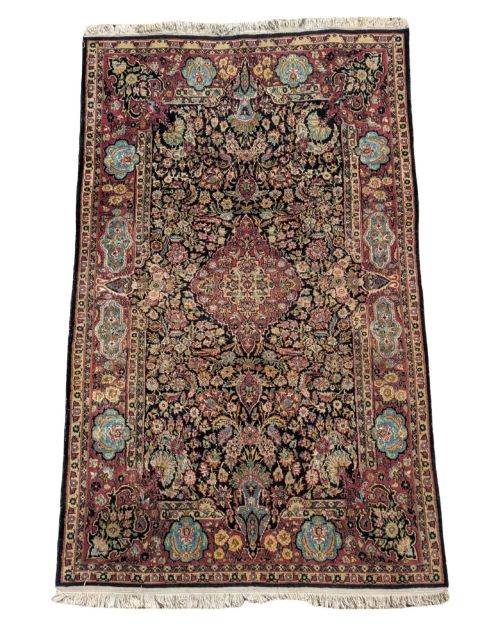
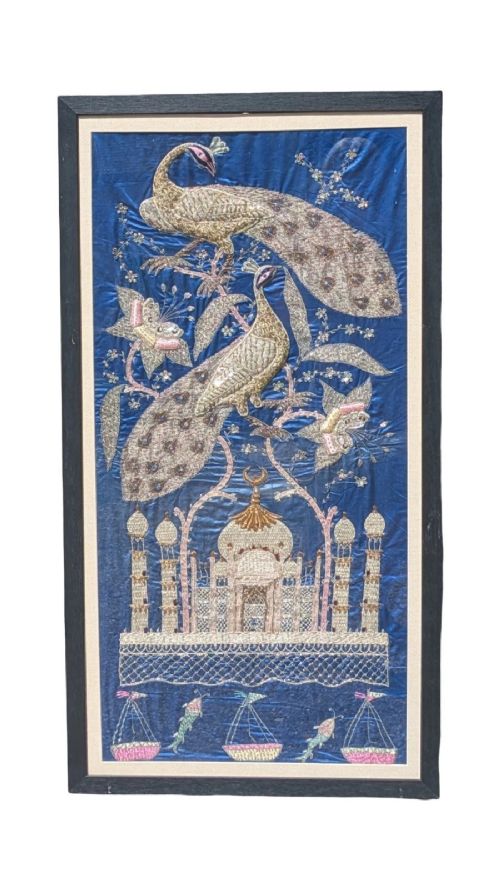
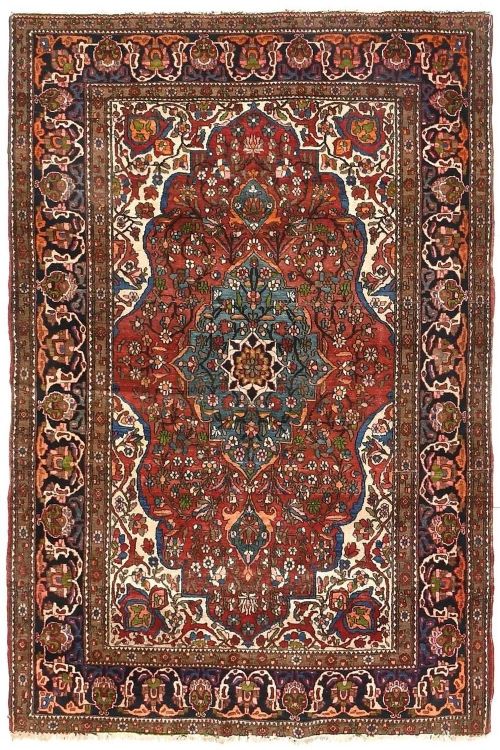
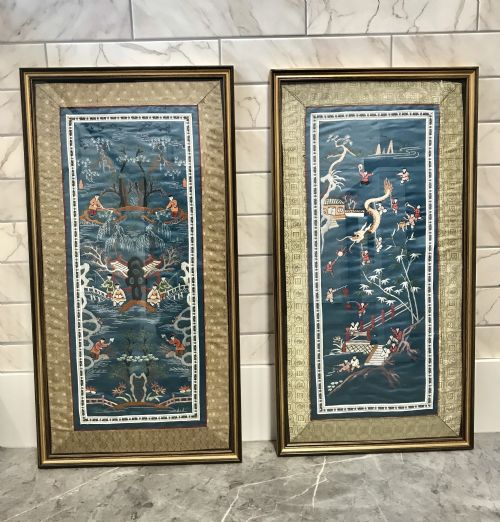
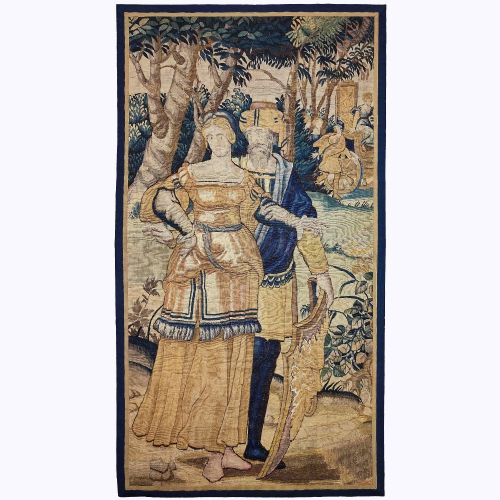
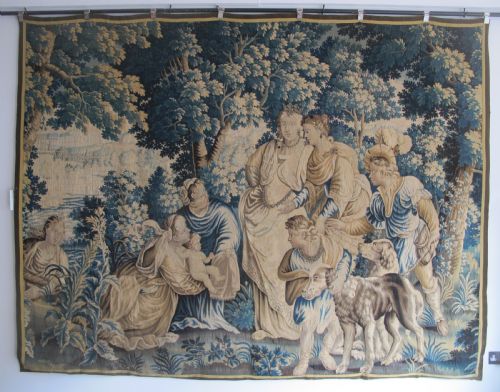
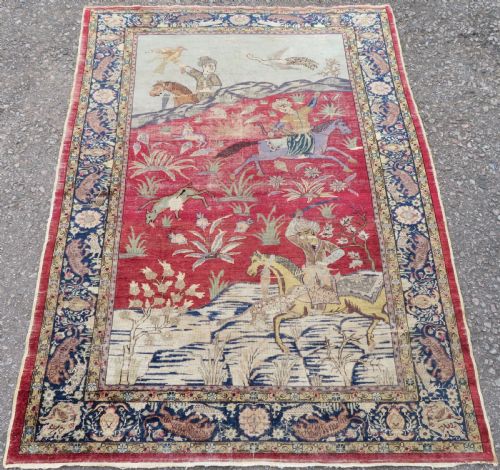
When you search for antique blue silk, you encounter a diverse range of objects spanning multiple centuries, from woven wall hangings and carpets to delicate garments and oil paintings depicting blue gowns. The selection includes Persian and Turkish rugs with silk highlights, Chinese embroidered panels and robes, and European tapestries featuring verdure designs.
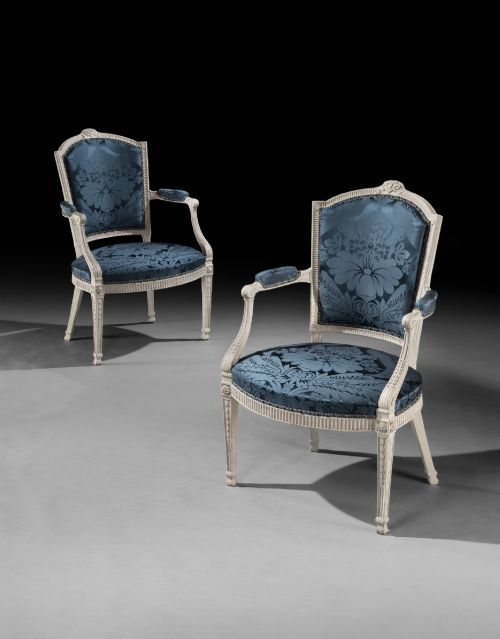
The most common versions met on this page are floor coverings, wall textiles, and period seating upholstered or decorated with silk elements. These pieces cross various styles, including Victorian, Baroque, Persian, and Chinoiserie, reflecting global traditions of textile production.
How they were made
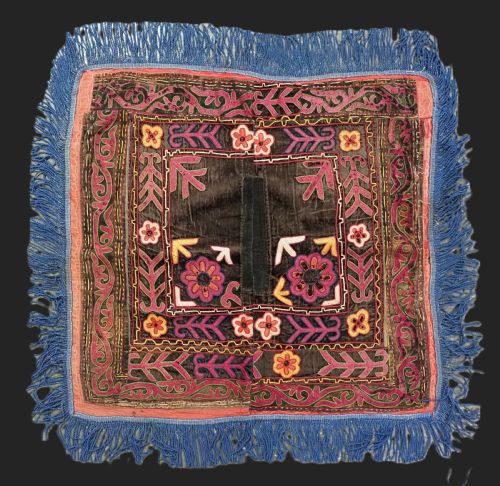
Makers utilised natural fibres and traditional looms, combining silk threads with wool foundations or cotton supports to achieve durability and texture. Hand embroidery and intricate weaving techniques allowed artisans to produce complex pictorial scenes, floral motifs, and geometric patterns.
In painting and decorative arts, silk appears both as the subject - rendered through oil on canvas to capture the sheen of a gown - and as a physical medium in stitched wall hangings and garments quilted for winter use.
Antique Blue Silk Retail Price Guide 2026
Typical asking prices for blue silk among the pieces listed under this phrase on Sellingantiques today, from the lower quarter to the upper quarter. They describe what is for sale here now, not the wider market.
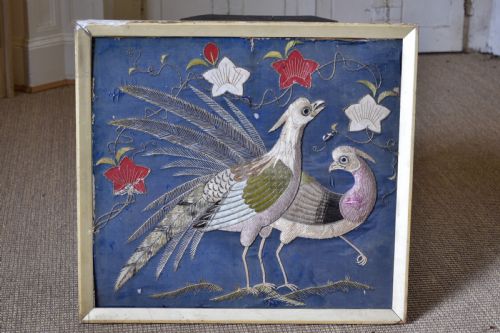
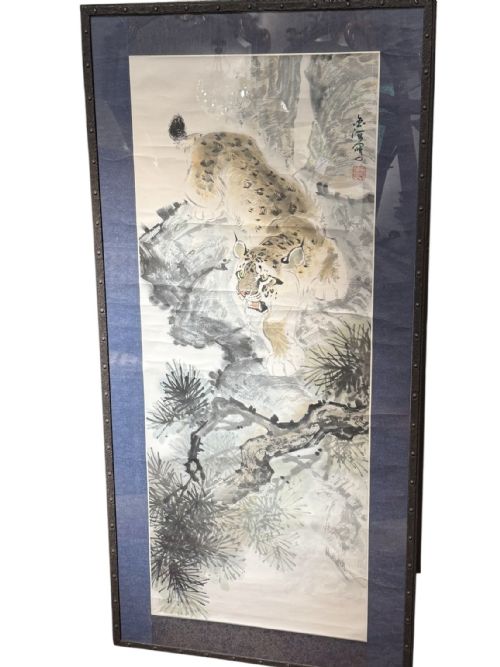
Several items feature unexpected creatures, from embroidered pheasants and snow leopards to buzzing wasps on a glass pendant.
What varies in quality
Quality rests upon the fineness of the weave, the integrity of the fibres, and the preservation of the original dye colours over time. Pieces with dense knotting in carpets or precise, hand-sewn needlework in panels demonstrate superior craftsmanship.
The condition of the silk itself dictates desirability, as natural degradation affects fragile textiles. Items retaining structural stability alongside vibrant chromatic depth stand apart from heavily worn examples.
Henry Pickering·R Lalique·Wright & Davies·Thomas Murray·Miles & Edwards
The Antique Blue Silk Glossary
- Verdure tapestry
- A wall hanging depicting a stylised woodland landscape, foliage, and sometimes animals. These pieces frequently incorporate blue and green tones.
- Ikat
- A dyeing technique where yarns are tie-dyed before weaving to create intricate patterns with characteristic blurred edges. This method appears in traditional coats and garments.
- Foundation
- The base structure of a rug or carpet, consisting of warp and weft threads that support the pile or surface design. Some fine carpets utilise silk foundations.
- Scroll
- A length of mounted silk or paper intended for hanging or viewing, often featuring painted or embroidered imagery such as animals or landscapes.
Antique Blue Silk: Frequently Asked Questions
How do I care for antique silk?
Protect fragile silk textiles from direct sunlight to prevent fading and fibre degradation. Keep them away from excess moisture and handle them minimally.
Dust wall hangings gently with a soft brush rather than vacuuming. Consult a specialist textile conservator for cleaning.
Where were these textiles made?
The pieces originate from diverse global regions, including China, Persia, Turkey, and various European countries. Each region developed distinct weaving and embroidery traditions.
Local materials and cultural motifs shaped the visual style of each item, from floral carpets to pictorial wall hangings.
How do I date antique silk rugs?
Examine the weave structure, knot density, and the composition of the dyes used in the foundation and pile. Natural dyes often mellow in specific ways over centuries.
Compare the stylistic motifs, such as medallion layouts or floral borders, with documented examples from known periods.
Can I hang antique silk on walls?
Wall hangings and tapestries were historically designed for vertical display, but weight distribution requires careful consideration. Use appropriate backing or mounting methods to prevent sagging.
Avoid hanging textiles on damp walls or where temperature fluctuations occur frequently.